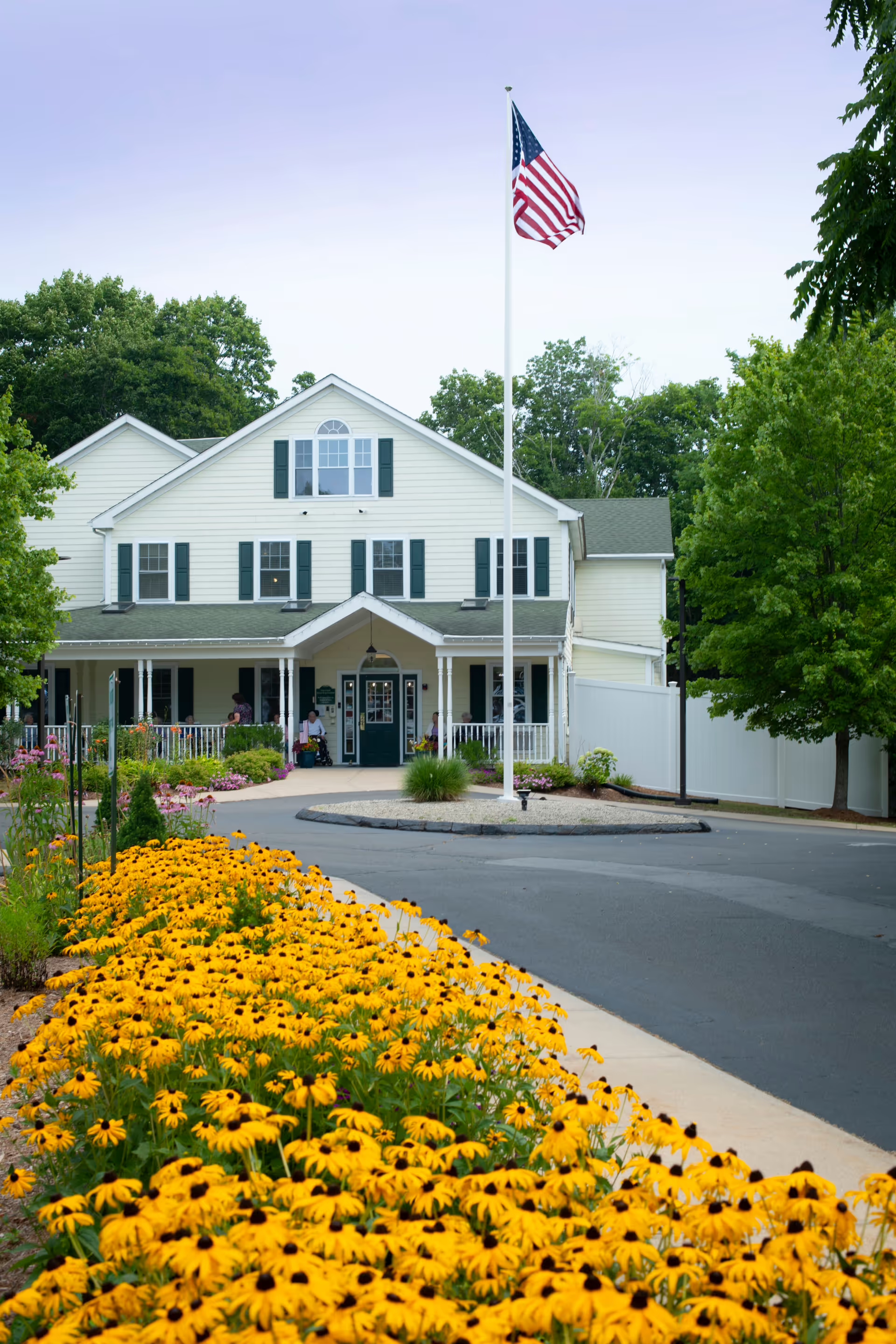
Apple Rehab Uncasville elicits a strongly mixed set of impressions. Several families and staff commentators praised therapy services, wound care, and individual caregivers who demonstrated strong personal commitment; at the same time other accounts describe operational and clinical-safety shortcomings that materially affect some residents. Overall, the facility appears to offer solid rehabilitative resources alongside variability in routine nursing care, facility maintenance, and administrative responsiveness.
Care quality: Rehabilitation services and wound care are frequently noted as strengths — reviewers cite effective physical and occupational therapy and positive functional progress for residents working toward discharge. Conversely, there are consistent concerns about responsiveness to acute events (for example, delays in fall detection and limited use of bed- or chair-alarm systems) and uneven transfer/treatment coordination. These patterns suggest the facility can deliver good therapeutic outcomes for some residents but may have gaps in continuous clinical monitoring and post-acute safety practices.
Staff: Descriptions of staff range from highly compassionate and skilled (CNAs, certain nurses, and therapy staff) to insufficiently trained or unprepared to use equipment. Short staffing is a recurring operational theme and is linked in reviews to delayed care activities and heavier reliance on a few standout employees. Communication tone and professionalism are similarly inconsistent — some family members reported approachable, supportive staff while others noted difficulty contacting management and unhelpful front-desk interactions.
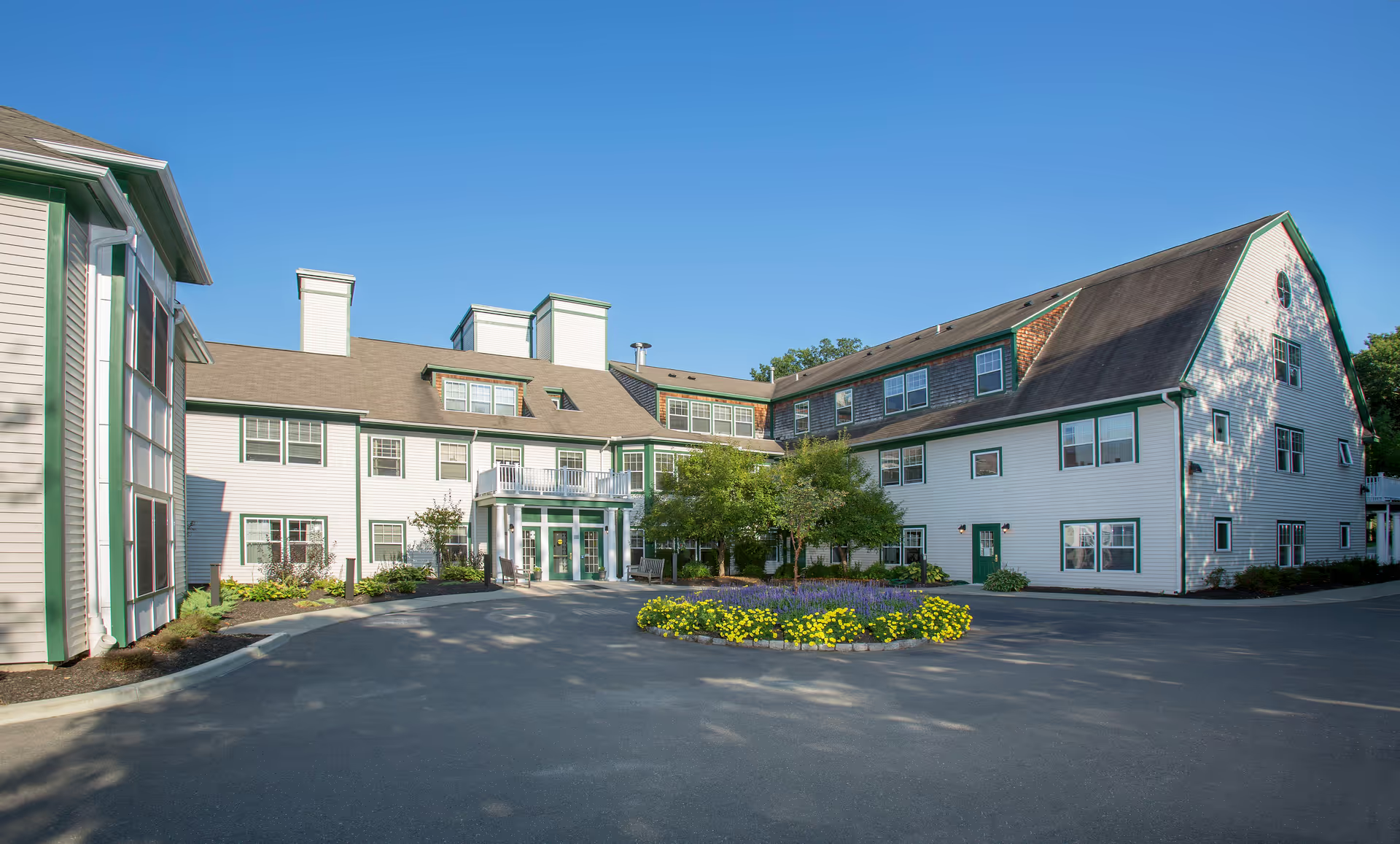
Dining, activities, and facilities: Accounts of cleanliness and facility appearance are mixed; multiple reviewers described bright, well-kept areas while others raised sanitation concerns in specific locations. There are specific infrastructure issues called out, including nonfunctional in-room showers, reliance on communal bathing facilities that may be unsuitable for immunocompromised residents, and room heating/HVAC problems. Allegations related to water-safety (including a claimed association with Legionnaires) and staff warnings about food handling elevate the need for careful inquiry into the facility's infection-control and dietary procedures.
Management and administration: Perceptions of management vary. Some reviewers praise engaged leadership and an environment that prioritizes residents, while others describe difficulty reaching administrators, disputes over billing or refunds, and suspicion that transfer or discharge decisions were influenced by insurance considerations. These contrasting perspectives point to inconsistent administrative follow-through and communication rather than uniformly poor or uniformly excellent leadership.
Notable patterns and guidance: The reviews together reveal clear strengths in therapy, wound care, and several dedicated caregivers, alongside recurring operational weaknesses—most notably understaffing, variable staff competency, gaps in infection-control and bathing infrastructure, and inconsistent incident response. Prospective residents and families should balance the facility's rehabilitative capabilities against these operational issues, and consider asking specific questions about current staffing ratios, infection-control measures (including water testing and bathing options), fall-detection systems, staff certification and training, and avenues for escalation of concerns.