Reviews of Wilton Meadows Nursing & Rehabilitation present a strongly polarized picture. Many families and short-stay patients praise the facility for its rehabilitation capabilities: physical and occupational therapy teams are repeatedly described as skilled, goal-focused, and effective at producing rapid functional gains. For prospective residents seeking short-term post-surgical rehab, the facility's therapy program, therapy staff engagement, and ability to work within Medicare coverage were commonly cited strengths.
Core caregiving receives mixed evaluations. A substantive cohort of reviewers describes compassionate, attentive nurses, certified nursing assistants, and social-work liaisons who provide personalized support, maintain communication with families, and help residents retain dignity. At the same time, there are consistent operational concerns linked to staffing: weekends and evenings in particular are noted as periods with fewer regular staff and heavier reliance on temporary or agency personnel. These staffing patterns correlate with reports of delayed responses to call bells, inconsistent personal-care assistance (including toileting and linen changes), and lapses in timely clinical attention.
Medication safety and clinical coordination are recurring areas of concern. Several accounts reference medication delays, dosing errors, and inconsistent medication availability at admission; some reviewers described serious events that required escalation to emergency care. Admissions and transition processes were also criticized for fragmented communication among clinicians, delays in initiating ordered rehabilitative care, and occasional difficulty getting attending physicians involved promptly. Families frequently reported having to advocate for or supplement care when they perceived gaps.
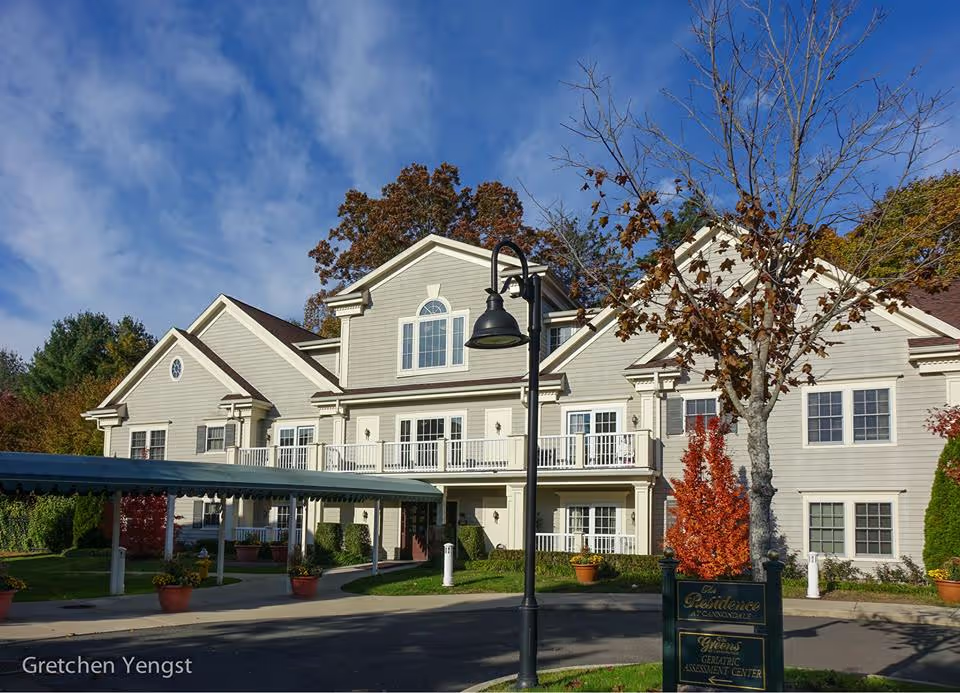
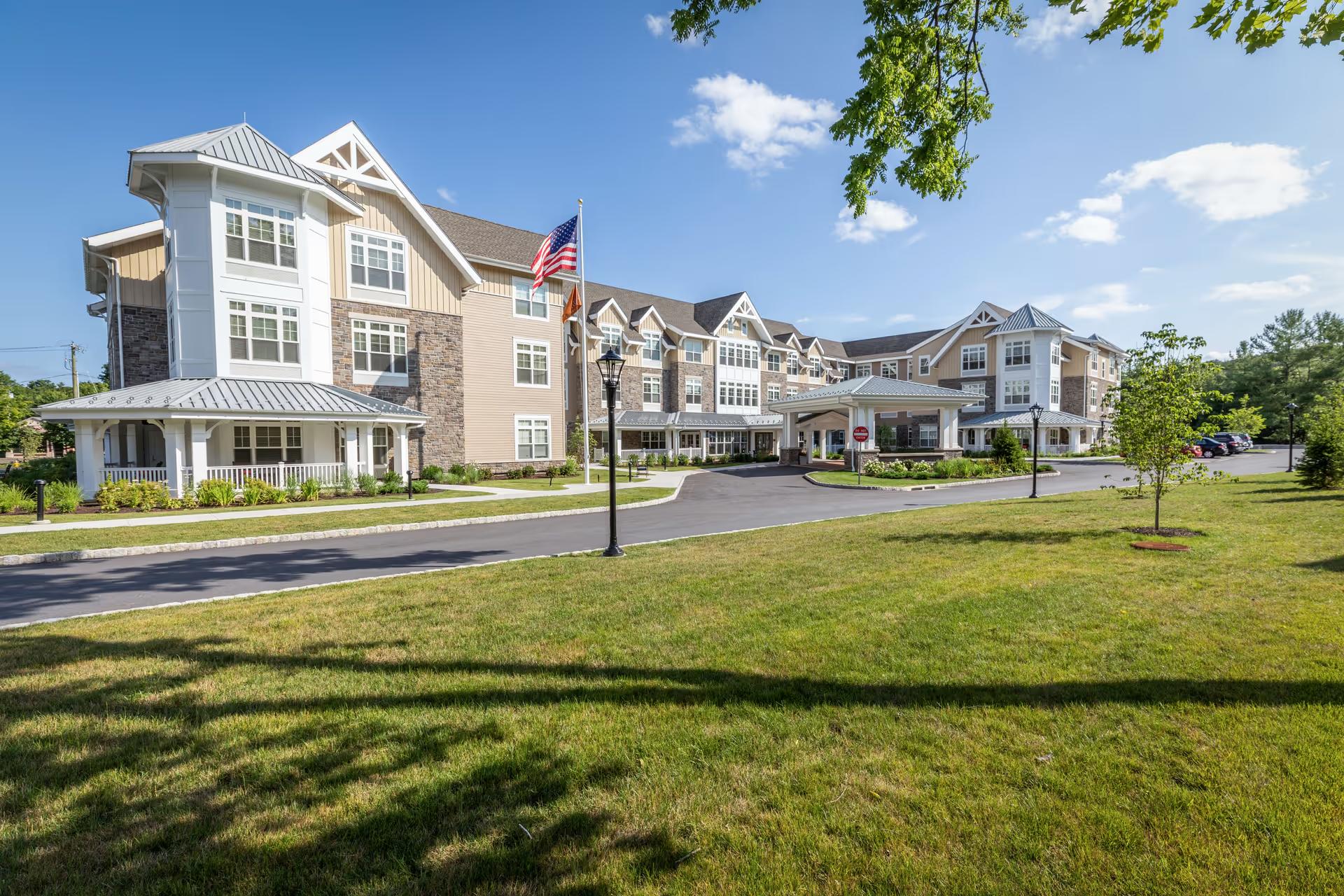
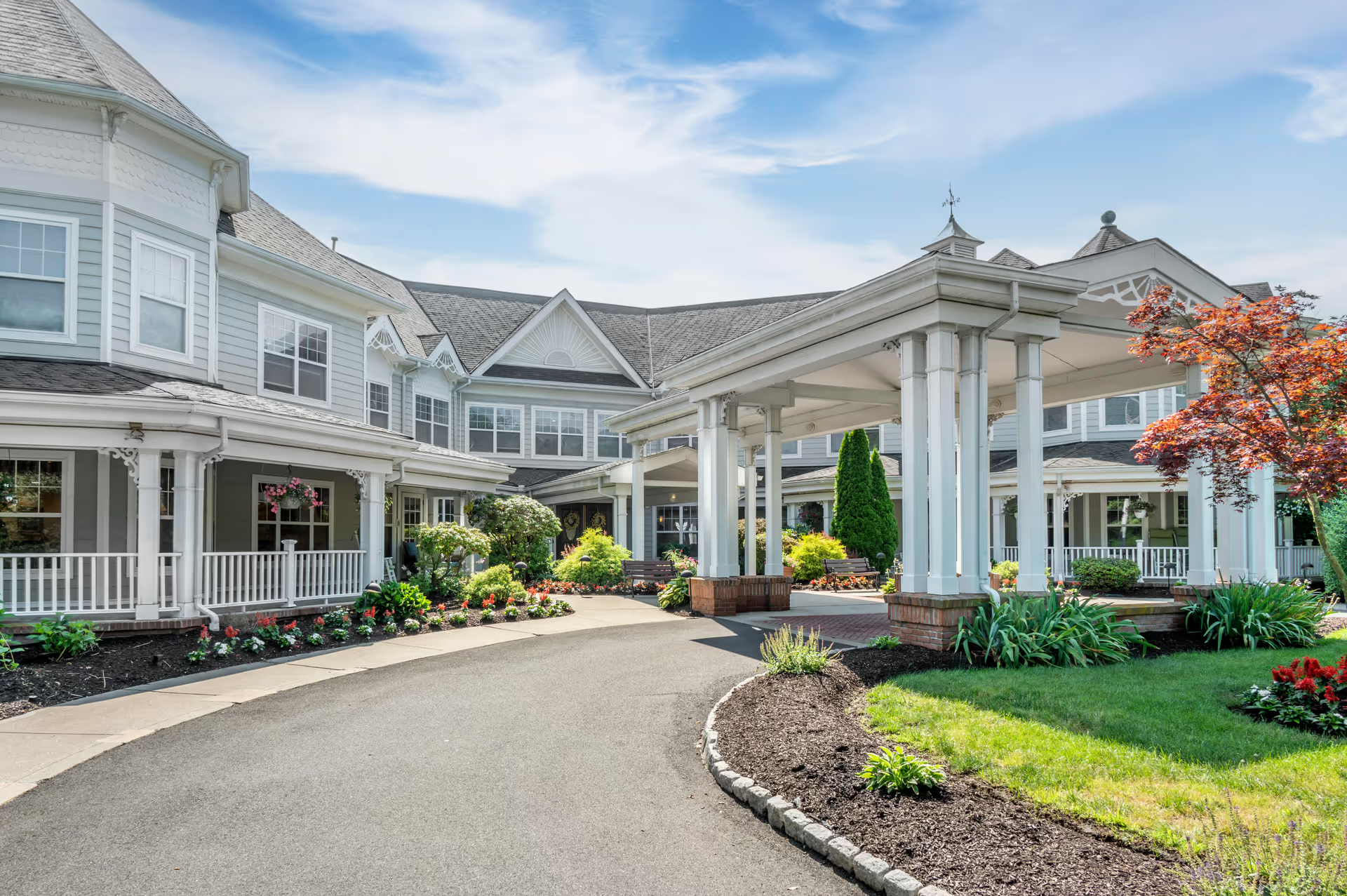
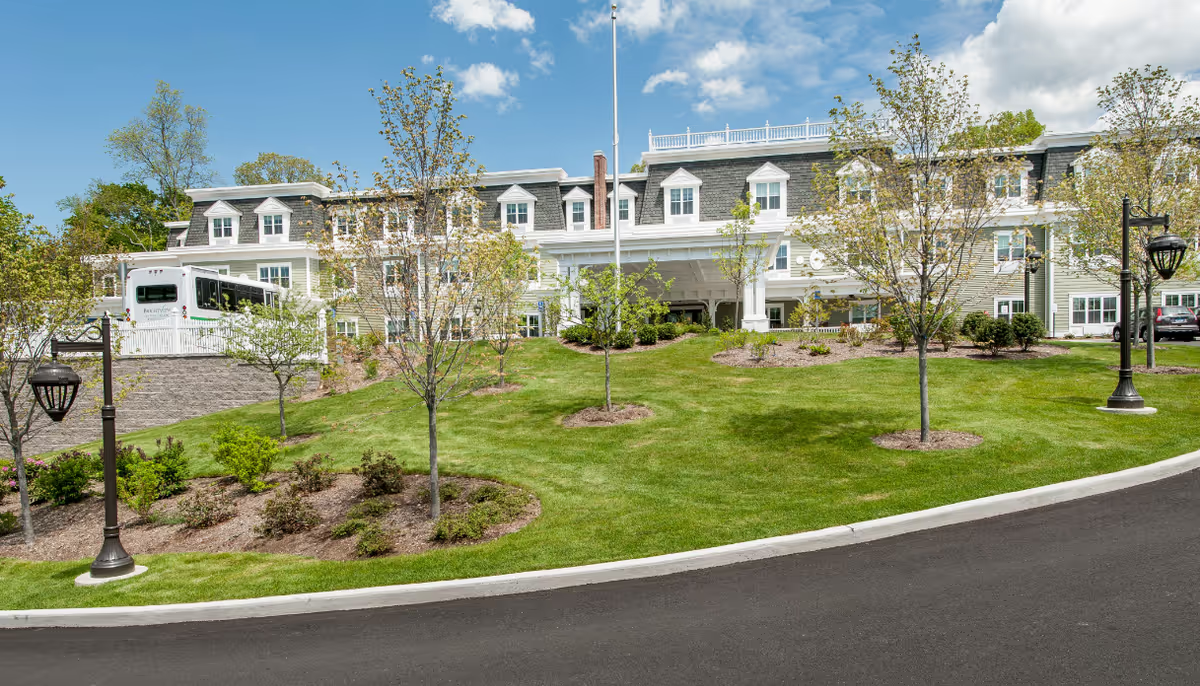
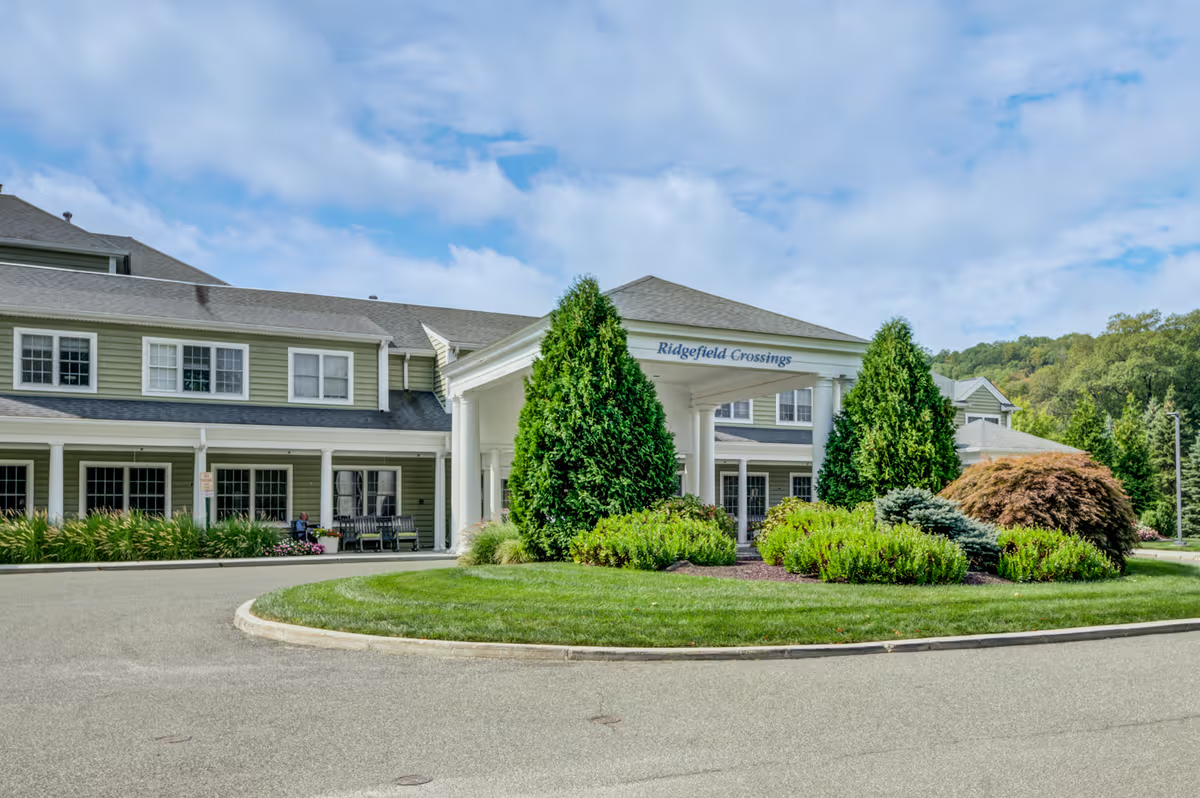
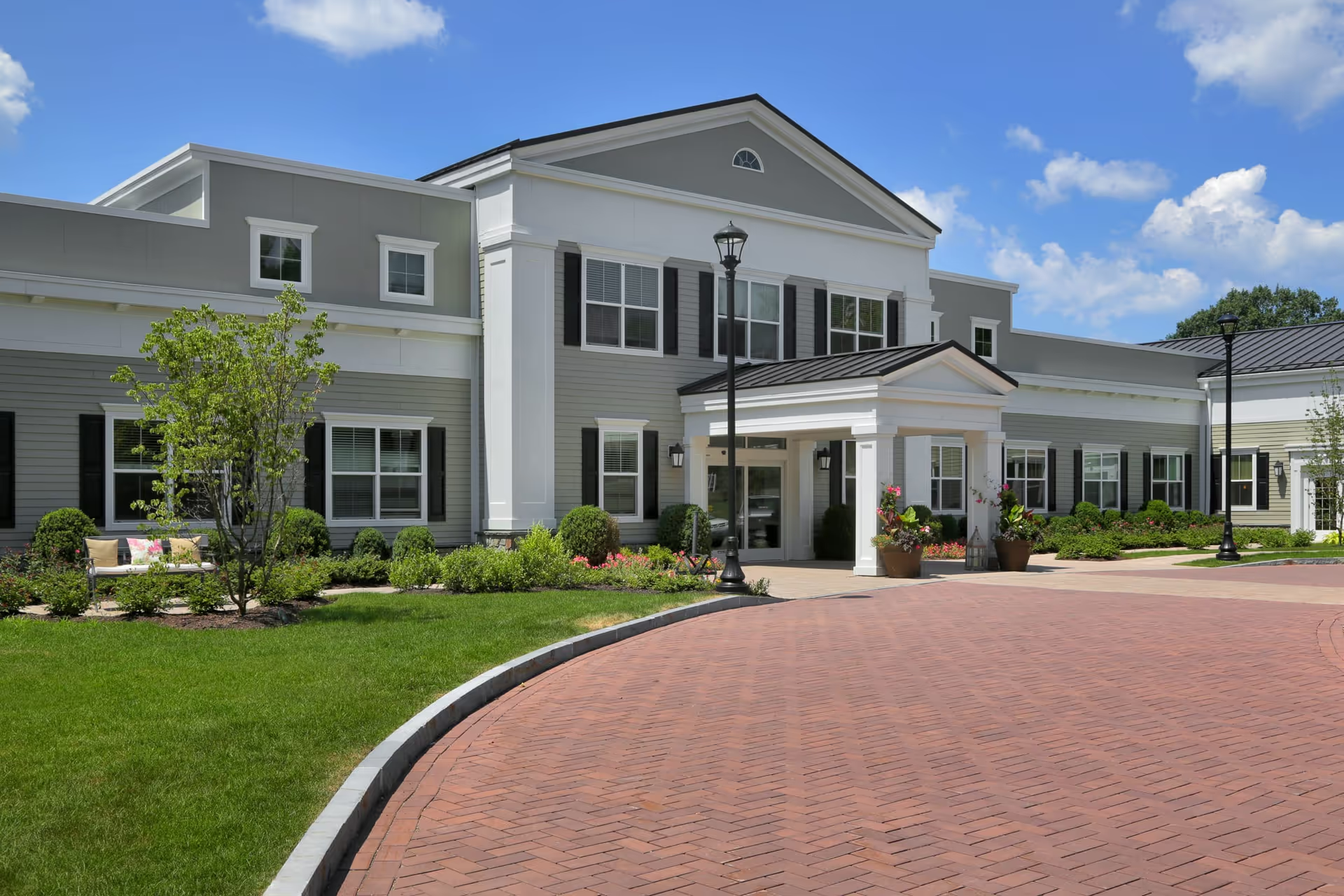
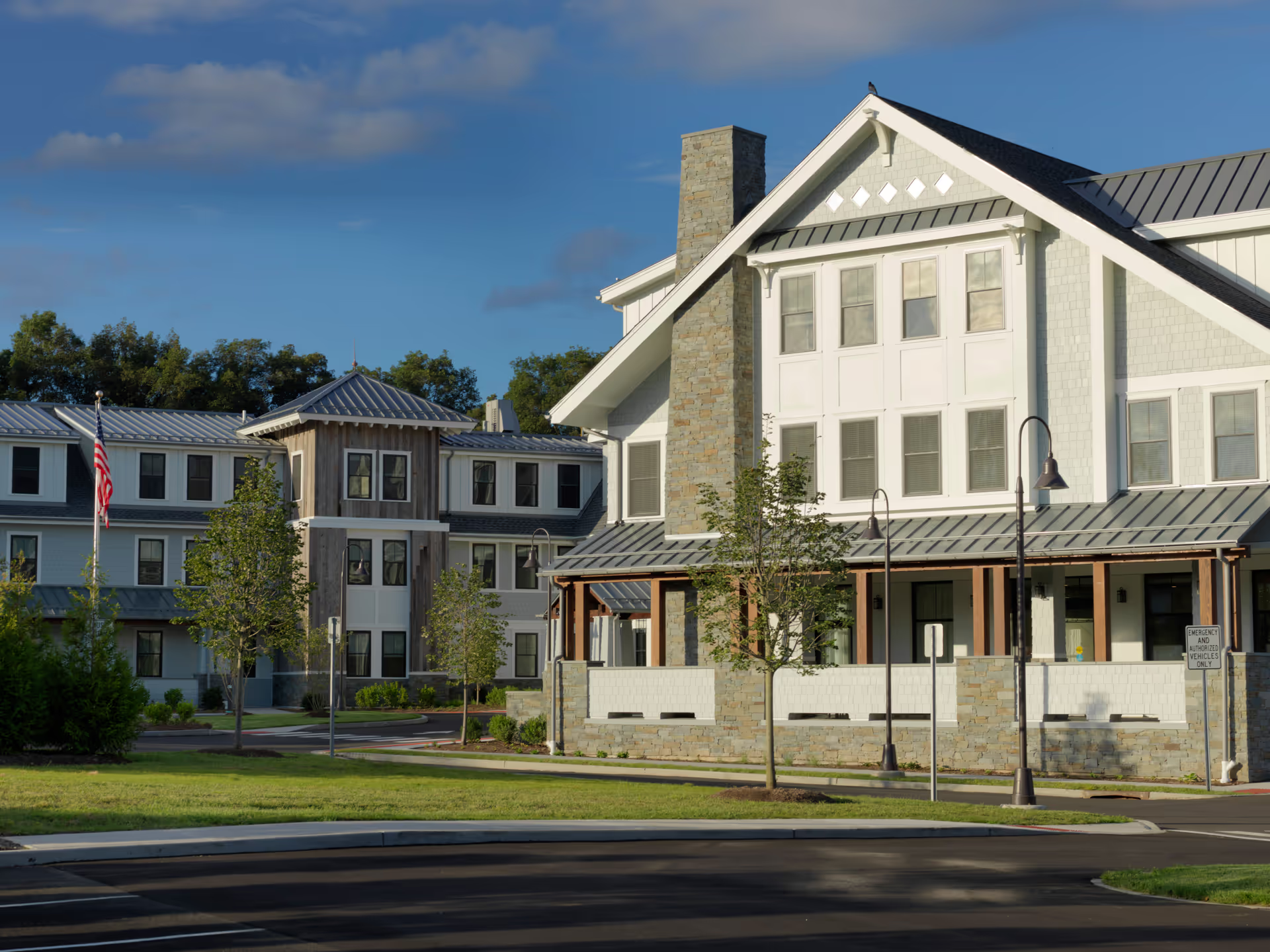
Facility environment, dining, and activities are generally viewed more positively but with variability. Many reviewers praise bright, well-maintained common areas, pleasant outdoor spaces and gardens, active recreational programming, and a welcoming dining service; special events and an engaged activities team were highlighted as contributors to resident quality of life. Conversely, a subset of reviews identified sanitation concerns in some rooms and bathrooms, occasional odor issues in certain areas, and uneven housekeeping or laundry practices. Food quality and menu variety were praised in several accounts but described as inconsistent or declining in others; dietitian intervention was sometimes credited with resolving meal-related issues.
Management and culture show a dual pattern: several administrators and named staff receive commendations for being hands-on, accessible, and responsive to family concerns, while other reviewers perceive a disconnect between administration and floor-level realities. That disconnect is described as leaving supervisory staff with limited authority to address immediate staffing and clinical issues. A small number of reviewers raised serious allegations regarding financial handling. These allegations and the more severe clinical concerns prompted calls for closer oversight from families in some cases.
Bottom line: Wilton Meadows appears to offer strong rehabilitation services, an engaged activities program, and many dedicated caregivers; however, variability in staffing, medication administration, personal-care consistency, and room-level sanitation create uneven experiences. Prospective residents and families considering this facility should weigh the consistently positive therapy and activity offerings against operational weaknesses—especially weekend staffing and continuity of care—and plan for proactive communication with the clinical team and administration during admission and transition periods.