Reviewers present an overall picture of a facility with many operational strengths alongside some consistent operational weaknesses. Strengths most frequently cited include a high level of hands-on caregiving: families and residents describe nursing staff and aides as compassionate, attentive, and respectful. The facility’s rehabilitation and therapy programs are highlighted repeatedly for helping residents return home and for providing proactive monitoring and home-safety follow-up. Reviewers also note an understanding of dementia-related behaviors and staff ability to provide appropriate, patient-centered dementia care.
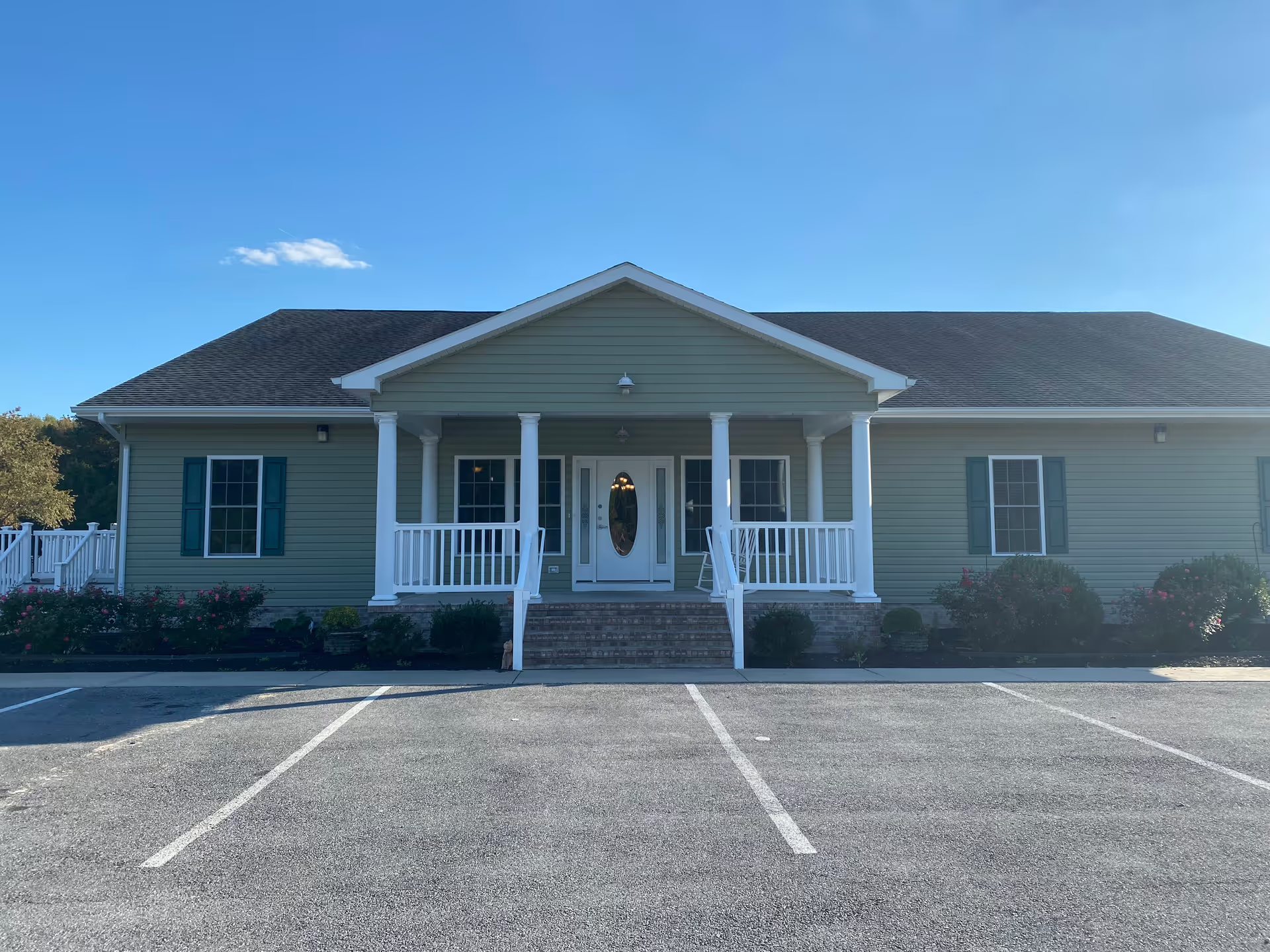
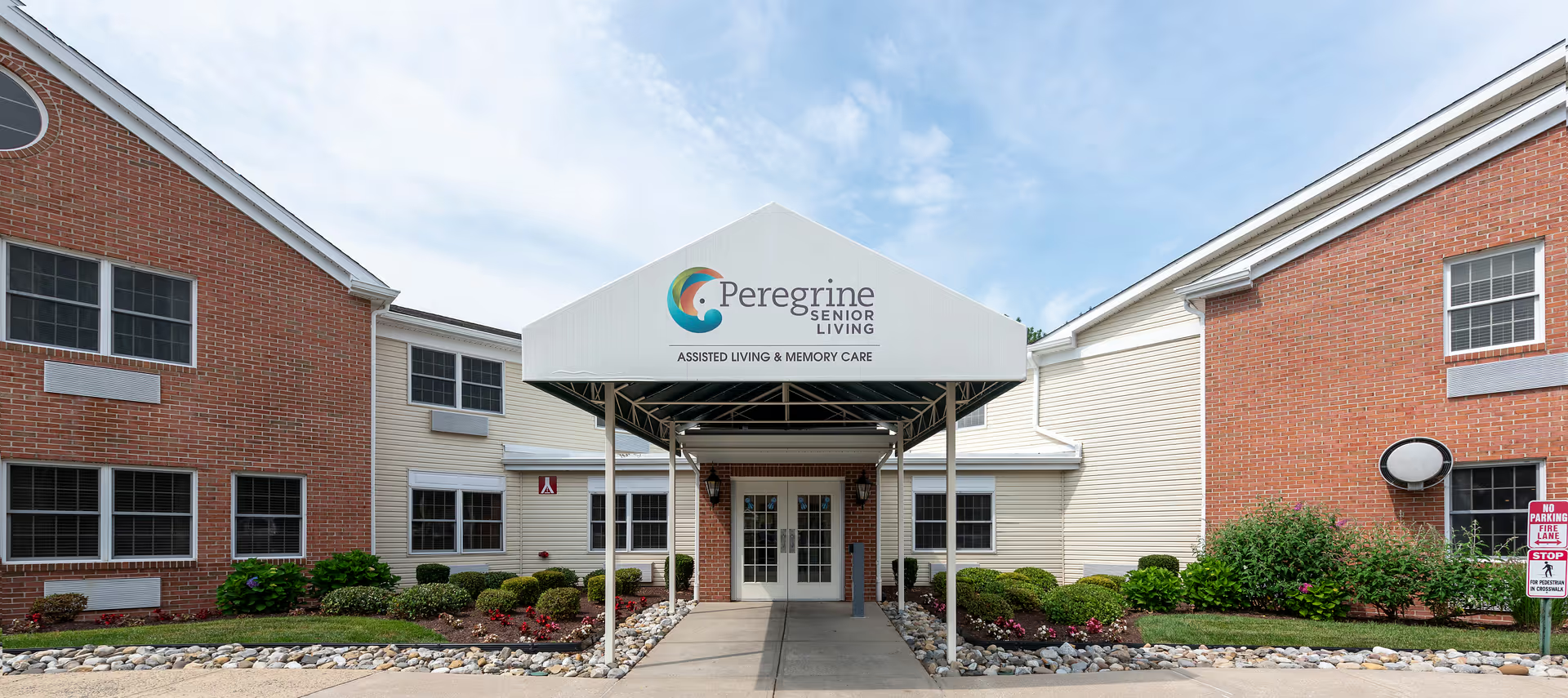
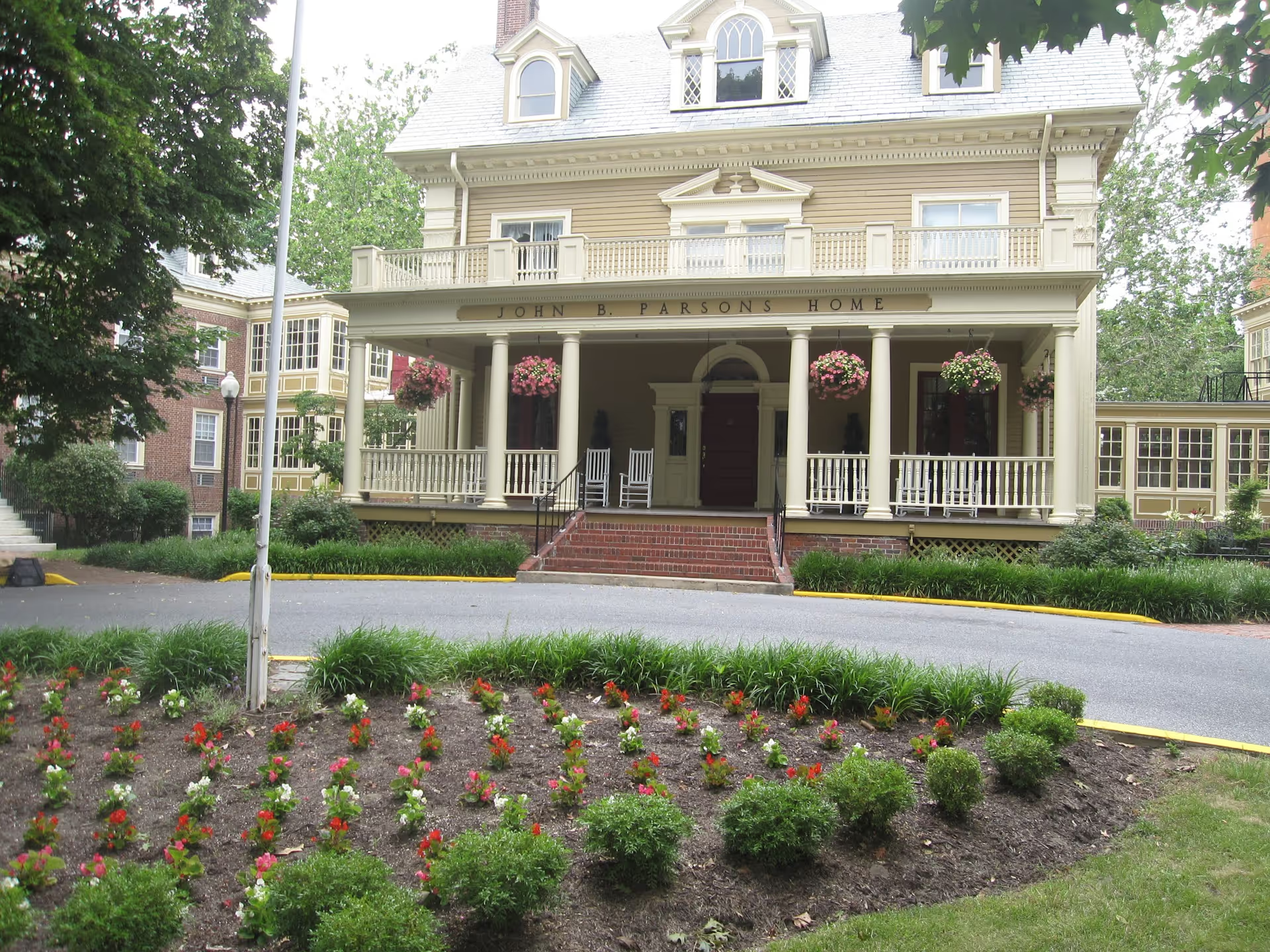
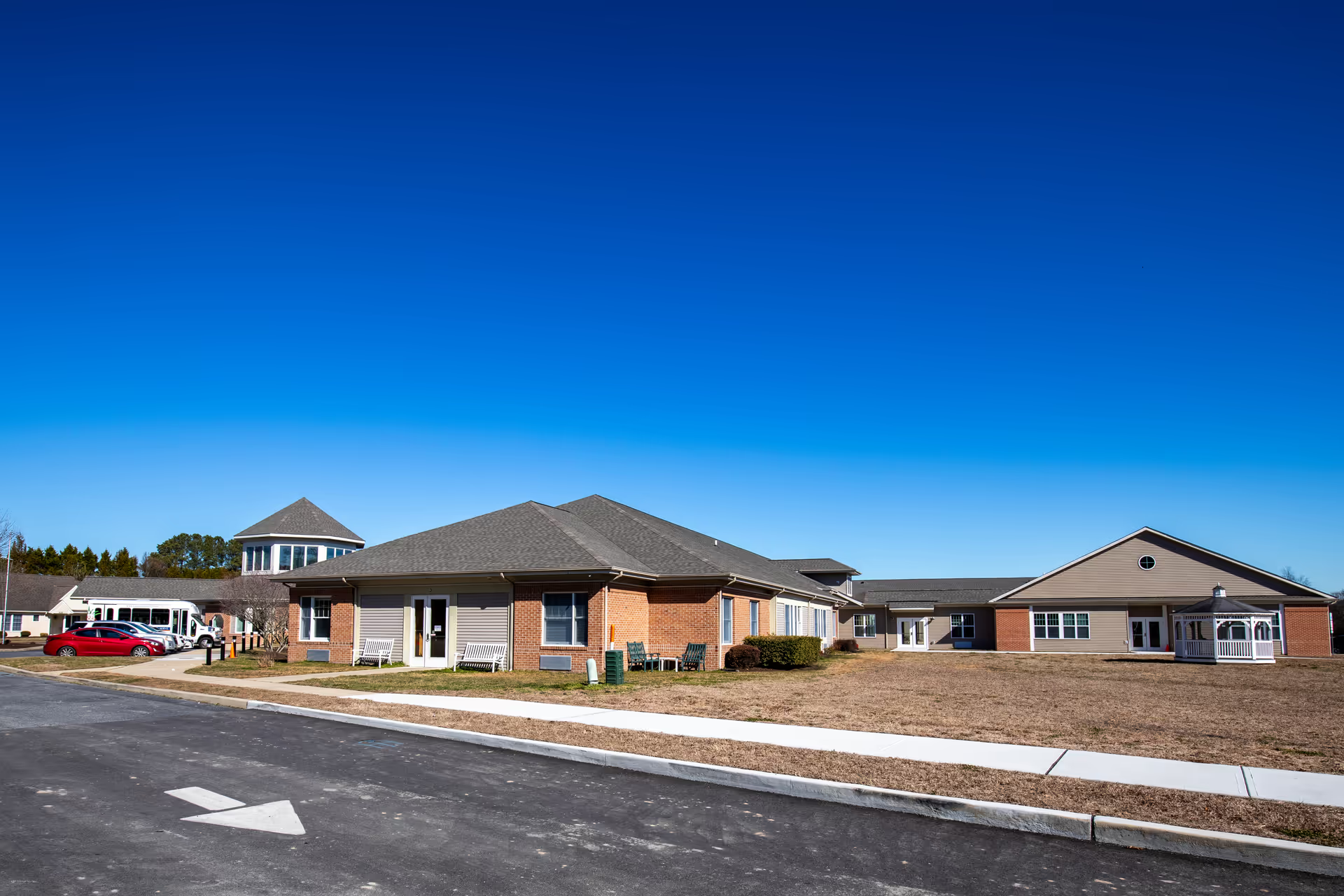
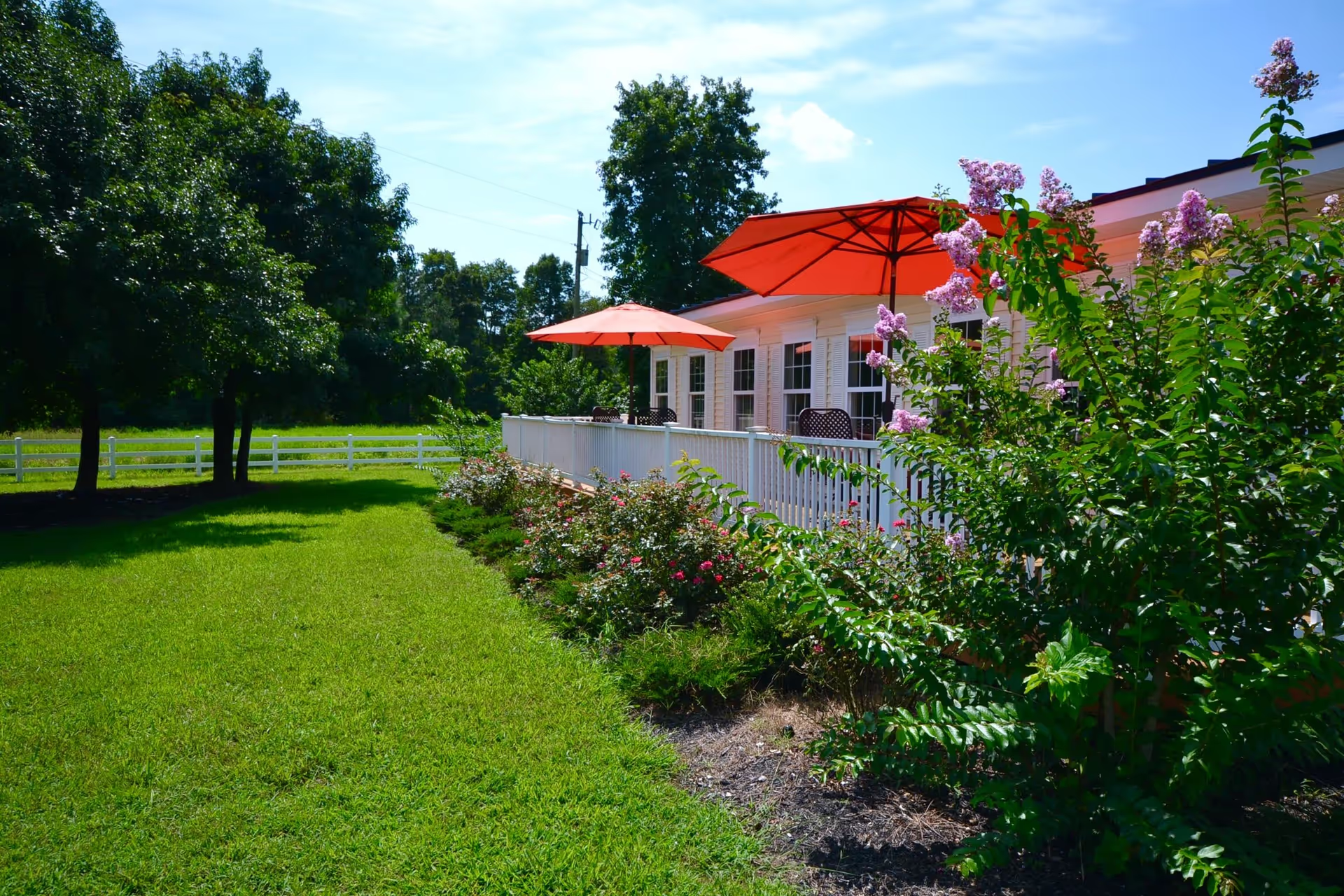
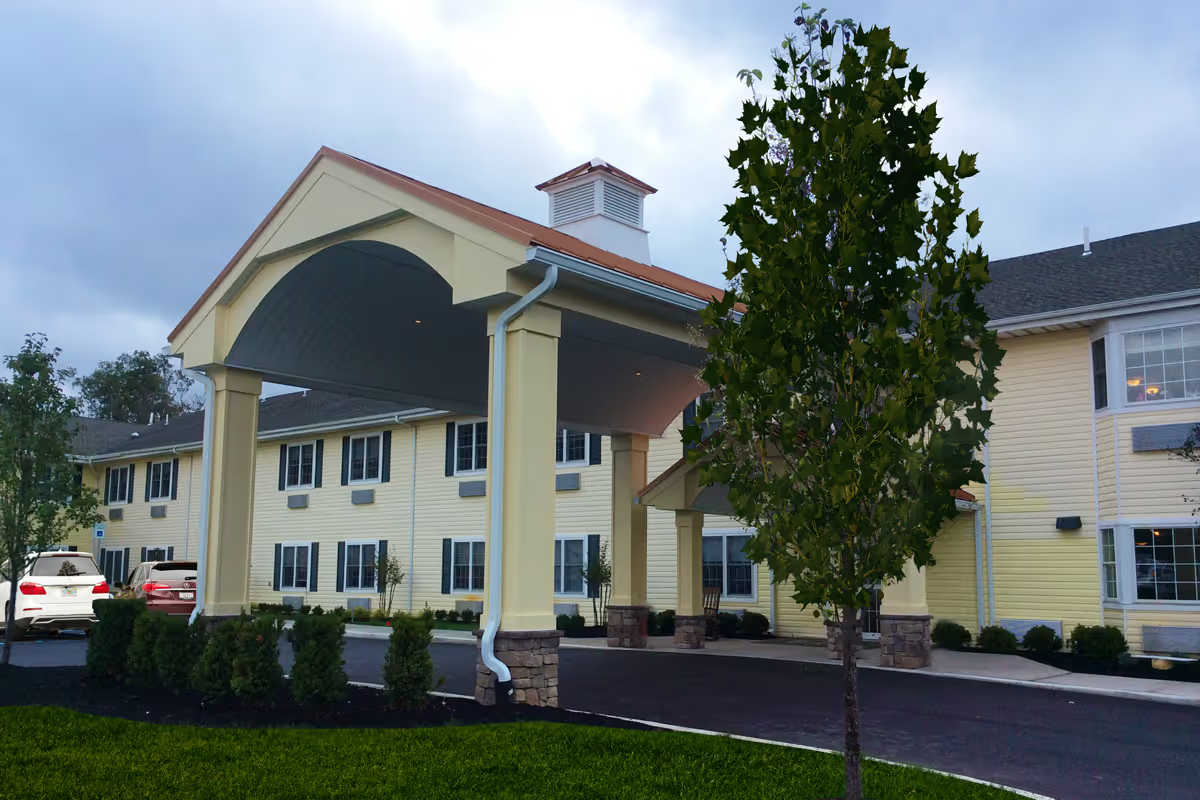
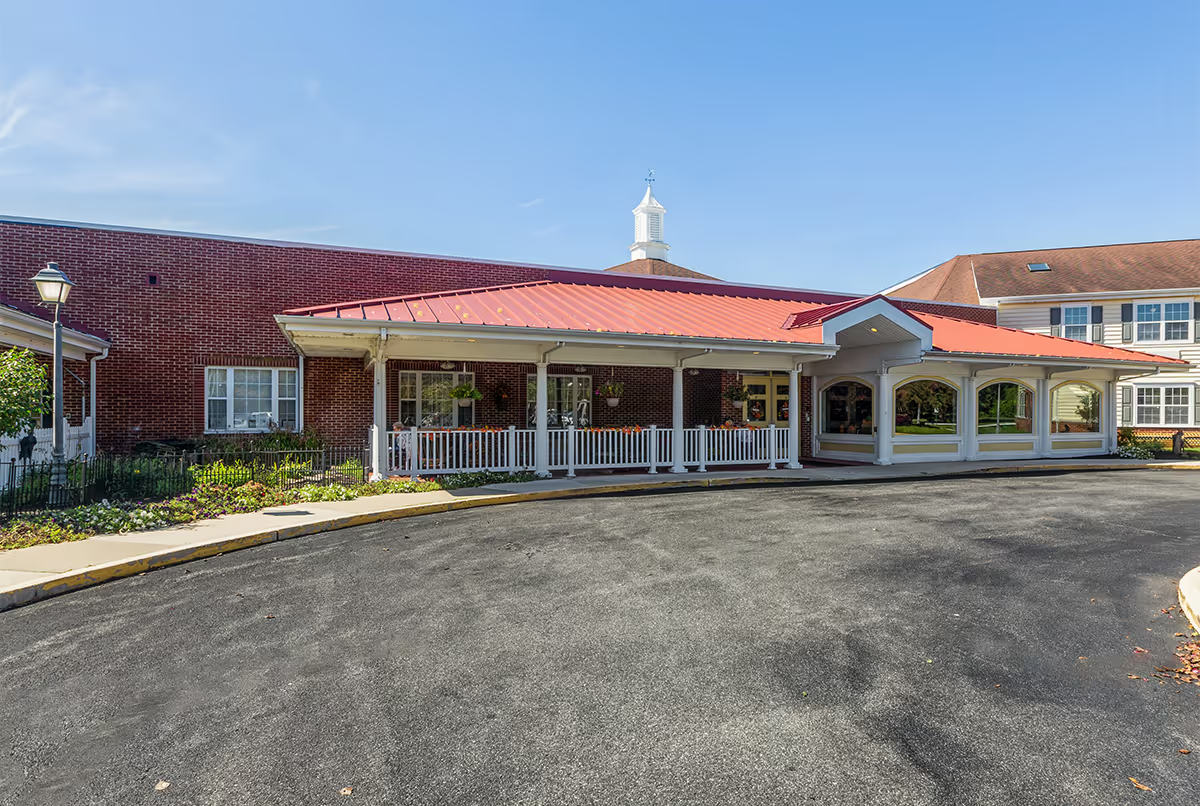
Dining, activities, and daily life are commonly described positively. Multiple reviews mention engaging daily activities, social programming, and small comforts such as finger foods and nutritional shakes. Several families praised the variety and adaptability of meals to dietary needs; however, there is some variability in meal quality and service reported (discussed below). Housekeeping and grooming receive consistent praise, and the facility is commonly characterized as clean, well maintained, and welcoming, with private rooms and a generally pleasant atmosphere.
Despite these positives, several operational patterns emerged as areas of concern. Communication and responsiveness to family inquiries are inconsistent: some families report clear app- and board-based updates while others describe difficulty reaching staff or receiving timely follow-through. Staffing levels also appear variable — reviewers mention periods of short staffing that correlate with slower response times. There are occasional reports of uneven staff professionalism and tone, indicating variability in conduct across shifts or units.
Admission and administrative processes received mixed feedback. While tours and intake interactions are often described as helpful and kind, isolated but significant issues about admission logistics and post-admission readiness were reported (for example, delays in room or equipment setup). These suggest opportunities to strengthen admission coordination and initial care handoffs. Management is frequently described as kind and informative, but families also reported gaps in administrative follow-through on tasks and communication.
Notable patterns for prospective residents and families: the facility’s rehabilitation services and dementia-aware caregiving are real strengths and are a common reason families feel comfortable recommending the facility. Cleanliness and a welcoming environment are also commonly affirmed. Conversely, prospective families should be aware of potential variability in staffing, communication responsiveness, and admission logistics; asking specific questions about staffing ratios, admission checklists, meal schedules, and the facility’s visitation policy during infection-control periods may help set expectations. Overall, reviewers portray a facility that provides strong clinical and rehabilitative care for many residents while having identifiable operational areas that would benefit from improved consistency and communication.