The reviews present a mixed and polarized picture of PeachTree Health Group Annex Building. Several families and long-term residents praise longstanding caregiving staff, a generally clean and safe environment, and programming that can be appropriate for people with traumatic brain injuries. At the same time, a number of operational concerns recur across reviews and should be considered by prospective residents and their families.
Care quality appears inconsistent. Positive comments describe attentive, long-tenured caregivers and residents who have been with the facility for many years. Contrasting feedback raises concerns about delays in routine care, inconsistent clinical oversight, and nutritional problems reflected in cold meals, a limited menu, and reported weight loss. These dining concerns tie directly to care outcomes and suggest a need to examine meal service continuity and nutritional monitoring.
Staffing and staff conduct are areas of bifurcated experience. Many reviewers singled out individual staff members as compassionate and devoted, while others described staff who are overworked and undertrained. There are recurring concerns about supervision: instances of inappropriate staff behavior and apparent lapses in behavior management or professionalism were described, which reviewers say have not always been addressed effectively by leadership. The combination of staffing shortages and insufficient training appears to contribute to variability in daily care and resident experience.
Dining and activity programming are notable weak points in the reviewer narrative. Multiple reviews cited cold meals, a limited or unappealing menu, and questions about meal reporting and nutritional oversight. Activity programming received mixed feedback as well: some residents benefit from outings and engagement opportunities, but other reviews describe cancellations, limited meaningful cognitive stimulation, and uneven implementation of therapeutic activities.
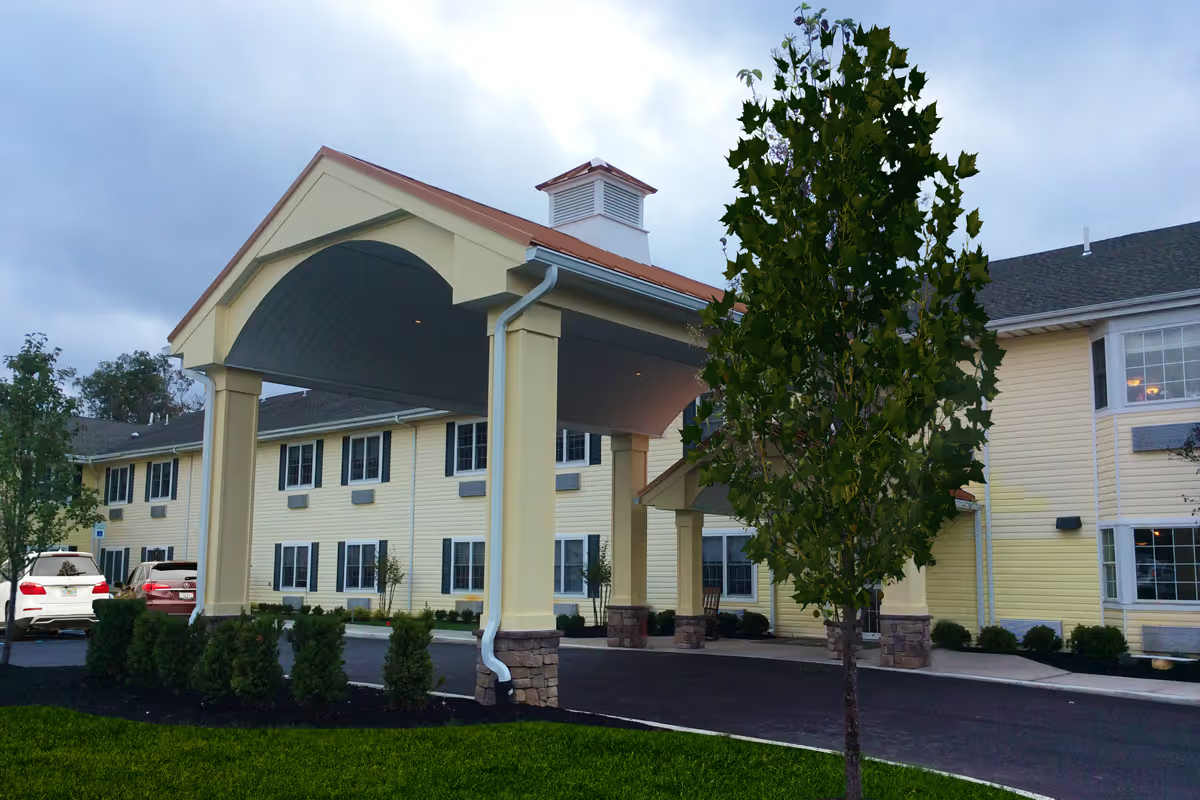
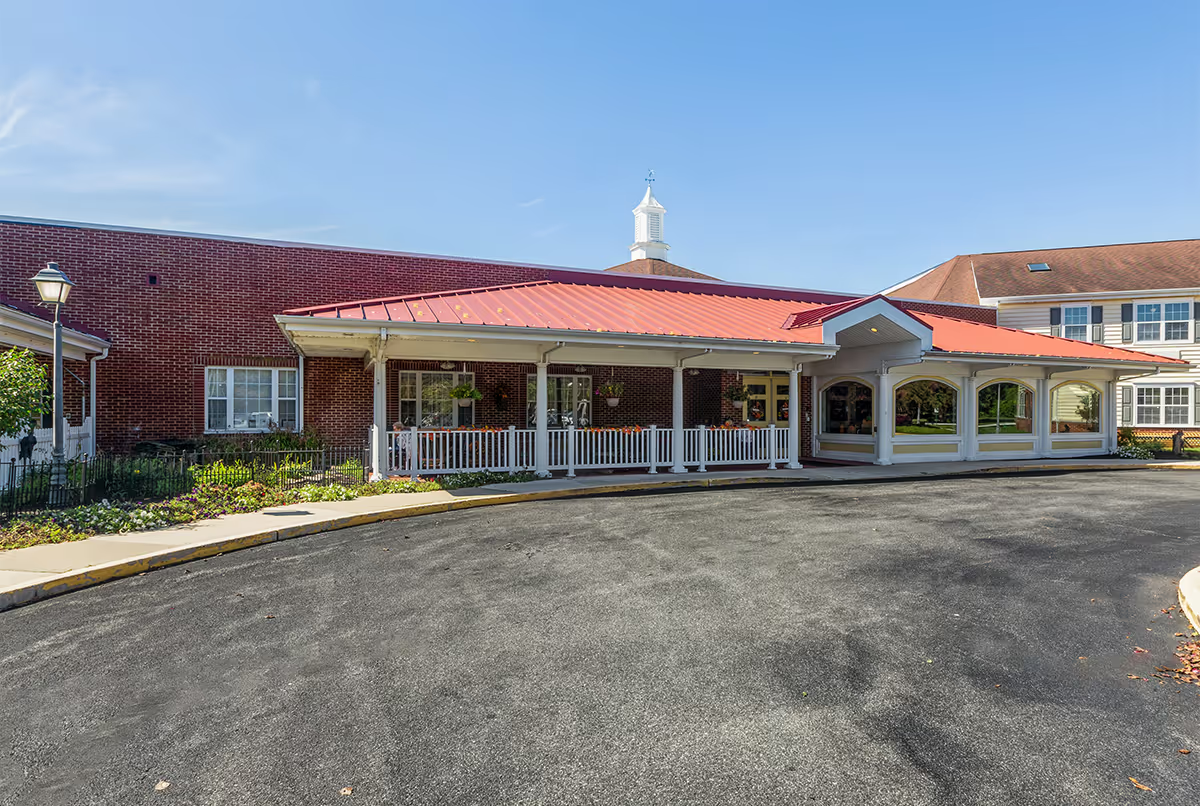
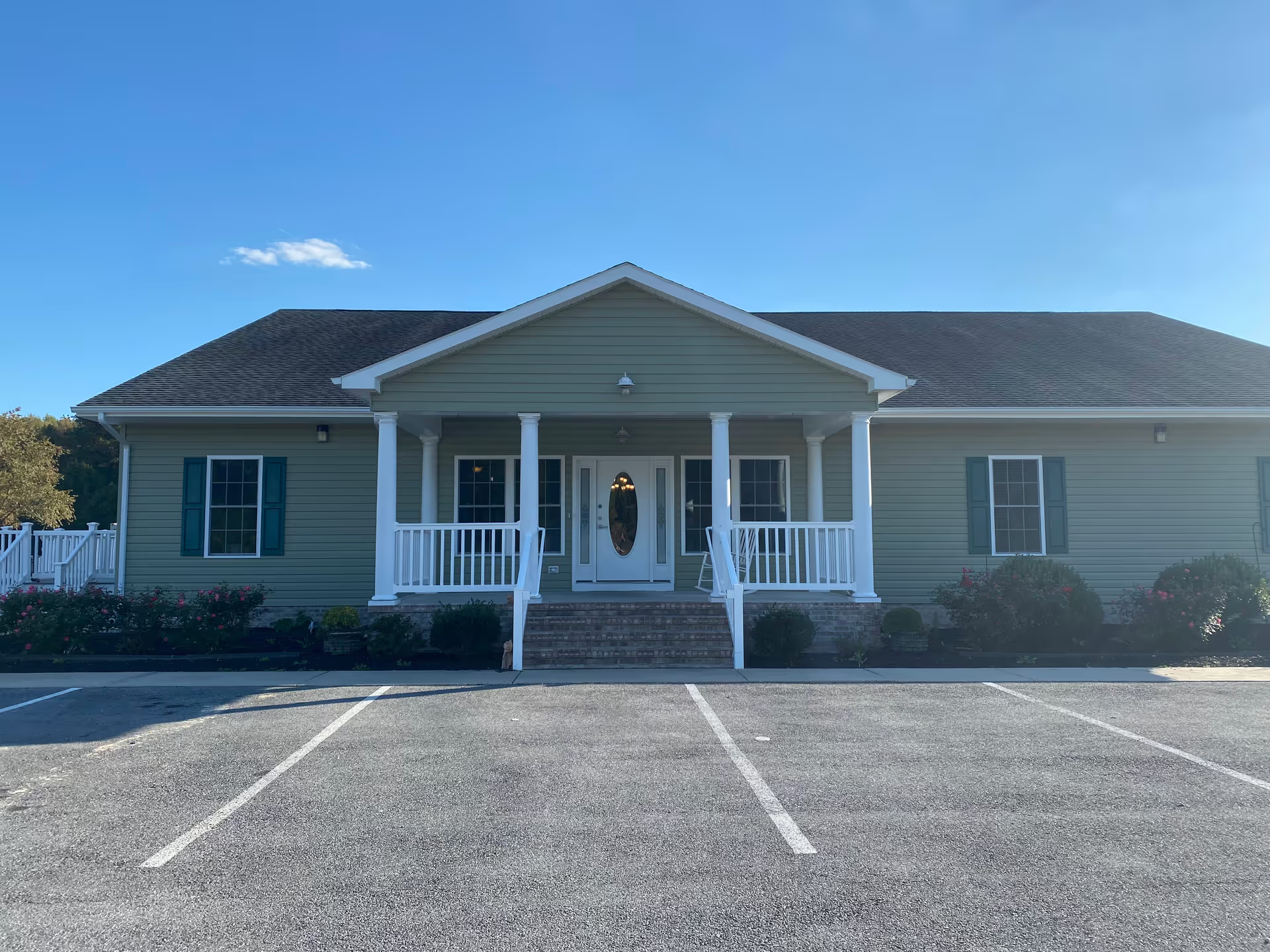
Facility-level environment and amenities drew both praise and criticism. While some families described the building as clean, safe, and supportive of resident independence, others characterized the atmosphere as restrictive and not conducive to autonomy. This divergence suggests variability across units or shifts, or changes over time that influence resident experience.
Management and administrative practices are a frequent source of concern. Reviewers described poor communication from a family liaison, lack of follow-through after meetings, and leadership that some perceive as unapproachable or financially driven. There are serious claims that go beyond routine operational complaints: one set of reviews raises allegations of financial exploitation and problematic handling of SSI/benefit funds and billing. Those are significant concerns that warrant direct verification through documentation, audit, or discussion with regulators and the facility.
Taken together, the pattern is one of strong individual caregivers and a generally acceptable physical environment, contrasted with uneven operational control in dining, activities, staff supervision, and administrative communication. Families considering this facility should weigh the positive elements—especially long-tenured staff and safety perceptions—against the reported weaknesses. Recommended due diligence includes observing mealtimes and activity sessions, asking for written policies on financial safeguards and billing, requesting documentation of staff training and staffing ratios, and confirming how the facility handles family communication and incident follow-up.