Overall impression: Reviews present a mixed but informative picture. Many families and visitors emphasize strong, compassionate caregiving by individual nurses, CNAs, and clinical liaisons; several accounts describe effective therapy teams, supportive hospice collaboration, and an active activities program. At the same time, multiple operational weaknesses recur across accounts, producing widely differing resident experiences depending on unit, shift, and individual staff assignment.
Care quality and clinical services: Positive commentary centers on hands-on nursing, attentive aides, and effective PT/OT clinicians who helped residents regain function. Hospice and end-of-life care were described as comforting and family-centered in multiple accounts. Conversely, reviewers described gaps in clinical coverage and therapy continuity at times — including delayed therapy visits, slow physician involvement, and lapses in medication practices — which point to uneven clinical reliability across shifts. There are also concerns about dignity and timeliness of personal care (framed as delays in attending to resident needs and incontinence-care delays), which some families experienced as significant.
Staff and communication: Many individual staff members receive high praise for compassion, patience, and good communication with families; names are frequently cited as examples of positive interactions. However, other accounts describe inconsistent professionalism, rude interactions, or poor communication from some staff. The pattern suggests variability in communication tone and responsiveness rather than uniformly poor or excellent performance. Families looking at this facility should ask about staff-to-resident ratios, shift coverage, and escalation procedures.
Dining and activities: Activity programming and the music program are consistently noted as strengths that contribute to a positive atmosphere and resident engagement. Dining feedback is mixed: some reviewers found meals appetizing and well-presented, while others reported cold or unpalatable food. This indicates inconsistent food-service execution and temperature control that may vary by dining unit or shift.
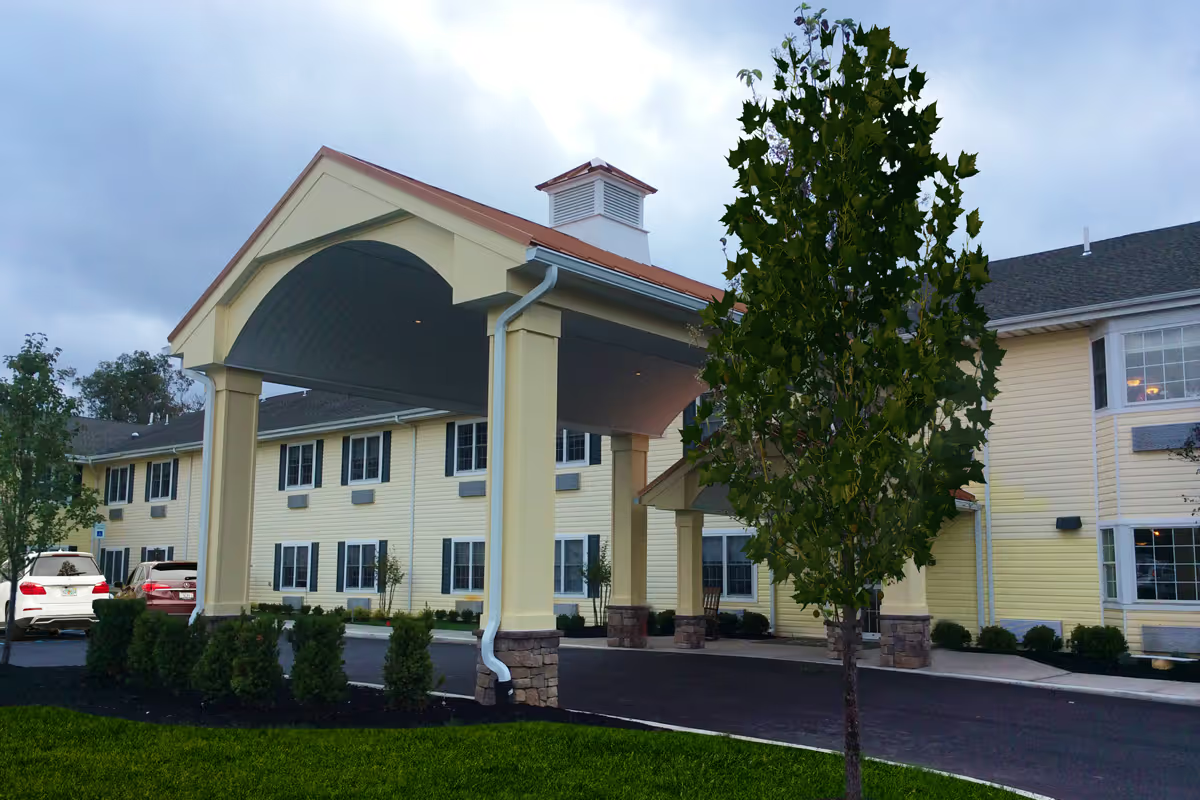
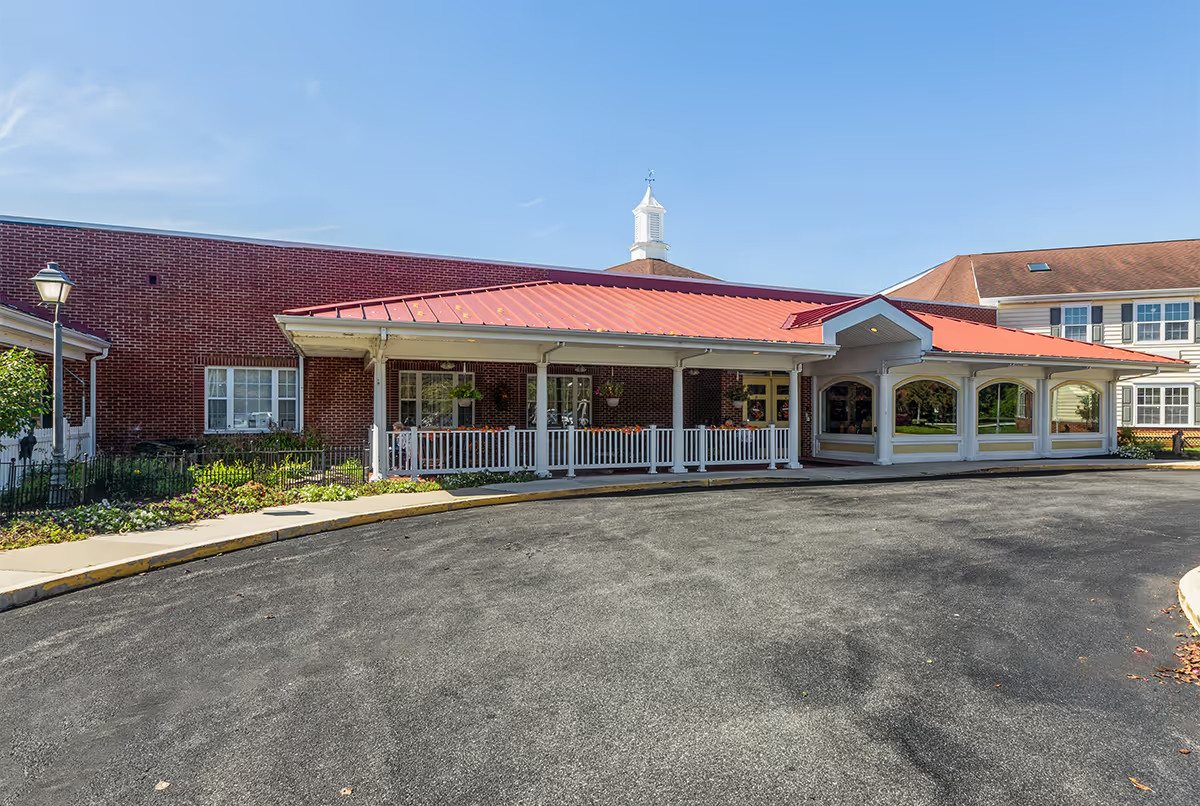
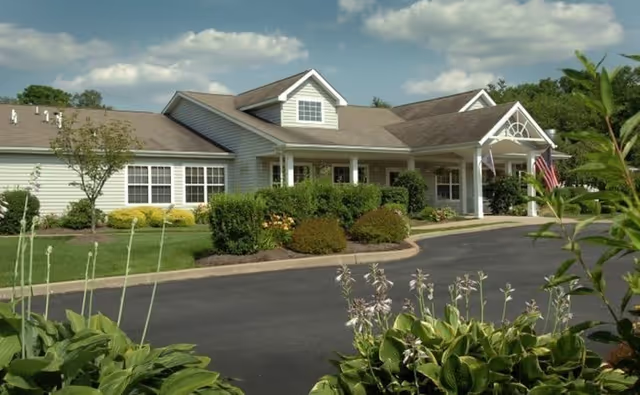
Facilities and environmental management: Several reviewers praised clean, organized units and welcoming common areas; others raised sanitation and pest-control concerns, as well as issues with linens, torn bedding, and outdated equipment or furniture. The facility appears to be in transition in places, with ongoing upgrades noted by some families—this creates variability in the built environment depending on unit and timing of visit.
Management, administration, and transitions: Ownership and name changes were mentioned; some families perceived positive changes under new management, while others noted inconsistent follow-up, billing/transport-fee concerns, and references to complaints or regulatory attention. Discharge planning and post-discharge coordination were identified as areas needing improvement by several families. Administrative transparency around fees, clinical incidents, and follow-up processes would help address these concerns.
Notable patterns and guidance: The dominant pattern is high variability: strong, praised individuals and programs coexist with operational inconsistencies that affect cleanliness, responsiveness, meals, therapy continuity, and administrative transparency. Prospective residents and families should schedule a tour, observe multiple units and mealtimes, ask specific questions about therapy schedules, call-light response times, linen/laundry routines, infection-control and pest management, medication-safety protocols, and recent regulatory history. Also inquire about current staffing levels, recent leadership changes, and planned facility upgrades to get a clearer sense of how the facility’s strengths and weaknesses may apply to a particular resident’s needs.