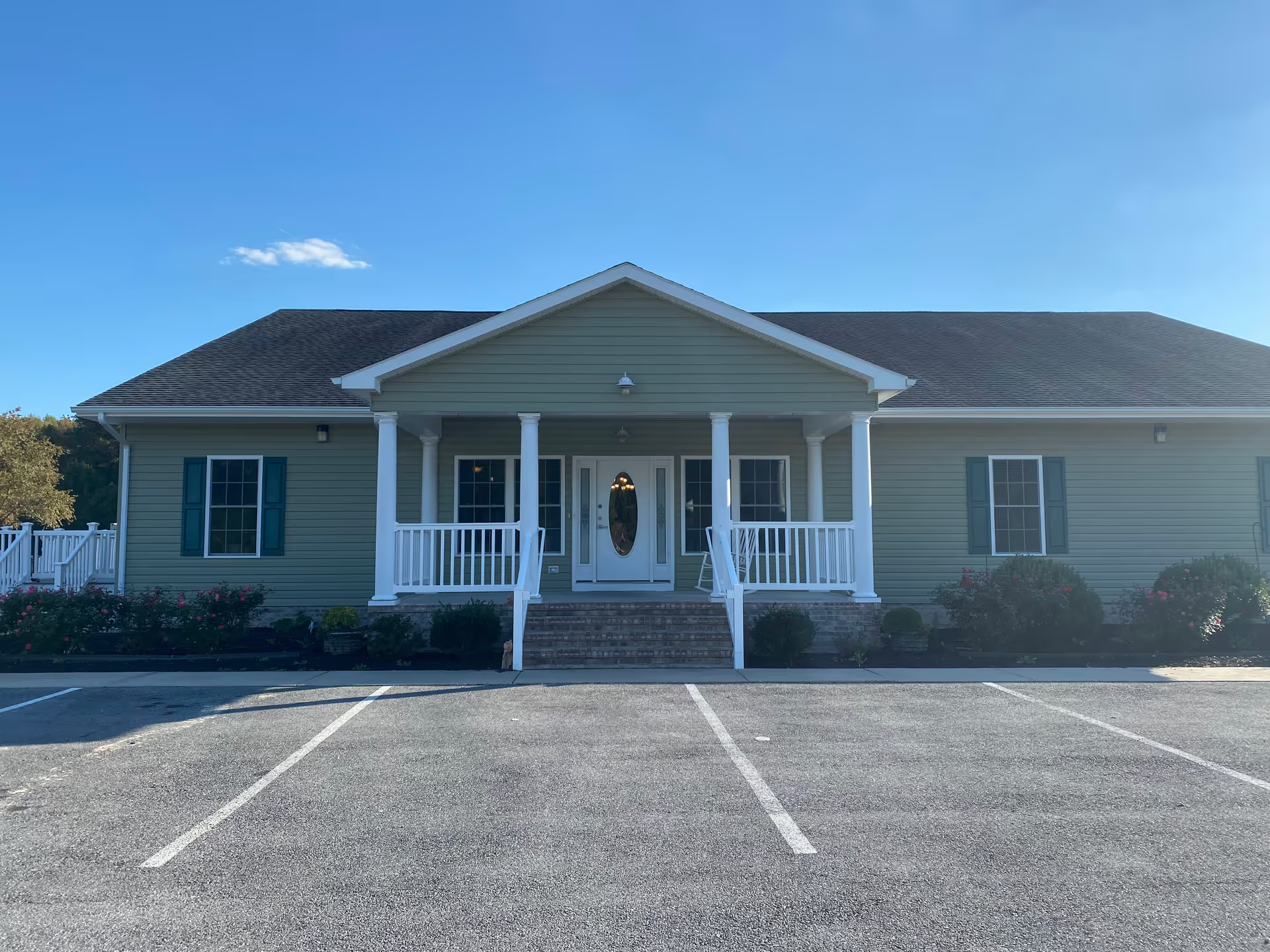
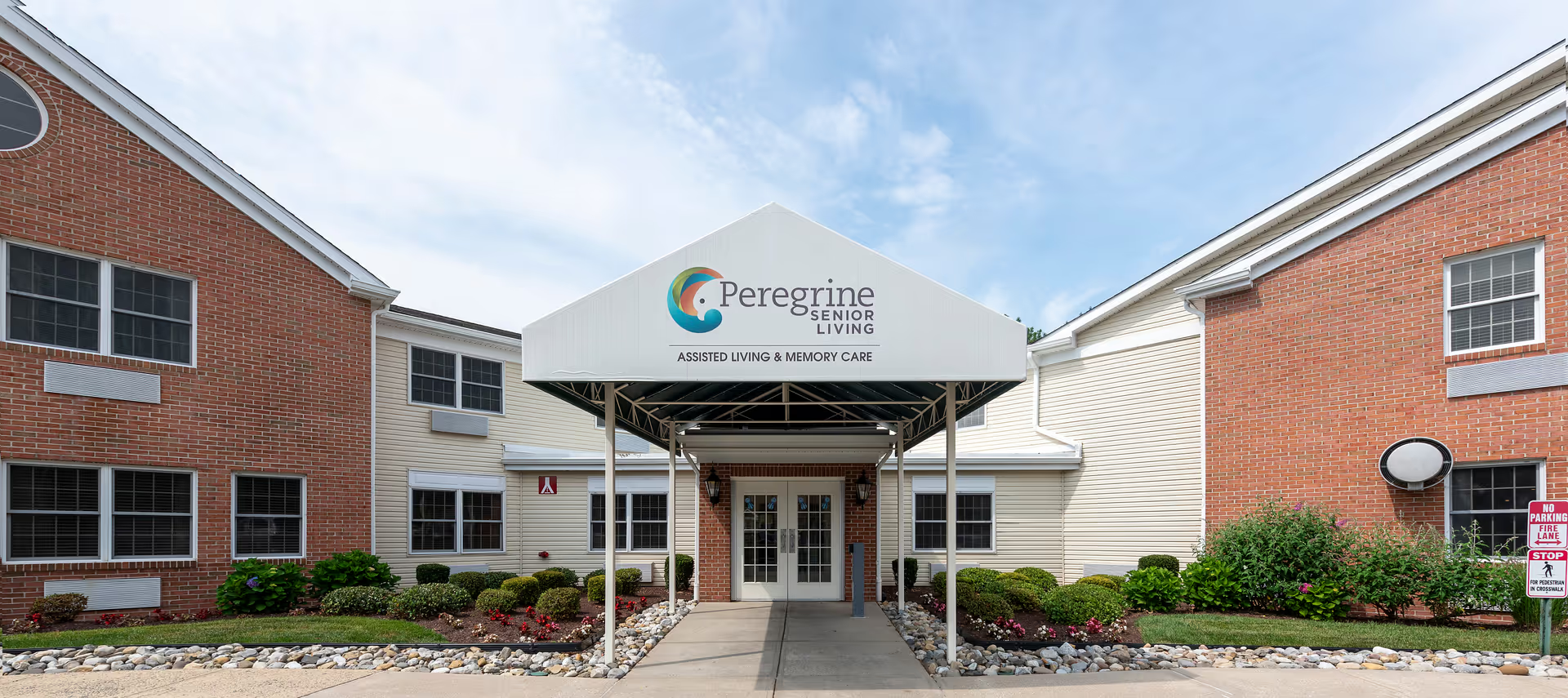
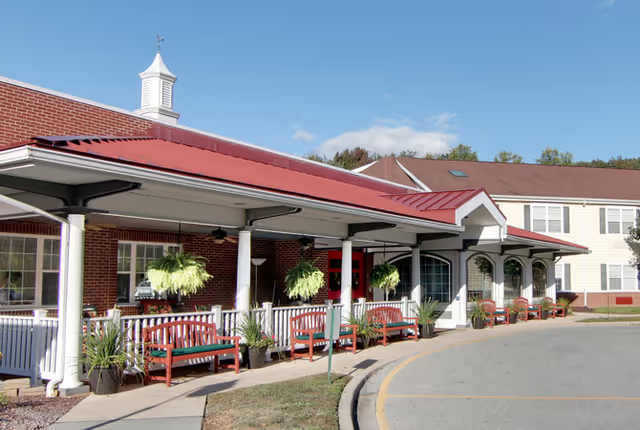
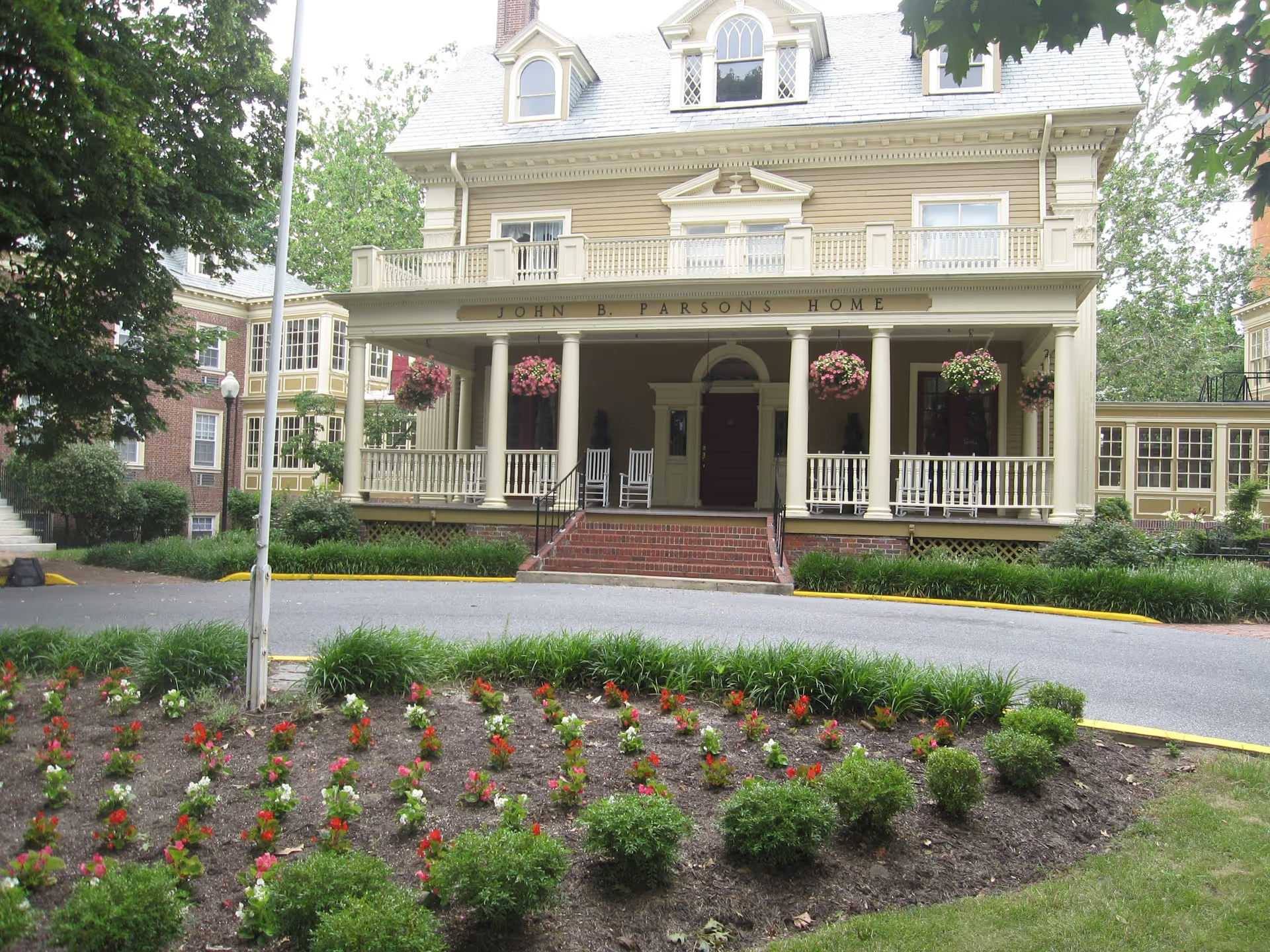
The Moorings at Lewes is portrayed consistently as an upscale, well‑maintained senior living community offering a continuum of care from independent living through assisted living to a JCAHO‑certified skilled nursing unit. Strengths most frequently described include compassionate, attentive staff and a skilled clinical team; reviewers praise rehabilitation services and describe the skilled nursing unit as providing care comparable to a hospital setting. The community emphasizes modern medical equipment and therapy resources, which families identify as important during acute or recuperative episodes.
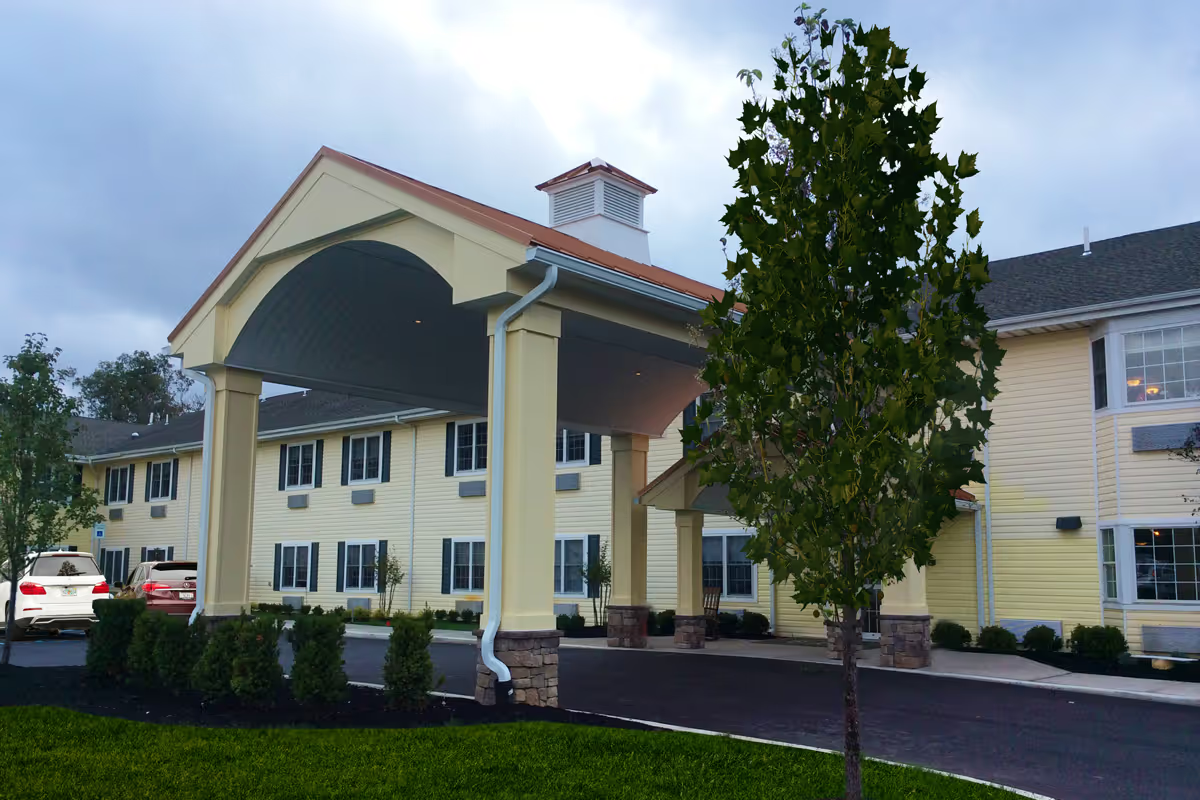
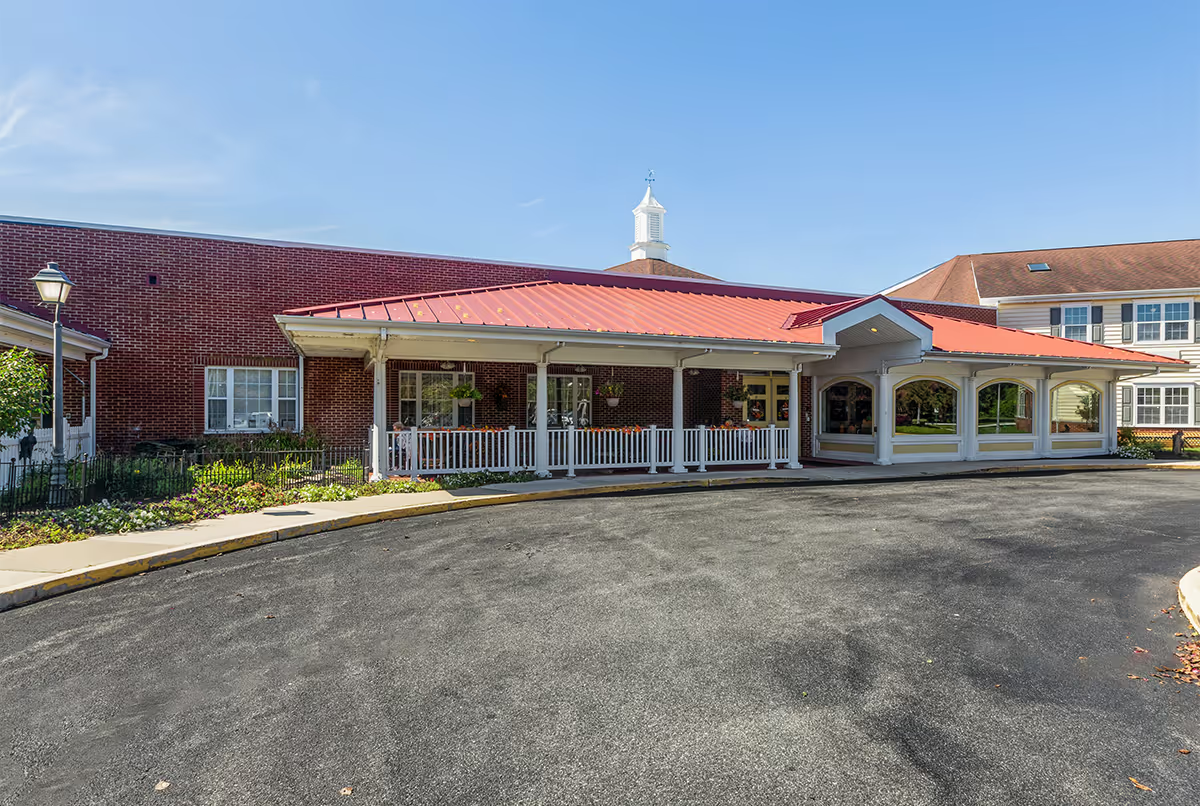
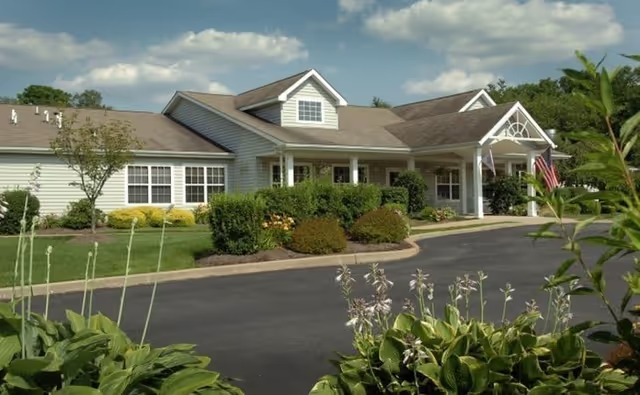
Facilities and housing options receive strong positive remarks: private apartments, cottages, and hotel‑style suites are described as clean, attractive, and thoughtfully appointed. Dining and food service are also highlighted as a community strength — multiple dining venues including a bistro, well-presented meals, and organized luncheons contribute to a social dining environment. At the same time, several comments point to menu management opportunities, specifically that some dishes can be high in sodium, which prospective residents with dietary restrictions should review with dining staff.
The Moorings offers an active social program with numerous on‑site activities, off‑campus trips, and opportunities for residents to build friendships; reviewers cite long‑term resident satisfaction and a family‑like atmosphere. Management accessibility and the move‑in process are frequently praised: tours, personalized intake, and approachable leadership are described as facilitating transitions and providing reassurance to families.
Observed patterns of concern relate primarily to cost and operational consistency. The community carries a premium price point and entrance fees that some characterize as unaffordable for lower‑income seniors; prospective residents should confirm current fees and compare contract options. Operationally, feedback indicates variability in responsiveness to service requests and uneven helpfulness across staff or shifts; a subset of family accounts also described gaps in how acute clinical events were handled and how those events were communicated to families. Physical‑site considerations include limited parking and a layout that requires considerable walking, which may be a constraint for individuals with mobility limitations.
For families evaluating the Moorings, the dominant themes are high clinical capability, strong rehabilitation services, well‑maintained amenities, and a supportive community culture — balanced against premium pricing and occasional service‑consistency issues. Recommended due diligence: verify current financial terms, ask for details on staffing ratios and after‑hours clinical coverage, review dietary accommodations for sodium and other restrictions, and assess parking and pedestrian access relative to the prospective resident’s mobility. A tour and a meal remain useful ways to confirm fit, observe staff–resident interactions, and evaluate day‑to‑day responsiveness.