Reviews of Ocean Grove Post Acute are highly mixed, producing a dichotomous picture: many families praise individual staff members, therapy services, and activity offerings, while others describe operational shortcomings that affected clinical care, cleanliness, and communication. The facility appears to have active strengths in rehabilitation, social programming, and certain interpersonal aspects of care; at the same time, persistent inconsistencies across shifts and departments create uneven resident experiences.
Care and clinical services: Rehabilitation and therapy are frequently cited as strong points—skilled therapists and visible progress in post-acute stays receive repeated positive mention. Nursing and aide performance is uneven: numerous reviewers describe compassionate, attentive caregivers who provide personalized support, but many others report delays in responding to calls, short staffing on particular shifts, and gaps in clinical management (including medication choices and diagnostic follow-up). There are also several reports of concerns serious enough to prompt family escalation and regulatory involvement; families should review the facility’s most recent regulatory history and ask specific clinical questions at admission.
Staff and communication: Staff interactions range from exemplary to problematic. Positive comments highlight respectful, helpful nurses, CNAs, and admissions/social-work staff who make transitions smoother and maintain clear communication. Conversely, other accounts describe poor communication from business/admissions offices, slow responses to phone inquiries, inconsistent social-work follow-up, and episodes of unprofessional conduct. These differences often appear shift-dependent; prospective families should ask about staffing ratios and who covers key shifts.
Dining and nutrition: Experiences with meals are inconsistent. Several reviewers applaud generous portions and enjoyable meals, while others report lack of adherence to prescribed diets, limited protein in meals, and quality issues. Families with strict dietary or allergy needs should verify menu practices and dietitian involvement before placement.
Activities and social life: Activity programming is a clear strength for many residents: bingo, hymn sings, live music, recognition events, volunteer projects (quilts, veteran recognition), and other social opportunities are commonly praised and appear to contribute positively to resident engagement and morale.
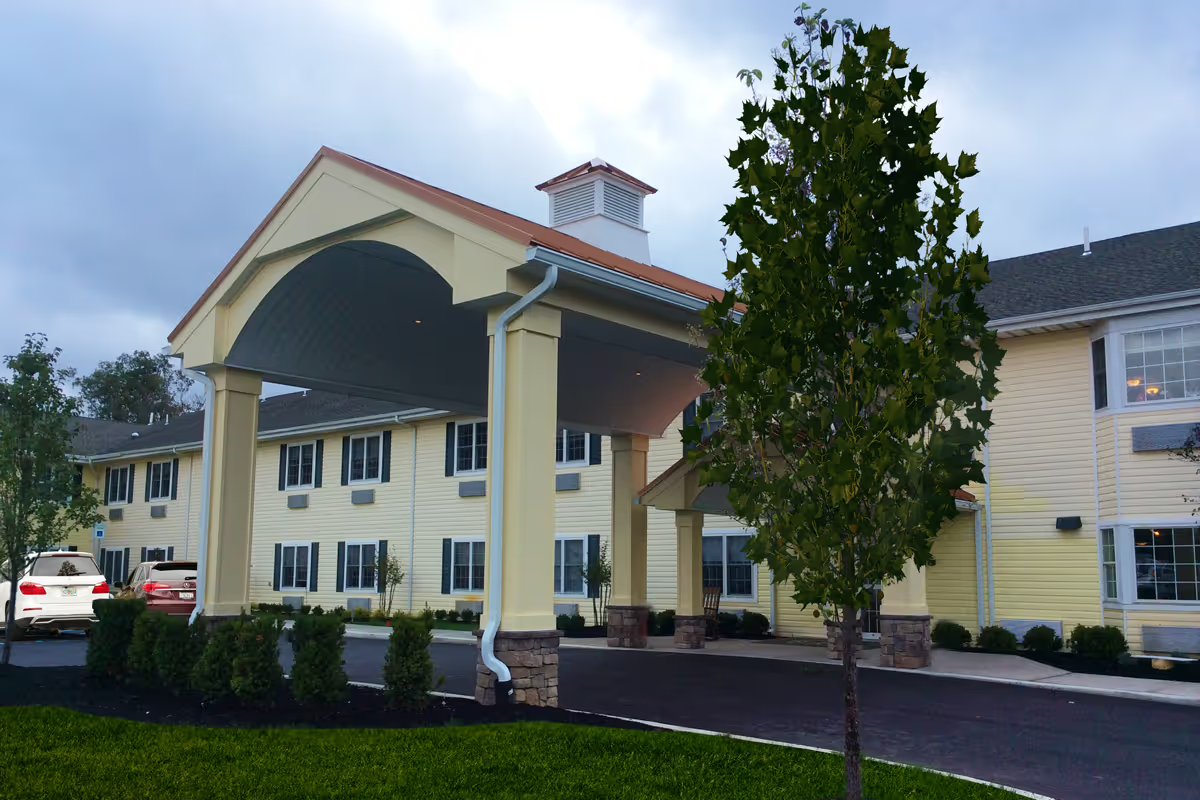
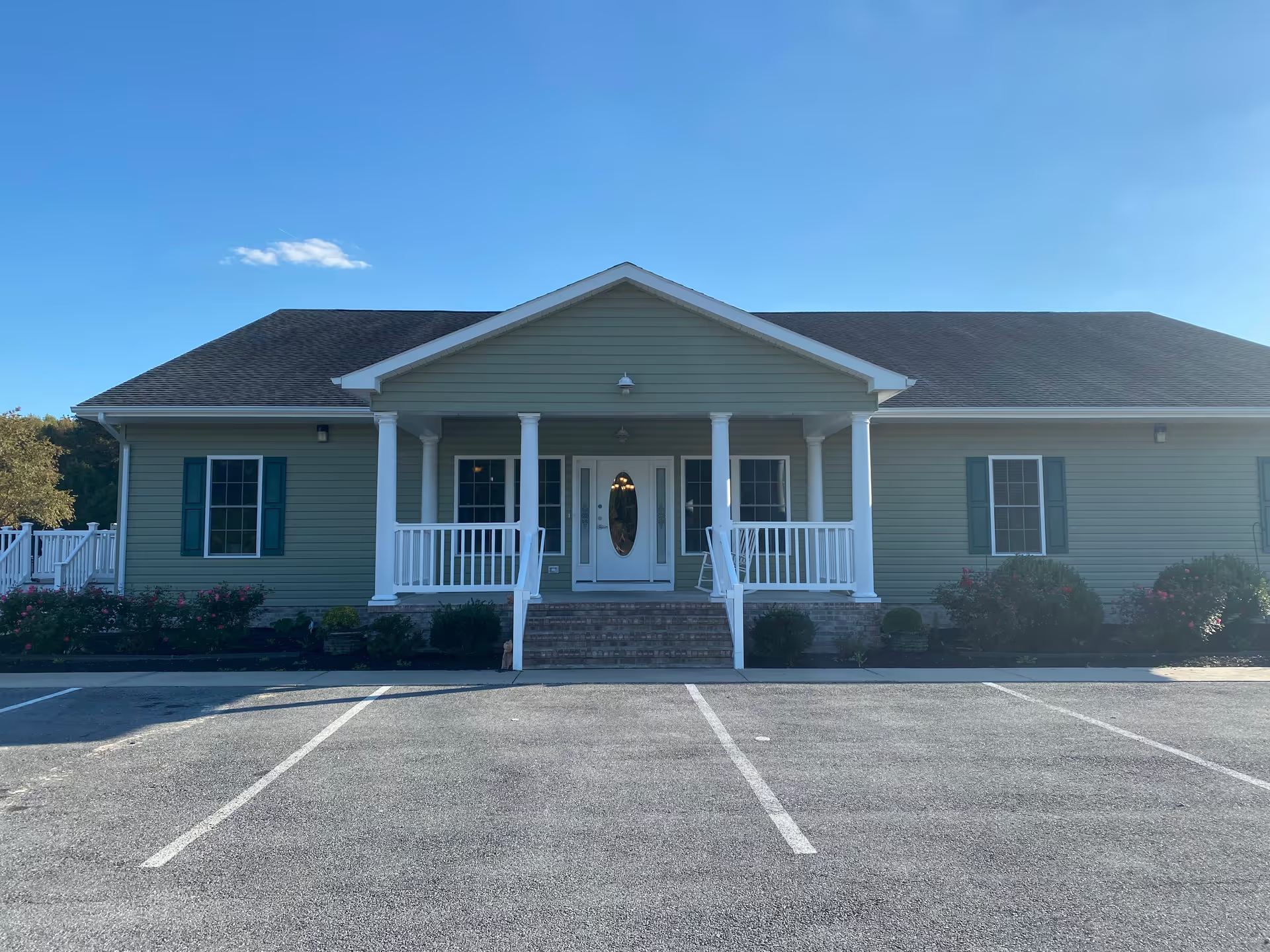
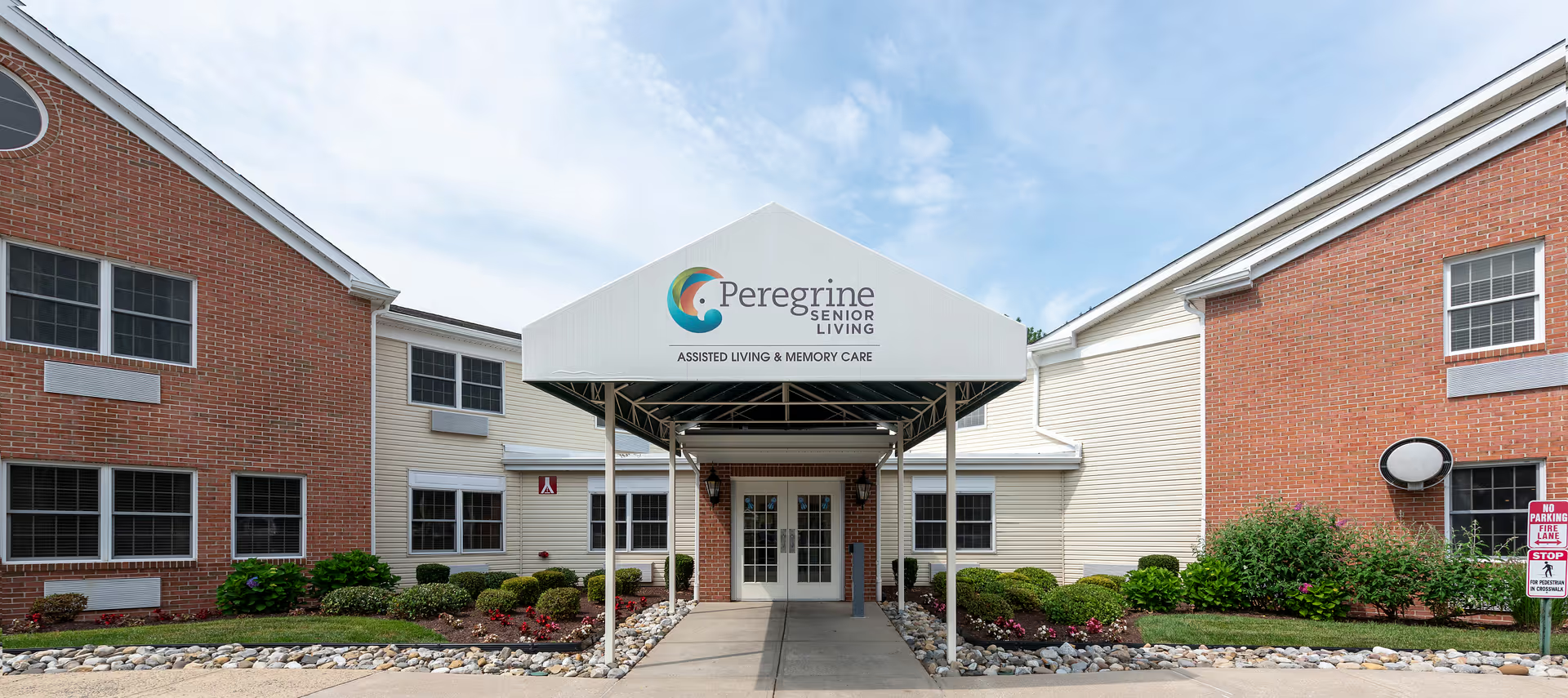
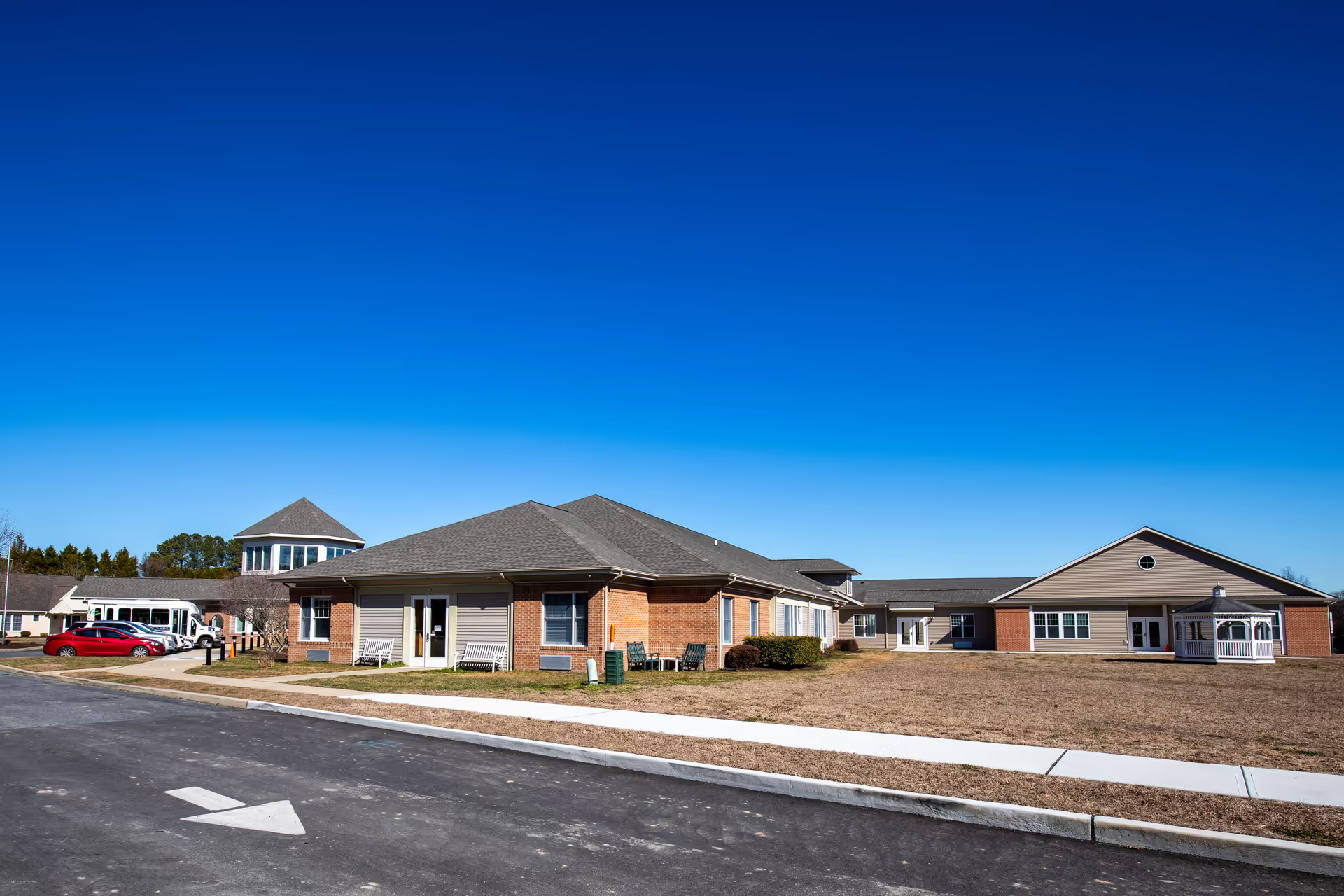
Facilities and maintenance: The physical plant shows both improvements and deficits. Positive notes include renovated interiors, attractive common areas, and completed exterior painting. Negative patterns include small or dated resident rooms, delayed maintenance requests, functional issues with beds and wheelchairs, and accessibility challenges in parking and drop-off areas. Pest-control concerns and cleanliness inconsistencies are raised frequently enough that prospective families should inquire about recent pest-control contracts and routine cleaning audits.
Management and operations: Several reviewers credit new leadership with visible improvements, responsiveness, and a more positive atmosphere. At the same time, recurring operational issues are reported: billing and discharge communication problems, slow or unhelpful business-office responses, and variable oversight of day-to-day clinical processes. There are mentions of regulatory complaints and threatened legal action in extreme cases; prospective families should request the facility’s plan of correction history and ask how management tracks and resolves serious complaints.
Notable patterns and recommendations: The pattern across reviews is one of high variance—excellent care and engagement in some units or shifts, and concerning lapses in others. Prospective residents and families should tour the specific unit, meet shift supervisors, review recent inspection reports, ask about current staffing levels and contingency plans, confirm dietary accommodations, and request documentation of maintenance and pest-control schedules. When placement is unavoidable, regular family involvement and clear expectations about communication and care plans can help identify and resolve issues early.