Overall impression: Reviews of Encore at Parkside/Millcroft are highly polarized, with a substantial proportion of families and residents describing positive, person-centered experiences while a distinct set of accounts raises significant operational and clinical concerns. Strengths emphasized include a warm social environment, robust therapy services, appealing dining and activities, and numerous staff members who are praised for compassion and reliability. Conversely, other comments describe inconsistent clinical practices, communication breakdowns, and maintenance or administrative shortfalls that warrant careful investigation by prospective residents and their families.
Care and clinical services: Many families praised the facility's rehabilitation and therapy teams, citing effective PT/OT that contributed to functional improvement and safe discharges. Several clinicians and aides were named positively for hands-on care and discharge coordination. However, there is a clear pattern of inconsistent clinical quality: complaints include frequent medication changes without clear family communication, missed diagnostic follow‑up, concerns about wound and infection monitoring, and instances where short‑term rehabilitation objectives appeared to give way to long‑term placement priorities. Prospective families should ask about medication‑management protocols, wound and infection surveillance practices, and how the facility documents and communicates clinical changes.
Staff and communication: Numerous reviews highlight caring, engaged staff, helpful admissions coordinators, and an active social-director presence that supports resident quality of life. At the same time, others report variable staff responsiveness (including call‑light delays), inconsistent social‑work engagement, difficulty obtaining medical records, and problems with informed consent and documentation. Communication appears uneven across units and shifts; families may want to clarify escalation pathways, staffing patterns, and access to clinical and administrative records during their assessment.
Dining and activities: Dining is frequently cited as a strength — varied menus, tasty meals, and attentive kitchen staff that accommodate preferences. The community offers a broad activity calendar (bingo, Bridge, social events, hairdresser, outings) and many residents describe a lively, social atmosphere. That said, there are documented instances of diet‑modification errors and meal‑service lapses (for example, inconsistencies in implementing texture or beverage protocols), so verification of dietary accommodations for clinical needs is advisable.
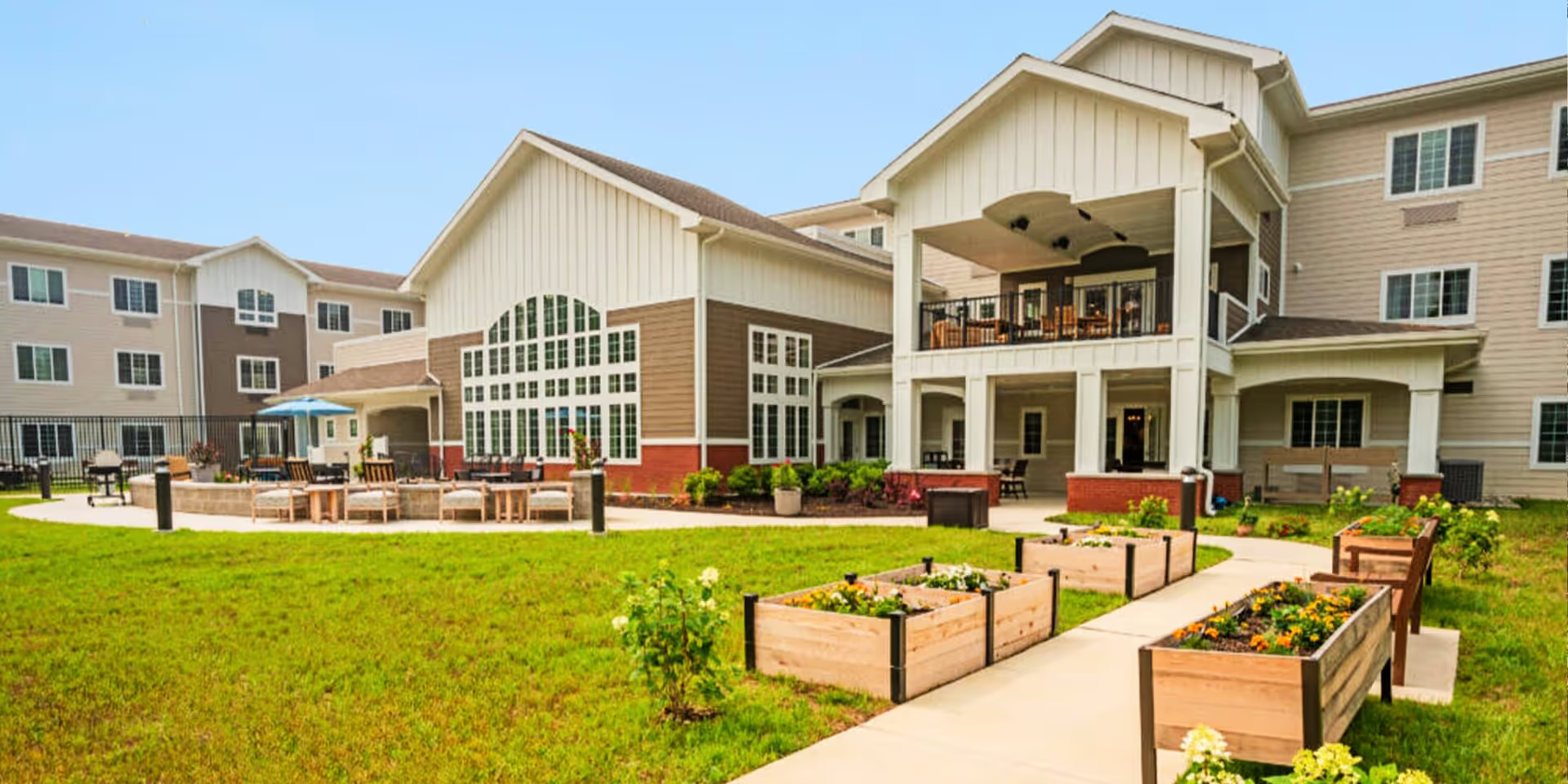
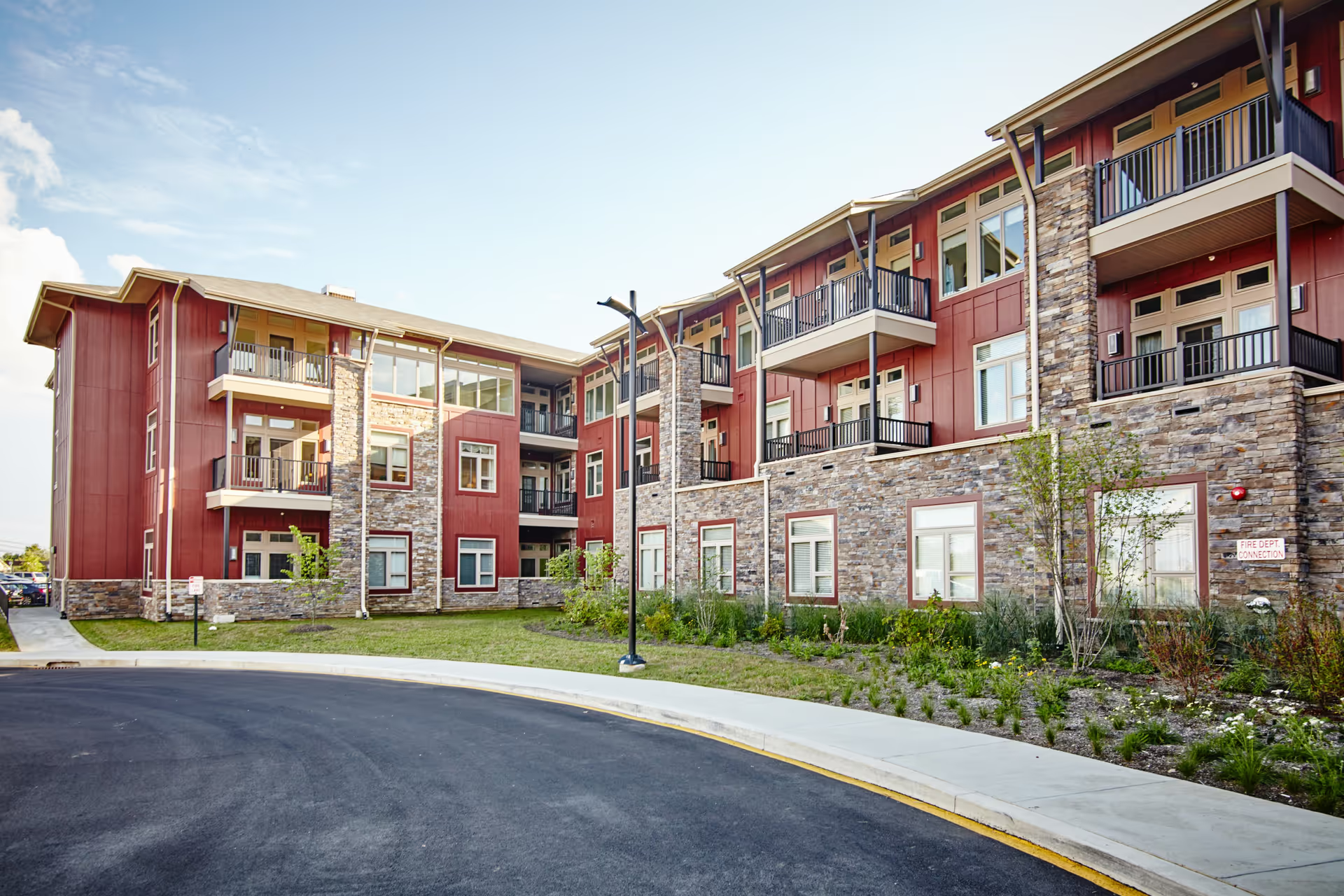
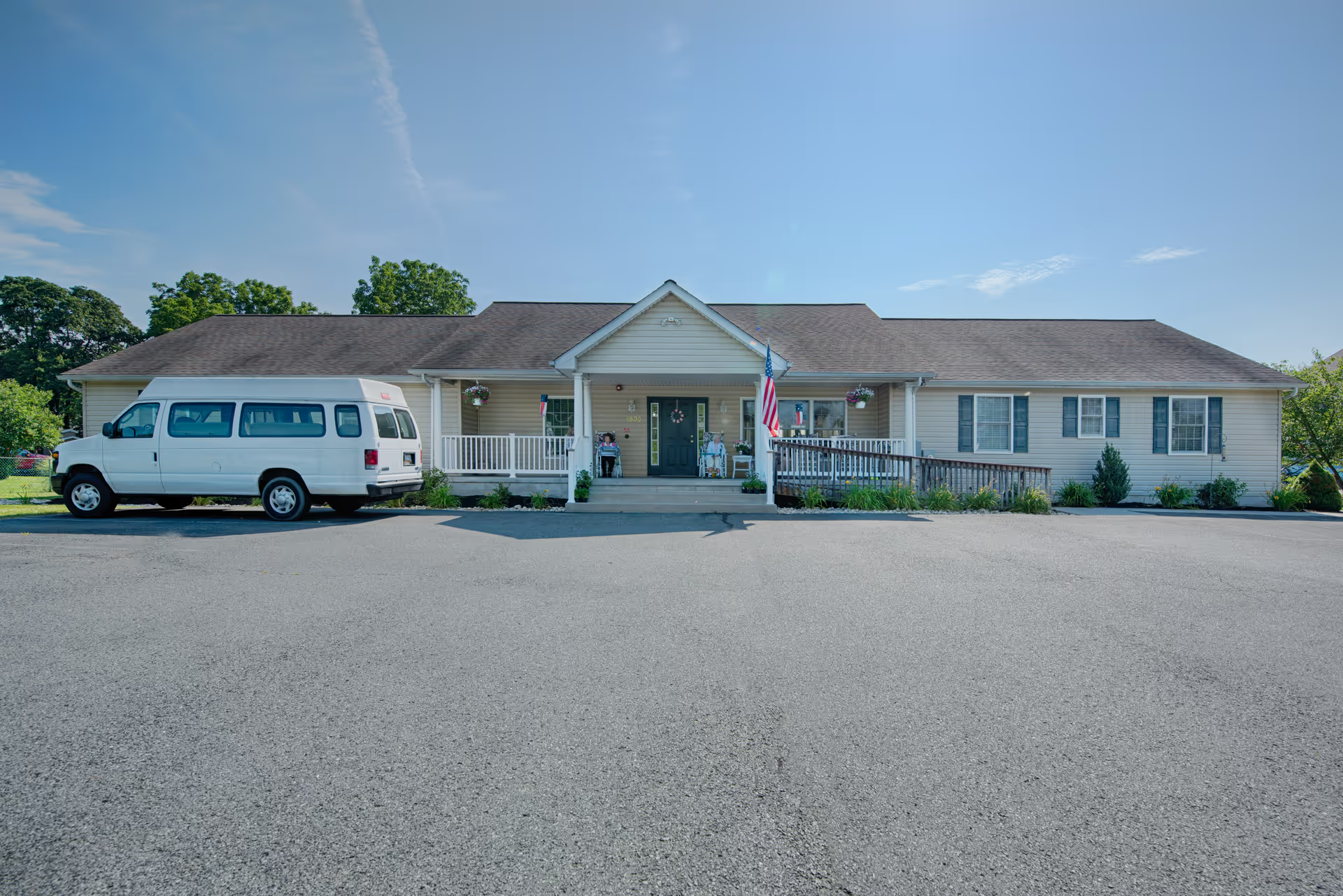
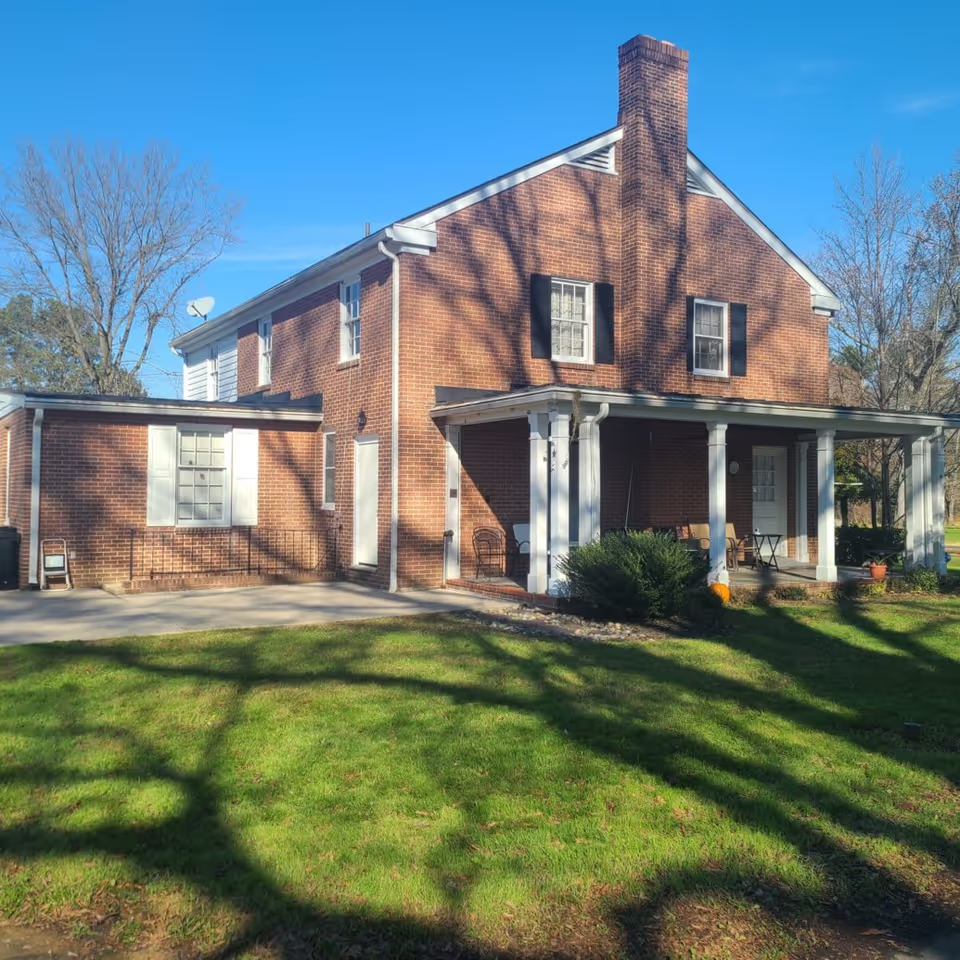
Facilities and environment: The campus and common areas are often described as attractive, well‑kept, and appropriate for downsizing; apartments and outdoor spaces are also praised. Contrasting accounts raise concerns about room cleanliness and maintenance in some units, HVAC/temperature control failures, and isolated building‑maintenance issues (including mold/air‑quality concerns in a few reports). There are also repeated notes about missing personal items and limited surveillance in some areas, indicating a need to confirm personal‑property procedures and security policies.
Management and administrative practices: Several reviewers commend engaged leadership, responsive management, and an open‑door approach to complaint resolution. Conversely, administrative weaknesses appear in other accounts: inconsistent billing experiences, difficulty obtaining records, questions about consent processes, and uneven follow‑through on complaints. Infection‑control and vaccination consent practices were specifically cited by a subset of families as areas for clarification. Prospective families should review contract language, consent forms, billing policies, and the facility’s incident‑reporting and grievance procedures.
Notable patterns and advice for families: The dominant pattern is variability — many residents report excellent care and a high quality of life, while others experienced substantive lapses in clinical oversight, hygiene/maintenance, communication, and administrative follow‑up. When evaluating this community, visit multiple units and dining periods, meet therapy and nursing leadership, request written policies on medication management, wound and infection surveillance, informed consent, and personal‑property handling, and ask for recent inspection or quality metrics if available. These steps will help determine whether the facility’s strengths align with an individual resident’s clinical and personal needs.