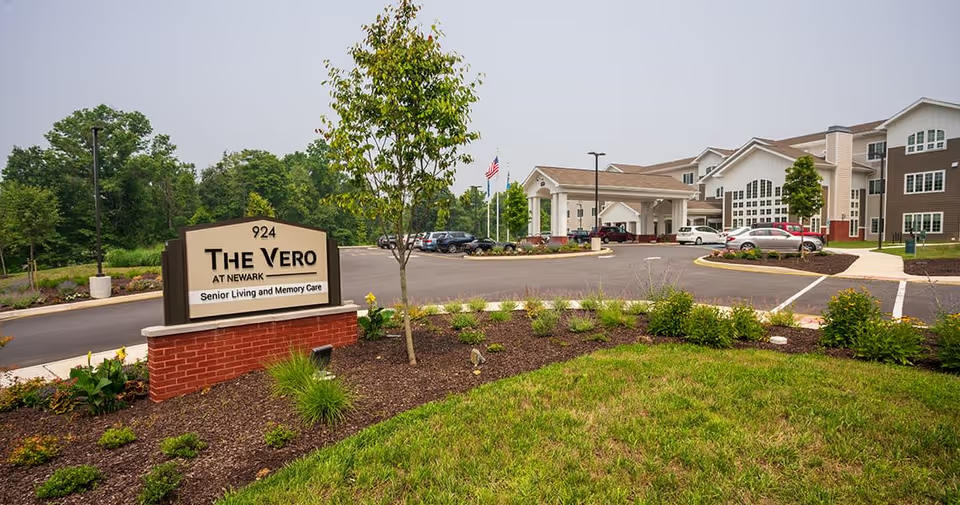
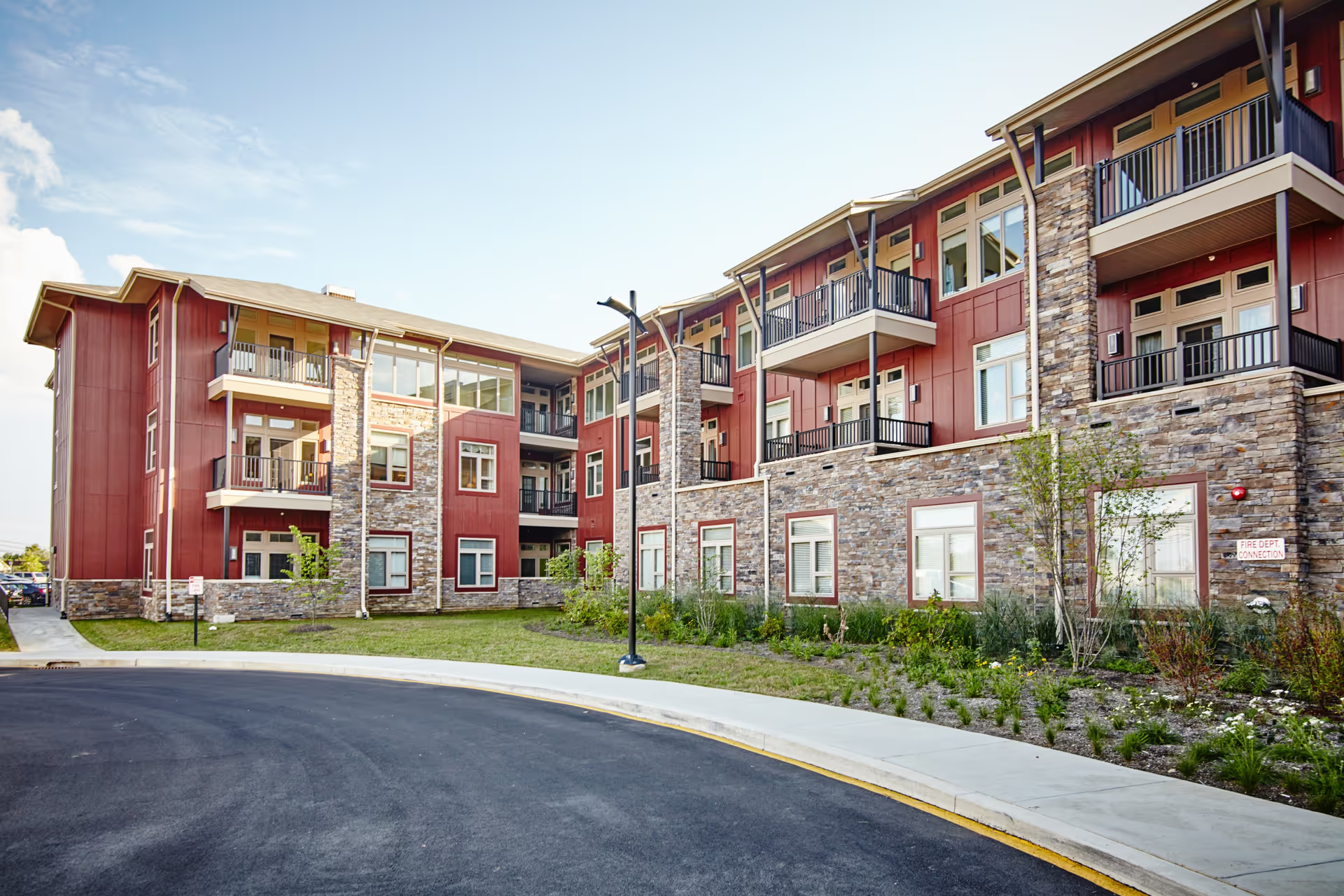
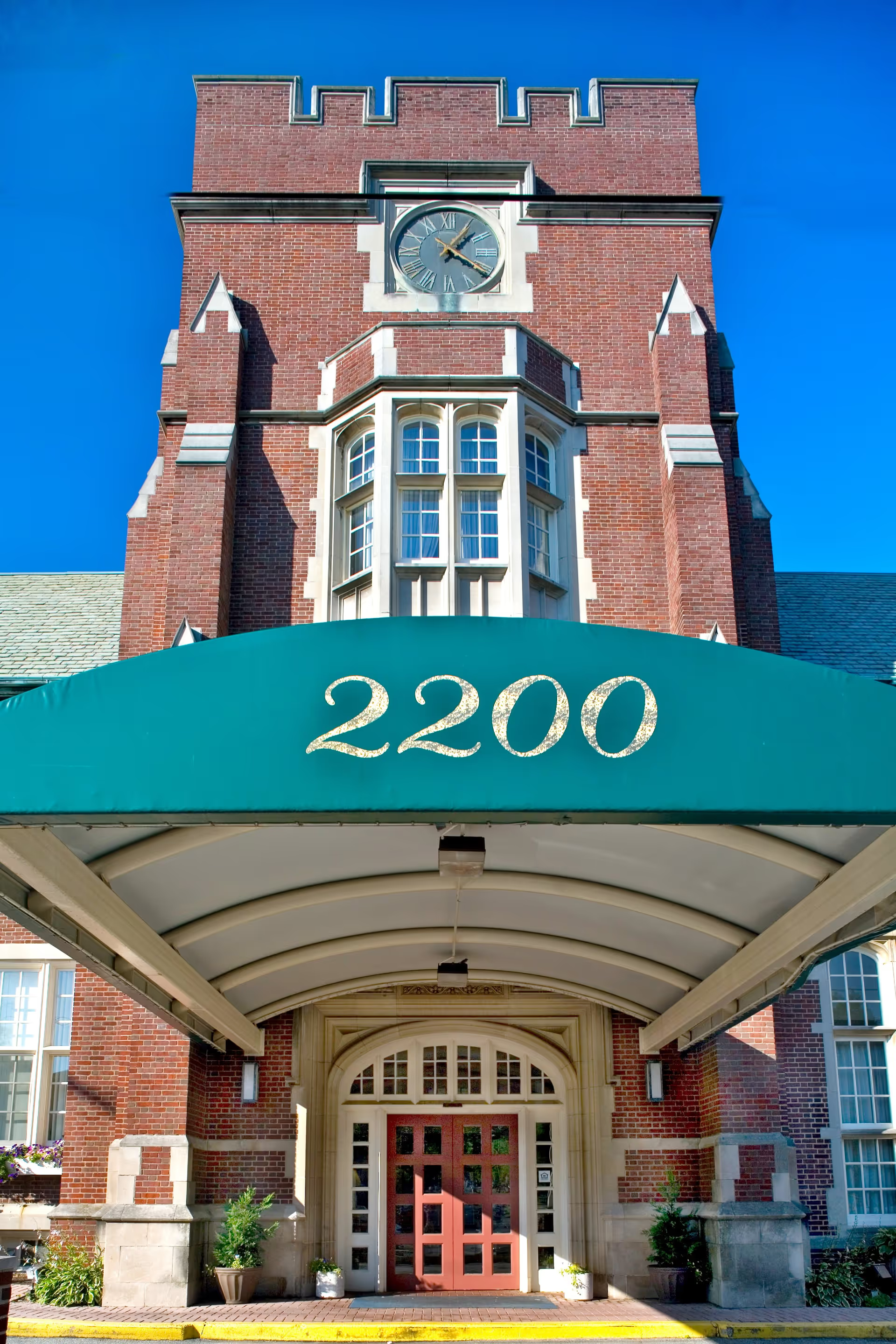
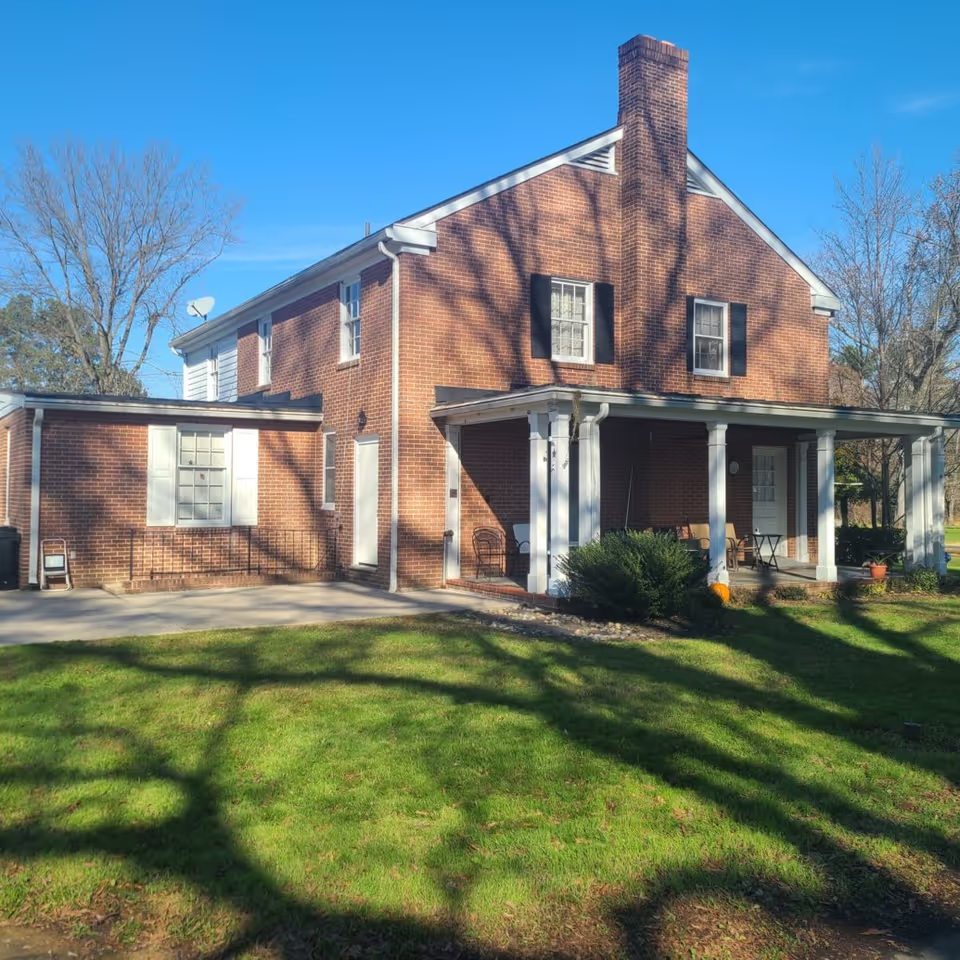
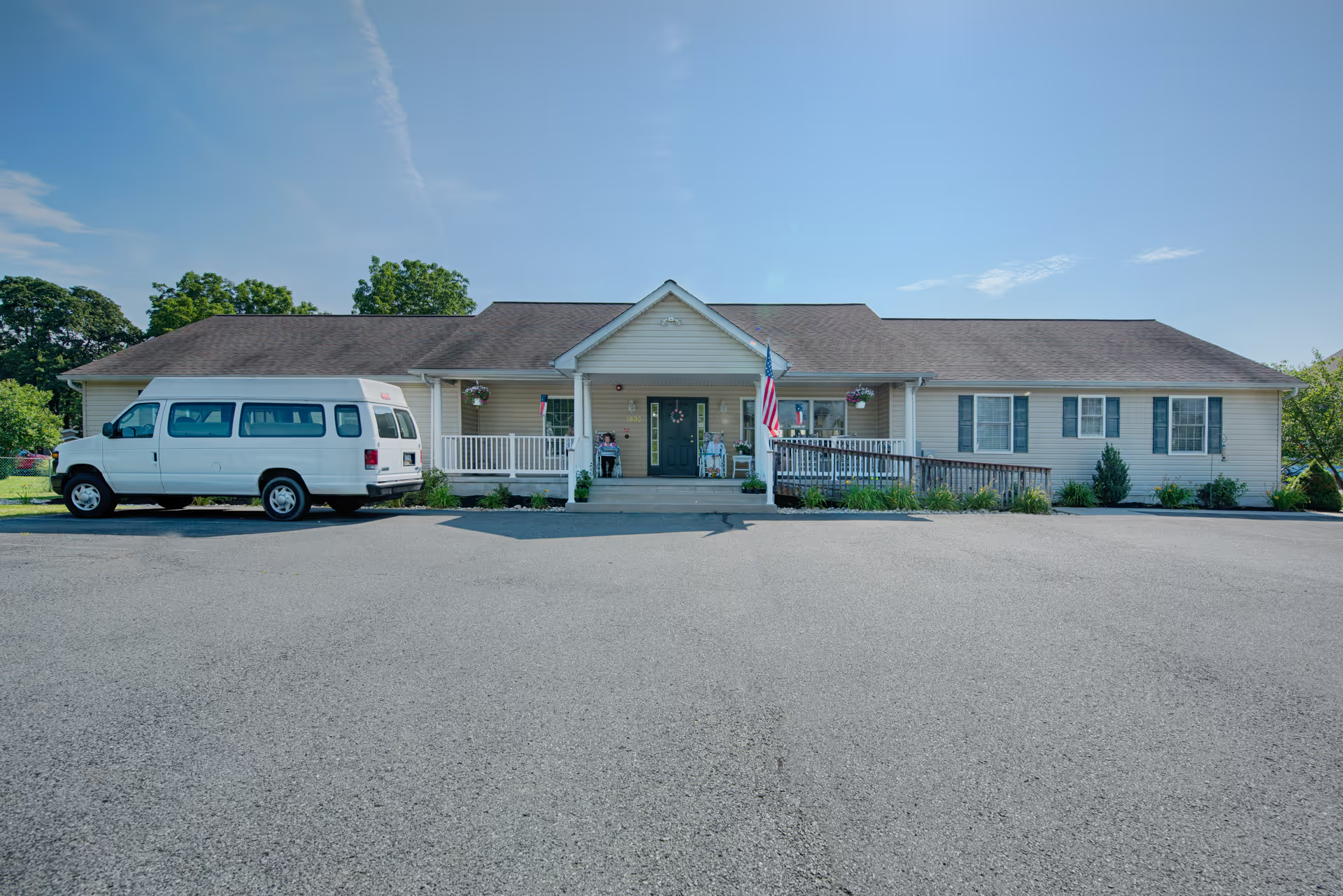
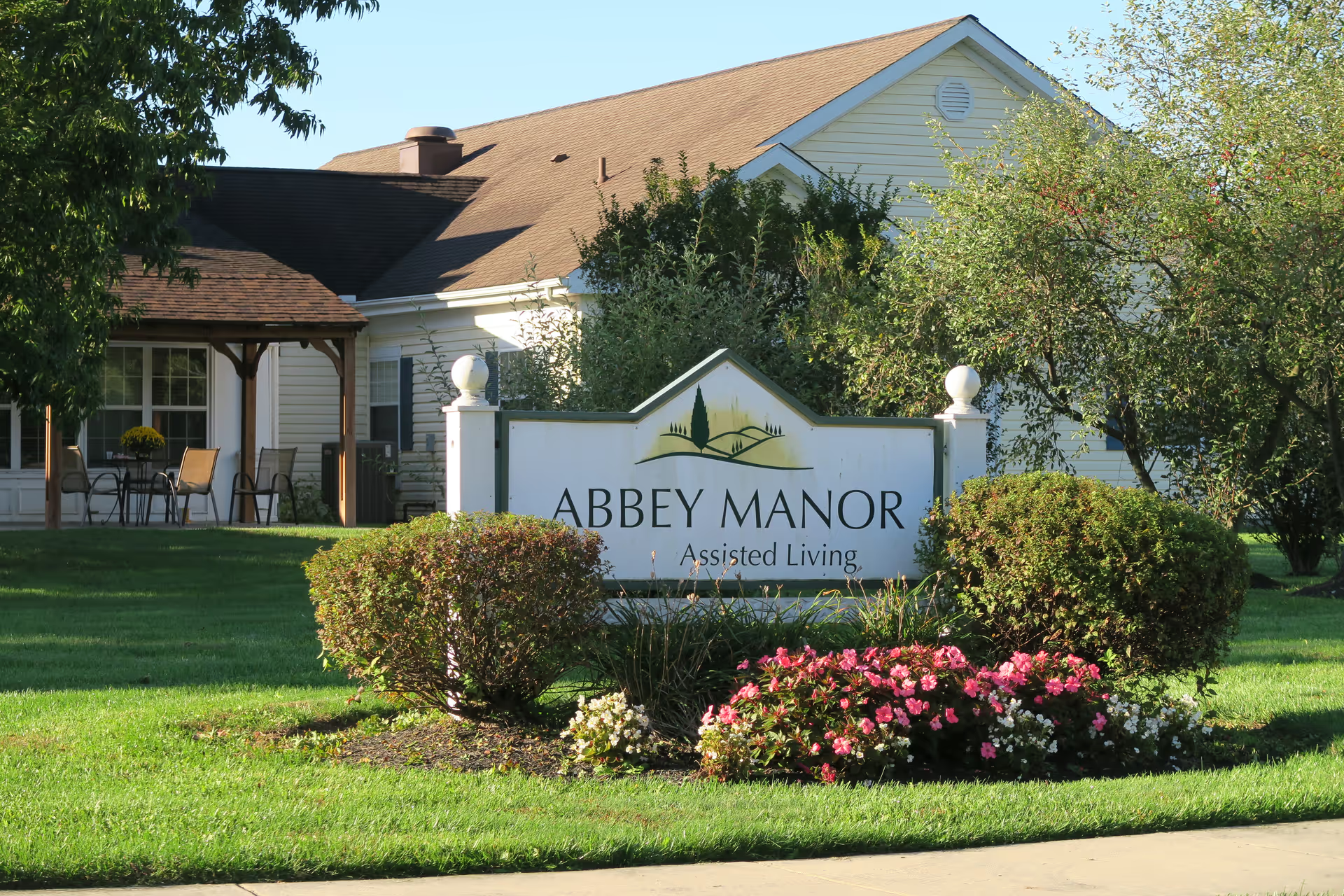
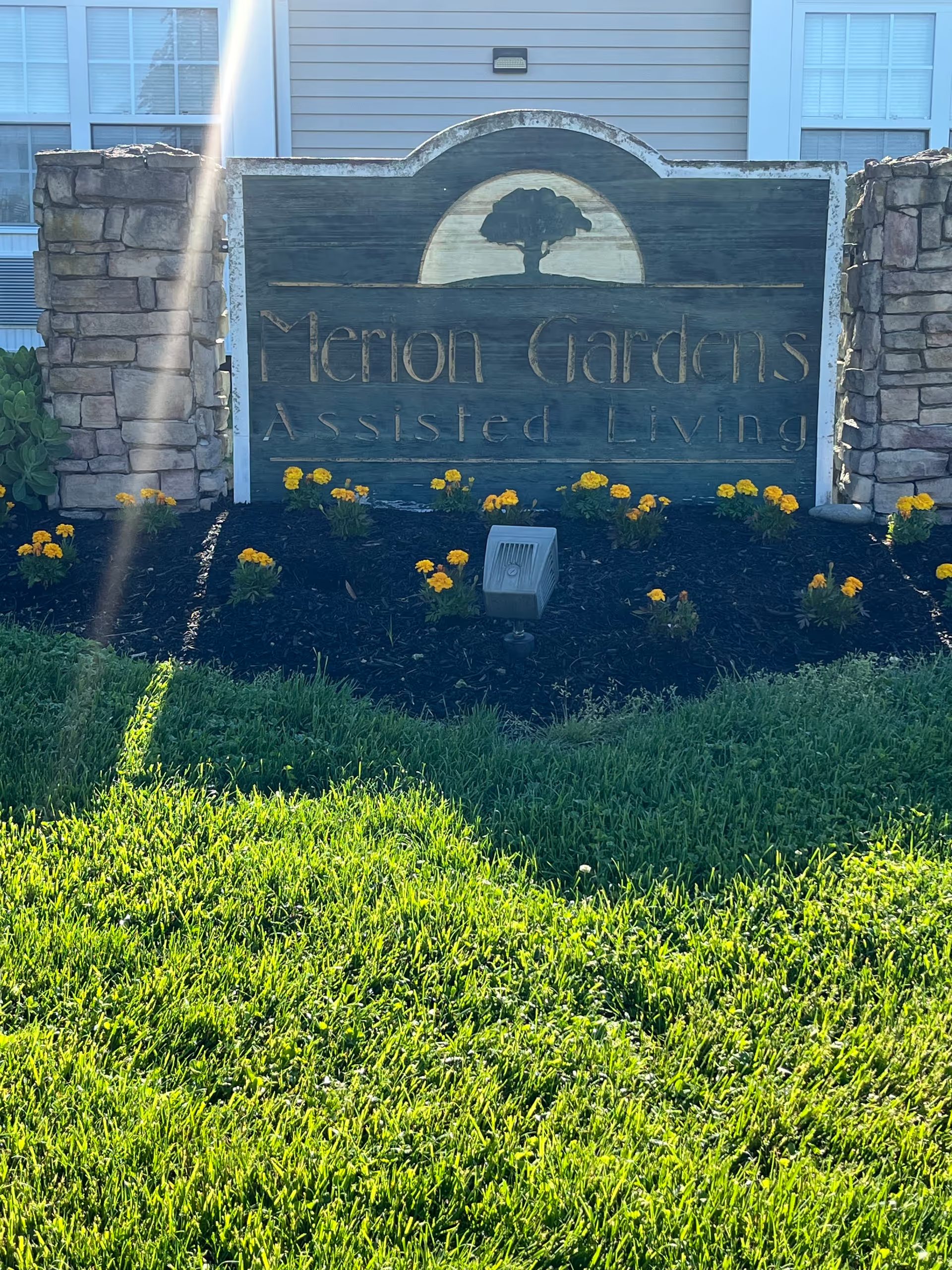
The reviews present a polarized but consistent picture: many families describe a clean, comfortable community with engaged staff and an active activity schedule, while a subset of experiences raises significant operational and clinical concerns. Overall, the physical environment is frequently praised — reviewers note well-kept interiors, a home-like neighborhood layout, and the ability to personalize rooms. The campus supports social dining, communal seating, and regular outings, and there are multiple references to homemade-style menu items and weekly specials that residents enjoy.
Staffing is a central theme with mixed assessments. Numerous accounts celebrate warm, attentive caregivers who know residents by name, an accommodating front office, and strong short-term rehabilitation/physical therapy services. At the same time, reviewers describe variability in caregiver skill and conduct, late or inconsistent medication administration, and shortages during nights or after hours that can delay assistance. These operational inconsistencies are tied to staffing levels, training variability, and periodic turnover, which reviewers say affect day-to-day reliability and the continuity of programs.
Care scope and clinical capability appear to be important differentiators. The community offers memory-care programming with Montessori-based approaches and music therapy that are positively viewed, but several reviewers caution that the facility may be better suited to independent or mild-to-moderate needs rather than complex medical or advanced dementia care. Reviewers point to gaps in the handling of higher-acuity behavioral and medical situations and describe transfers or outside clinical interventions when needs exceed the community's services.
Dining and activities are often strengths: organized activities, exercise, arts and crafts, regular outings (lunch trips, ice cream, casino), and social events like happy hours are repeatedly cited as contributing to a lively community life. Yet dining-service consistency is uneven — while some residents praise taste and home-cooked items, others report cold meals, repetitive menus, and occasional lack of basic condiments or supplies.
Management and business practices draw mixed commentary. Several families appreciate responsive tours, follow-up calls, and management efforts to improve programming; others raise concerns about billing transparency, unexpected charges at move-in or discharge, and price increases. Facility maintenance is generally acceptable, but there are notes about variability — some areas and units feel newer and better maintained than others.
Taken together, the pattern suggests Somerford House / Place Newark can offer a pleasant, socially active environment with strong rehabilitation services and memory-care programming for residents with mild to moderate needs. Prospective residents and families should investigate care protocols and operational details before committing: ask about medication-management procedures, staffing levels for evenings and nights, training for memory-care staff, billing and fee schedules, and how the community handles higher-acuity medical or behavioral events. Observing the facility during meal times and evening shifts, and requesting references from families of residents with similar care needs, may help assess whether the community’s strengths align with a particular resident’s requirements.