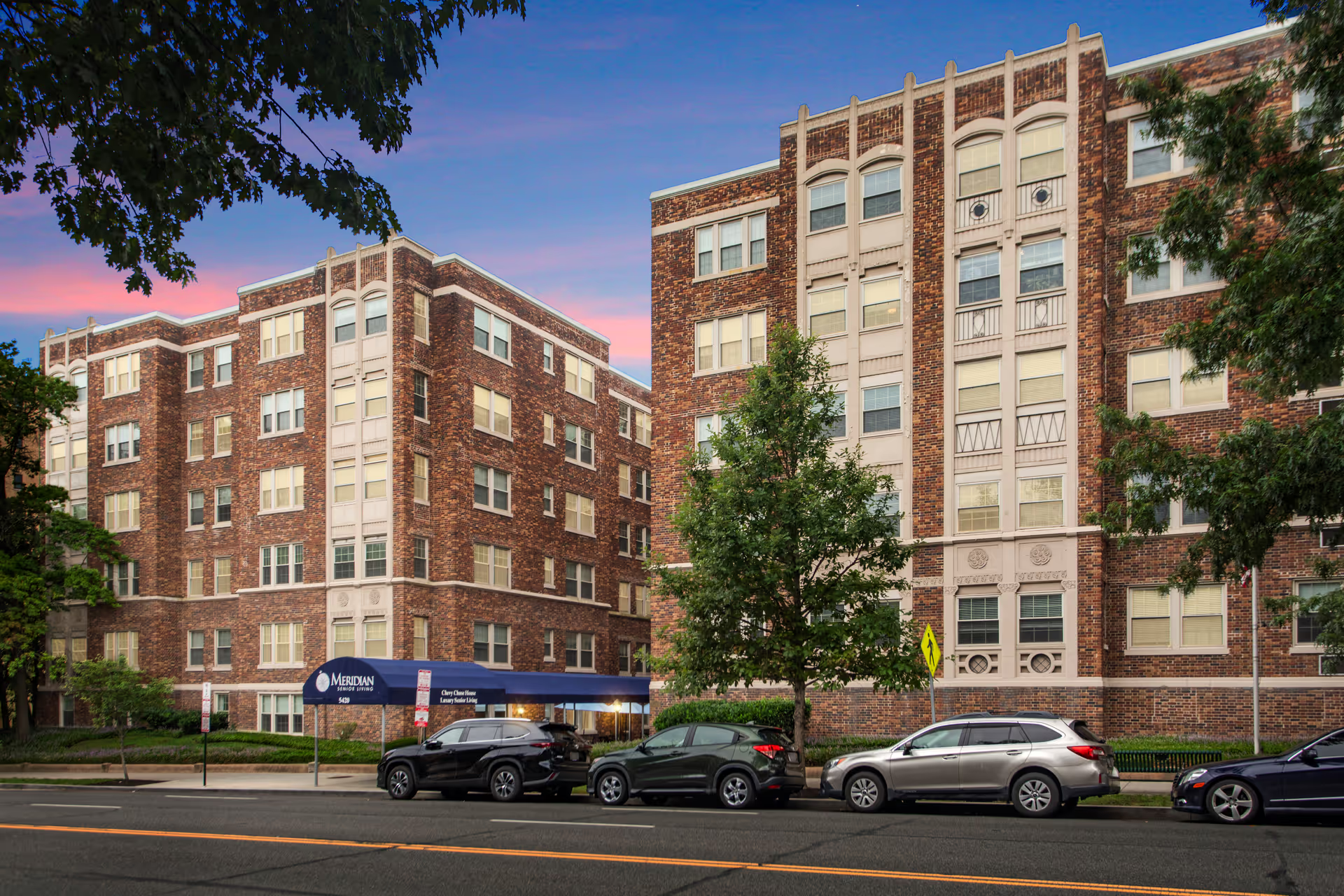
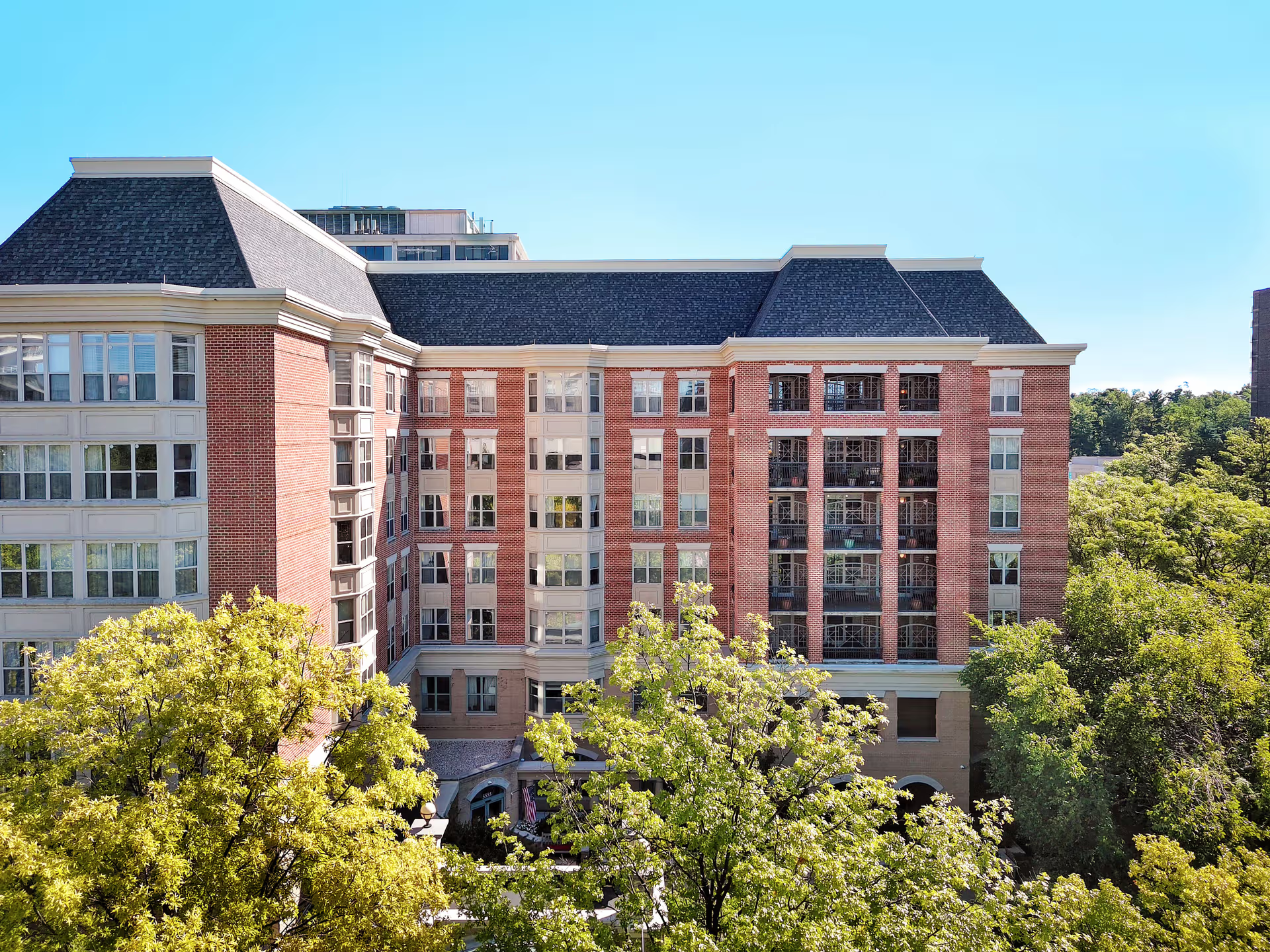
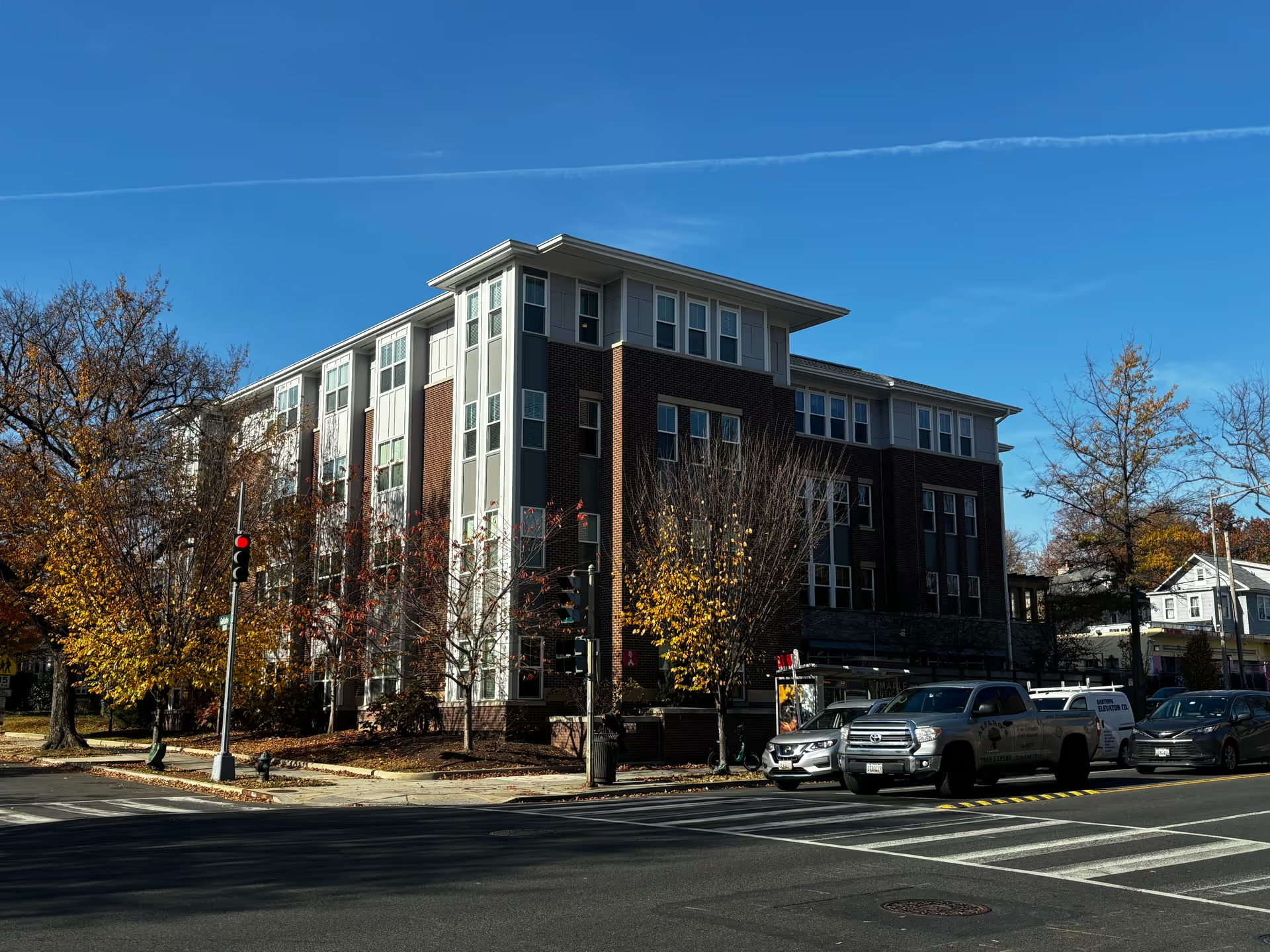
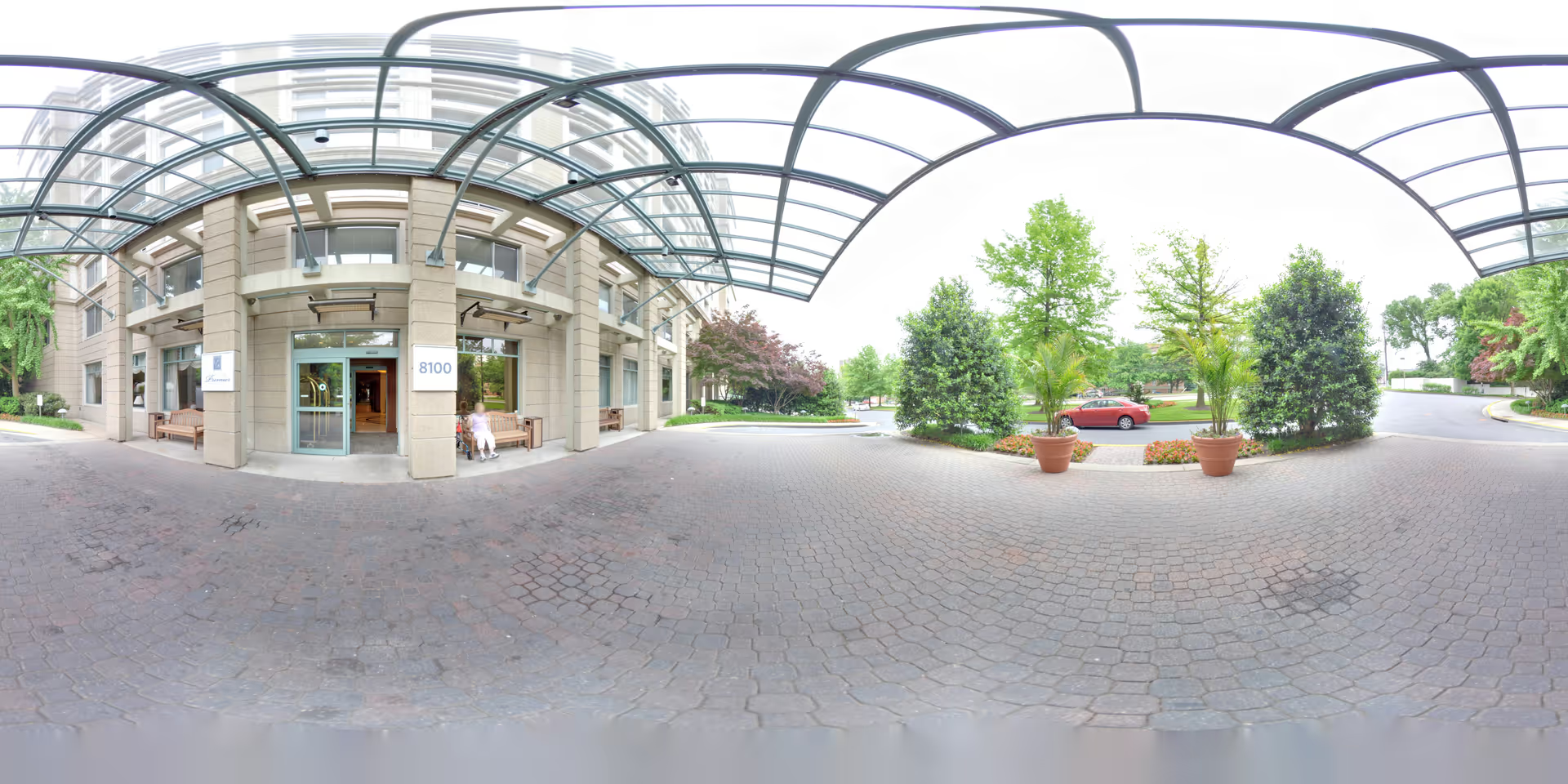
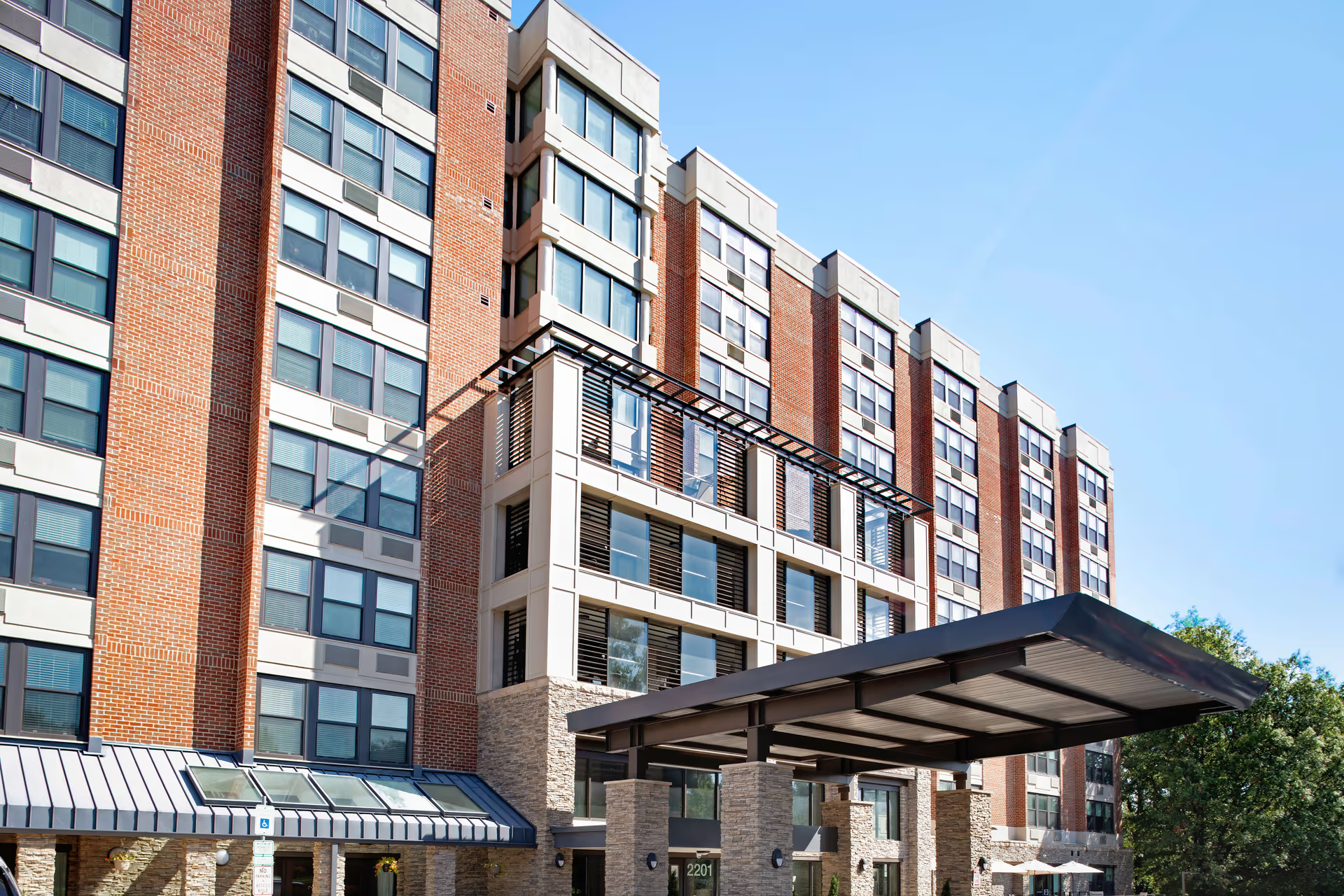
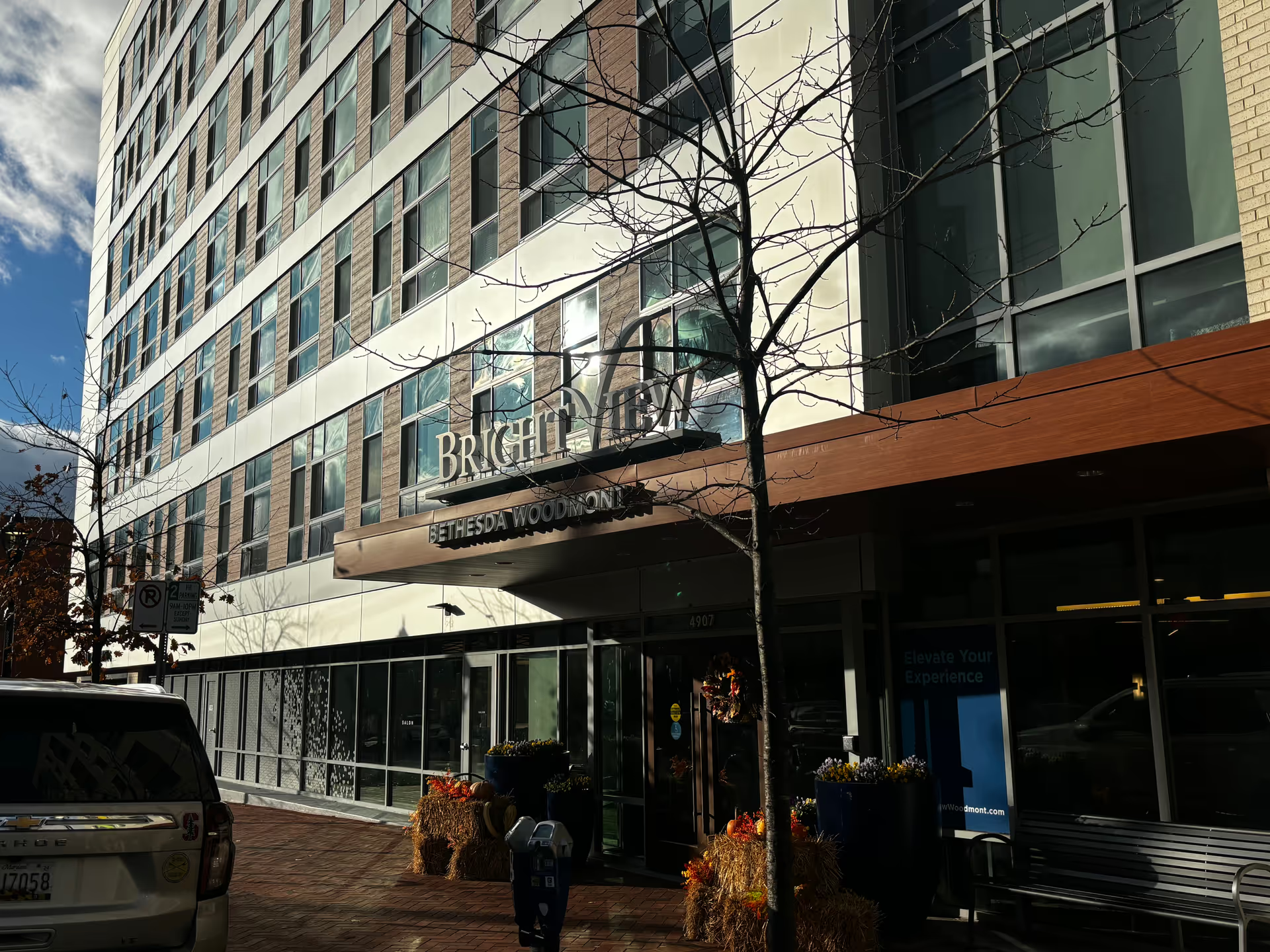
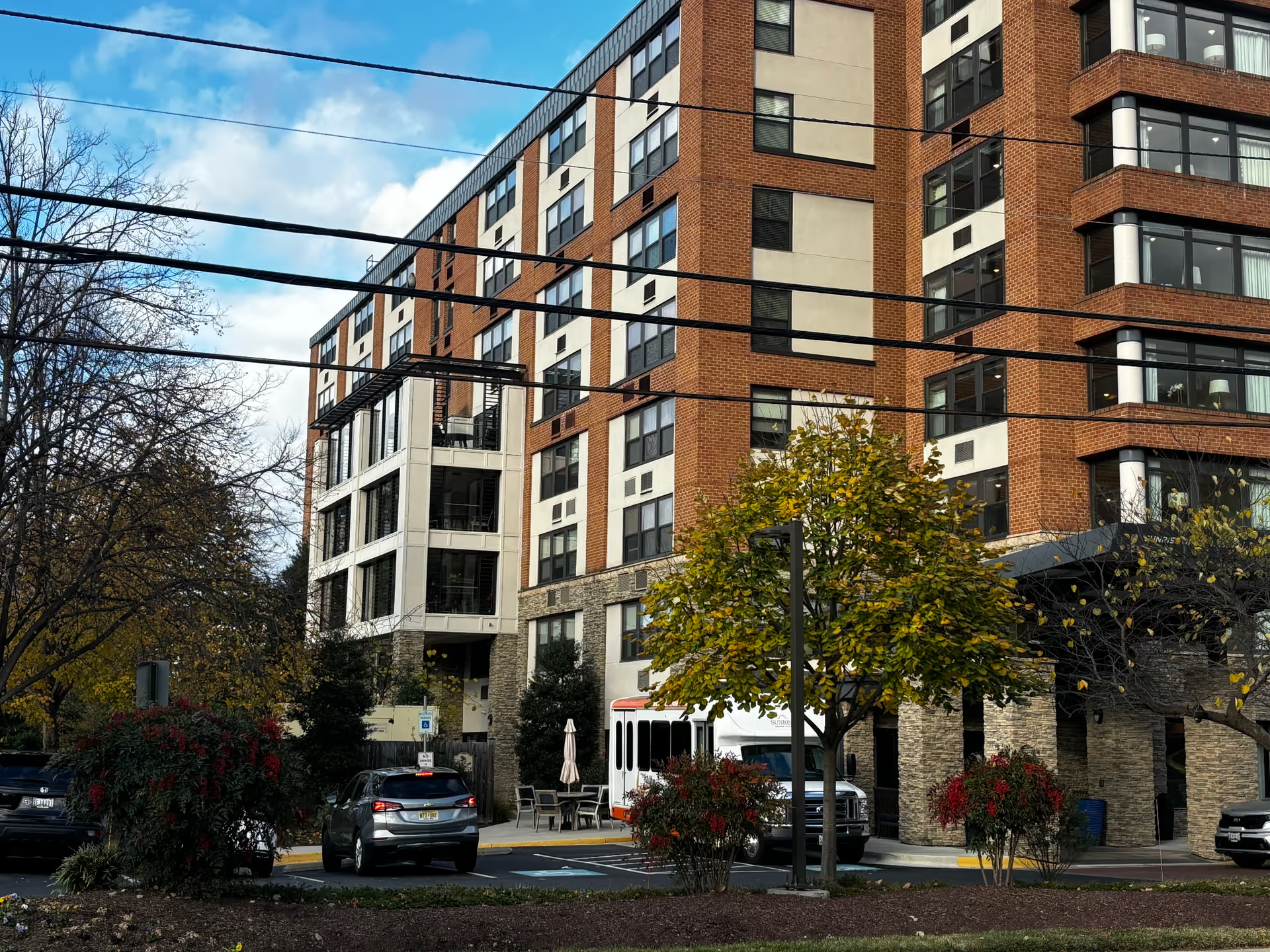
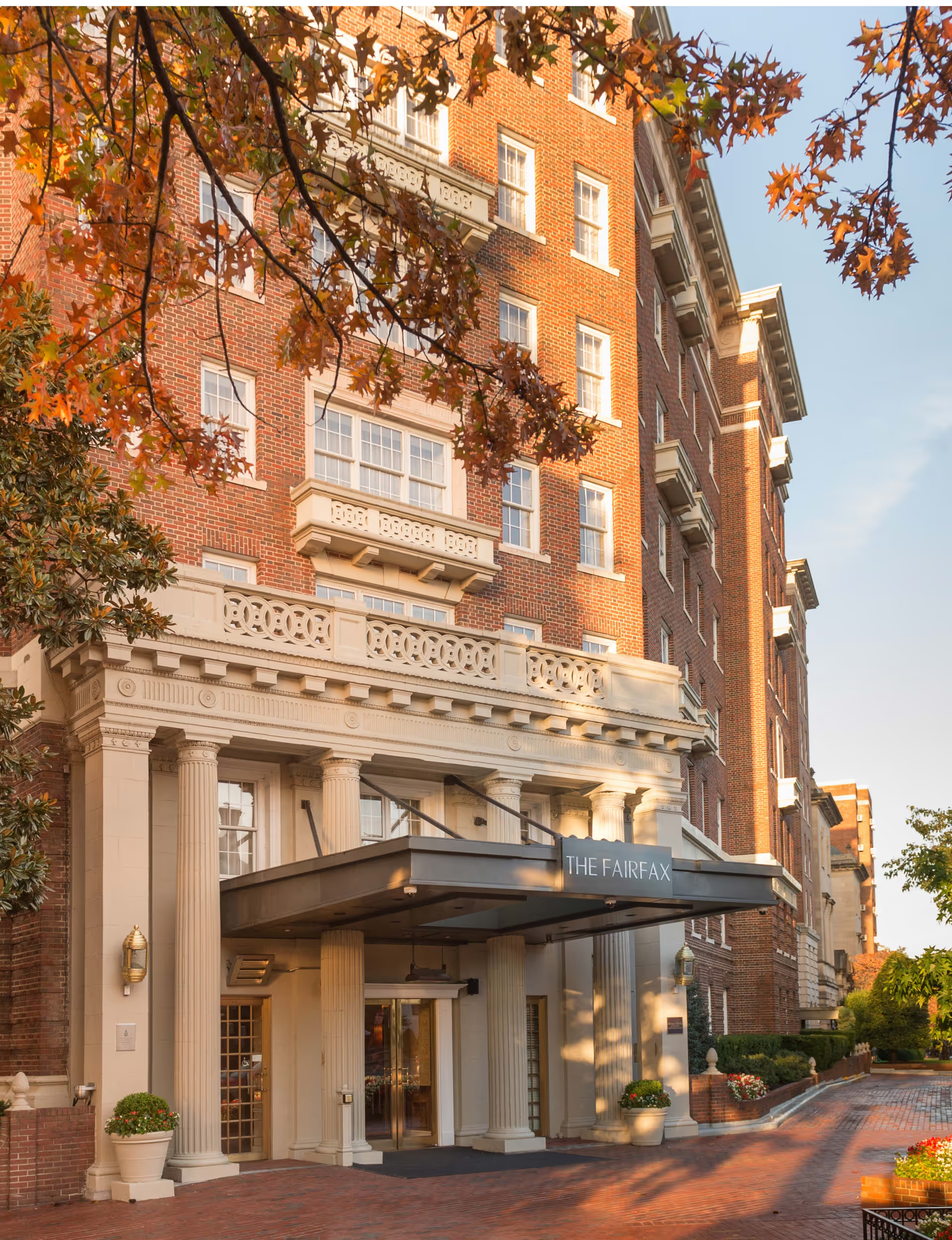
Forest Hills of DC is presented as a neighborhood-oriented senior living community with a number of operational strengths alongside some consistent operational concerns. The property is located in upper northwest Washington, D.C., with attractive outdoor landscaping and gardens. The building is described as older but generally well maintained; apartments are noted as large and equipped with full kitchens. The dining area receives frequent praise for its atmosphere and varied, nutritious menu offerings. Families commonly describe the food as appealing and the dining program as a positive aspect of daily life.
Clinical services and rehabilitation are prominent strengths in many accounts. Reviewers commonly reference on-site nursing, an on-site health center, and physical/occupational therapy capabilities. Several families credited the facility’s rehabilitation program and therapists with clear functional gains, including stepwise progressions from bed to chair to walking. Staff are often described as knowledgeable about clinical issues such as diabetes management, and there are programs in place to collaborate with outside agencies and families on care plans.
Staff and culture are described in mixed terms. Many reviewers emphasize a warm, family-like atmosphere: staff who know residents by name, accessible leadership (including admissions and executive staff), prompt communication, and an event/coordinator-driven activity schedule that supports a lively social calendar. Activities cited include music, Bingo, card nights, walks, and intergenerational events. At the same time, other reviewers describe inconsistent staff performance, with concerns ranging from limited engagement to conduct and communication tone that families found problematic. These divergent accounts point to variability in day-to-day caregiving quality rather than a uniform staff profile.
Care limitations and operational weaknesses emerge as recurring themes. Several reviewers flagged gaps in dementia-specific training and difficulties managing residents with cognitive impairment; families cautioned about the facility’s ability to meet complex behavioral or wandering needs. There are also reports of delays in responding to ADL needs and occasional rehab or service scheduling delays. Related operational issues include a perceived lack of robustness in the complaint-resolution process and constrained capacity for some higher-acuity skilled-nursing admissions.
Facility logistics and cost considerations are mixed. The community is described as offering a continuum of care, but some noted limited intermediate-level options and price increases when acuity rises. Guest parking is limited due to staff parking allocations. While many families found the pricing reasonable relative to alternatives and appreciated transparent discussions during admissions, others emphasized that costs can rise substantially with higher levels of care.
For prospective residents and families: the facility’s strengths are its location, pleasant common areas, substantial apartment sizes, appealing dining program, accessible leadership, and documented rehabilitation capabilities. Important due diligence topics to raise during a tour include the community’s dementia-care training protocols and behavior-management practices, staffing ratios and consistency (especially for evenings/nights), average response times for ADL assistance, the complaint-resolution pathway, parking availability, and how pricing adjusts as care needs escalate. These targeted questions will help determine whether Forest Hills’ positive aspects align with a prospective resident’s clinical and social needs.