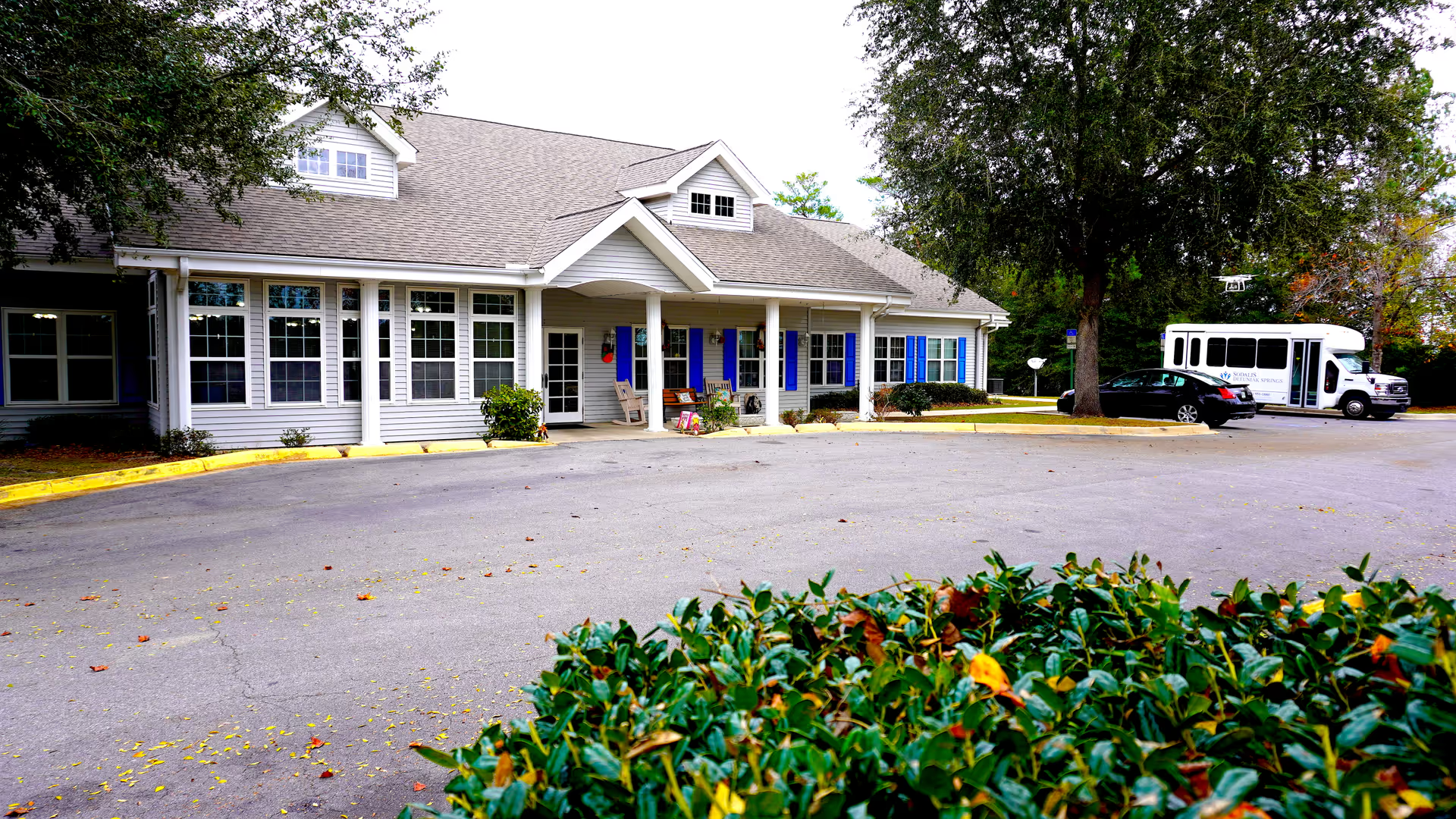
The reviews present a mixed but informative picture of Bonifay Nursing and Rehab Center. Many families and visitors praise the front-line staff — nurses, certified nursing assistants, therapists, and admissions personnel — for compassion, attentiveness, and strong rehabilitation work. Several accounts highlight positive clinical responses in urgent situations, clear communication during emergencies, and staff who go beyond expectations to support families and residents. The facility is often described as clean and well maintained, with a welcoming, relationship-focused culture and an admissions process that can put families at ease.
At the same time, a consistent pattern across the feedback points to operational weaknesses that affect day-to-day experience. Staffing levels and coverage were frequently cited as inconsistent, with specific concerns about delayed responses to call lights, gaps in night shift supervision, and insufficient monitoring that can contribute to safety incidents such as falls. Related themes include concerns about hydration status and weight loss, infection events (including urinary tract infections), and variability in medication and care-transition coordination. These items suggest unevenness in how routine care tasks and clinical monitoring are executed at times.
Dining and support services receive varied ratings. Several families praised the dietary team for accommodating special diets and noted positive meal experiences, while other comments referenced inconsistent food quality and problems with laundry or housekeeping. Activities and therapy services are generally described as a strength — active rehabilitation, social engagement, and daily programming were credited with improving resident quality of life — but transportation for offsite recreation or appointments is limited and sometimes constrained by infection-control policies.
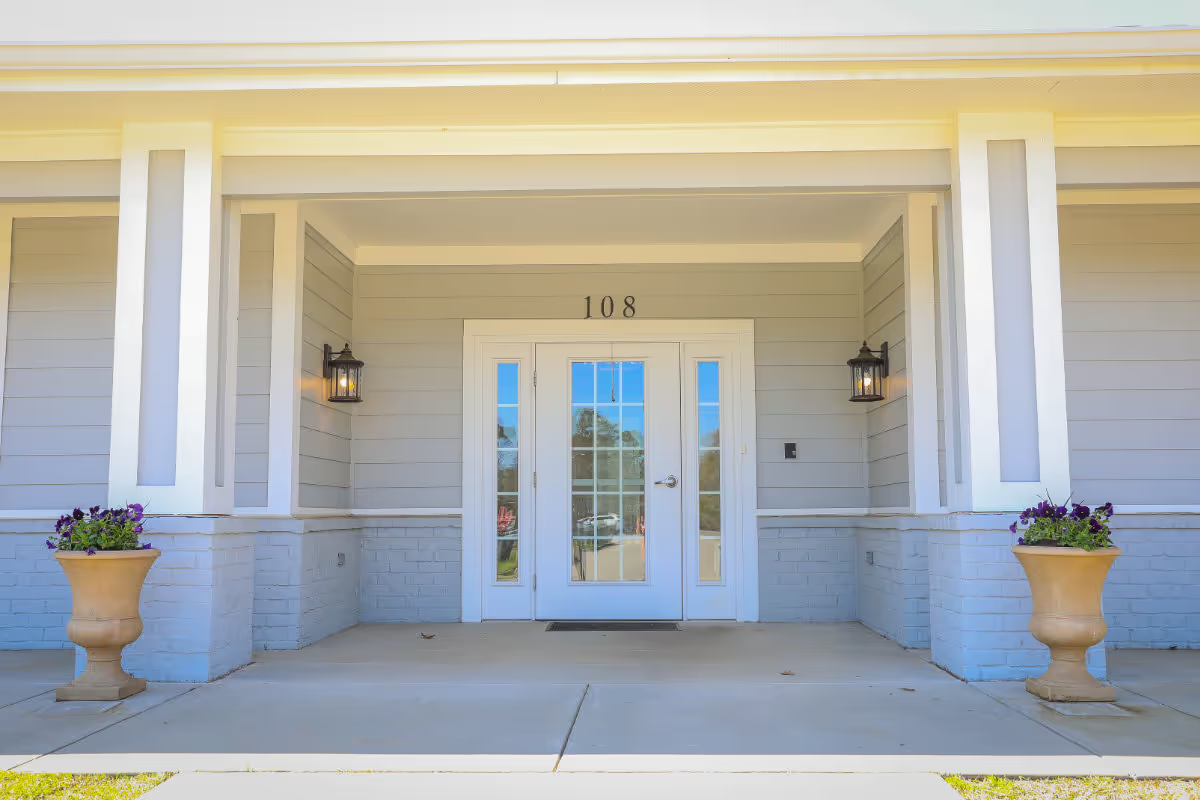
Facility layout and resident accommodations also present tradeoffs. Reviewers commonly describe the building as clean and inviting, yet note small shared rooms that reduce privacy and occasional sanitation or odor concerns in certain living areas. Family-centered practices such as flexible visitation, hospitality carts, and staff willingness to keep families nearby were highlighted as supportive features in many cases.
Management and communication present a polarized picture. Some comments commend administration for maintaining care levels under staffing constraints and for being helpful and knowledgeable; others describe lapses in admission coordination, last-minute policy-related cancellations, and a perception that management does not always listen to staff or families. A few reviews reference serious individual concerns following adverse events, which underline the importance of asking specific, operational questions when evaluating placement.
Overall, the facility shows clear strengths in staff compassion, therapy services, and a generally well-kept environment. However, prospective residents and their families should be aware of recurring operational issues — notably staffing consistency, supervision and monitoring practices, responsiveness to call lights, housekeeping/laundry reliability, and transportation limitations. Recommended pre-admission actions include touring the specific unit, reviewing staffing ratios (including night coverage), asking about fall-prevention and monitoring protocols, clarifying laundry and dietary procedures, confirming transportation options, and requesting examples of how management addresses communication or incident follow-up.