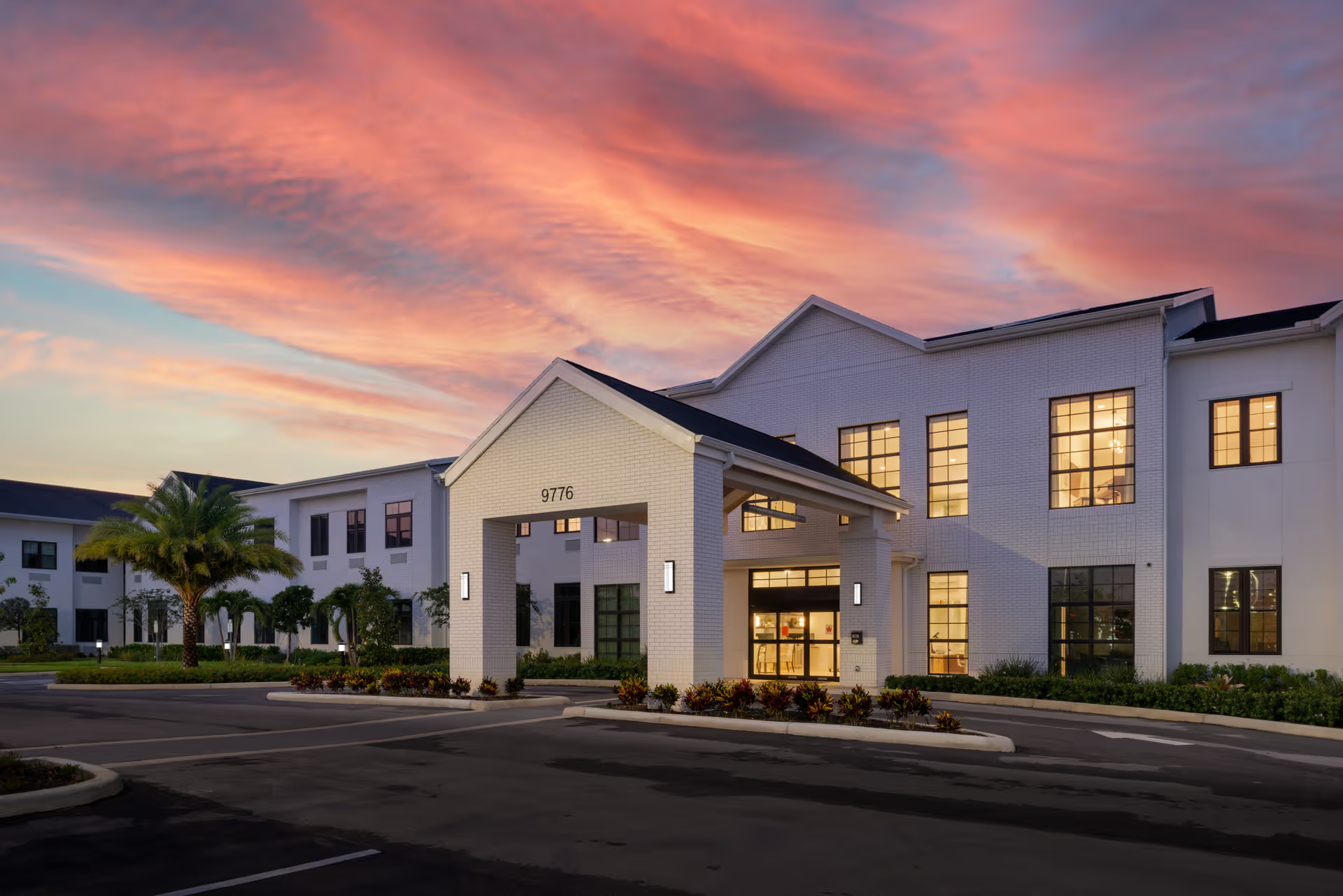
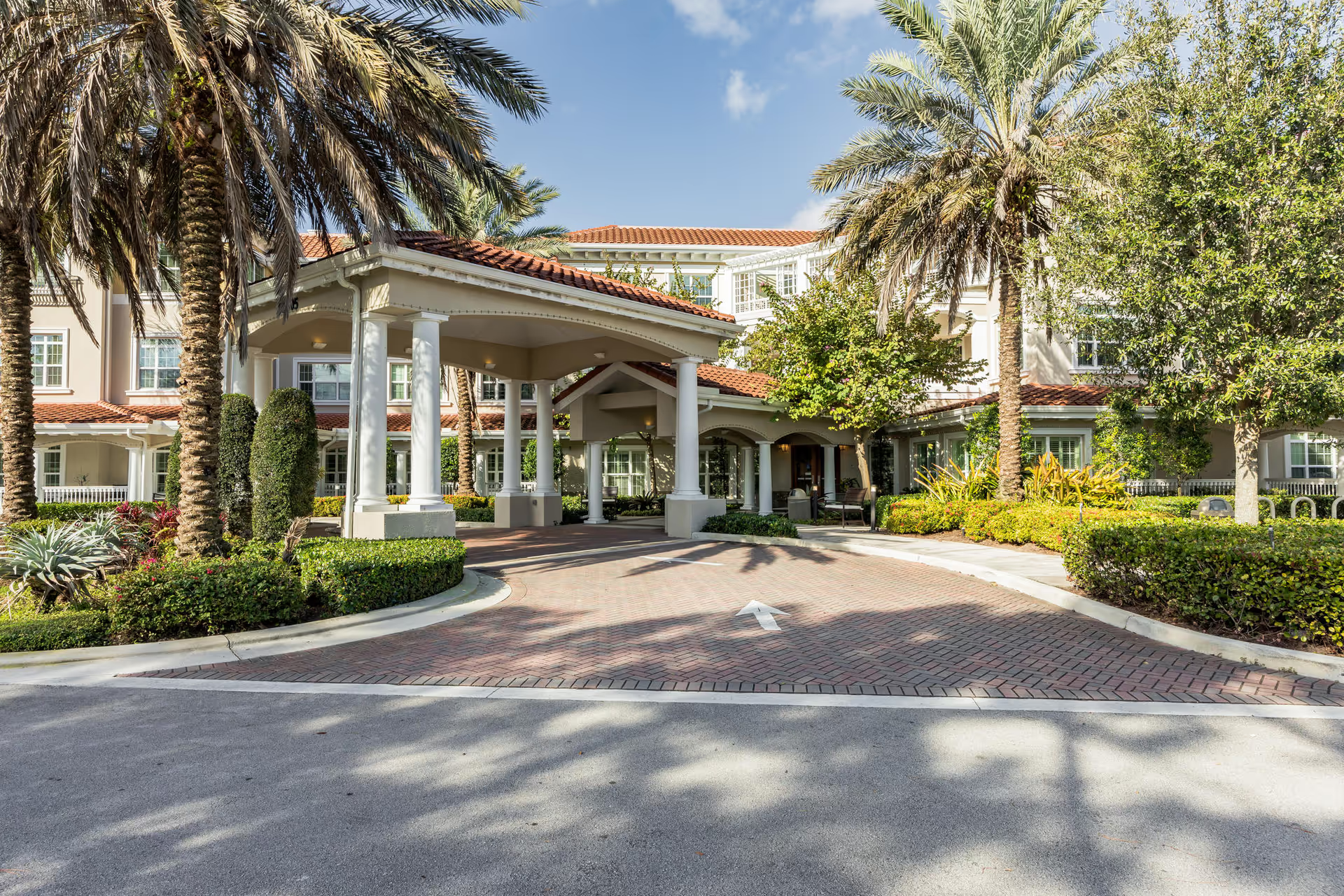
HarborChase of Boynton Beach presents as a newly built, upscale memory‑care and assisted‑living community with strong aesthetic and amenity strengths. Reviewers consistently note brand‑new interiors, a striking two‑story lobby with water and greenery features, hotel‑like finishes, and well‑maintained common spaces that include private nooks and meeting areas. The property’s social atmosphere and visible activity calendar — ranging from exercise and art classes to bus outings and casino trips — are frequently cited as contributors to an engaged resident community.
Dining and on-site services are notable strengths for many visitors and families. Several accounts describe restaurant‑style, multi‑course meals, attentive servers, and chefs who explain menus; these experiences are presented as a differentiator. The community also offers practical supports such as transportation for appointments and scheduled outings, monthly podiatry, and other on-site amenities that align with a higher‑end hospitality model.
Care and staffing present a mixed picture. Numerous comments praise individual staff members as caring, personable, and helpful during transitions; several family members described positive follow-up and assistance during move‑ins. At the same time, a pattern of inconsistent staffing levels and elevated turnover is described, and there are specific concerns about responsiveness to families and private aides. There is at least one allegation of an unauthorised resident egress with delayed notification, which, together with other comments, suggests potential gaps in elopement‑prevention protocols and incident communication procedures. Memory‑care staffing and programming are also cited as an area that appears under‑resourced in some instances.
Activities and programming are generally highlighted as abundant and varied, but reports indicate uneven delivery between neighborhoods — some areas feel very active while others are described as lacking scheduled engagement. Dining experiences likewise vary: examples of exceptional, restaurant‑quality service sit alongside accounts describing lower food quality on other occasions. Apartment size is another operational consideration; some families found units smaller than expected compared with the facility’s otherwise upscale presentation. Finally, a number of comments suggest the community’s admissions or care focus may be more oriented toward residents who use wheelchairs, which is worth clarifying for prospective residents with different mobility needs.
For prospective residents and families: the facility’s physical environment, amenity set, and many individual staff interactions are clear strengths, particularly for those seeking a hospitality‑style community with robust social programming. At the same time, ask targeted questions during a visit about current staffing ratios (day and evening), staff turnover, elopement‑prevention and incident‑notification procedures, how private aides are integrated into care plans, consistency of memory‑care programming, and recent dining quality audits. Verifying these operational details and requesting recent staffing and activity schedules can help align expectations with the facility’s service delivery on the day of move‑in.