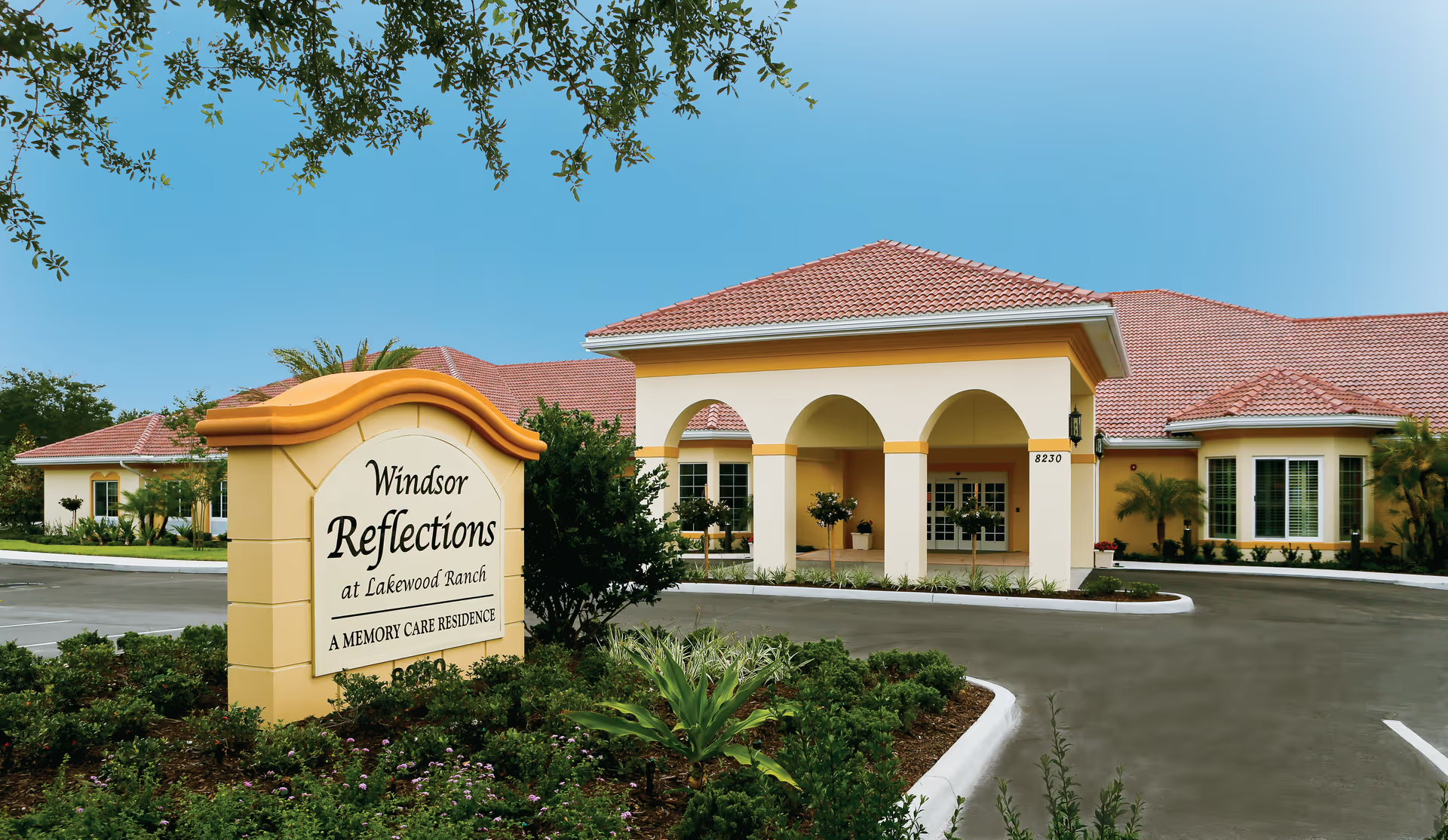
Inspired Living Lakewood Ranch elicits strongly mixed but thematically consistent impressions. The community is widely praised for its warm, resident-focused staff, strong social programming, and high-quality physical environment. Many families and residents described compassionate caregivers, engaging activities (bingo, live music, themed events, outings), and an active, hotel-like setting anchored by a large heated pool, lakeside walking paths, a fishing pier, and pleasant outdoor spaces. The community also offers memory-care-specific design elements, on-site therapy services, salon amenities, and restaurant-style dining which some families characterize as a key positive.
Care quality is a clear strength for many residents: staff who know residents’ names, personalized attention, frequent check-ins, and examples of clinical improvements after move-in were commonly described. The memory-care program and therapeutic offerings received particular praise, and several accounts highlighted effective transitions, smooth move-in coordination, and helpful operations staff. At the same time, a notable set of concerns around clinical operations appears repeatedly: medication-management inconsistencies (refill delays and administration errors), variable hygiene and incontinence-care practices, and instances of inadequate supervision or delayed response to calls. These issues suggest uneven implementation of nursing and med-tech procedures rather than uniform clinical failure.
Staffing and management patterns are a central source of variability. Many reviewers applaud individual caregivers, activities staff, and maintenance personnel for being compassionate and proactive; others describe frequent leadership turnover, inconsistent staffing ratios (especially on weekends and nights), and visible workforce instability. Those patterns correlate with other operational complaints — slower call-button responses, gaps in on-call coverage, and instances where maintenance or housekeeping tasks were delayed or incomplete. Where leadership is stable and engaged, families report better communication and problem resolution; where turnover is present, the opposite is reported.
Dining and activities are generally seen as strengths but with variability. Several families praise the dining presentation, pastry offerings, and a restaurant-style experience with multiple entrées; others note inconsistent food quality, limited menu variety, and service lapses. The activity calendar is robust — daily programming, outings, live entertainment, and themed parties — and is often cited as a major contributor to resident well-being. A minority of accounts describe periods when activity staffing or supervision was insufficient, reducing program reliability.
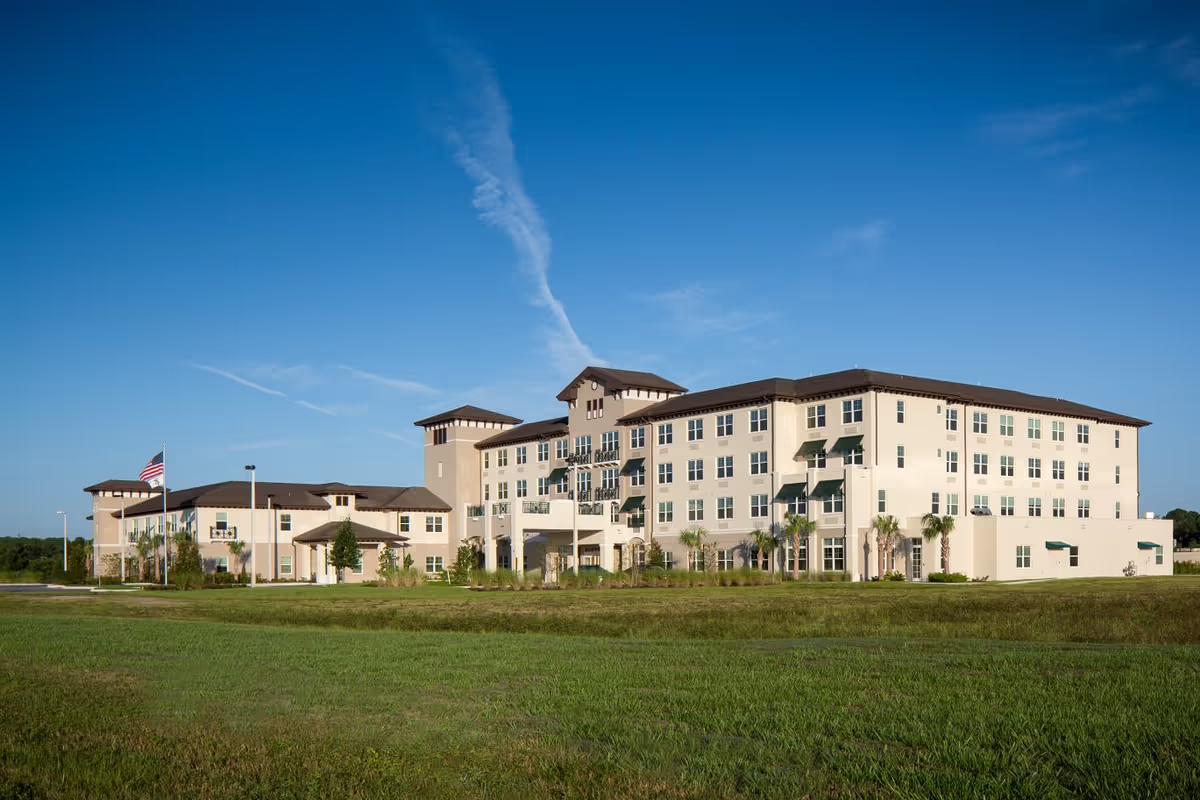
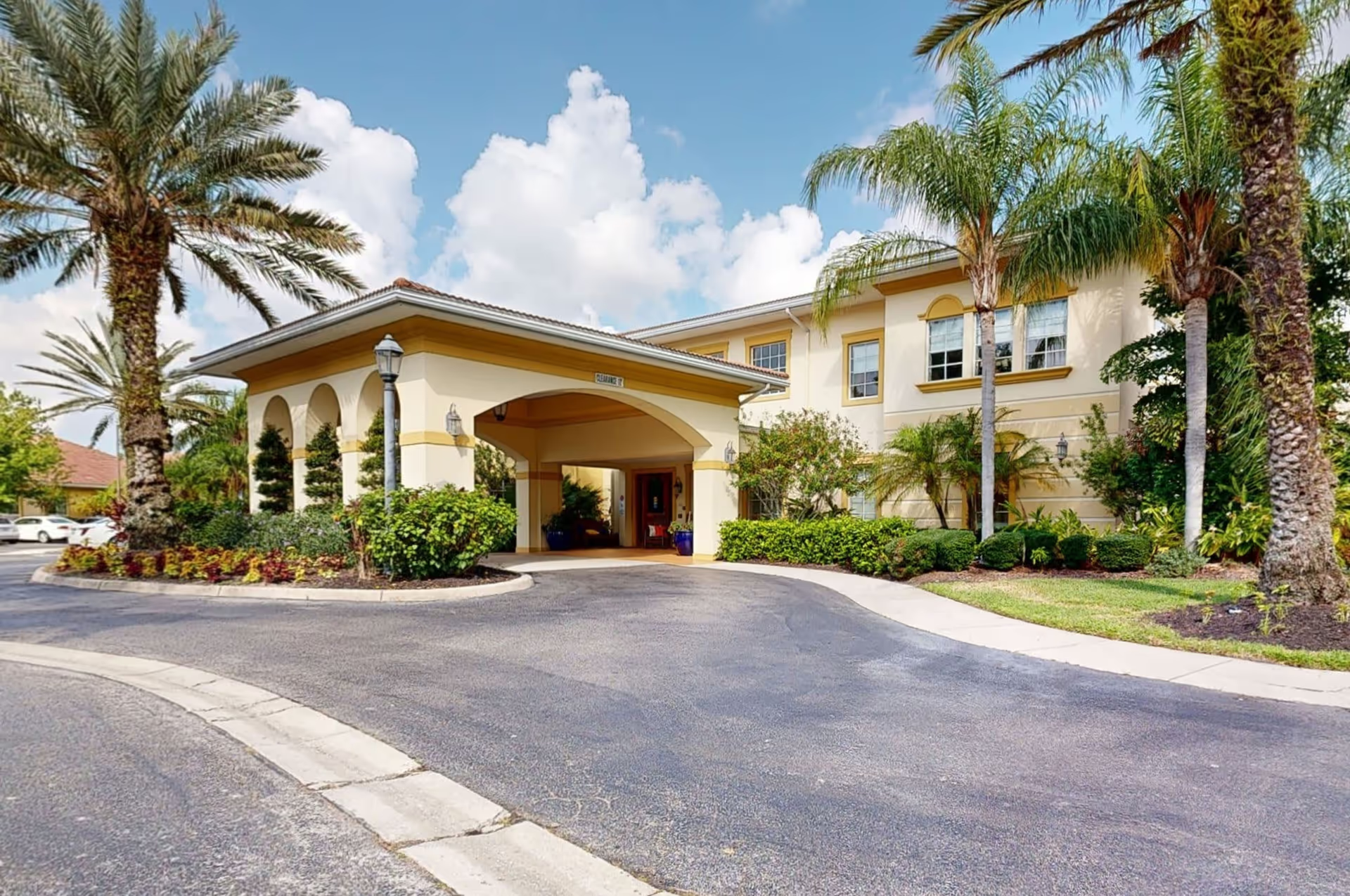
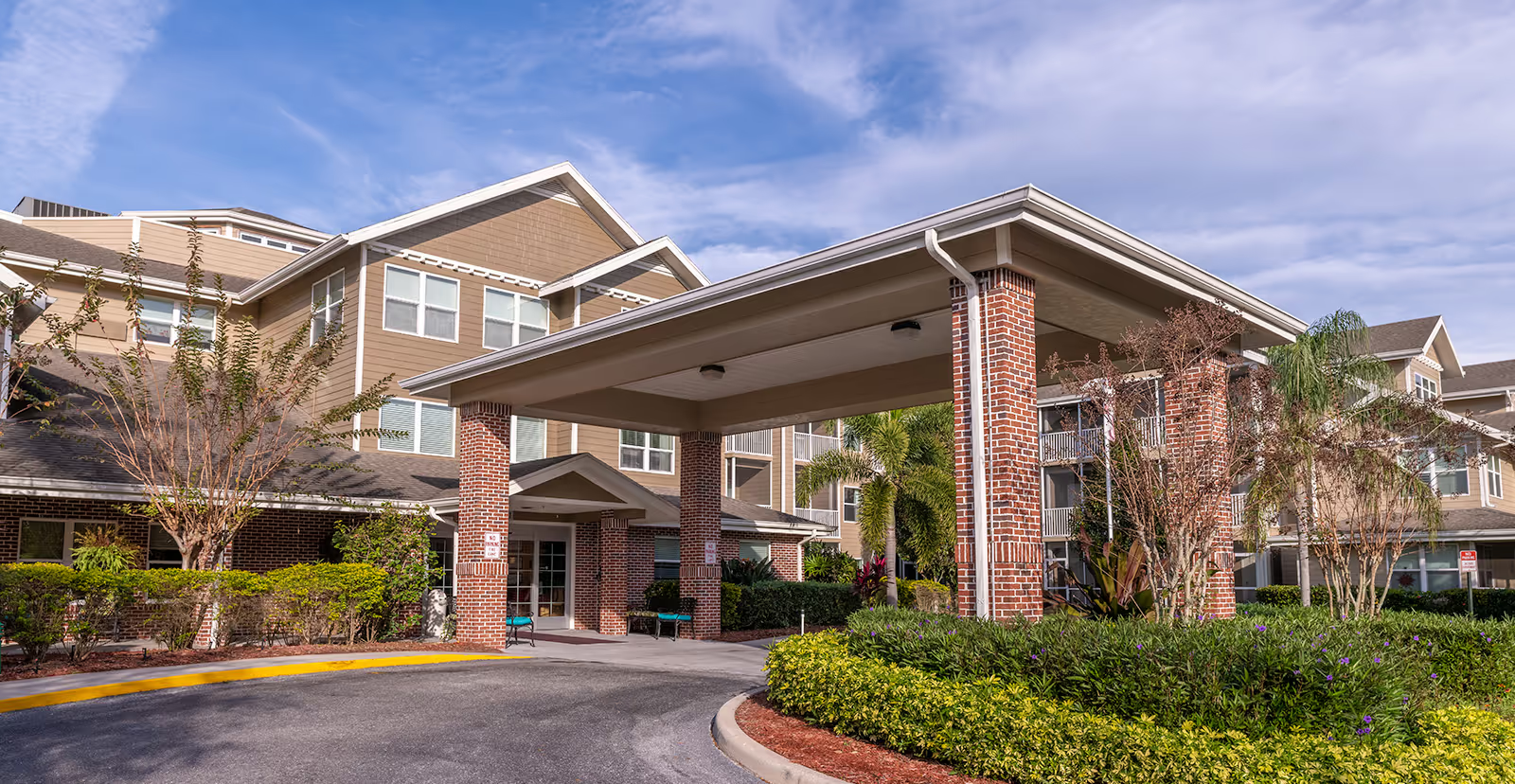
Facility features and maintenance also show a mixed picture. The building, grounds, pool, and public spaces are frequently described as attractive and well-designed, with accessible elements such as scooter access and pool lifts. Conversely, reviewers reported isolated infrastructure issues (power/elevator interruptions, pest-control concerns, repair delays) and uneven housekeeping performance in private units. Billing transparency and perceived value are recurrent business concerns: families raised questions about extra charges, billing errors, and price increases relative to perceived service consistency.
Overall, Inspired Living Lakewood Ranch appears to offer a high-quality physical environment and many genuinely dedicated staff members delivering strong social and clinical benefits for residents. However, persistent operational themes — inconsistent staffing and leadership stability, medication- and hygiene-related process gaps, variable housekeeping/maintenance responsiveness, and occasional communication/billing shortcomings — introduce risk and explain divergent family experiences. Prospective residents and families would benefit from focused questions during tours and contract discussions: ask about current staff-to-resident ratios by shift, weekend and overnight coverage plans, medication-administration protocols and refill workflows, housekeeping schedules, incident escalation procedures, billing practices, and recent leadership tenure. Observing staff interactions during different shifts, reviewing sample menus and activity calendars, and confirming written policies for medication, hygiene care, and emergency response can help determine whether the community’s strengths align with a particular resident’s needs.