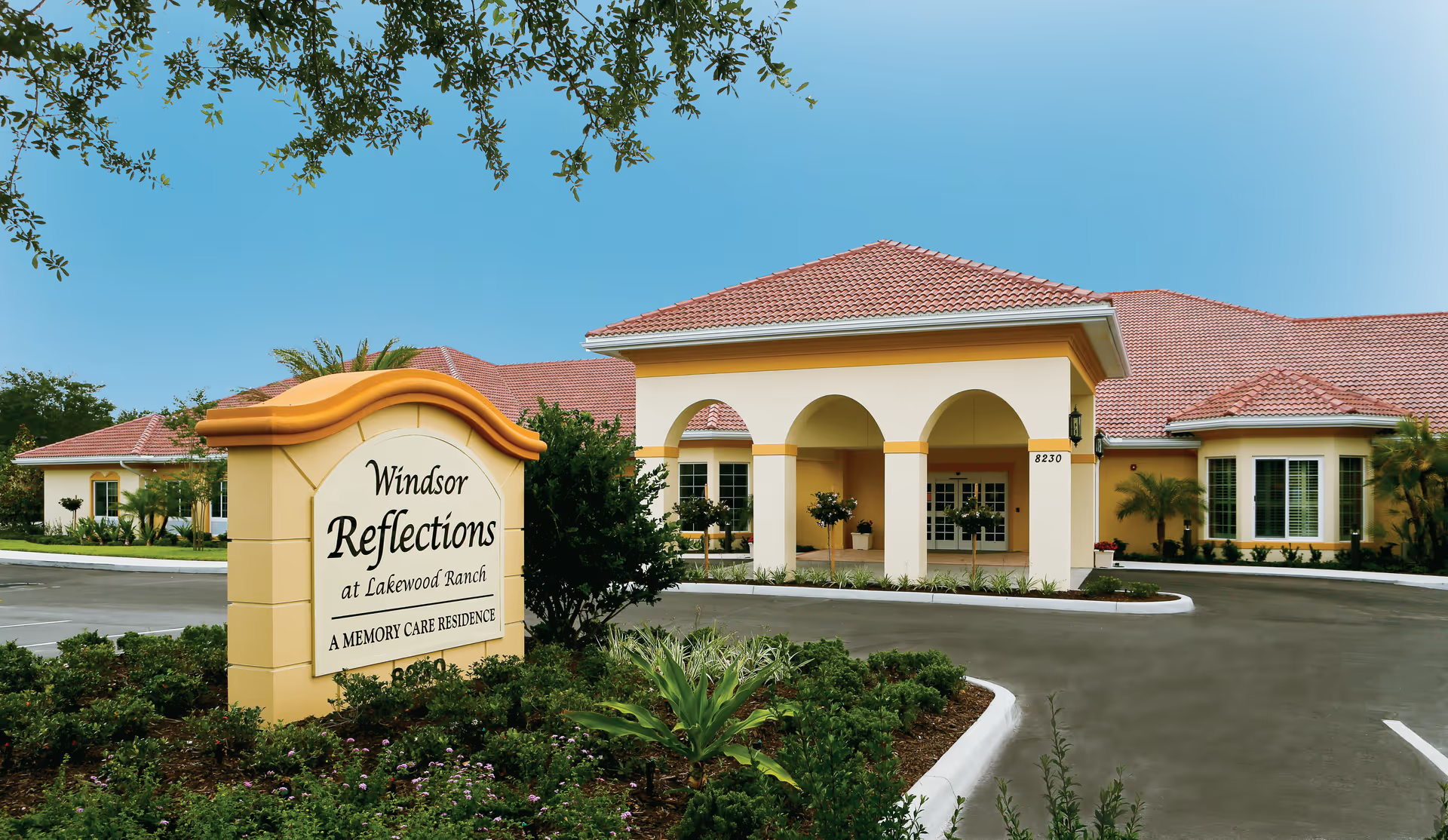
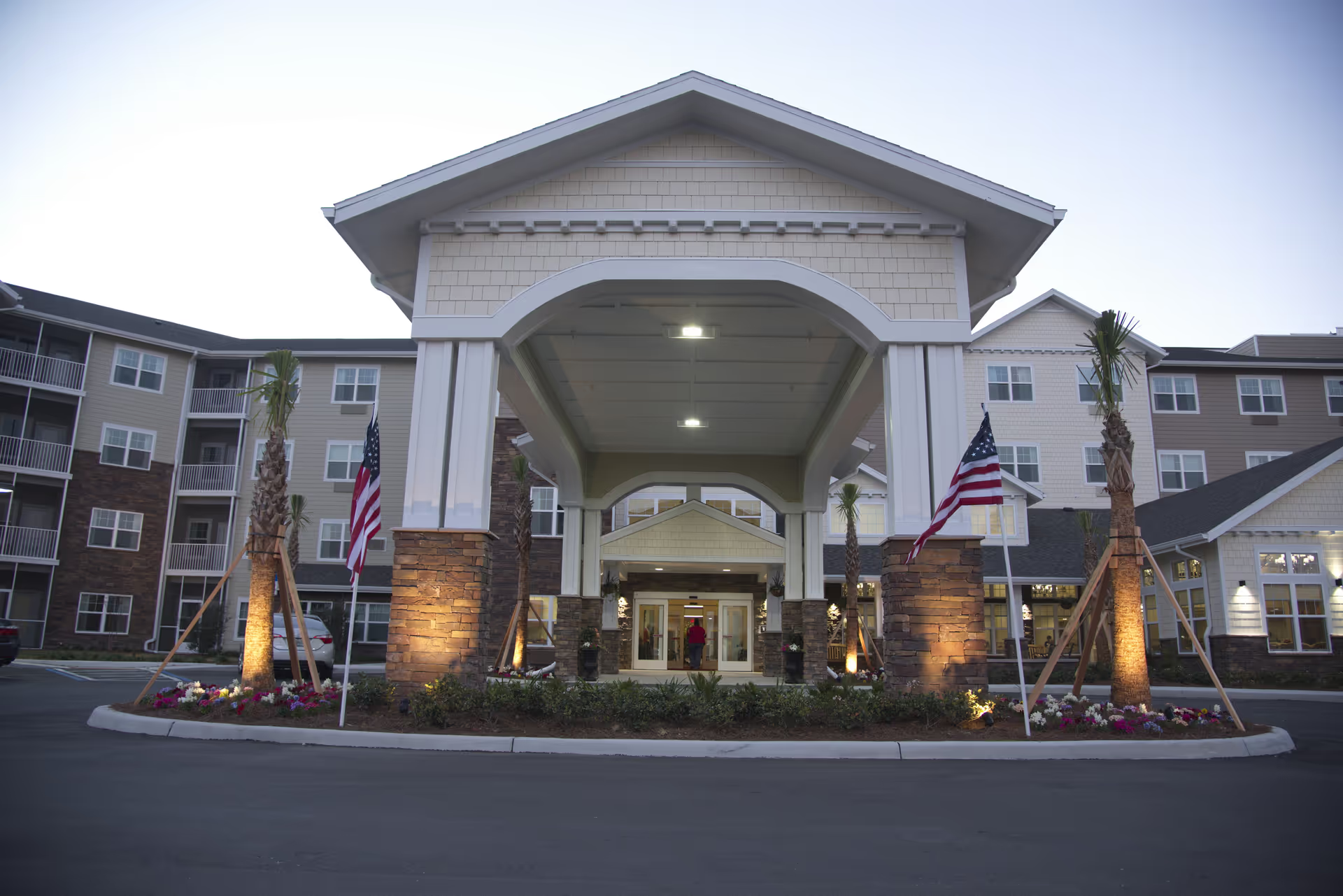
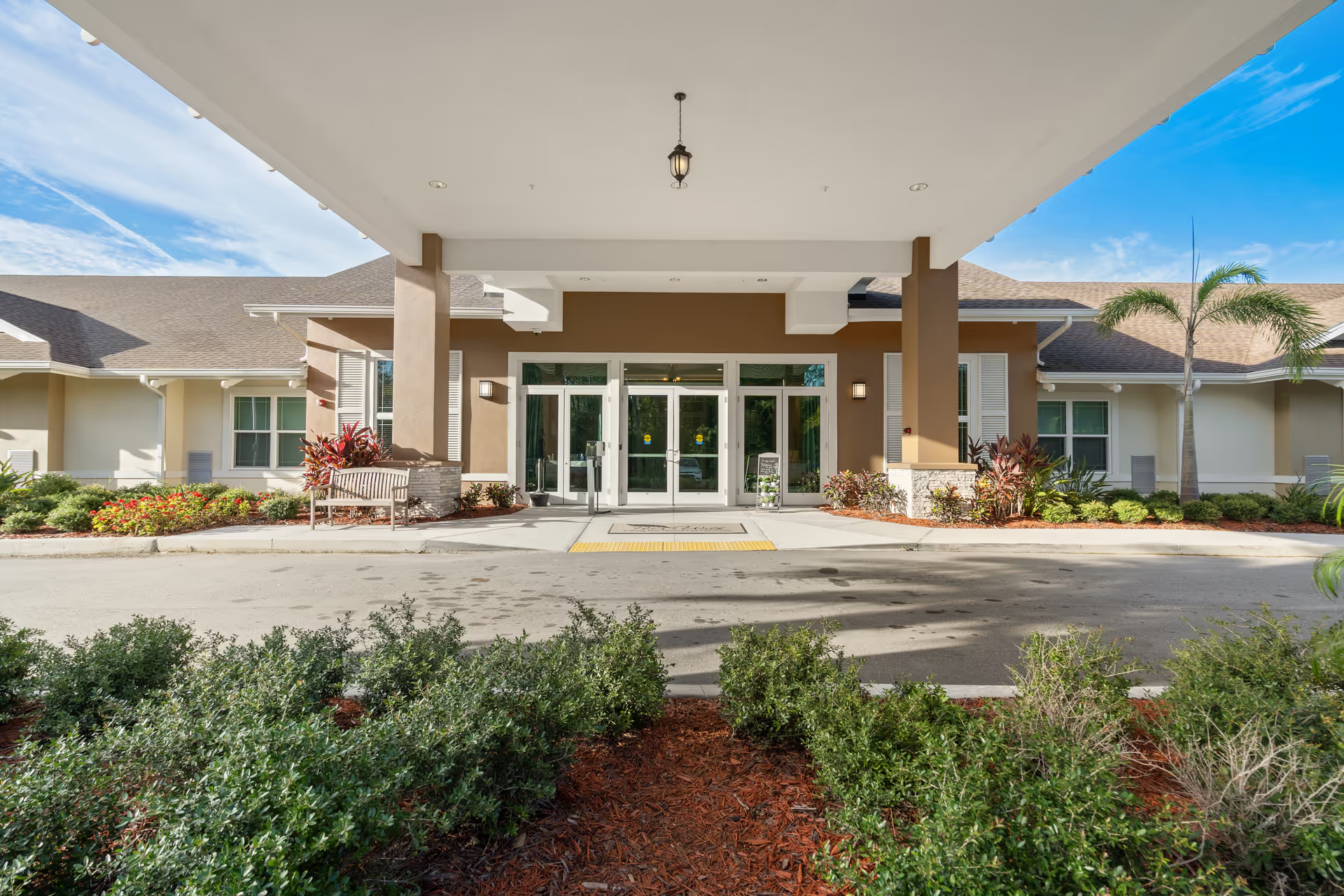
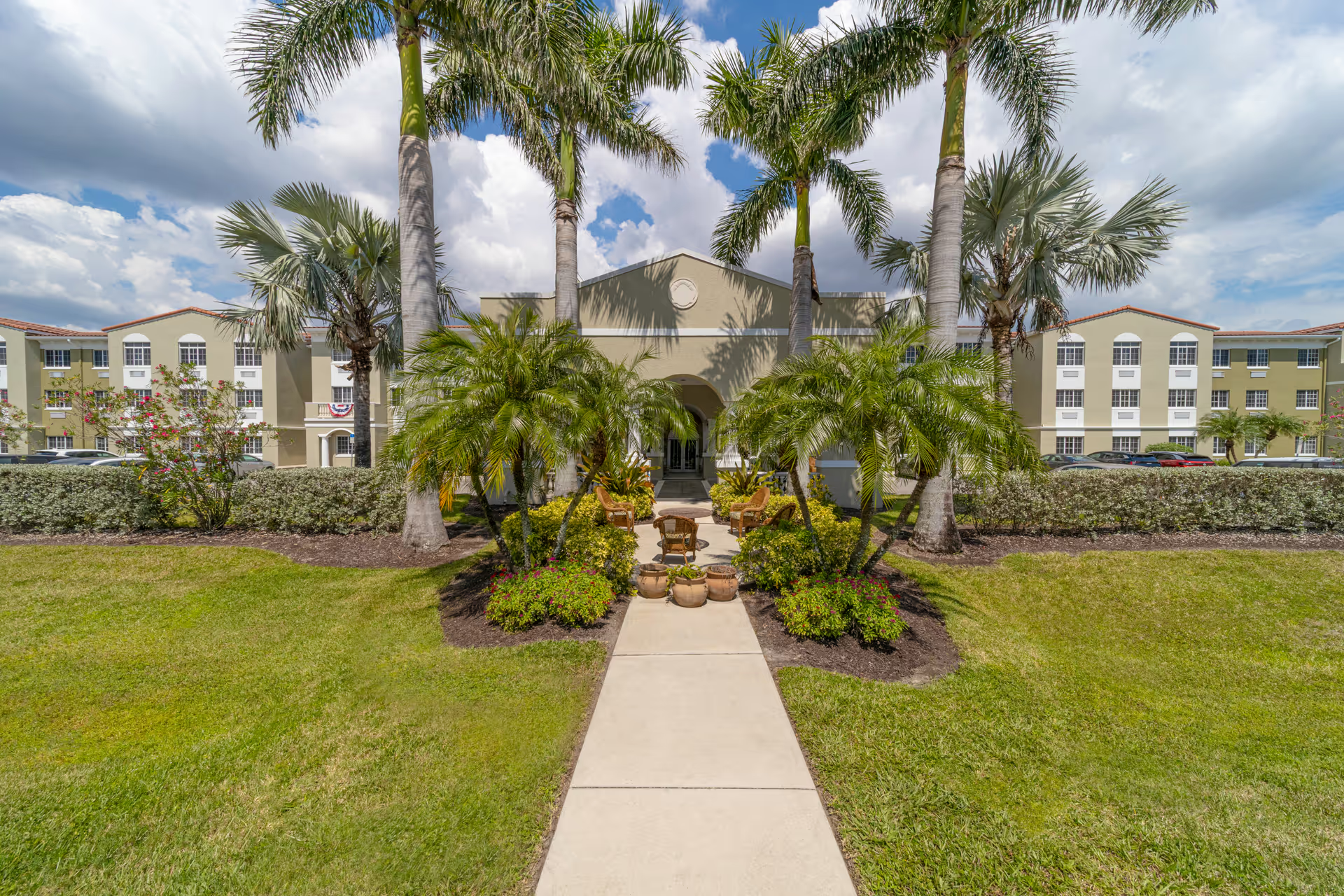
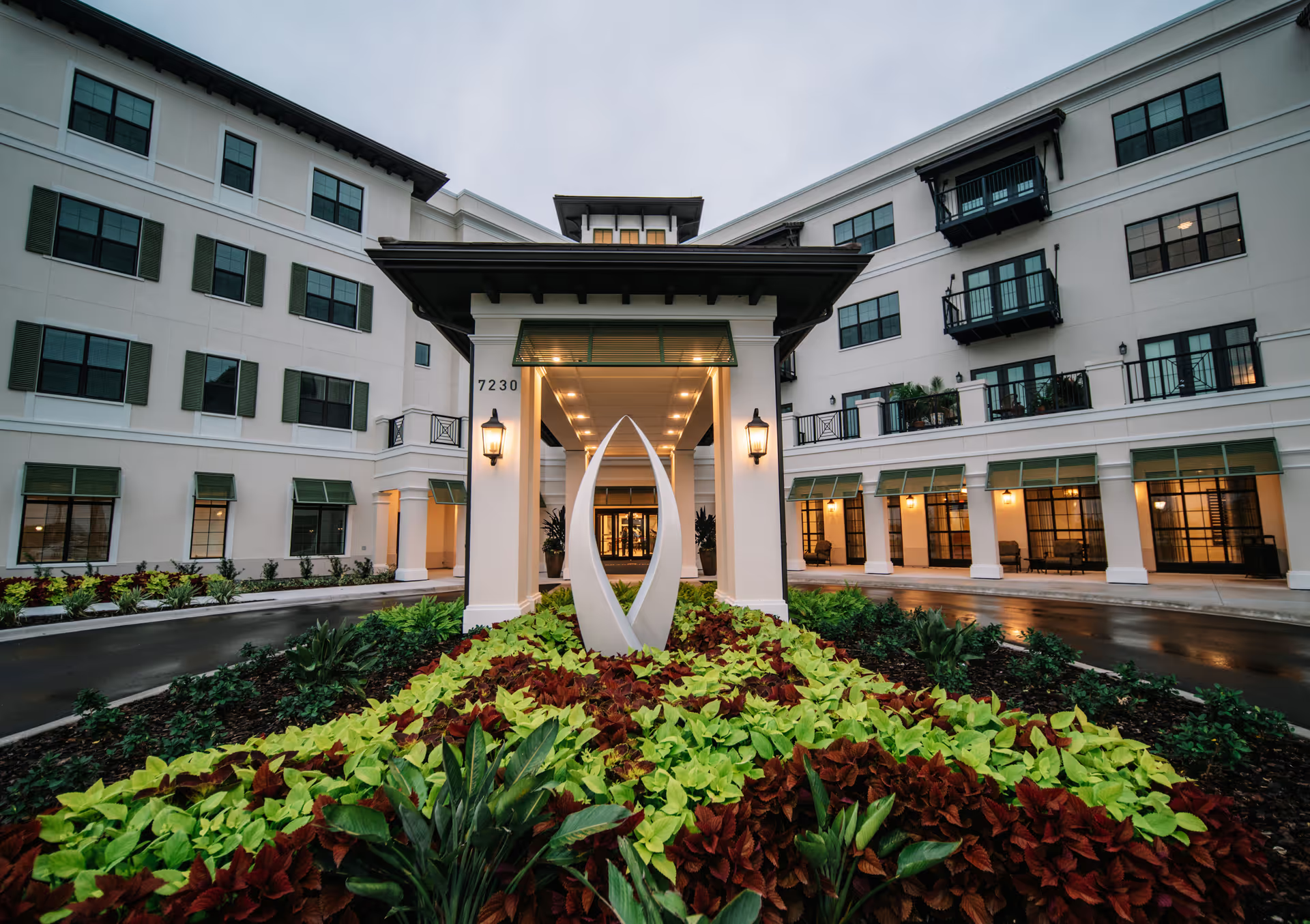
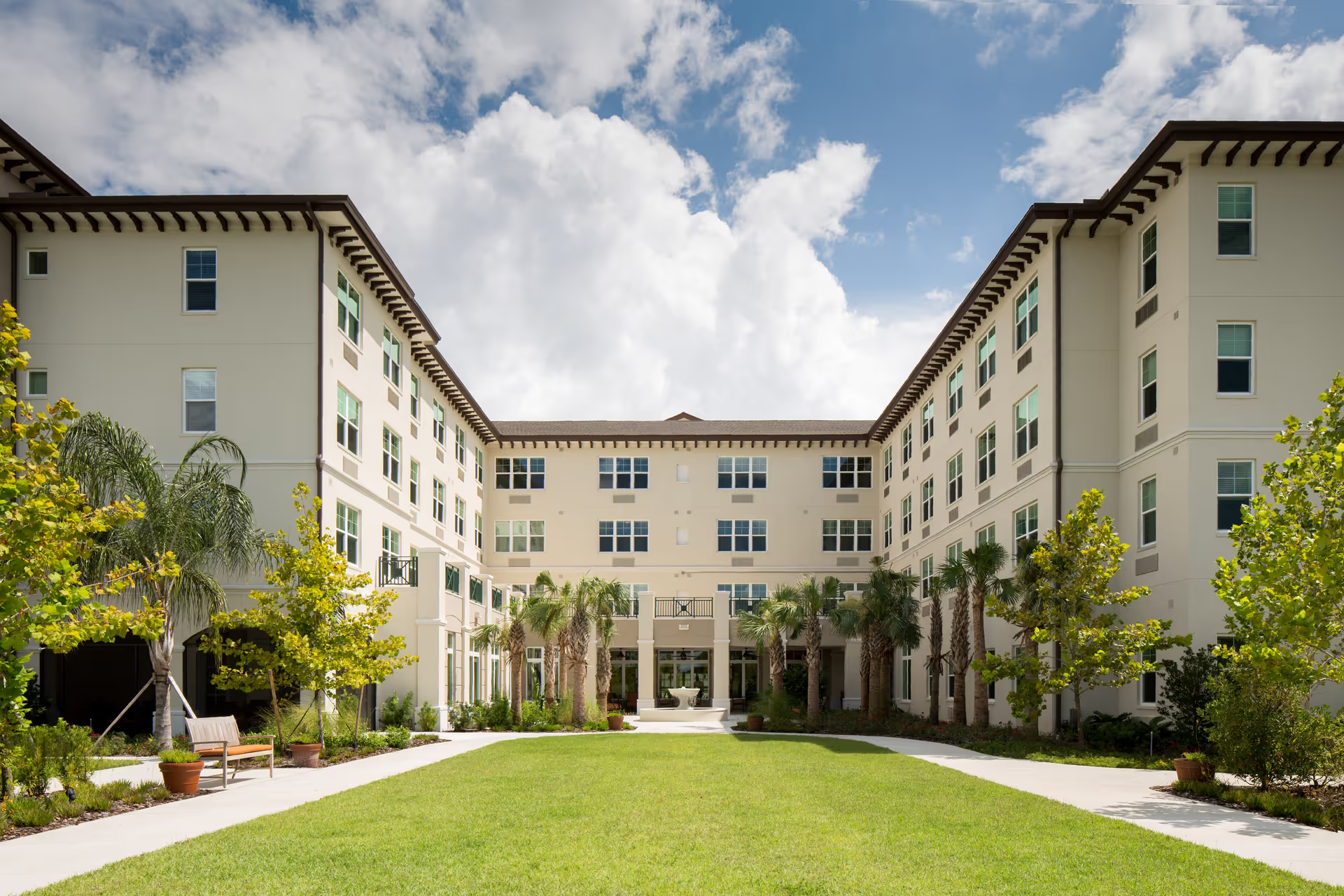
Overall impression: The Windsor of Lakewood Ranch is consistently described as an attractive, well-maintained assisted living and memory-care community with strong hospitality features. Reviewers frequently praise the facility’s landscaping, architecture (atriums/high ceilings), bright common areas and a range of on-site amenities such as a movie theater, salon, courtyard and dining rooms. Maintenance and housekeeping receive repeated positive mention; move-in assistance and setup support are characterized as professional and thorough.
Care and clinical services: Clinical leadership and nursing staff receive substantial praise for compassion, dignity-preserving care and hands-on attention; several families specifically commended named nurses and the director of nursing. There is also recurring positive commentary about 24/7 nursing presence, coordinated care planning, and smooth clinical transitions for lower-acuity residents. However, a pattern appears where care continuity and responsiveness can weaken as resident acuity increases. Some families describe staffing shortages, medication-timing inconsistencies, and delays in overnight call responses. Prospective families should ask about staffing ratios, night/weekend coverage, medication-administration protocols, and escalation processes.
Staff culture and management: The community is often described as having a family-like culture with engaged front-line workers and visible executive leadership that knows residents by name. Many reviewers highlighted individual staff members (maintenance, activities, move-in coordinators) who go above and beyond. At the same time, there are recurring concerns about staff turnover, variable training/supervision, and inconsistent administrative follow-through—particularly around weekend operations and certain management communications. Transparency about fees and a la carte charges is another administrative area that generated dissatisfaction for some families.
Dining and activities: Dining is frequently praised for restaurant-style presentation, healthy choices, and standout menu items (including positive mentions of an Italian chef). Still, dining quality is not uniformly consistent across reviews—some families experienced mediocre or processed meals and occasional menu dislikes. The Life Enrichment team, outings, weekly transportation and frequent activities (bingo, movie nights, music programs, art sessions, and courtyard walks) receive strong positive feedback; other families found activity offerings less suited to their loved one’s interests or noted limited evening/weekend engagement. Ask about sample menus, special-diet accommodations, activity calendars, and how programming is individualized.
Facilities and memory care: Physical plant strengths include recent remodels, new carpeting/paint, well-appointed apartments, and memory-care design elements such as secure circulation and kitchenette safety procedures. Limited availability of certain unit types (for example, two-bedroom suites) and life-alert coverage that is room-restricted were cited as operational constraints. The community is pet-friendly and conveniently located near shopping and hospitals.
Notable patterns and guidance for families: The overall sentiment skews positive, anchored by strong staff-resident relationships, attractive facilities, and active programming. That said, experiences are somewhat polarized: many families report outstanding, consistent care and hospitality, while a smaller set describe operational gaps—chiefly inconsistent staffing, weekend/overnight responsiveness, dining variability, and questions about billing transparency. Prospective residents and families should plan a focused tour and ask targeted operational questions: current staffing ratios and turnover, overnight and weekend coverage, medication administration processes, incident/response protocols, extra-fee policies, and real-time observation of dining and an activity session. Doing so will help determine whether the community’s strengths align with the prospective resident’s care needs and expectations.