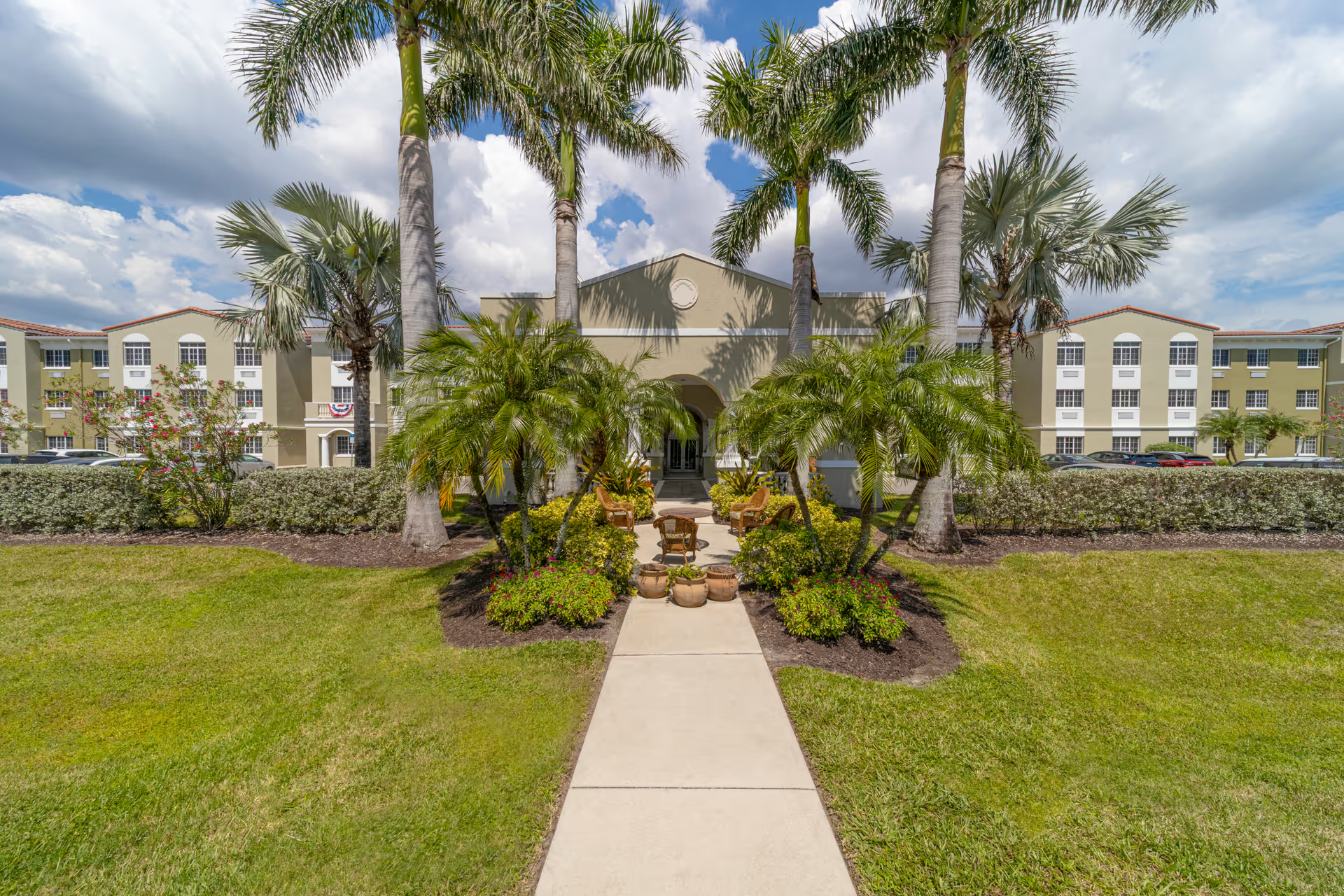
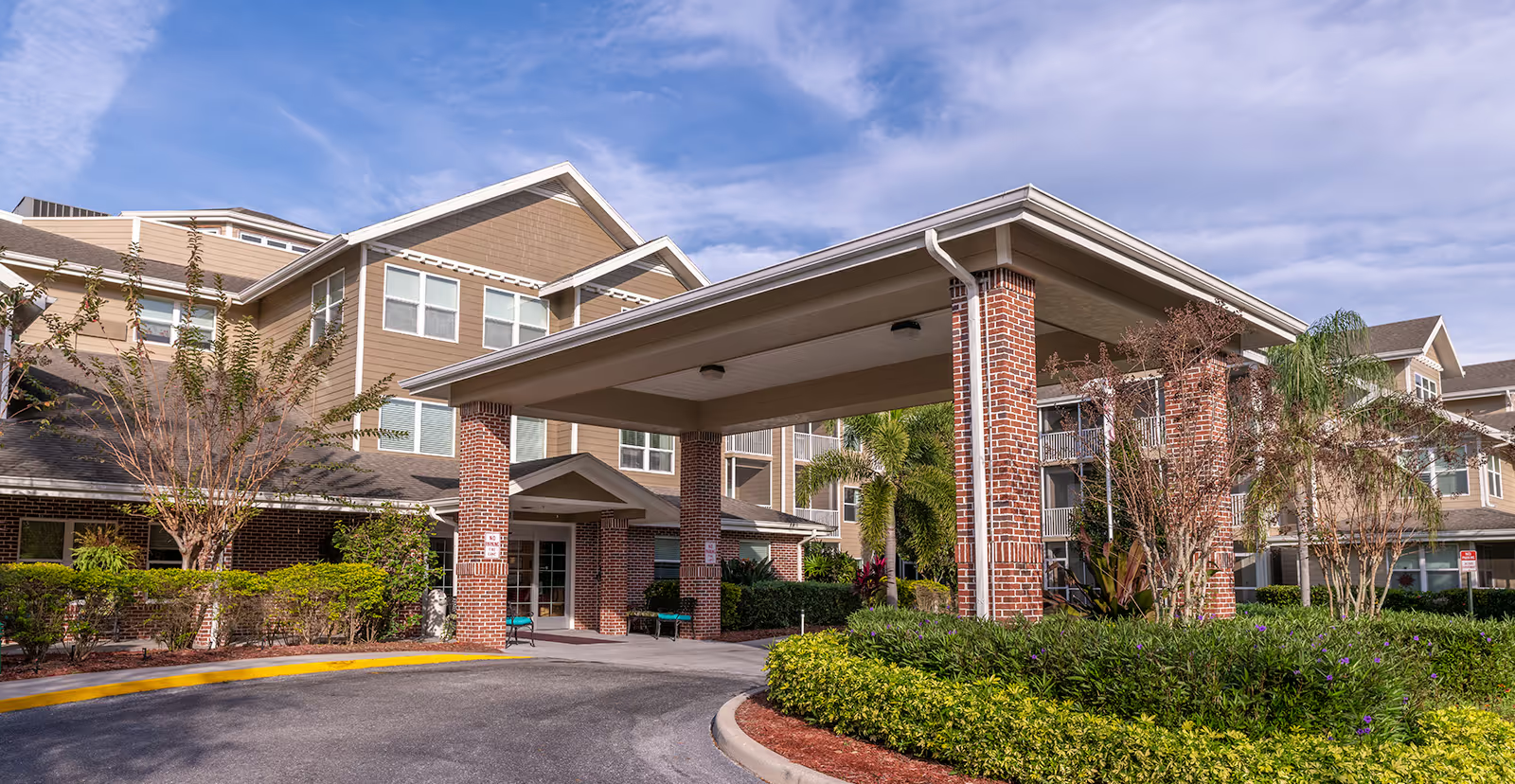
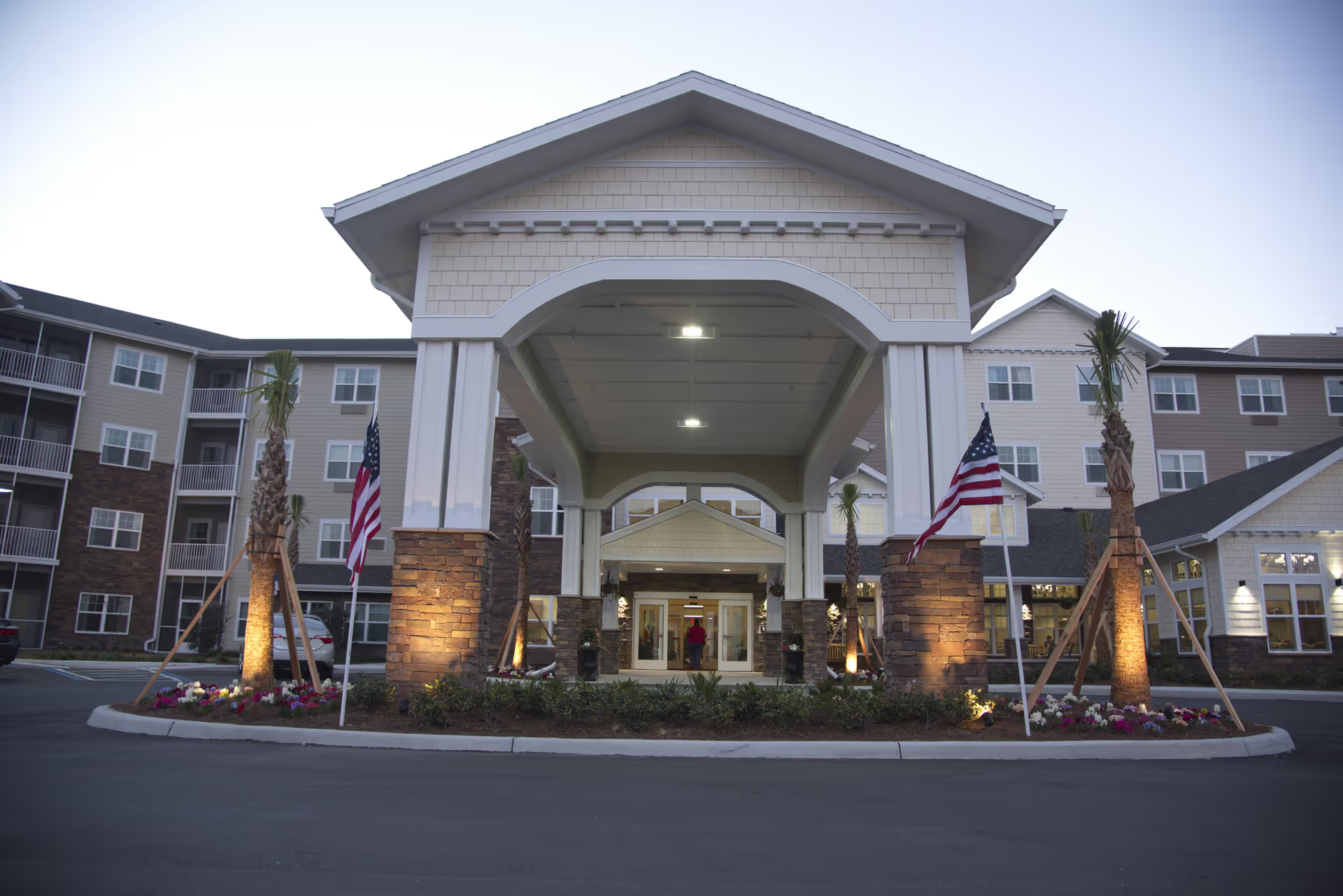
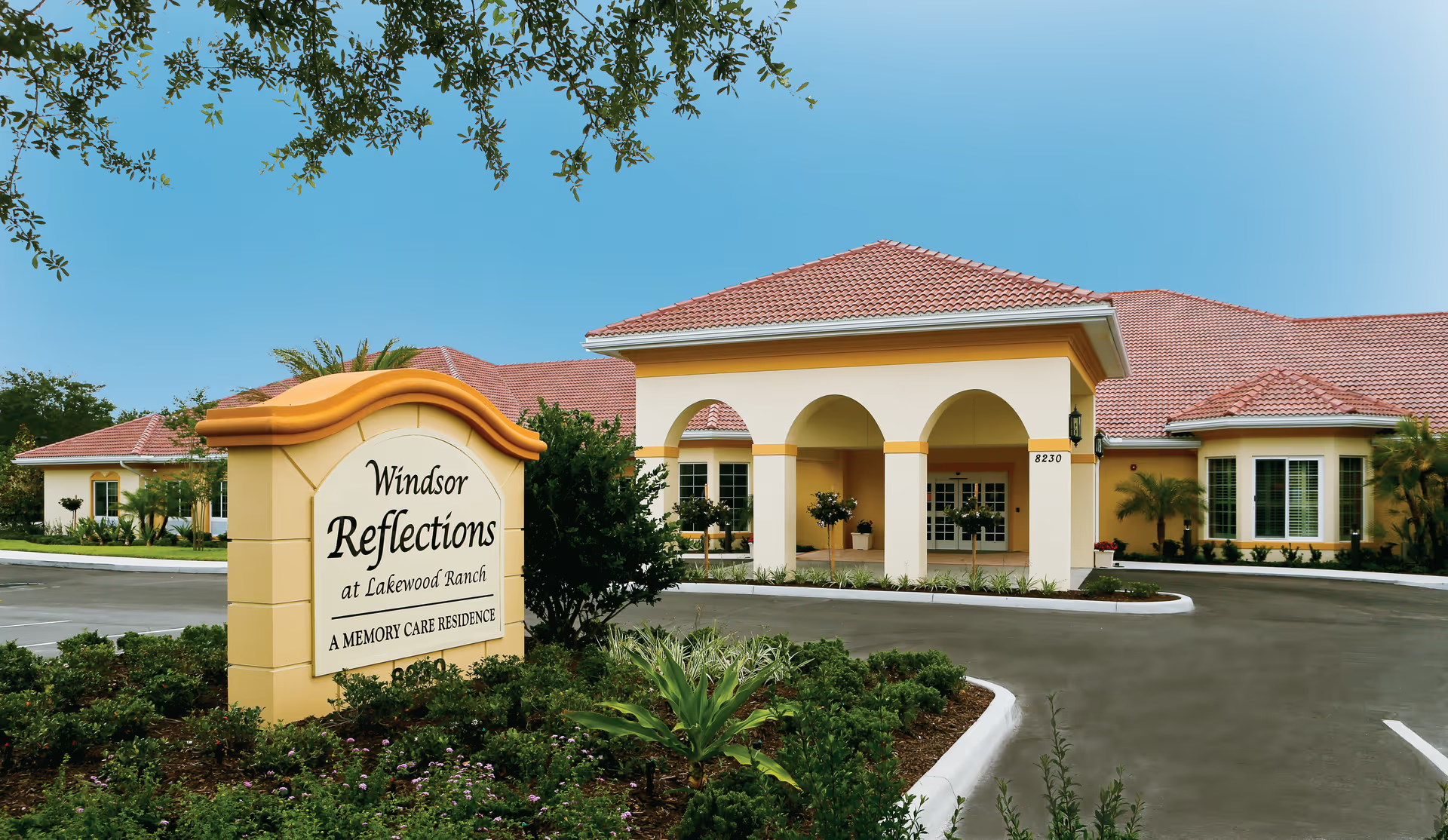
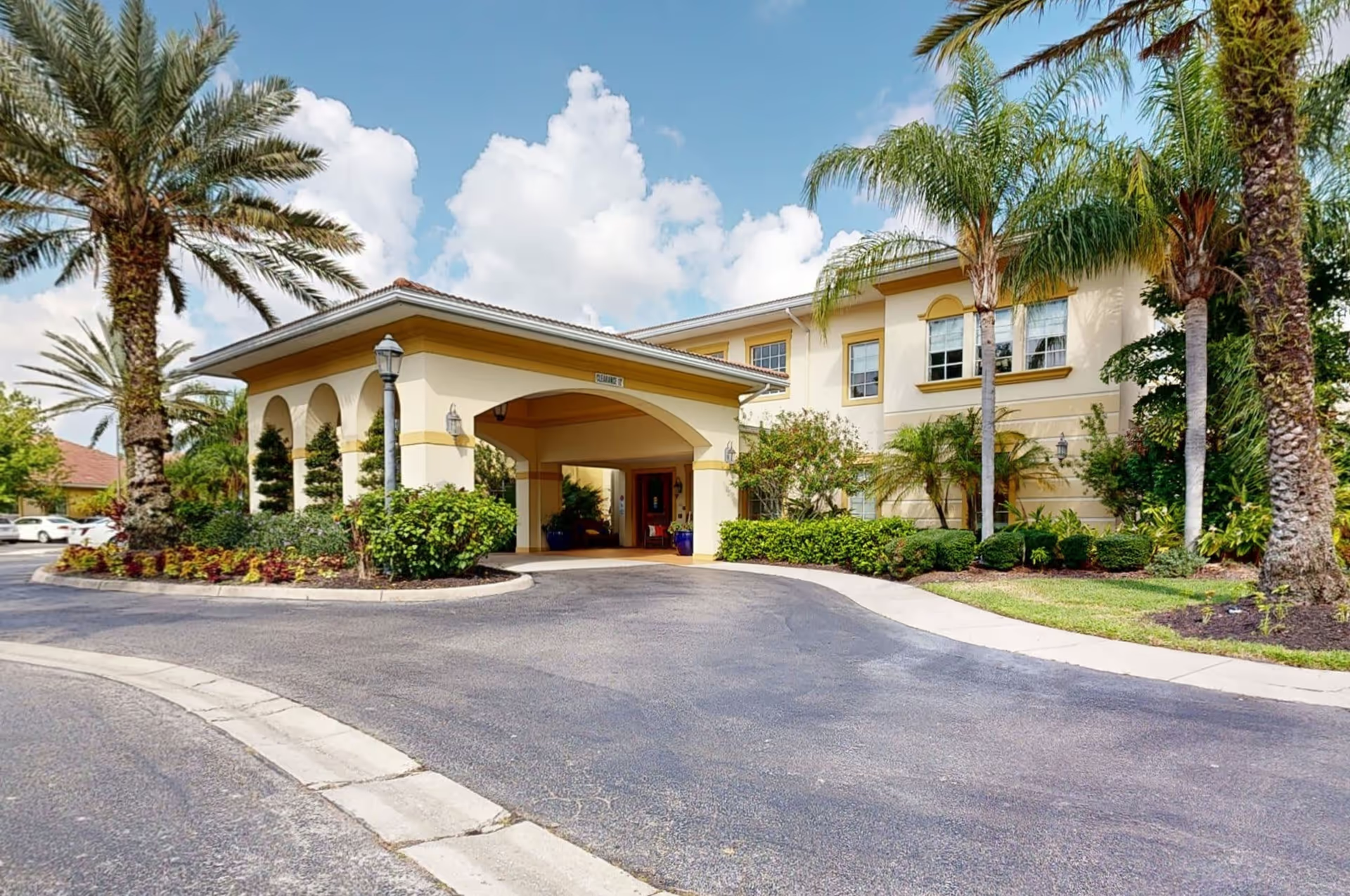
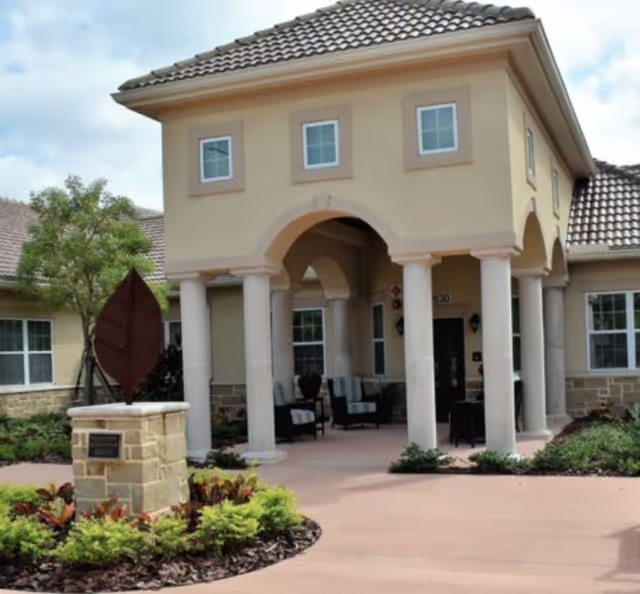
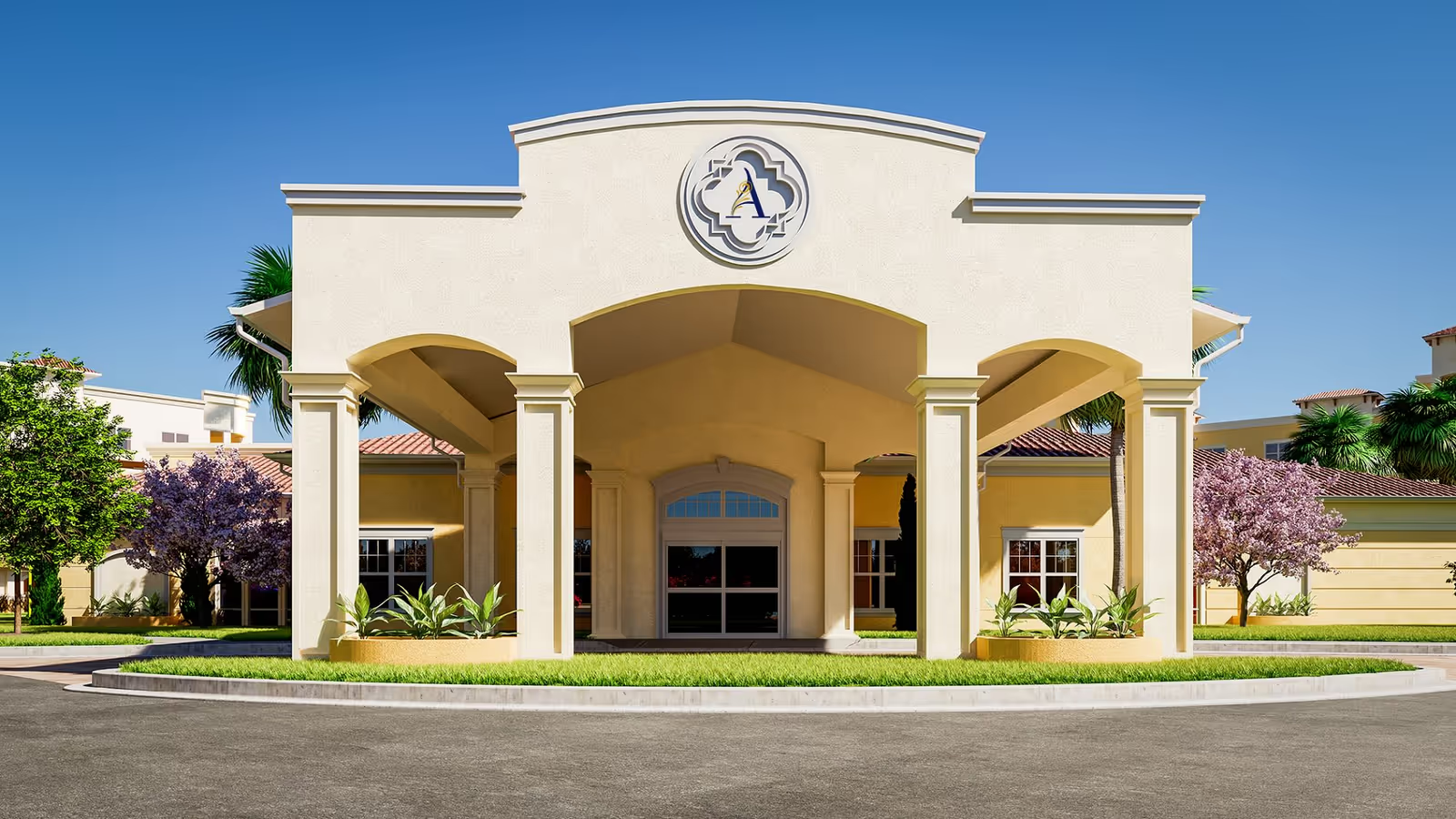
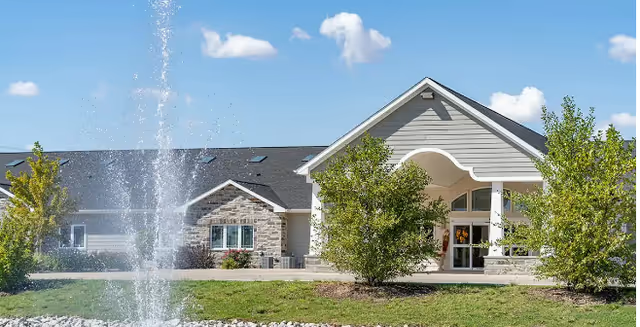
Morningside House of Sarasota/Poet’s Walk presents as a well-appointed, memory-care–focused community with many strengths in daily life, therapeutic services, and resident engagement. The physical environment is commonly described as clean, bright, and well maintained with spacious dining and common areas, pleasant outdoor space, and décor that some families characterize as boutique‑hotel–like. The community offers rehabilitation and therapy services and emphasizes specialized Alzheimer’s/dementia care, with staff and programs designed to support cognition and function.
Care and staffing patterns receive mostly positive commentary around compassion, dignity, and hands-on attention. Numerous accounts highlight caregivers who know residents’ names, individualized routines, 24/7 nursing availability, and proactive coordination during transitions (including hospice support). Many families praised the community’s capacity to create a family-like atmosphere, provide meaningful one-on-one engagement, and deliver personalized programming that includes themed events, outings, men’s groups, and novel activities led by an engagement team.
Dining and activities are frequent strengths cited by families. The culinary program, new chef initiatives, and seasonal menus drew strong praise for variety and presentation; holiday and special-event meals were noted as memorable. Activity programming is broad and creative, with chair-based exercise, social events, live entertainment, and purposeful workshops that encourage socialization and cognitive stimulation.
Despite these positives, a consistent pattern of operational concerns emerges. Staffing instability and frequent turnover — including at leadership and nursing levels — have been associated with uneven training, temporary staffing shortages, and perceived declines in continuity of care. Several families described instances that point to gaps in clinical operations and medication management as well as delays in personal-care assistance; these accounts suggest that care consistency can vary depending on staff assignments and experience levels.
Management and administrative responsiveness present a mixed picture. Many reviewers commended hands-on leadership, transparent tours, and supportive admissions coordination; others described lapses in follow-through, slow responses from corporate channels, and a defensive or condescending tone from front-office staff in some interactions. A few families also noted high cost and rigid deposit or room‑hold policies that affected placement decisions. Dining quality was generally praised but reviewers also described occasional inconsistency in meal preparation and service.
Bottom line: the community demonstrates clear strengths in specialized memory‑care programming, a compassionate caregiving culture, creative activities, and an appealing physical environment. Prospective residents and families should weigh those strengths against operational variability tied to staffing turnover, training consistency, and episodic management communication issues. For families prioritizing strong dementia expertise, robust activity engagement, and a home-like environment, the community merits consideration; however, it is advisable to ask specific questions about current staff tenure, training practices, clinical oversight, medication protocols, and financial/room-hold policies during tours and decision-making conversations.