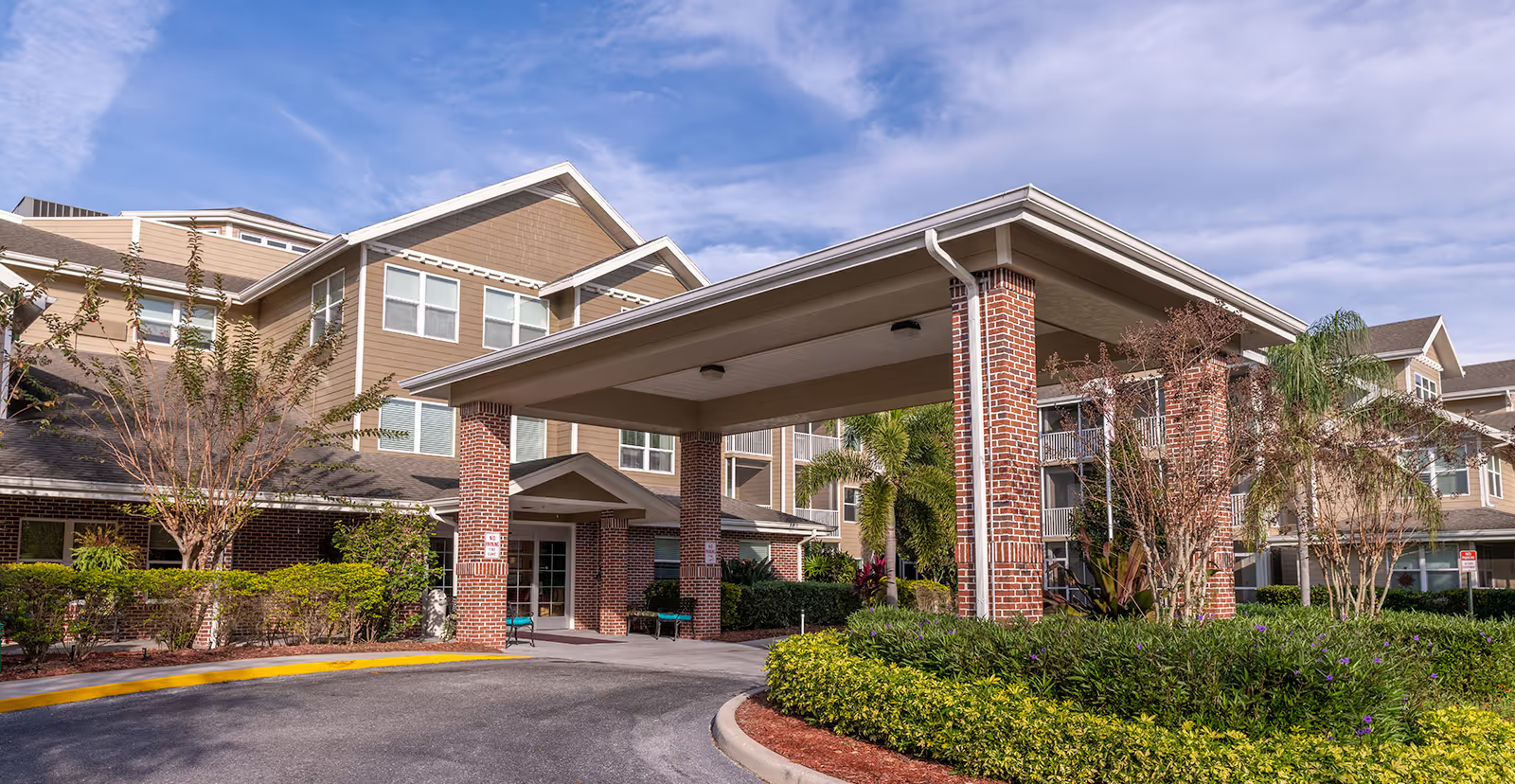
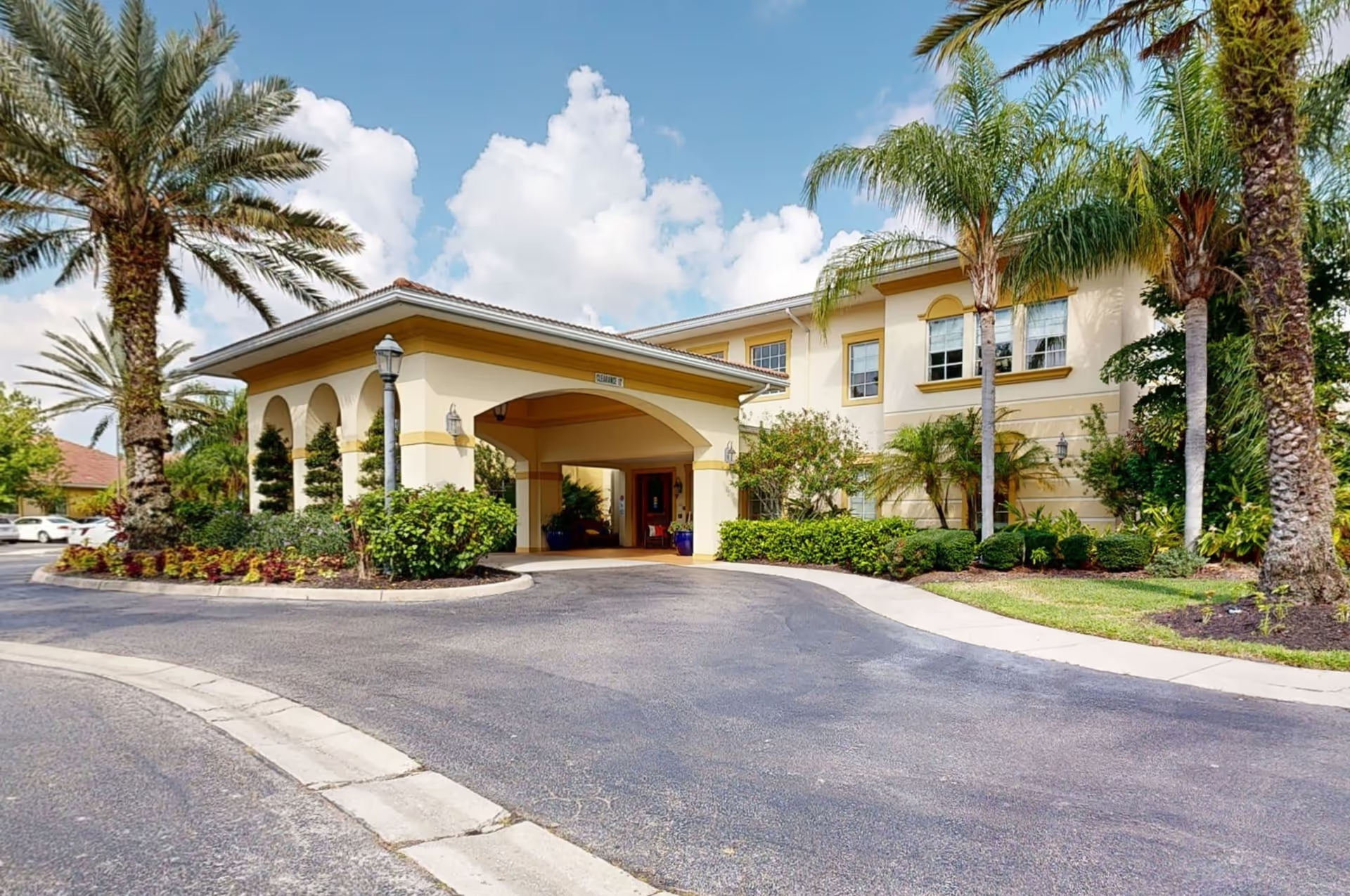
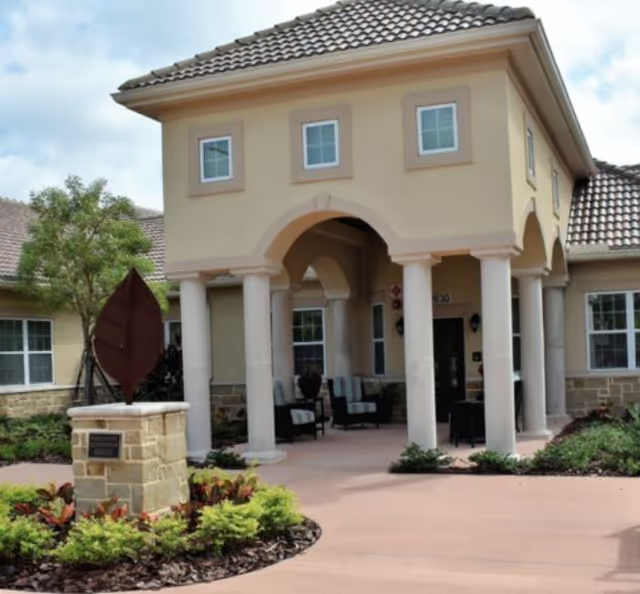
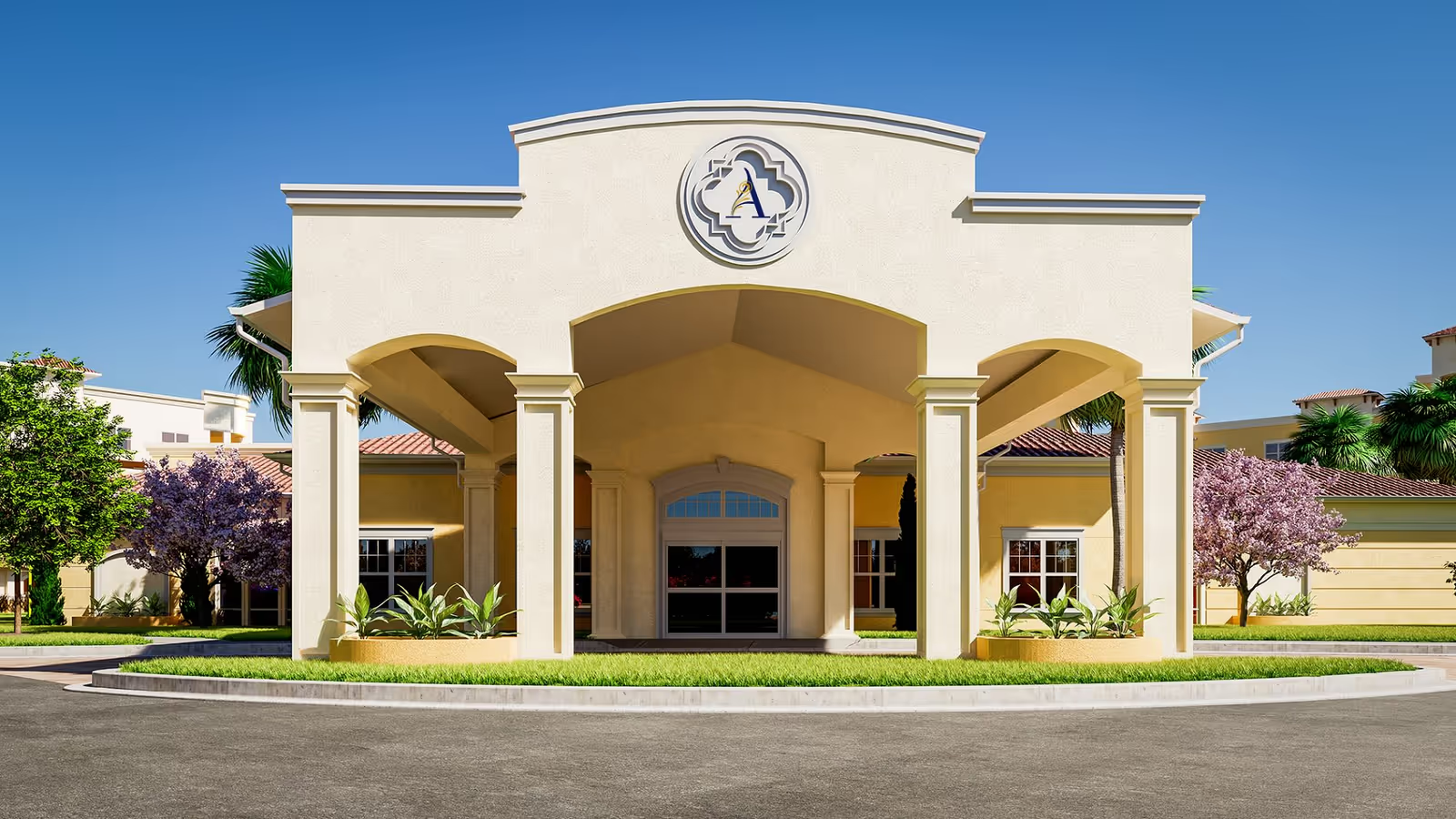
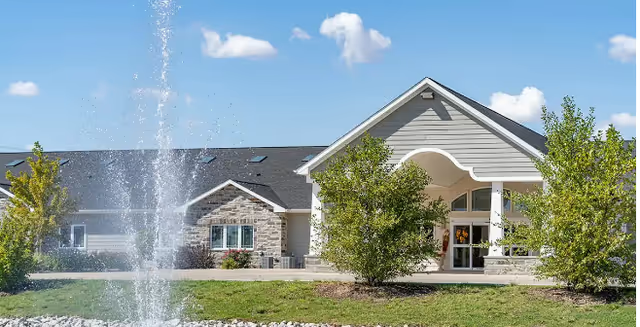
DeSoto Palms presents as a well-appointed, recently updated assisted living community with strong lifestyle and hospitality features. Common positives include spacious, apartment-style units, hotel-like dining rooms and a chef-driven menu, accessible in-unit amenities (laundry and linens), and multiple common spaces such as libraries, salons, activity rooms and floor-specific lounges. Grounds and interior spaces are frequently described as clean, bright and attractively maintained, and the facility offers outdoor seating and convenient proximity to local services.
The activity program is a clear strength: reviewers describe a broad schedule of on-site programming (games, crafts, films, reading groups), regular outings and mall trips, weekly social events such as a Friday happy hour with live entertainment, volunteer engagement, and therapy-animal visits. Families also praised specific activity staff and the opportunities for residents to socialize and attend church services. Transportation to appointments and some onsite medical presence (doctors and visiting nurses) support day-to-day needs for many residents.
Staff and caregiving receive generally strong praise for warmth, attentiveness and relationship-building. Multiple accounts highlight engaged activity directors and accessible administrative leadership. At the same time, there is a clear pattern of variability in clinical coverage and responsiveness: some reviewers describe limited nursing hours and perceived gaps in night staffing, and others raise concerns about delayed responses or inconsistent assistance for higher-dependency needs. This creates a mixed picture for clinical care quality — suitable for many assisted-living needs but potentially inadequate for residents requiring substantial medical or dementia-focused care without further verification.
Dining is frequently cited as a positive — varied, restaurant-style meals with dietary accommodations and available snacks — though several reviewers reported inconsistency in meal delivery or quality at times. Operational concerns also recur in other areas: families cite inconsistent staffing levels, signs of staff burnout or turnover pressure, occasional cleanliness and sanitation issues, and gaps in communication or follow-up from management. Some reviewers described instances of unprofessional or aggressive marketing and restrictive short-term/respite policies (including minimum-stay financial terms), which prospective residents and families should clarify before committing.
Taken together, the reviews depict a community with strong hospitality, social programming, and many caring staff members, balanced against operational challenges that can affect clinical consistency and post-move experience. Prospective residents and families would benefit from focused questions during a tour or phone call: current staffing ratios and night coverage, dementia-care training and clinical protocols, meal-service delivery practices, respite and contract terms, and recent sanitation or maintenance records. Verifying these operational details will help align expectations with the facility’s evident strengths in lifestyle and neighborhood convenience versus the variability in clinical and managerial performance described by some families.