Overall impression: Windsor Reflections Memory Care of Lakewood Ranch generates a large number of strongly positive accounts alongside a set of recurring operational concerns. Many families praise the physical plant, the breadth of activities, and direct caregivers for creating a family-like, engaging environment specialized for memory care. At the same time, there are repeated and specific critiques about how the community handles clinical operations, staffing consistency, and certain logistical details.
Care and clinical oversight: Numerous reviewers describe attentive, memory-care–focused support and benefit from on-site therapy and concierge medical services. However, a distinct pattern of clinical gaps appears in several accounts: missed or incorrect medication administration, delayed responses to falls or urgent needs, delayed hygiene or bathing schedules, and concerns about pressure-injury prevention. A minority of families characterized these as serious events. Families considering this facility should ask for detailed explanations of medication-management procedures, incident-response protocols, staffing ratios (including use of agency staff), and documentation practices for clinical follow-up and hospice coordination.
Staff and management: Direct-care staff and activity personnel receive frequent praise for compassion, personal attention, and high levels of resident engagement; specific staff and leadership figures were commended for responsiveness and family communication. Conversely, reviewers also describe high staff turnover, regular use of agency staff, variable training (notably for conditions other than dementia such as Parkinson’s), and occasional concerns about staff distractions and conduct during activities. Management responsiveness appears mixed: some families report proactive and helpful leadership, while others report breakdowns in communication or unresolved concerns. Prospective families should observe staff–resident interactions across shifts and ask about staff training, retention initiatives, and supervisory oversight.
Dining and activities: The activity program is a clear strength — reviewers highlight daily programming, art and music sessions, outings, pet visits, and monthly family nights that promote social interaction. Dining receives both praise and criticism: many describe chef-prepared meals and pleasant dining spaces, while others note variability in food quality, limited menu choices in certain situations, and concerns about meal continuity when family members are not present. Clarify meal plans, menu rotation, special-diet accommodations, and how meal choices are provided for residents who need assistance.
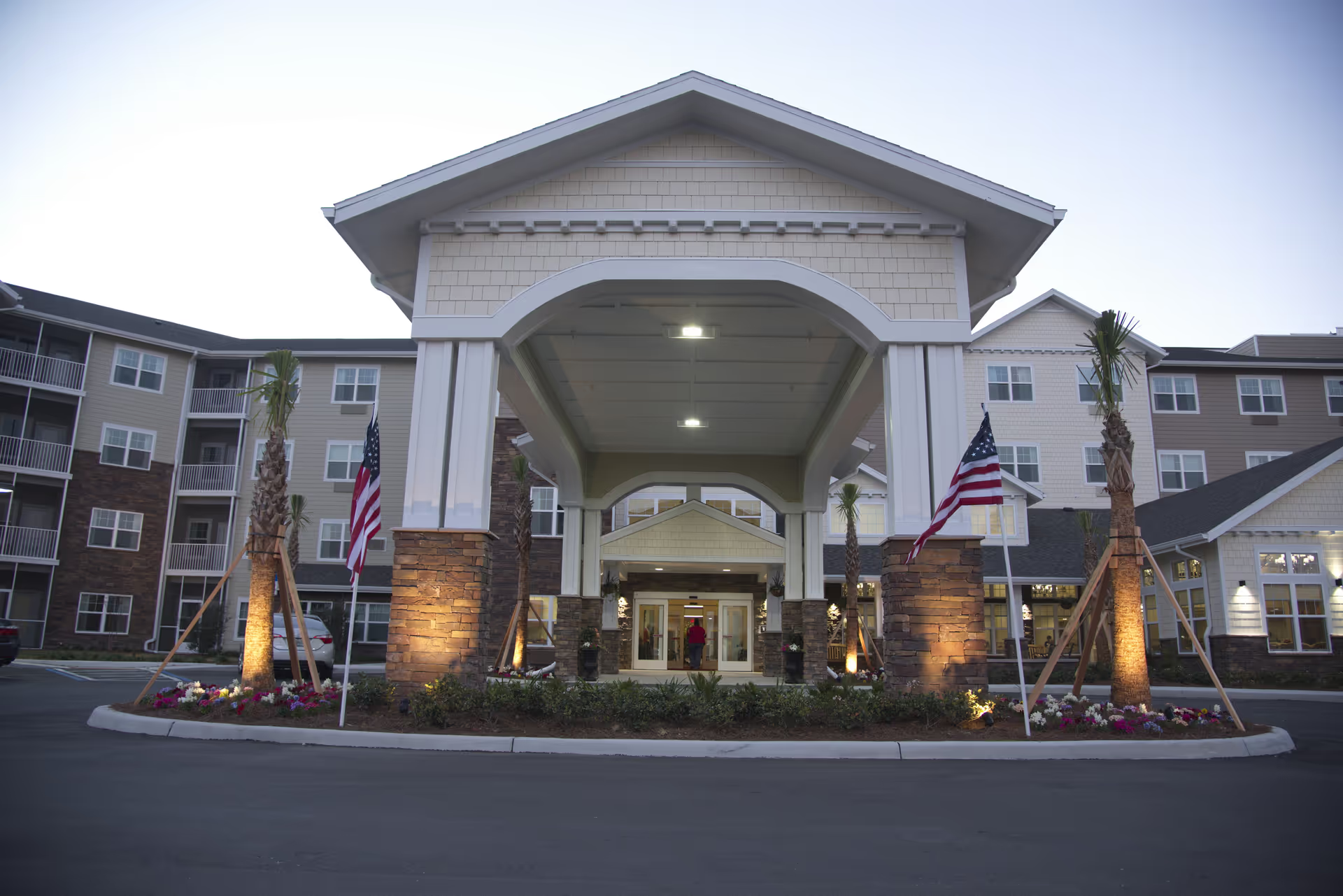
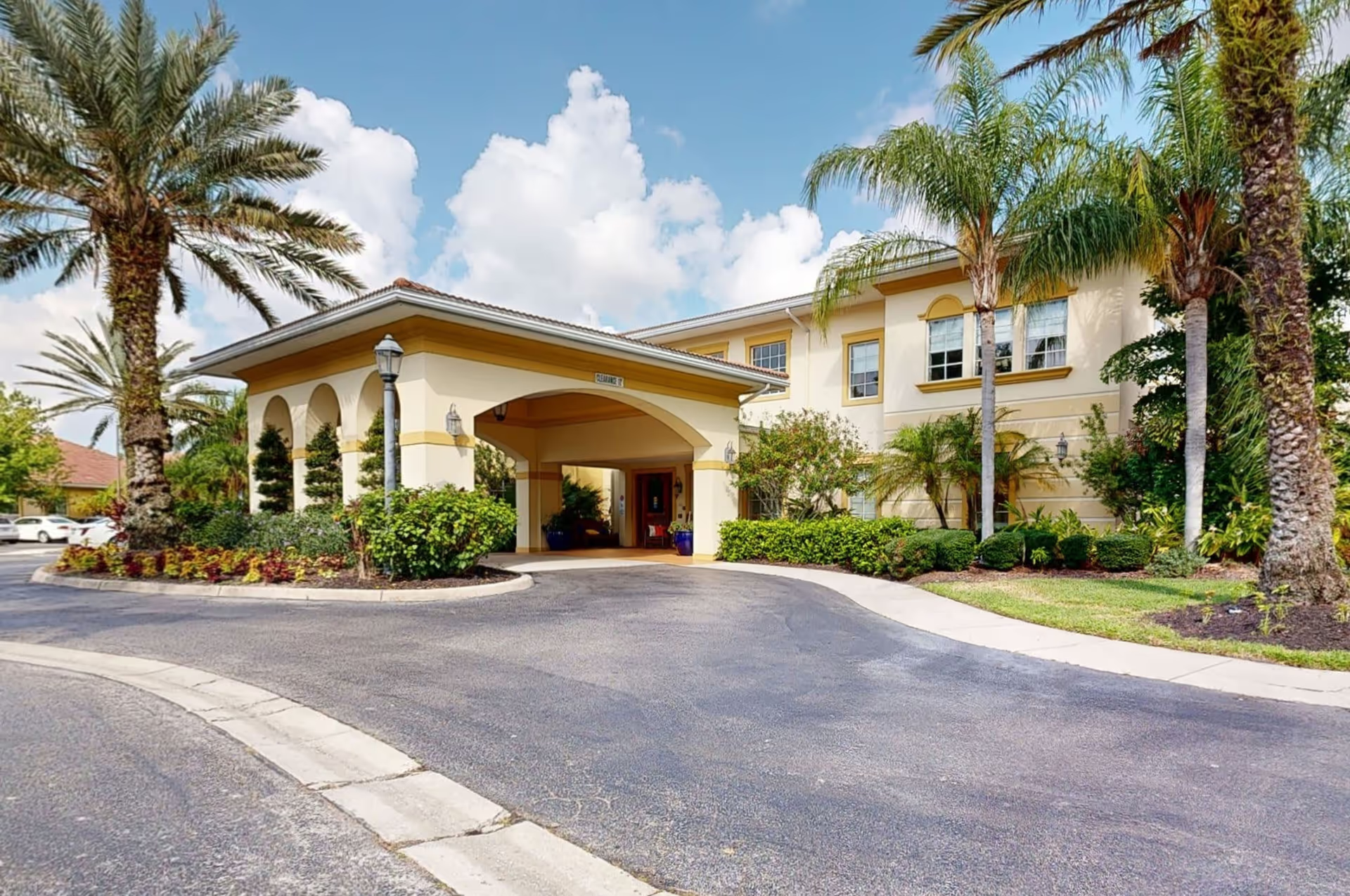
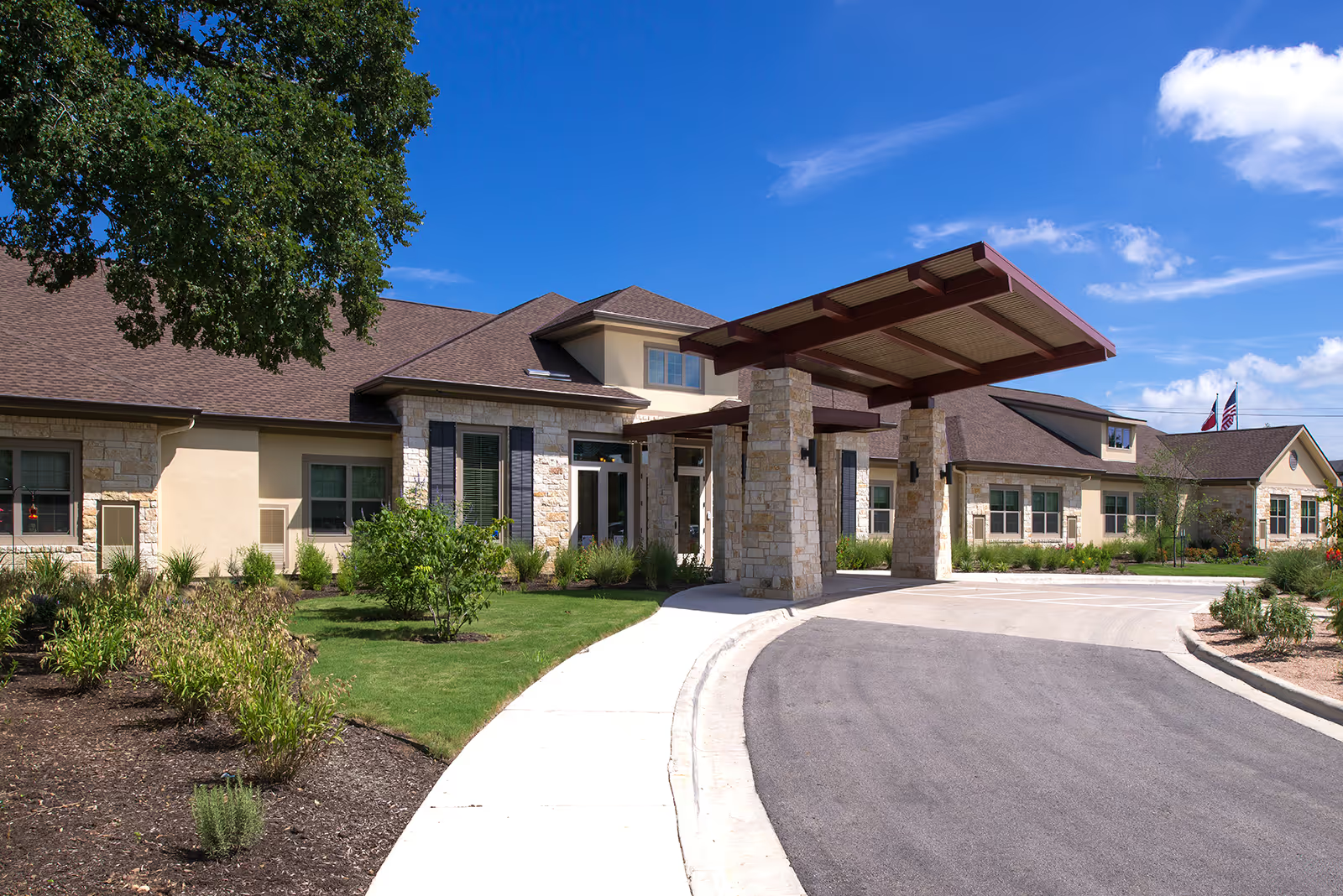
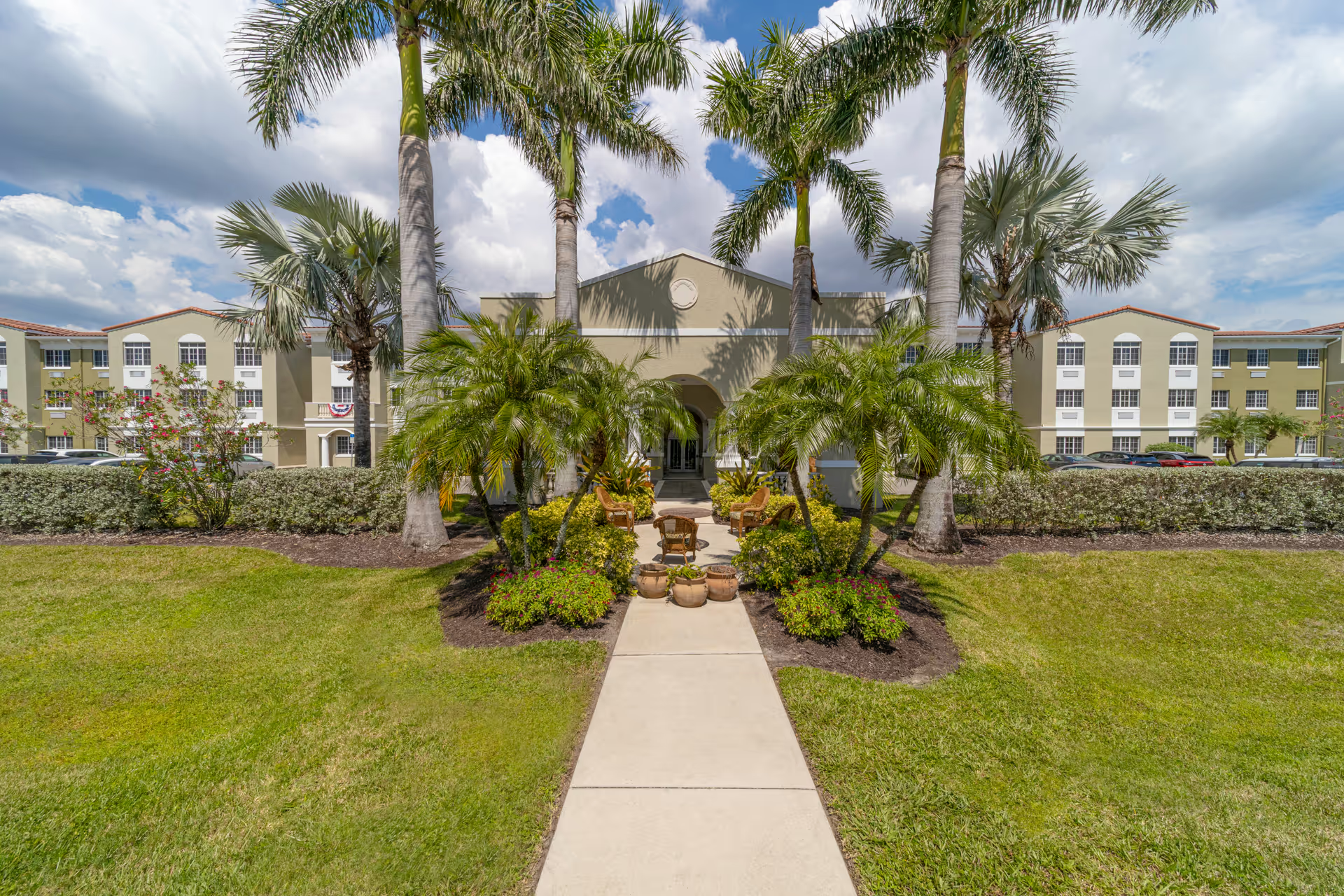
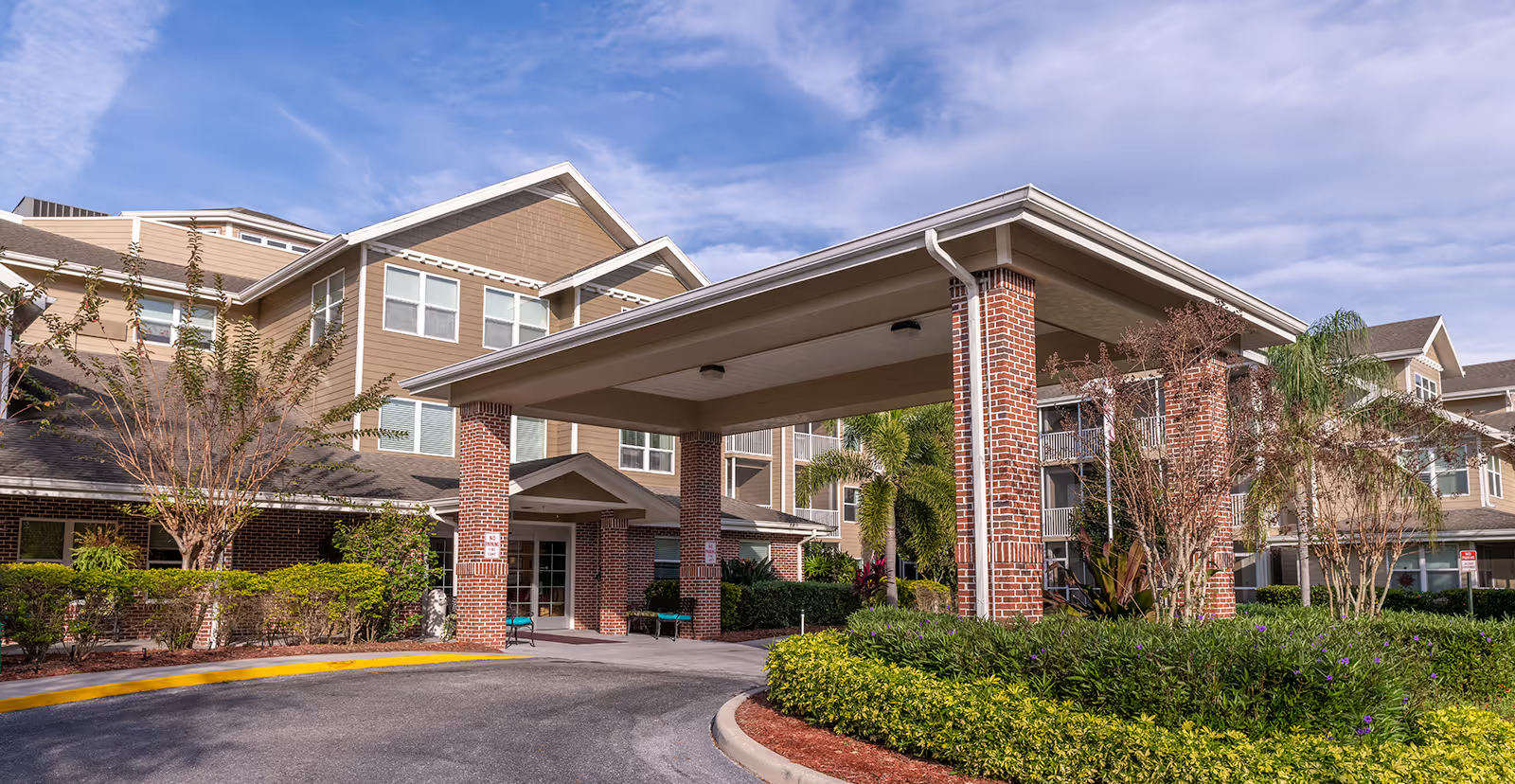
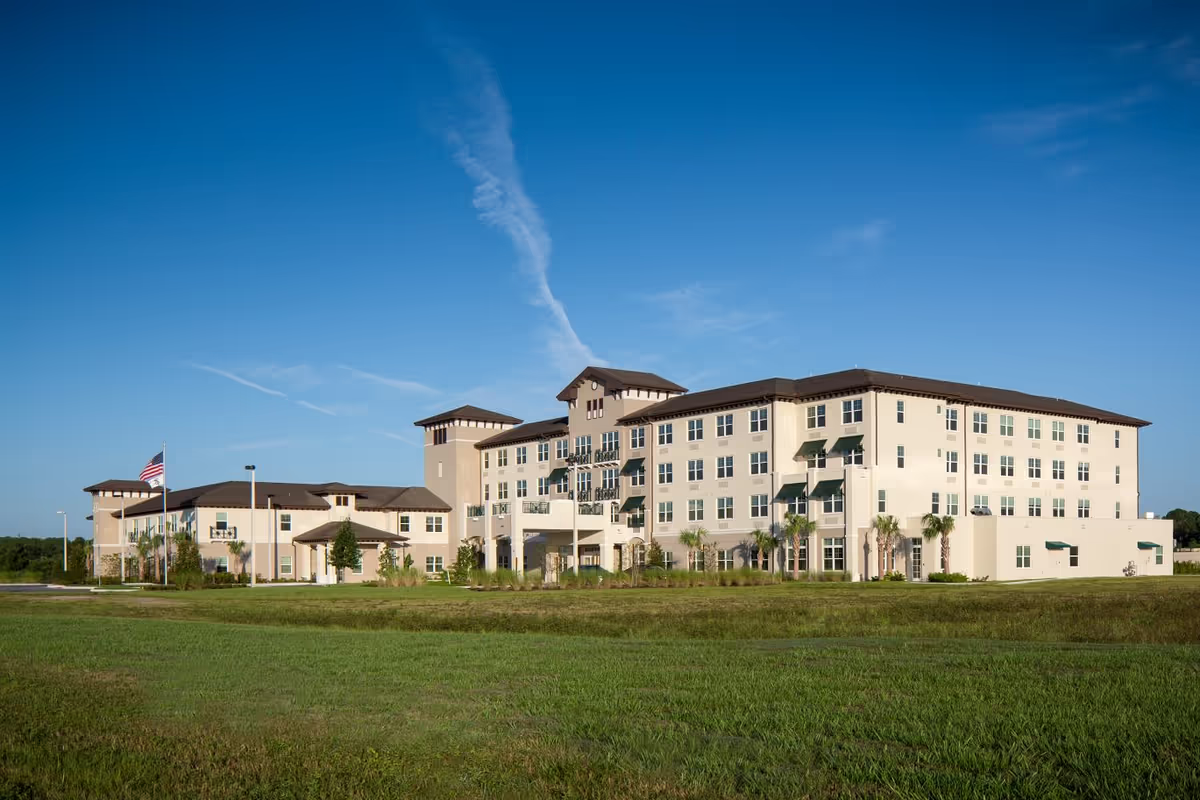
Facilities and logistics: The community is frequently described as freshly remodeled, secure, and designed for memory-care navigation; maintenance and housekeeping are often commended. At the facility level, recurring operational issues include sanitation or odor concerns in particular common areas, visible cleanliness inconsistencies (carpets or shared spaces), limited wheelchair accessibility for some off-site transport, and long waits for entry/exit due to front-desk procedures or restricted hours. Additionally, several families noted concerns about pricing transparency and extra fees. Ask for a walkthrough during peak times (mealtimes, activities, shift changes), review contract language closely, and inspect accessibility for planned outings.
Notable patterns and recommendations: The reviews present a polarized pattern — many families describe excellent, personalized memory care and a warm community; a smaller but consequential subset reports lapses in clinical consistency and communication that materially affected resident safety and wellbeing. When evaluating this community, prospective residents and families should (1) request current staffing ratios and agency-staff usage levels, (2) review medication-administration and incident-response policies, (3) verify training in diagnoses relevant to their loved one (beyond dementia), (4) observe mealtimes and activities, (5) inquire about sanitation and pest-control protocols, and (6) obtain a clear, written fee schedule. These steps will help assess whether the facility’s strengths align with a particular resident’s clinical and daily-living needs.