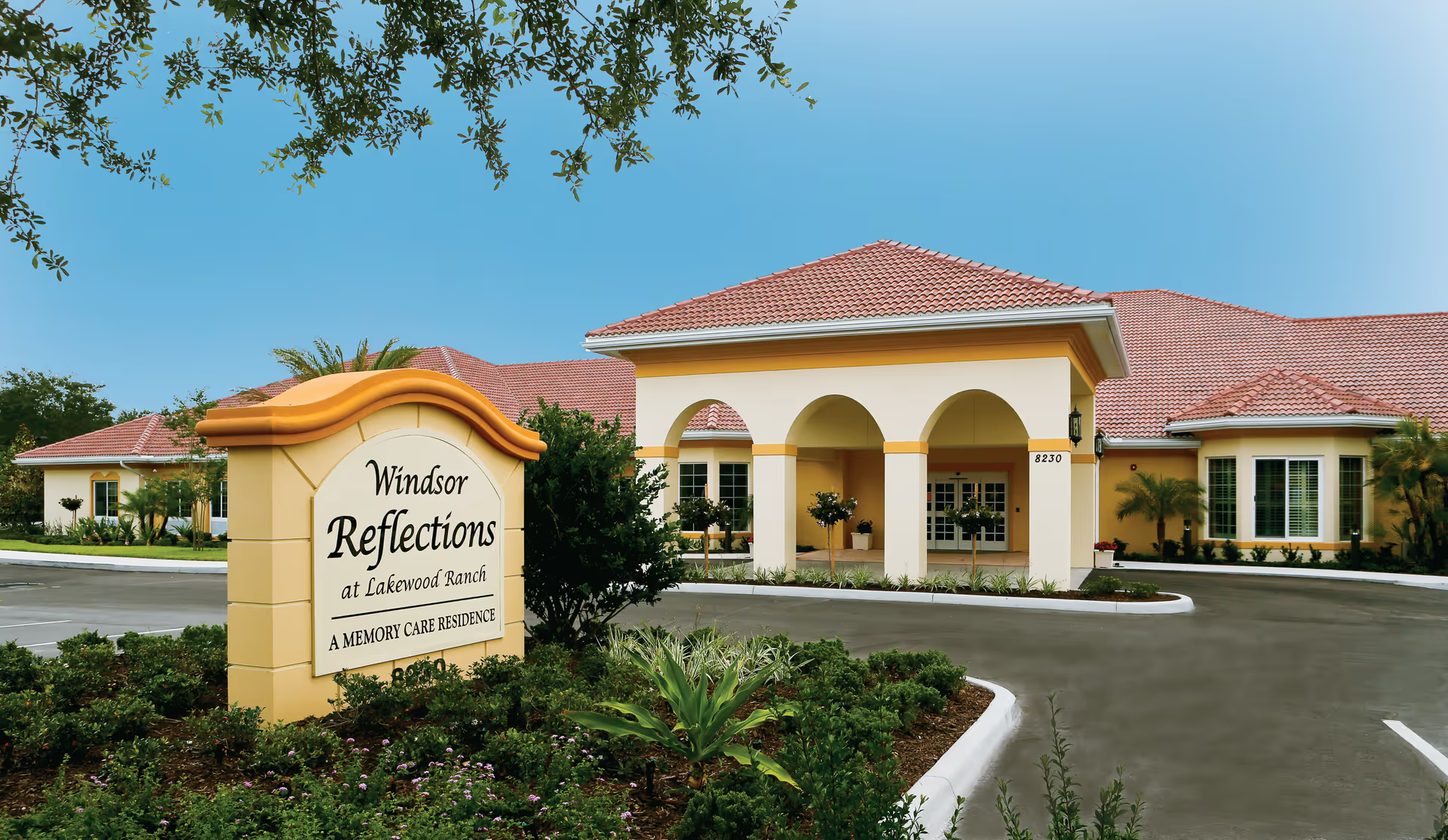
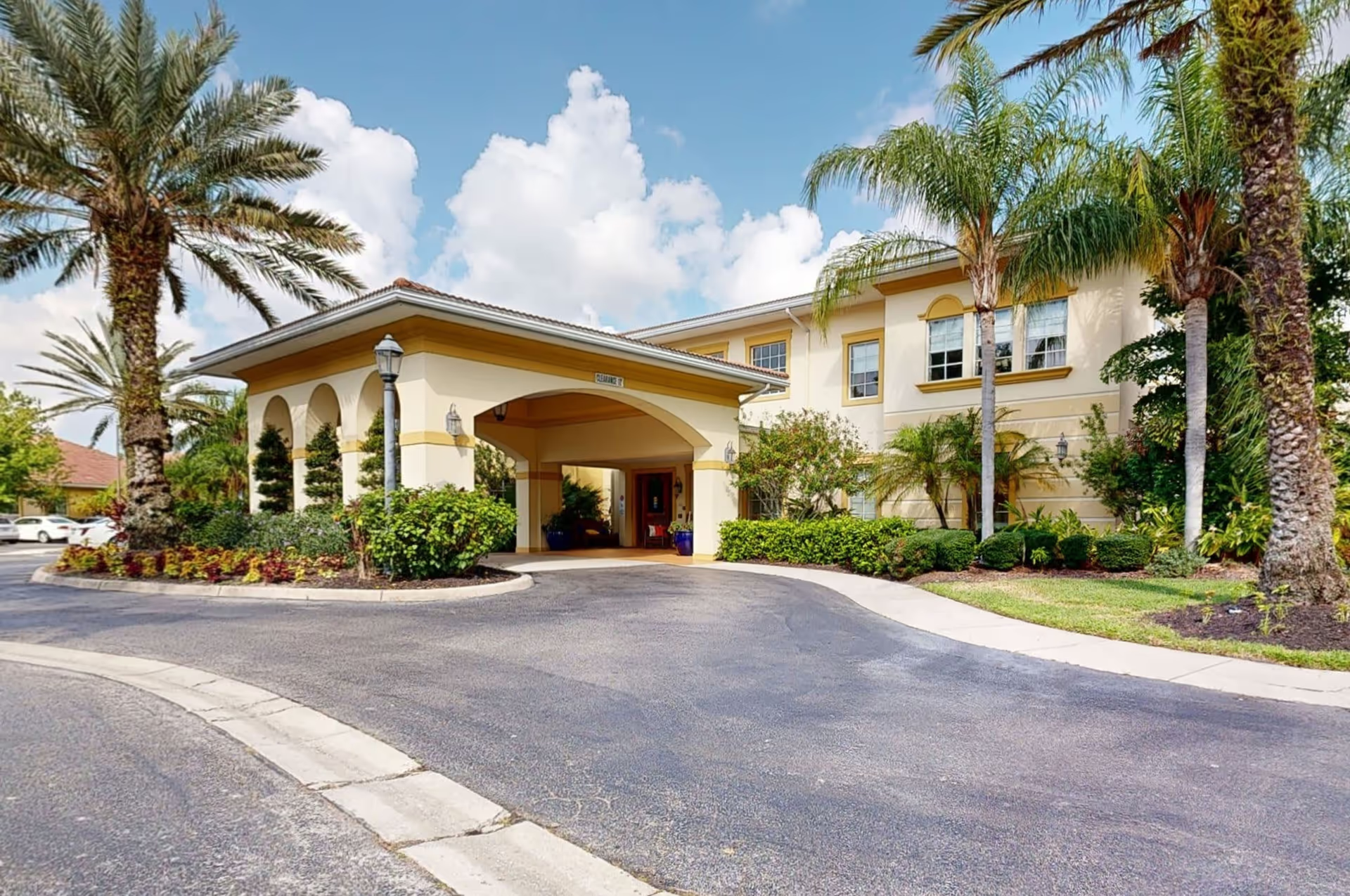
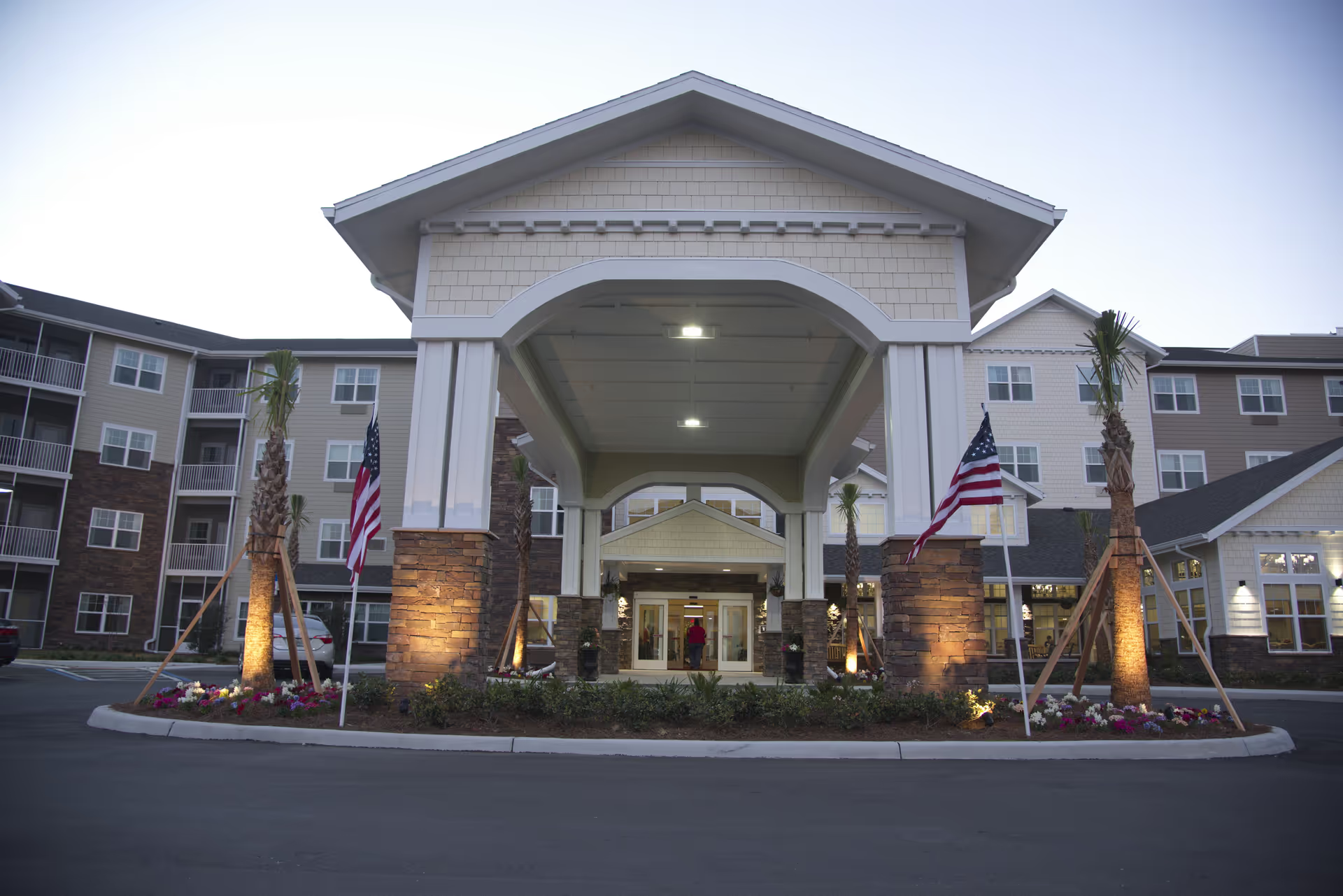
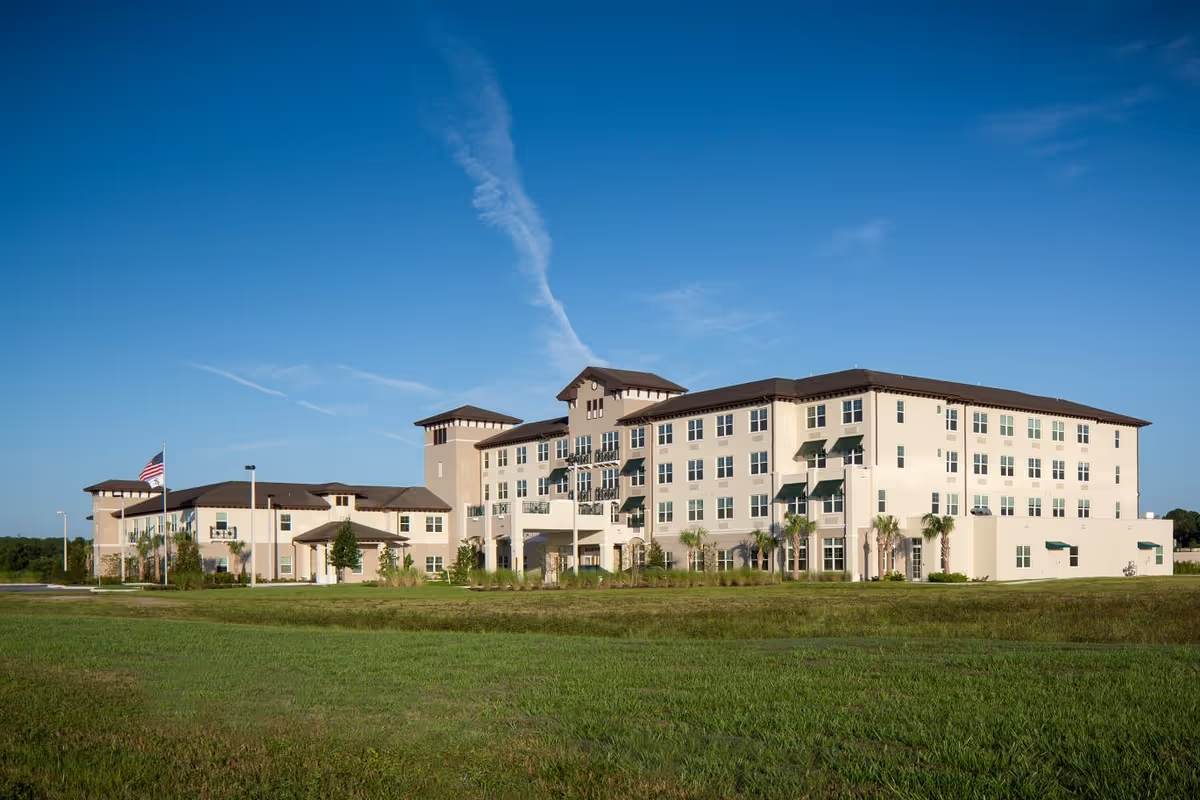
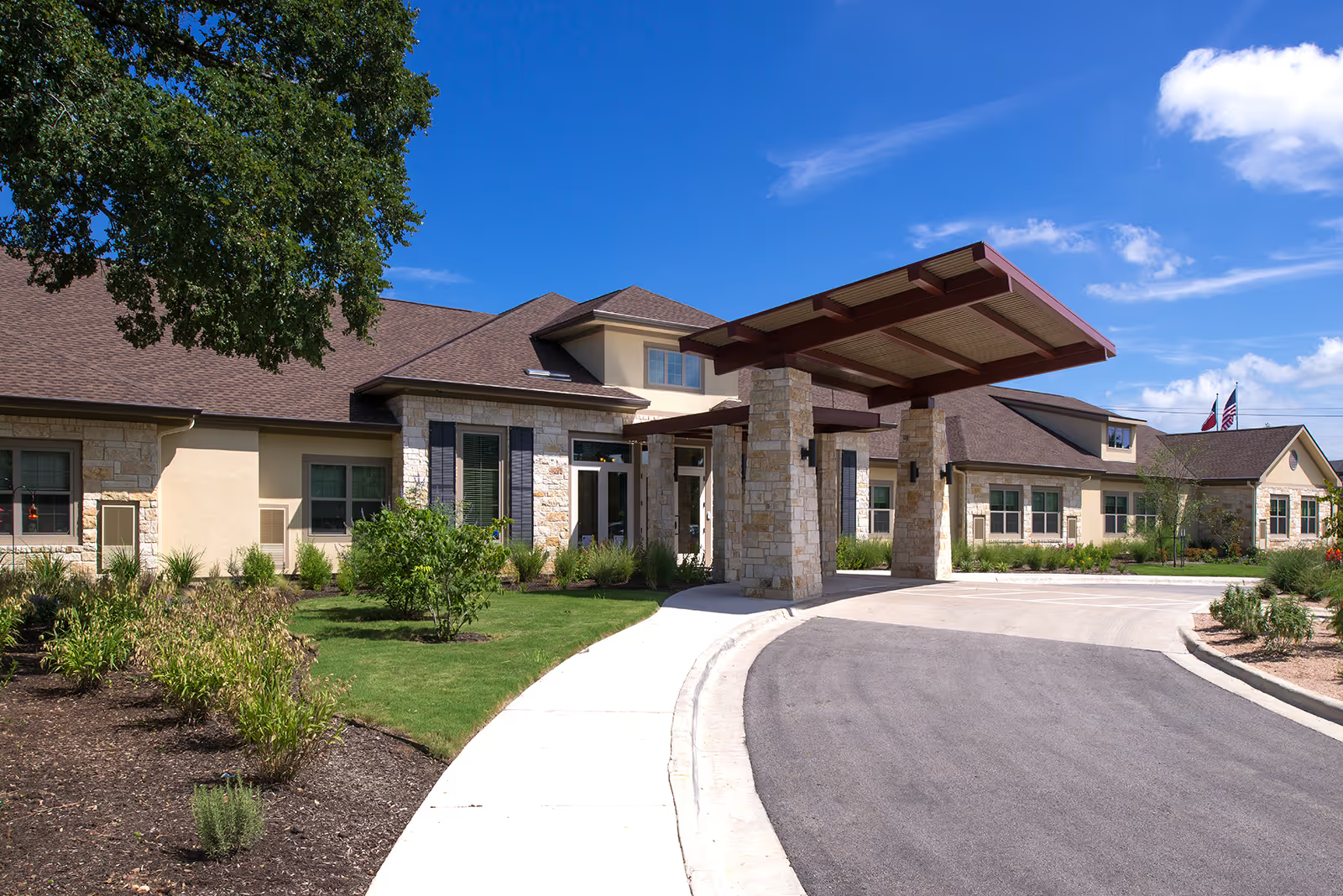
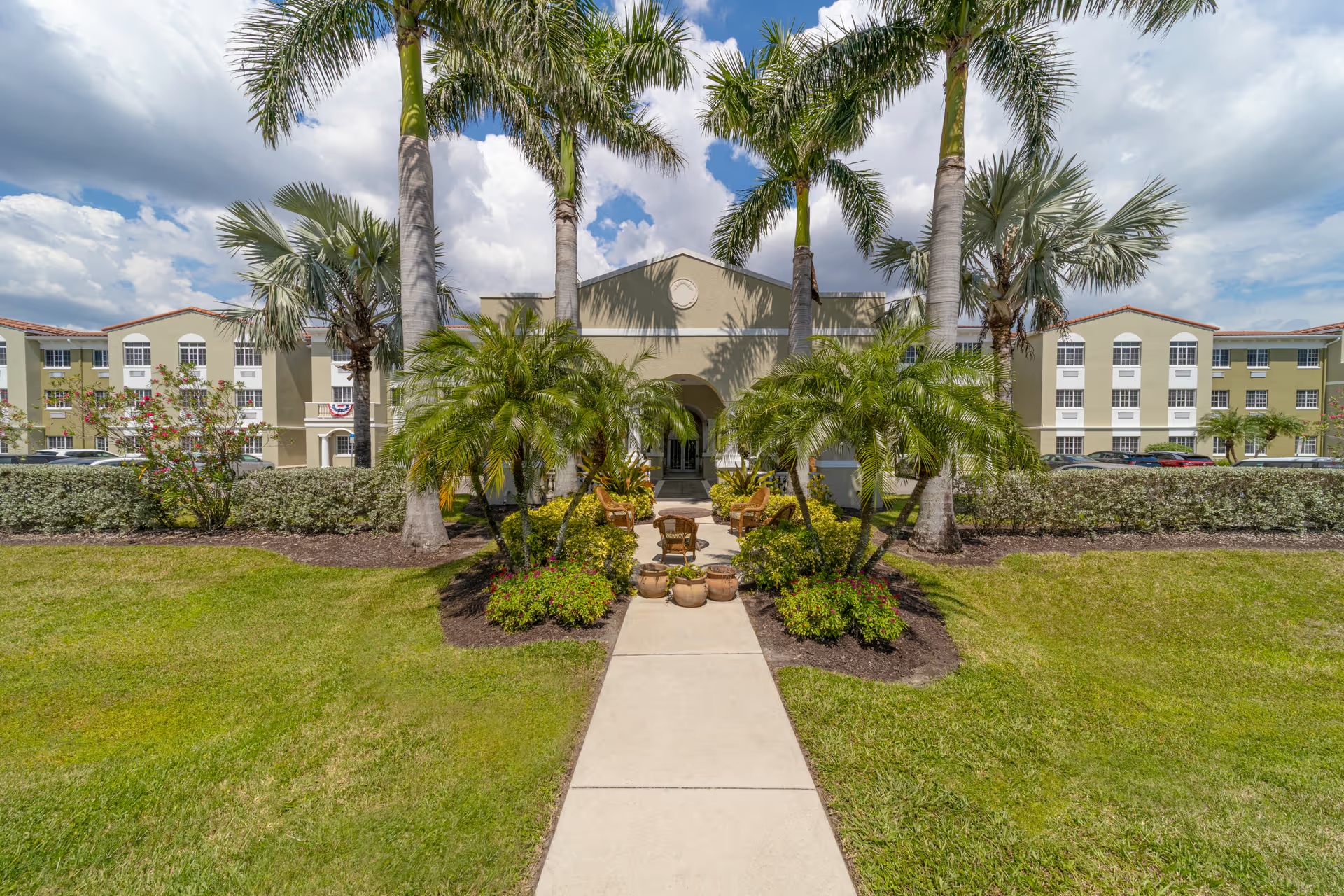
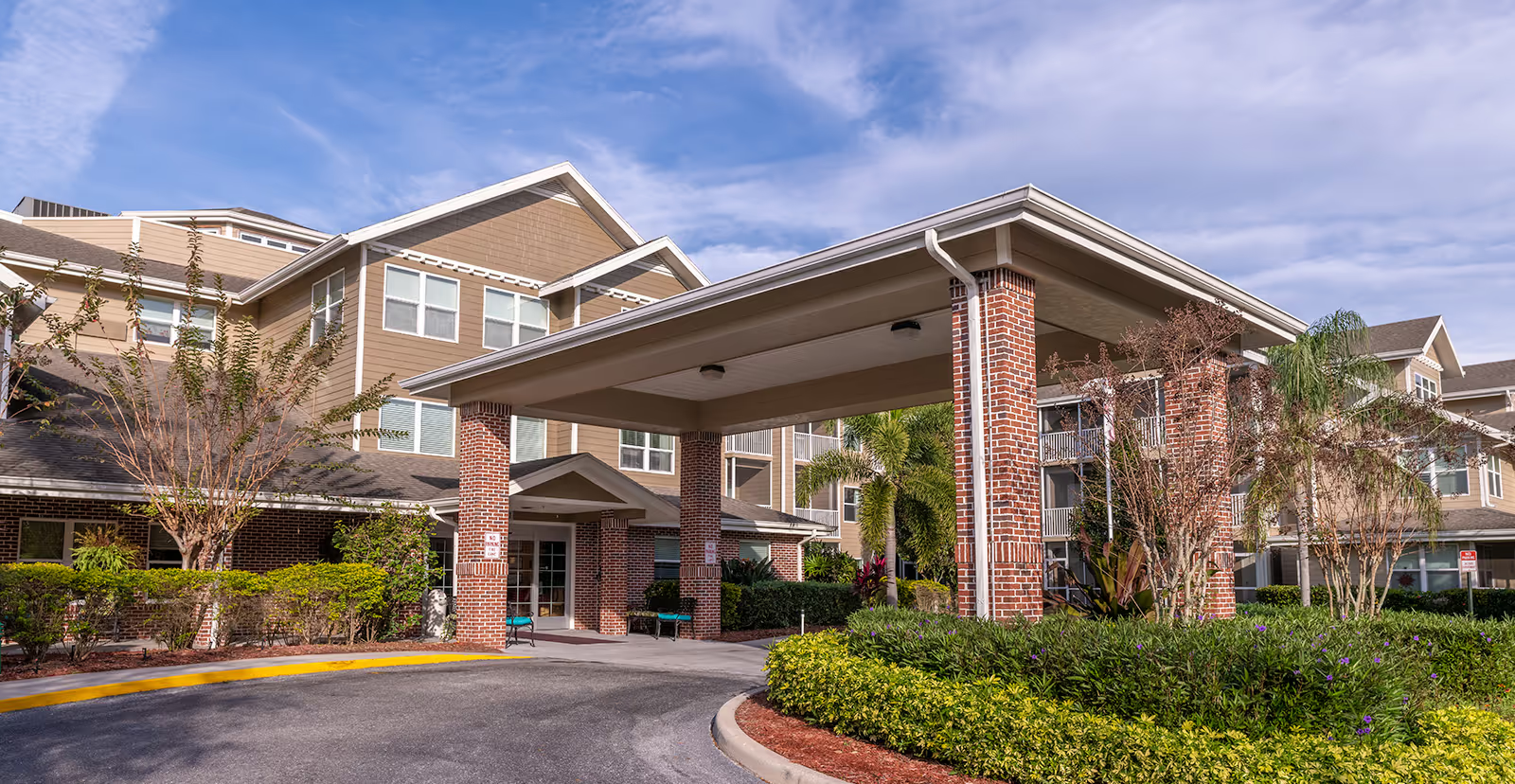
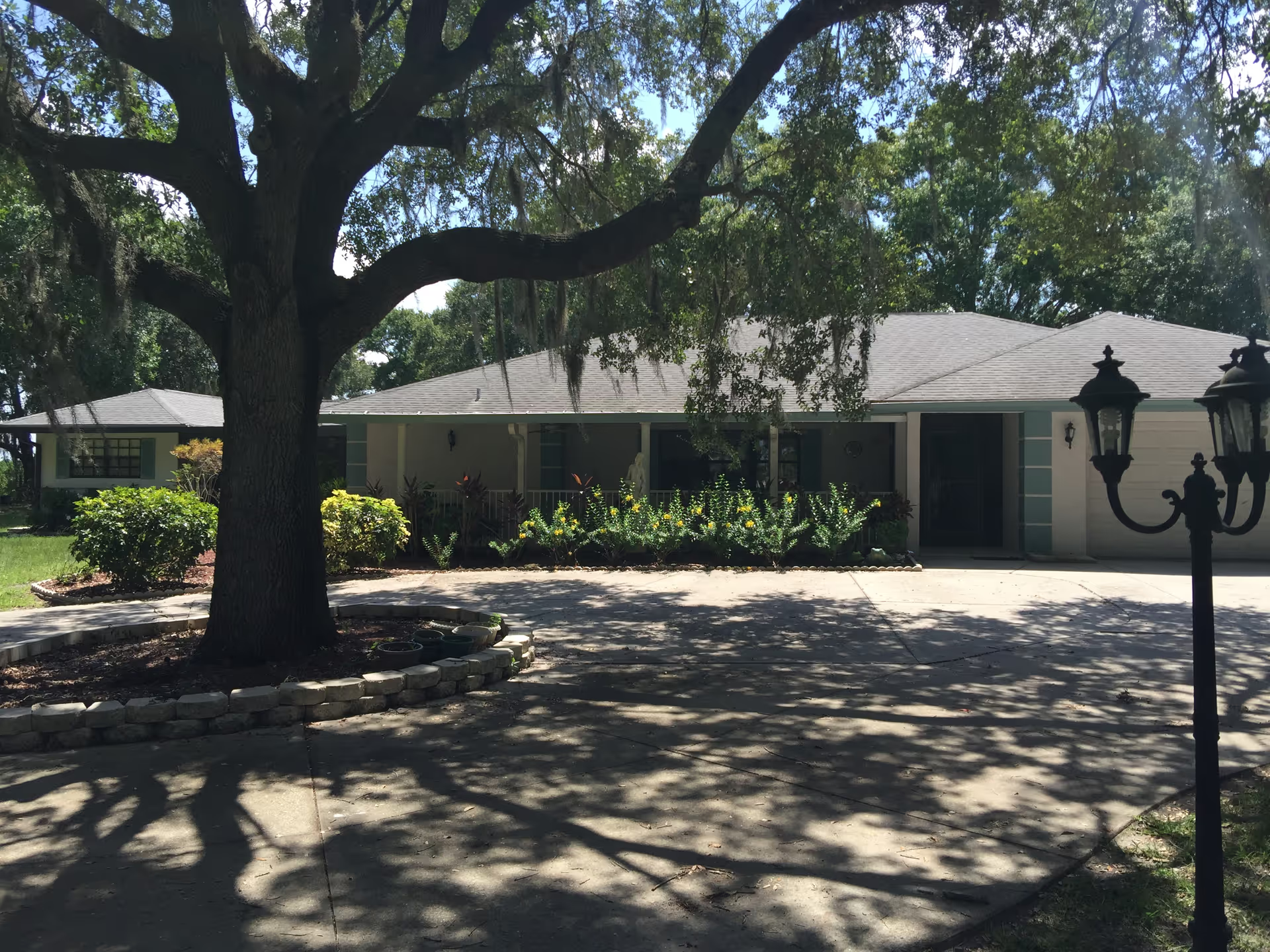
Overall impression: Reviews present a facility with many attributes typical of an upper-tier assisted-living community: a well-appointed, hospitality-oriented campus; a busy activities schedule; on-site fitness and wellness resources; and staff who many families and residents describe as warm, attentive, and personable. Admissions and tour staff are frequently singled out for professionalism and helpfulness, and the property’s public areas and amenity list (pool, gym, salon, bistro, theater, etc.) reinforce an upscale, hotel-like ambiance.
Care and staff: Care quality and staff engagement emerge as consistent strengths in the reviews. Multiple accounts highlight compassionate, individualized interactions, staff familiarity with residents’ names, and staff support during major life events. The community’s age-in-place model and availability of medical support and life-alert systems are noted as important positives for families seeking continuity of care. At the same time, a few reviews raise concerns about management decisions and policy enforcement; these are framed as operational and leadership issues rather than systematic clinical-care failures, but they are salient for prospective residents evaluating governance and accountability.
Dining and activities: Dining and activities are central selling points. Many reviewers praise chef-led menus, varied dining venues, and an active calendar of fitness, arts, outings, and resident-led events. The fitness/wellness department and exercise offerings receive particular praise. However, dining quality is inconsistent across reviews: while some describe exceptional, fresh food and multiple daily menu options, others characterize meals as mediocre or not meeting expectations. Prospective residents should plan a meal visit to assess current dining performance and consistency.
Facilities and maintenance: The property’s public spaces and landscaping are widely described as attractive and well maintained, contributing to the upscale feel. Apartment size and layout options are often viewed positively. Conversely, there are recurring comments about finish-level and construction inconsistencies in resident apartments (missing expected features, cheaper finishes), along with isolated sanitation-related concerns, pest-control issues, and water-quality complaints in some units. These items suggest variability in unit condition and building systems that prospective residents should inspect carefully during a tour.
Management, operations, and value: Price sensitivity is a clear pattern — many reviewers describe the community as expensive, and some question whether cost aligns with delivered value. Concerns about management consistency, policy enforcement, and corporate decision-making appear in several accounts; these underline the importance of asking about contract terms, extra fees (including second-person pricing where relevant), and the community’s escalation and grievance processes. Technology infrastructure reliability (internet and satellite TV) and occasional gaps between marketed amenities and what is actually installed are additional operational areas to probe.
Bottom line and guidance: This community offers strong people-centered care, a broad activity program, and upscale public amenities that will appeal to residents seeking an active, hospitality-style assisted-living experience. At the same time, noted weaknesses — variable dining quality, affordability questions, inconsistent apartment finishes, and some operational/management concerns — warrant careful, targeted due diligence. Recommended steps for prospective residents and families include touring multiple apartment types, eating a meal on-site, reviewing the resident contract and fee structure, asking for recent pest-control and water-quality records, and discussing specific maintenance and technology-service guarantees with leadership before committing.