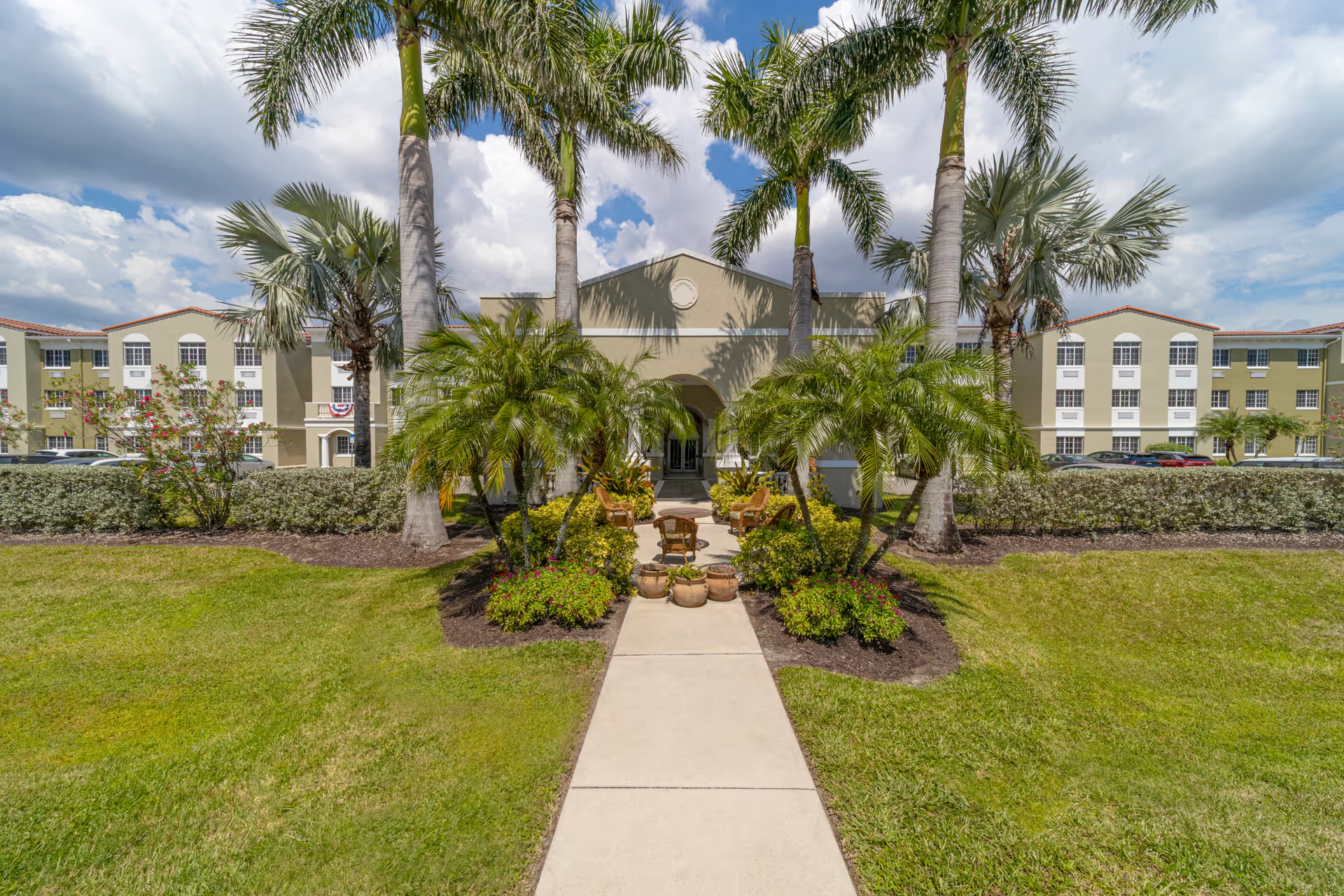
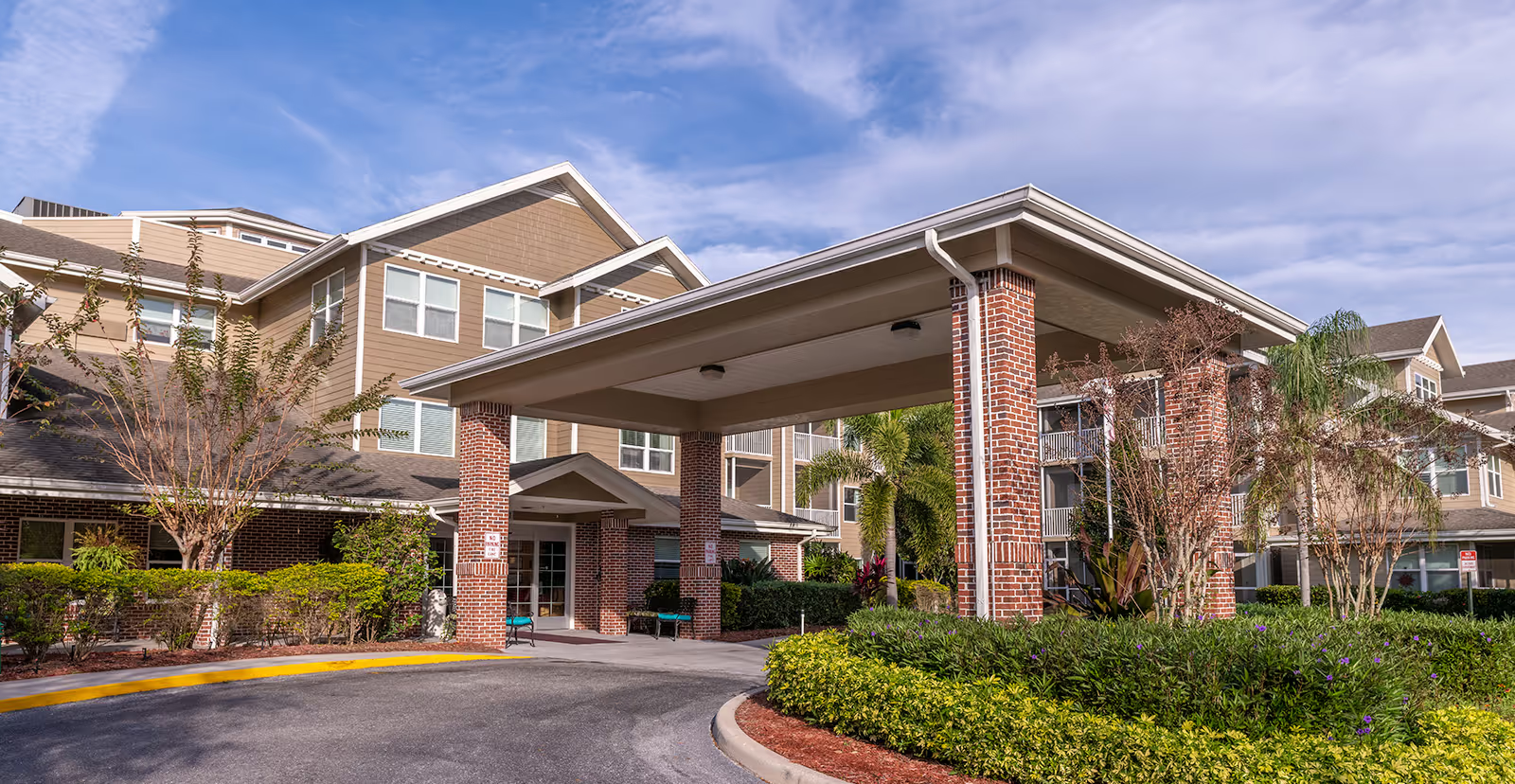
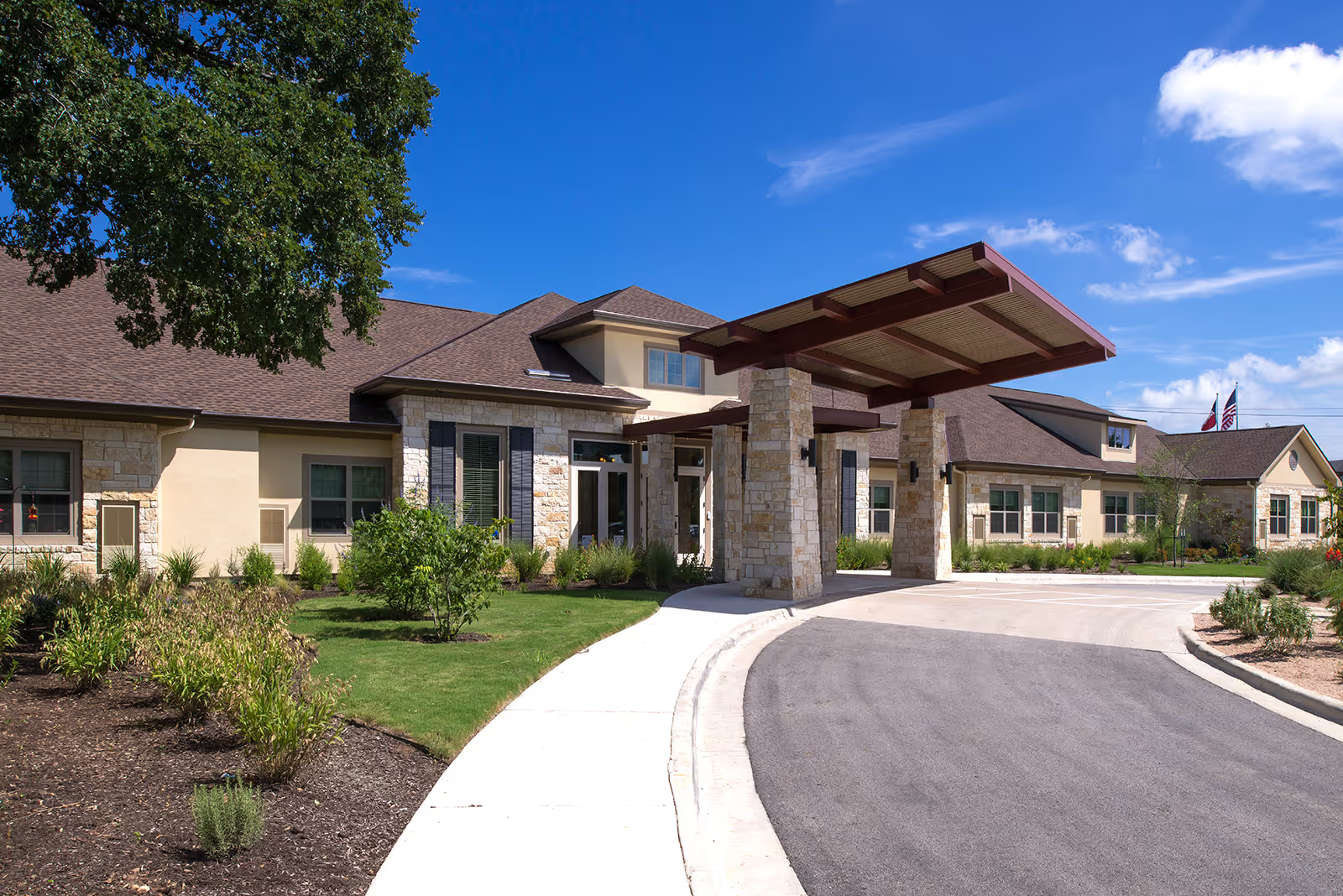
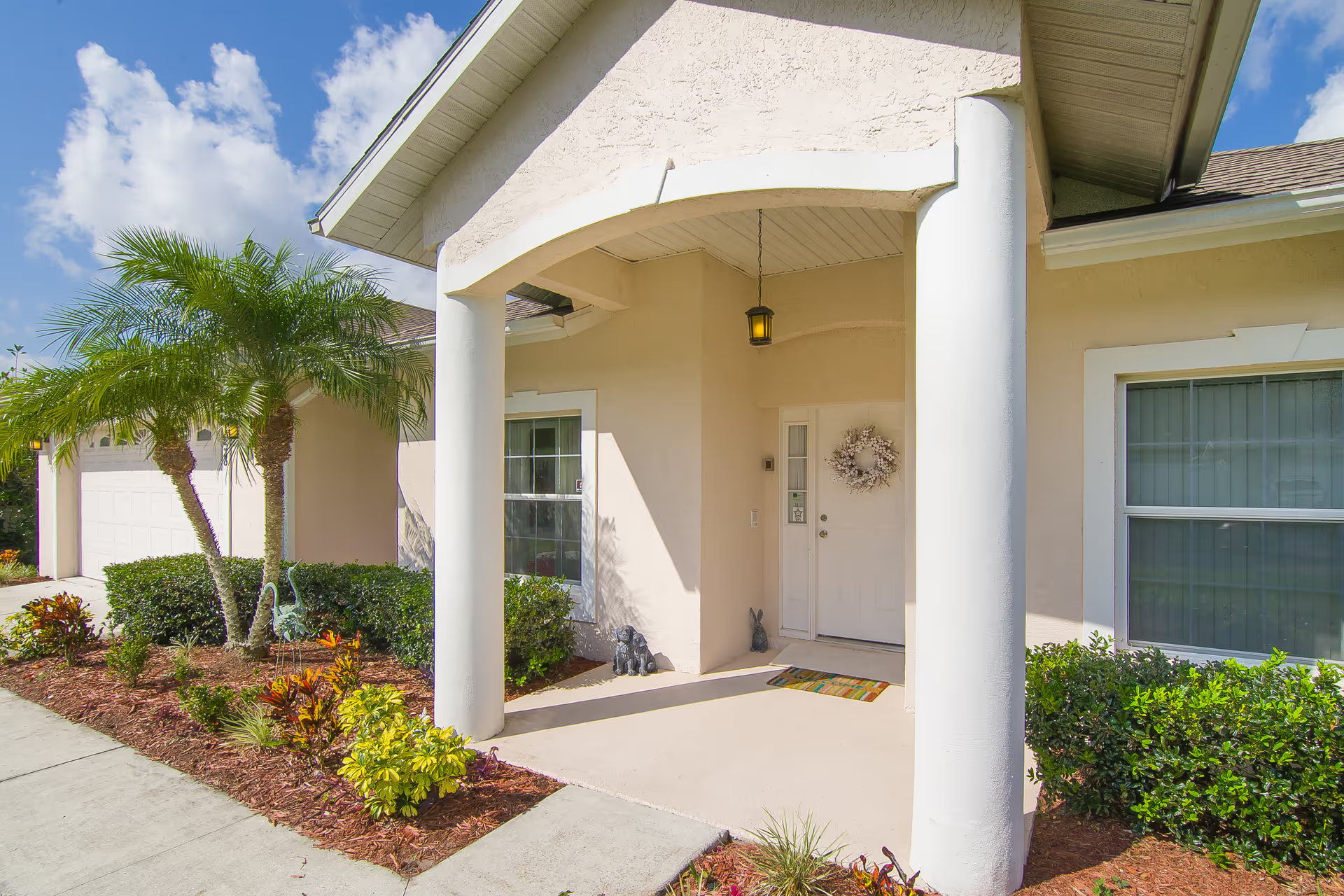
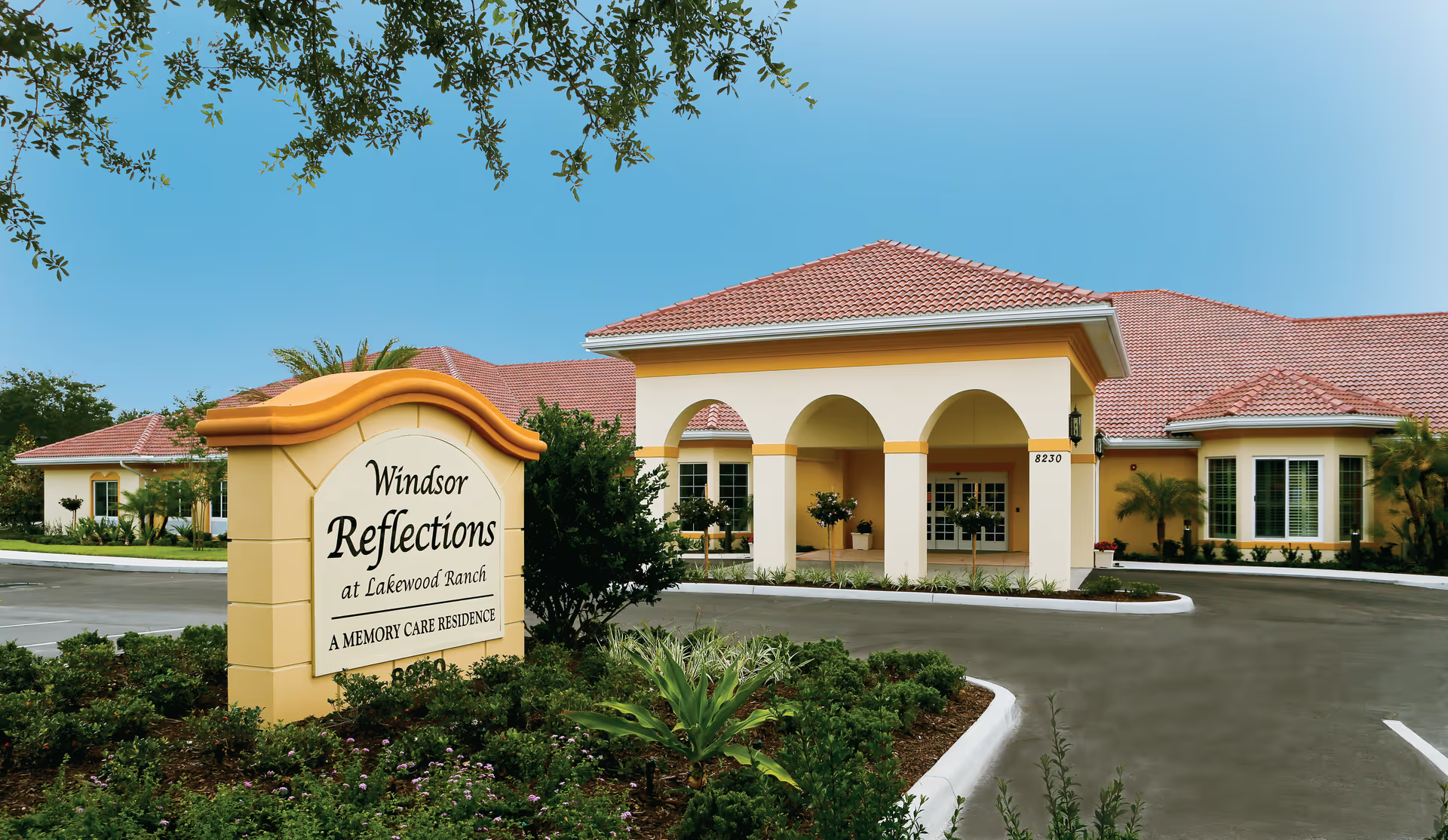
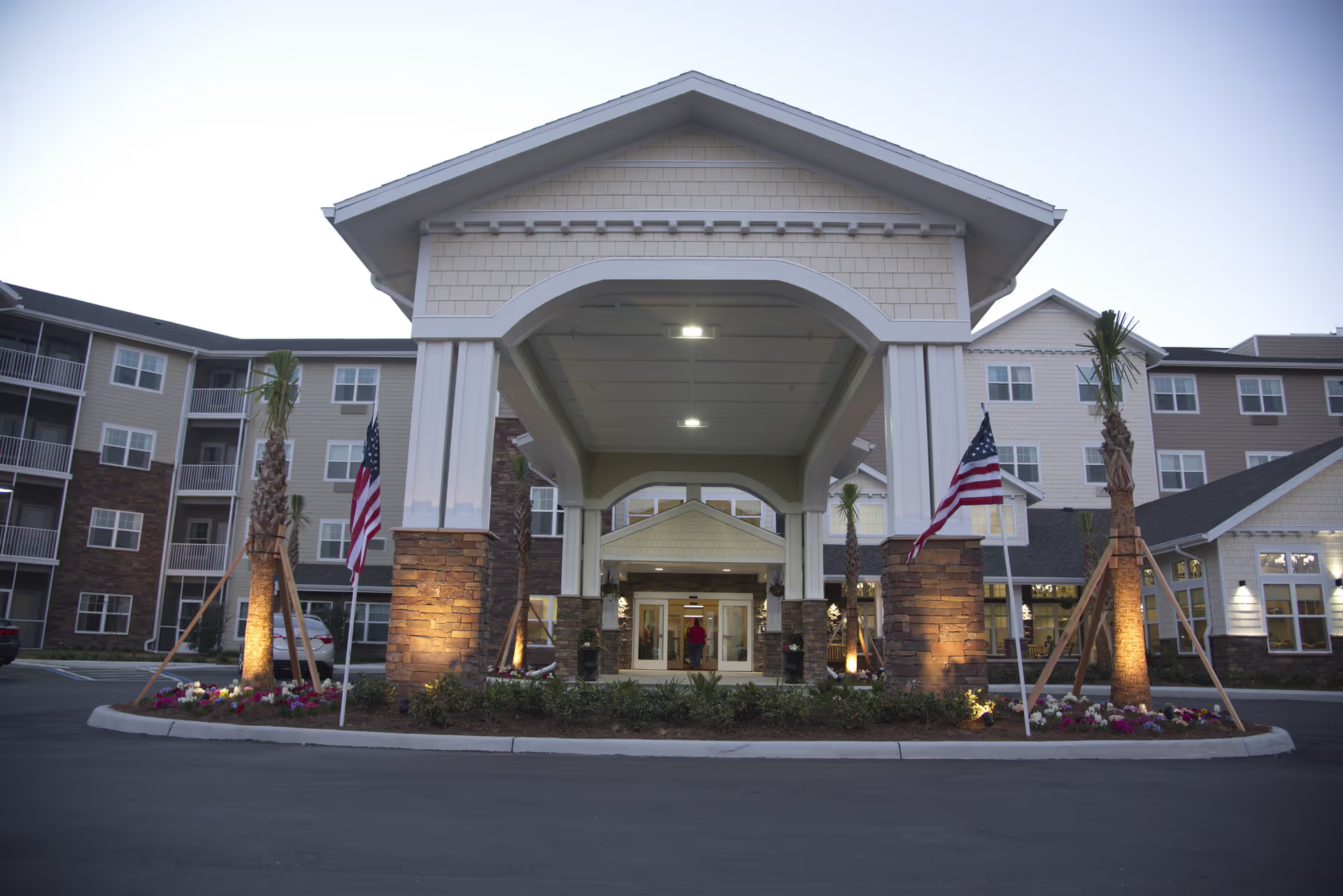
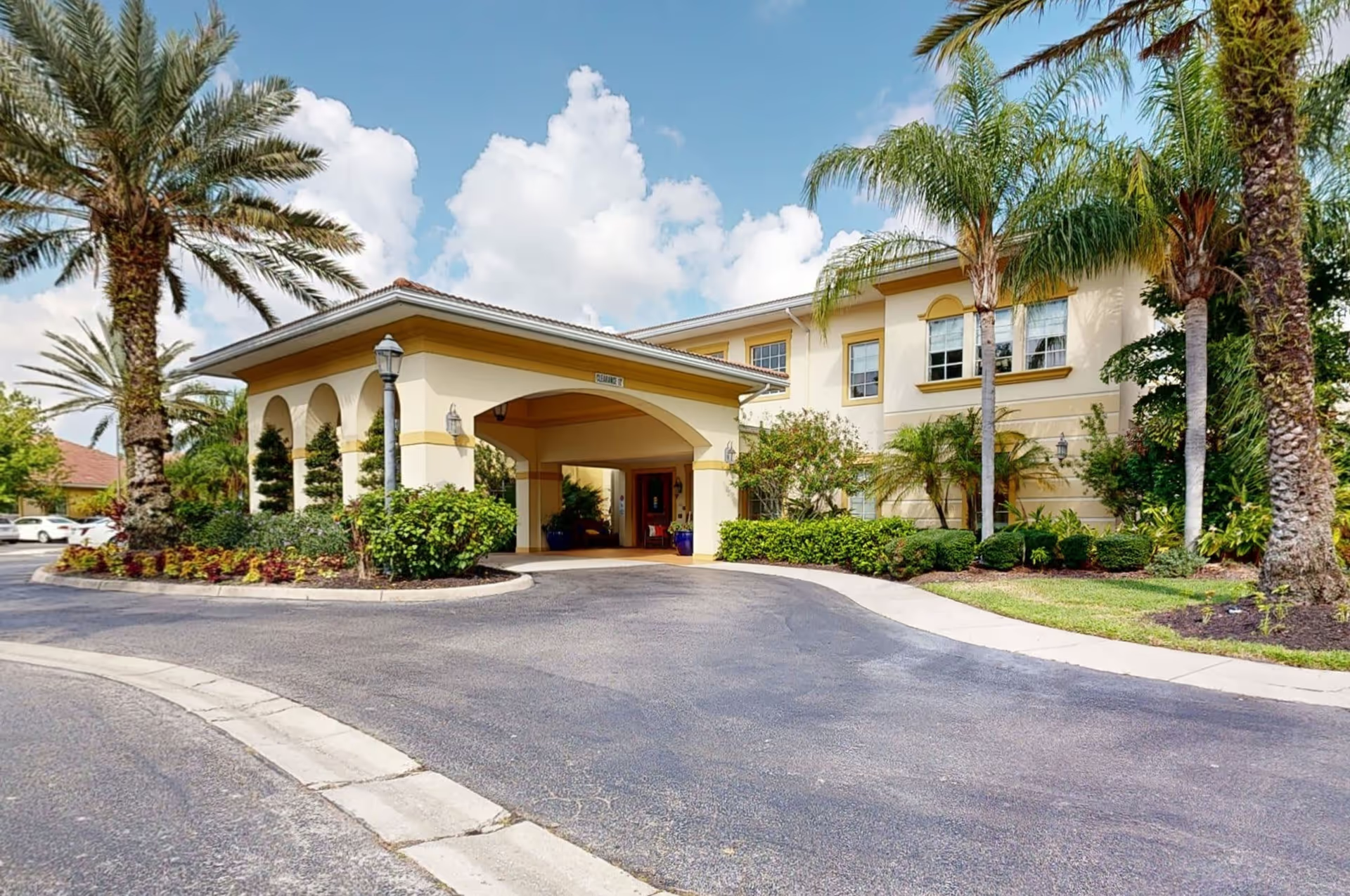
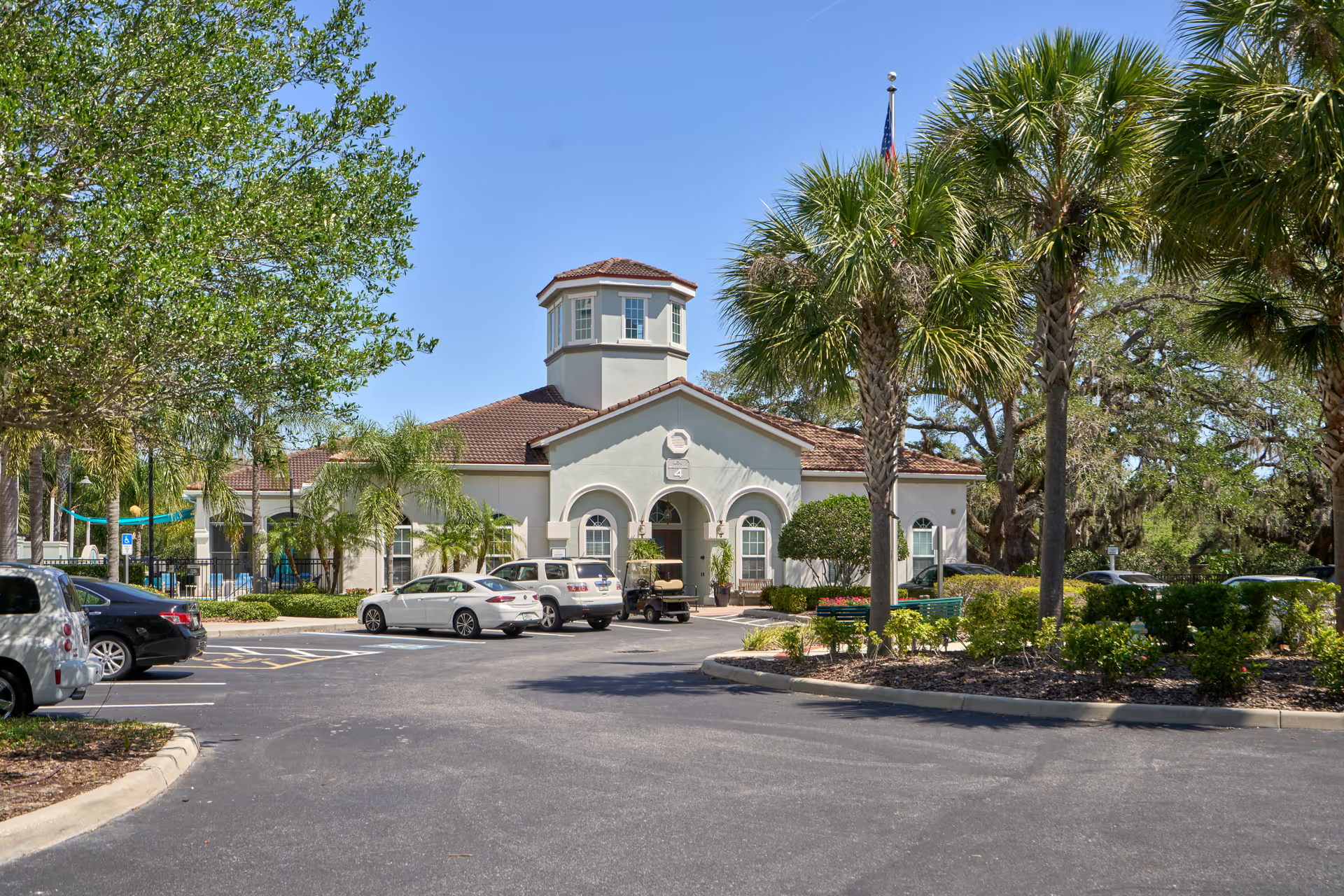
The Fountains of Hope elicits strongly mixed impressions. Many reviewers praise the physical environment: a newer, attractively maintained building with roomy apartments or studios that often include kitchenettes, multiple common spaces (theater, craft room, gym), and pleasant outdoor landscaping. Dining receives frequent positive mention for diverse menus, fresh options, and flexible meal timing; several families described coordinated meal service and accommodating kitchen staff. Activity programming is also a consistent strength when available, with music, outings, faith-based groups, and low-pressure activities cited as improving resident quality of life.
Direct-care staff draw both commendation and concern. Numerous accounts describe caring, attentive CNAs, helpful receptionists, and engaged activities and wellness coordinators who facilitate doctor appointments and daily needs. These positives are counterbalanced by recurring operational concerns: high staff turnover, inconsistent staffing levels (notably overnight coverage), and uneven training that reviewers say affects responsiveness and basic care routines. Several families described hygiene-care delays and cleanliness issues in particular units, and others cited variable personal-attention levels tied to shift staffing and facility size.
Clinical oversight and safety are areas of notable variability. Some reviews reference supportive nursing coordination and onsite medical visits; others indicate limited clinical depth (few RNs or on-site physicians, reliance on LPNs and med-techs) and gaps in rehabilitation services. Safety-related patterns include instances of unlocked doors in memory-care areas, wandering incidents, and concerns about night staffing adequacy. Communication and escalation pathways between families and leadership are described as inconsistent, with reports of restricted visitation and administrative disputes in some cases; there are mentions of regulatory or legal interactions involving leadership that prospective families may wish to clarify during tour conversations.
Operational issues extend to food-service continuity and housekeeping in certain reports: reviewers describe irregular meal timing, occasional long waits, and inconsistent portion sizes or presentation. Conversely, other families describe excellent food and timely service. Activity availability can differ by unit — memory-care programming is sometimes described as limited compared with assisted-living areas. Cost and value perceptions vary; some families consider pricing competitive given the facility and services, while others feel cost is high relative to the level of clinical or staffing consistency.
In summary, The Fountains of Hope offers many features attractive to prospective residents — modern, well-kept facilities; engaging social and spiritual programming; and frequently praised dining and front-line staff. At the same time, reviewers point to operational and leadership inconsistencies that have tangible effects on clinical oversight, night coverage, cleanliness in parts of the community, and family communication. Prospective residents and families should tour multiple units, ask for current staffing ratios and nursing coverage details (including night and memory-care staffing), review recent inspection or regulatory records, and speak with both leadership and current families about consistency of services before deciding.