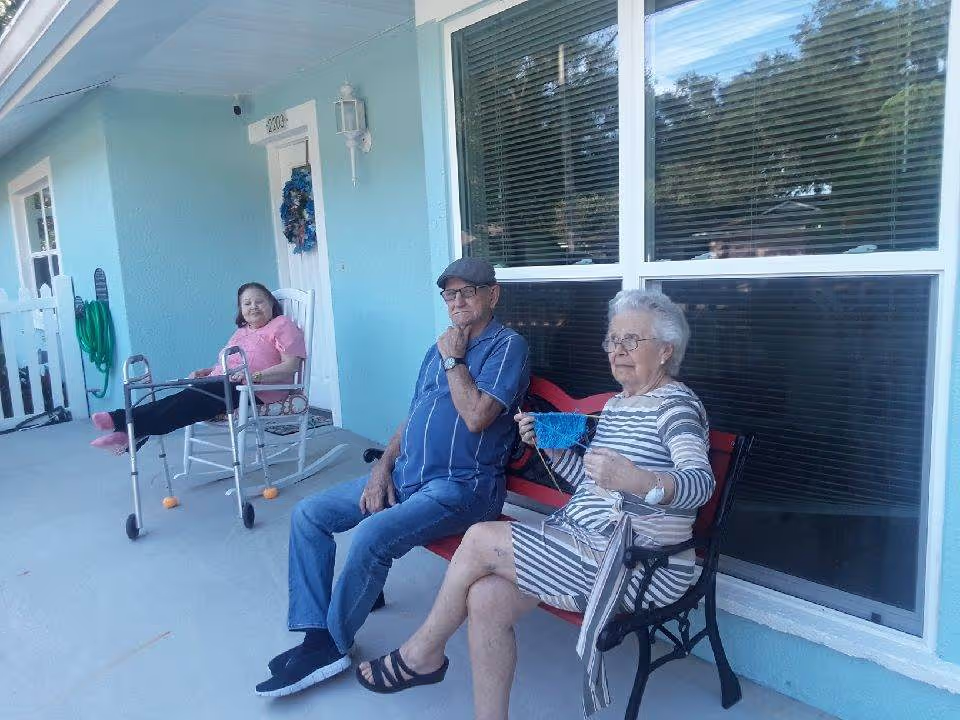
Reviews of Ava Cares IV present a strongly mixed picture. Several families praise the facility for its small, home-like environment and close staff–resident relationships, while other accounts describe serious operational concerns. This creates a polarized view in which the facility's size and staffing model are seen as either a strength (allowing individualized attention) or a liability (exposing gaps when staffing or training are inconsistent).
Care and staff: Many reviewers highlight compassionate, attentive caregivers, one-on-one attention, and dementia-capable support that helped stabilize mood and behavior for residents with cognitive impairment. On-site medical visits and hospice availability were also cited positively, with some families noting timely and accurate medical attention. Counterbalancing these positives are recurring concerns about inconsistent staff training, staff being overworked, and frequent turnover; these issues were described as reducing continuity of care and limiting resident–staff interaction at times. Several families also described communication gaps between management and relatives, which contributed to frustration during care transitions or clinical changes.
Dining and activities: Accounts of meals are inconsistent. Some families praised the food and overall dining experience, while others raised concerns about food quality, ingredient sourcing, and kitchen-area odors. Activity levels were similarly variable: a number of reviewers appreciated family-oriented events and inclusion in celebrations, but others described limited programming and insufficient day-to-day engagement for residents. Prospective families should expect variability in both meal service and activity programming and inquire specifically about menus, therapeutic activity schedules, and dining oversight.
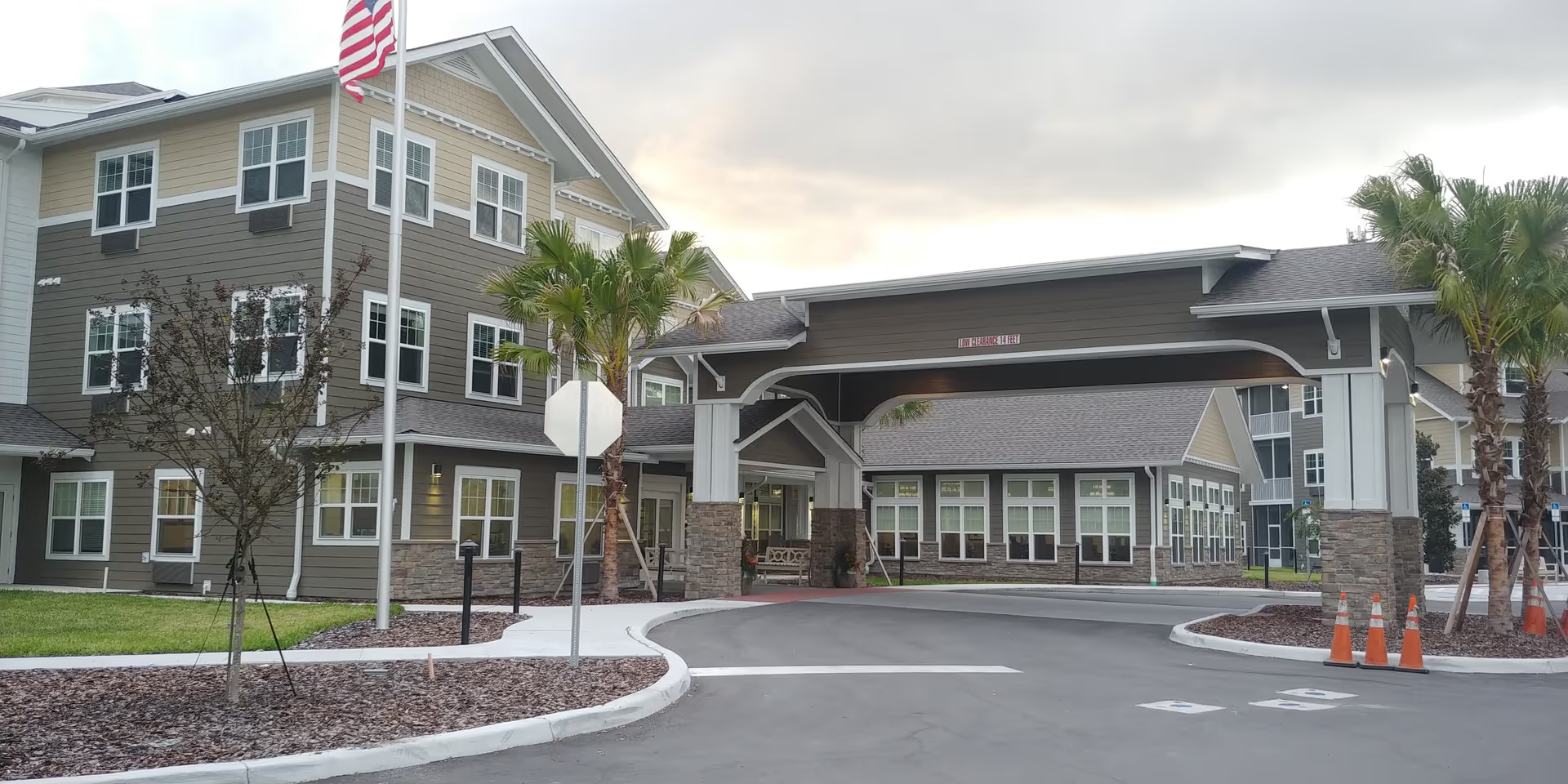
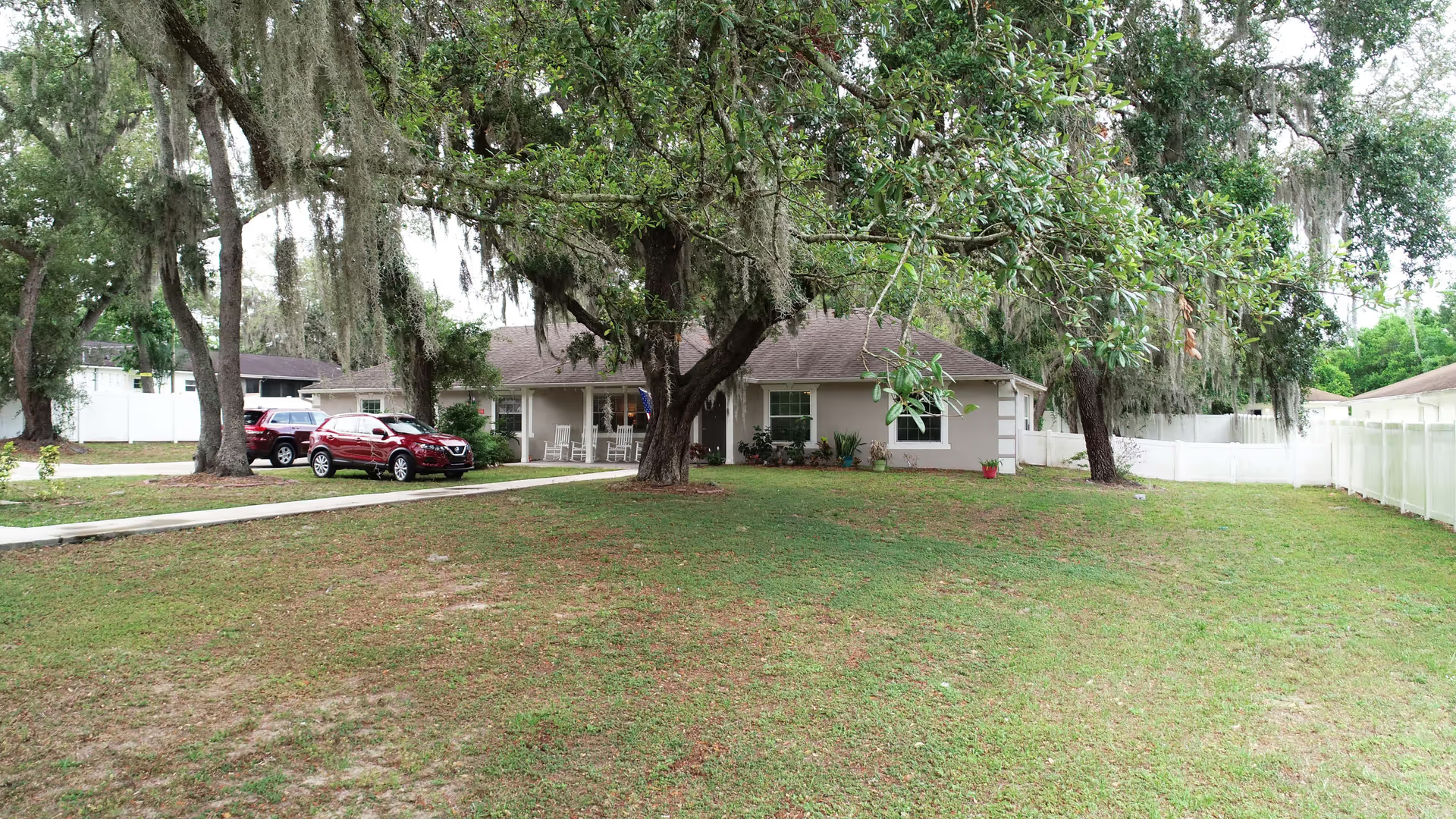
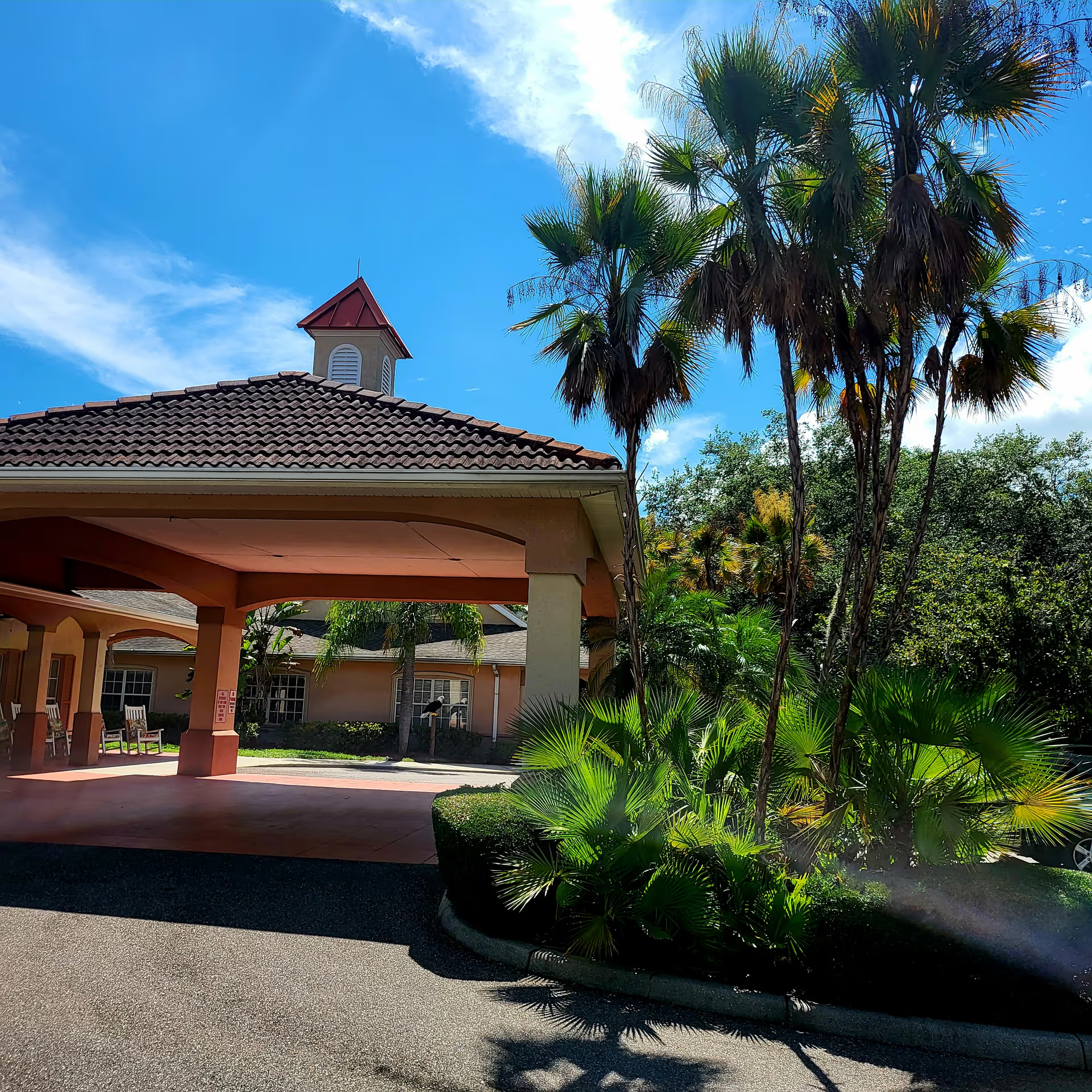
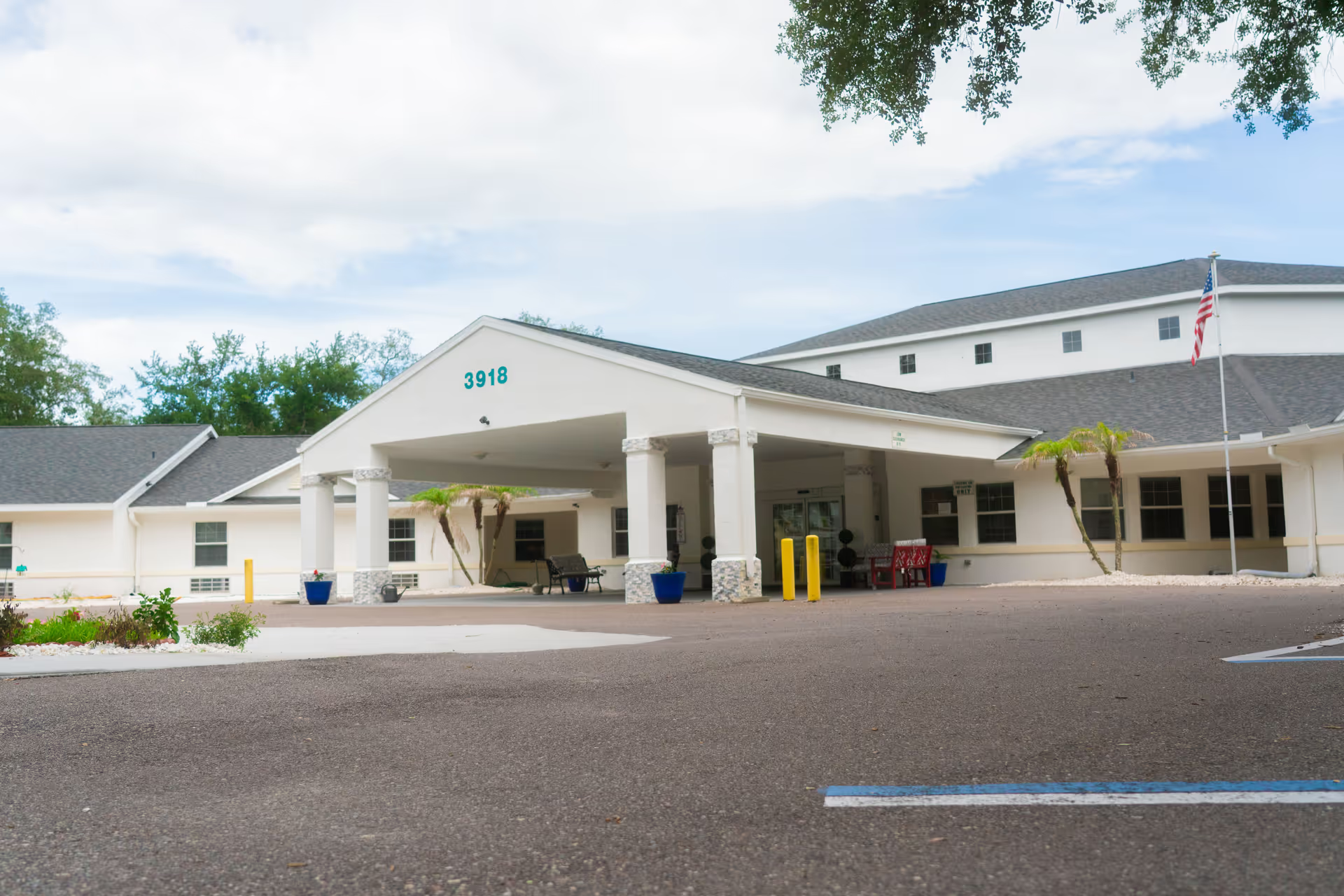
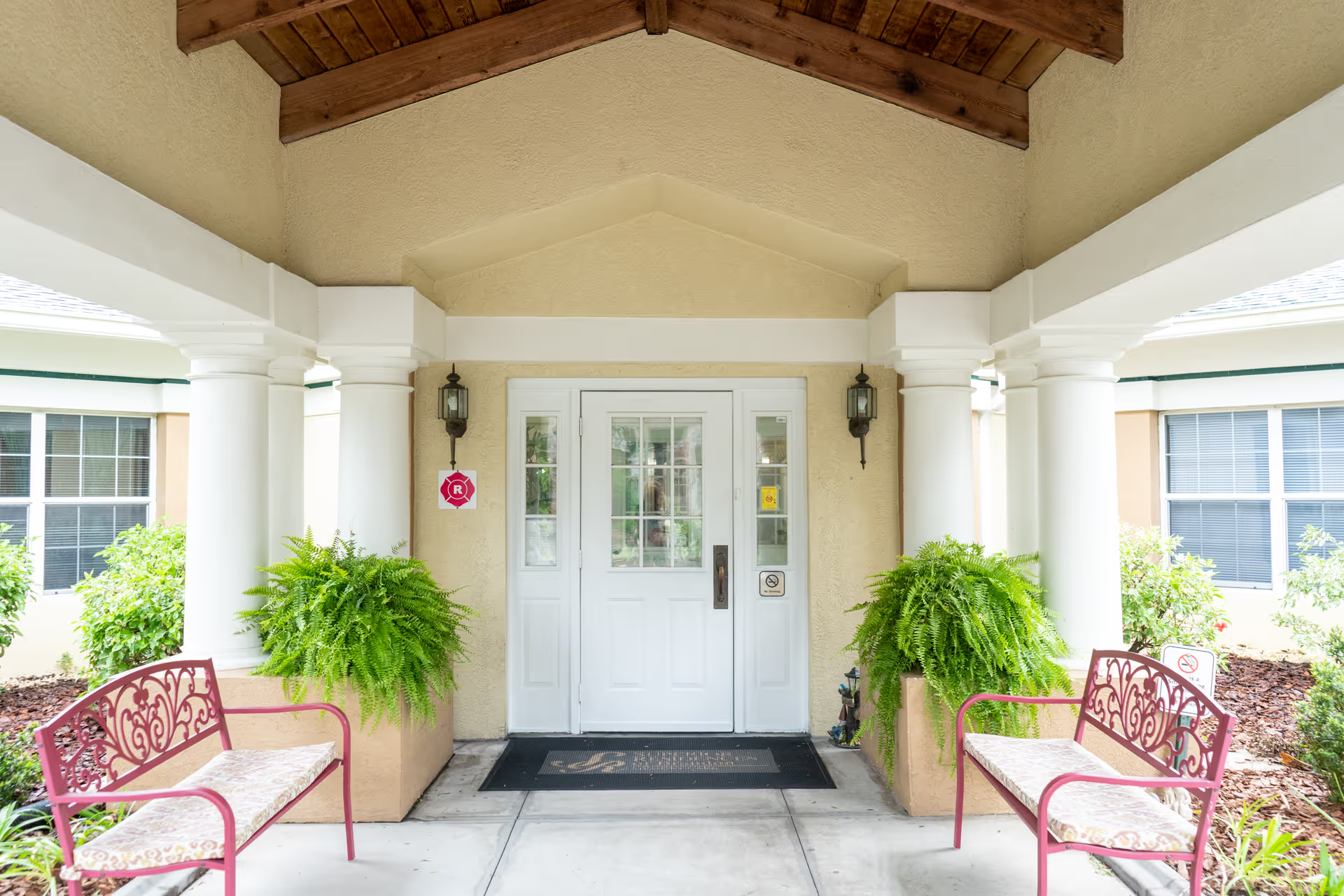
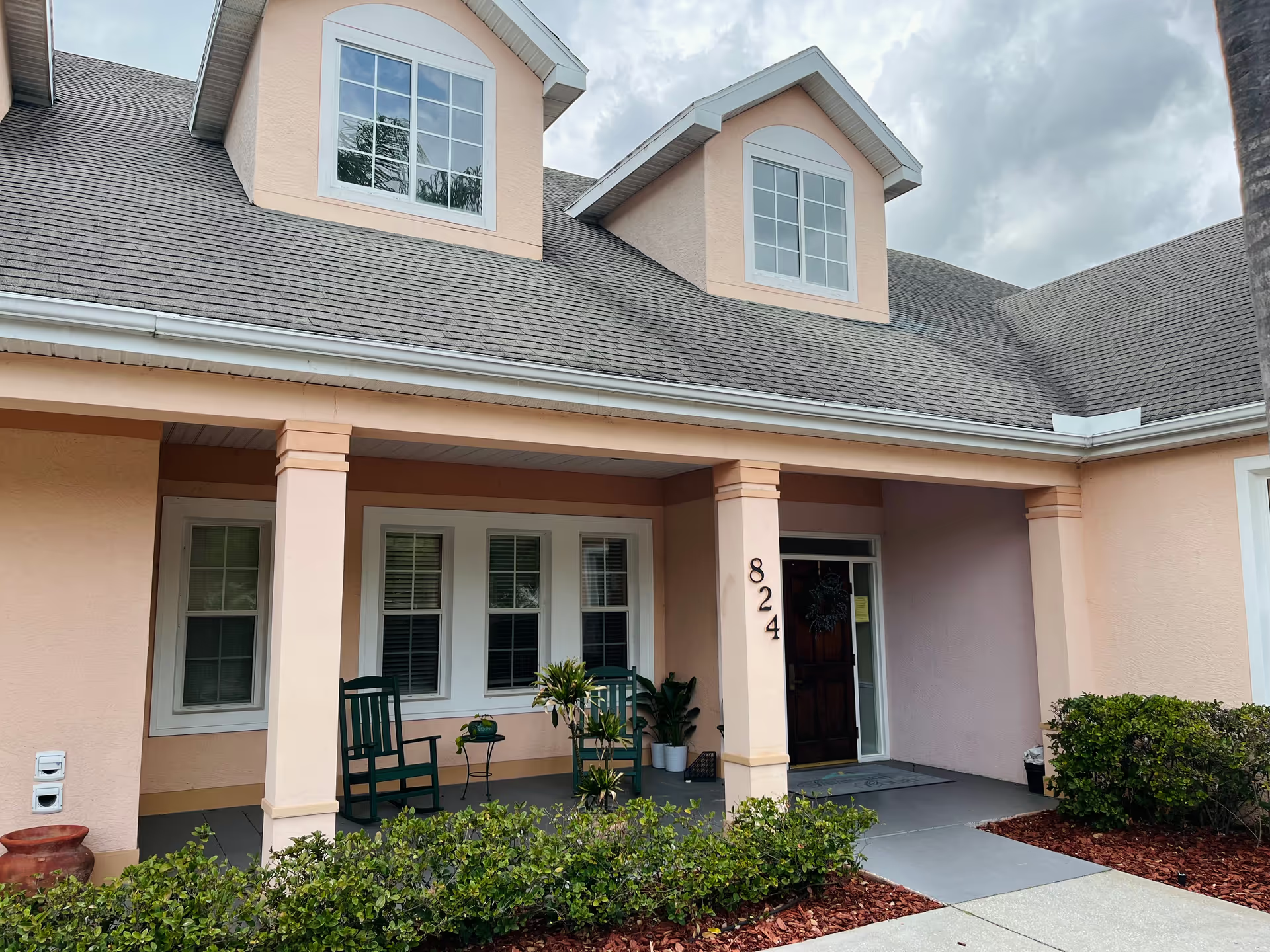
Facilities and safety: The facility's small scale and home-like rooms (including comfortable furniture and a larger companion suite in some cases) and outdoor space are frequent positives. At the same time, several reviewers expressed concerns about monitoring and safety protocols, citing inconsistent supervision and questions about how resident safety is tracked. There are references to regulatory concerns and inspections; a few reviewers used strong language about governance and legal matters. These statements rise to the level of allegations in some accounts and suggest that families verify licensing, inspection history, and any regulatory actions directly with authorities.
Management, billing, and governance: Feedback about management ranges from commendations for responsiveness and a family orientation to criticism that ownership prioritizes financial considerations. Specific financial concerns include pharmacy billing and perceived lack of transparency around charges. Given the mixed feedback, families should request clear explanations of monthly fees, pharmacy billing practices, staffing ratios, medication administration policies, and recent inspection or complaint records before making a placement decision.
Notable patterns and practical advice: The strongest patterns are the facility's capacity to deliver highly personalized, dementia-capable care in a small, home-like setting when staffing is stable, versus variable experiences linked to training, turnover, communication, and meal-service consistency. Prospective residents and families would benefit from an in-person visit focused on: observing mealtime and an activity session, meeting direct-care staff on duty, reviewing recent inspection reports, validating medication and billing procedures, and clarifying staffing ratios and supervision practices. These steps will help determine whether the facility's strengths align with a particular resident's clinical and social needs.