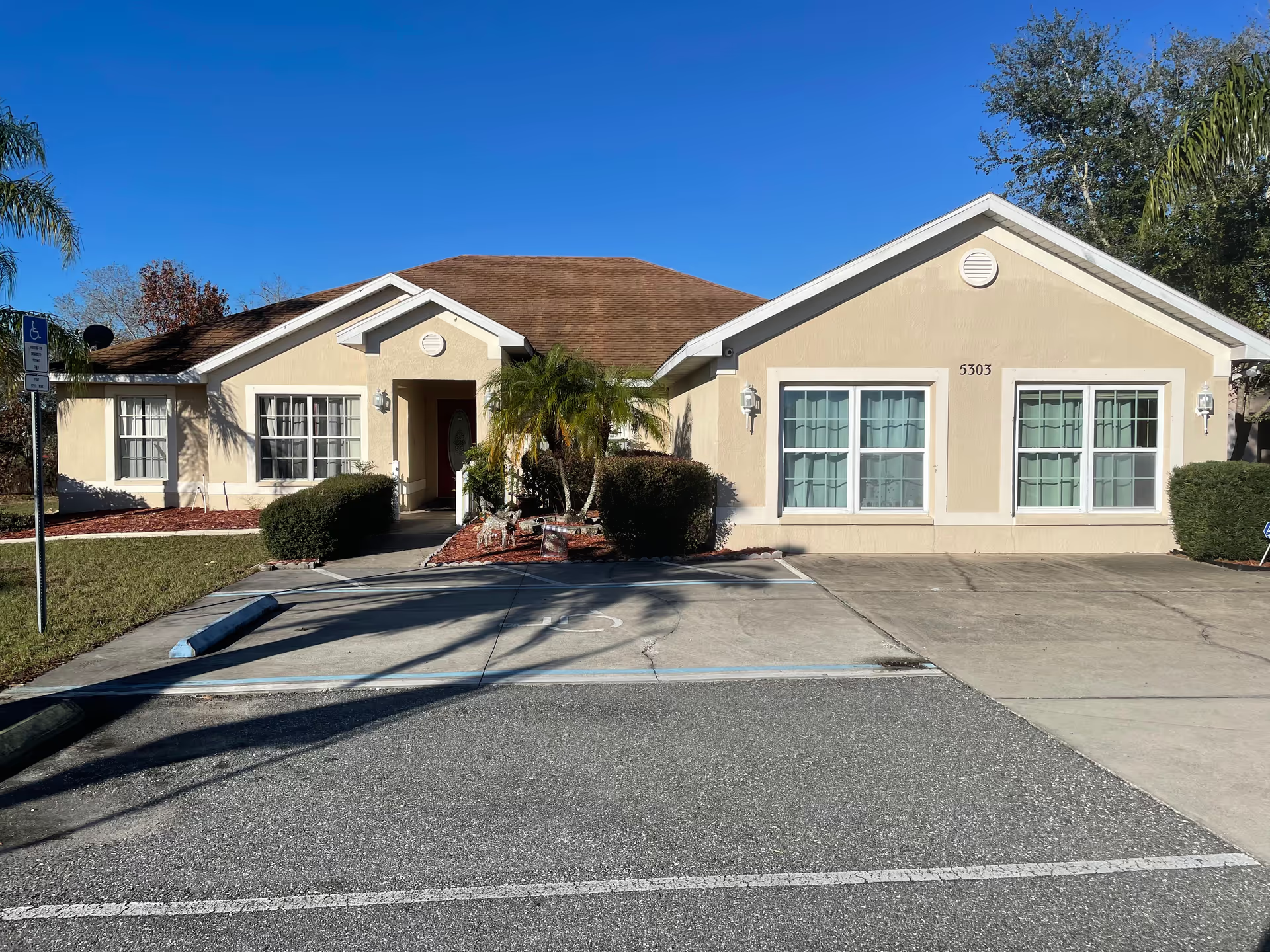
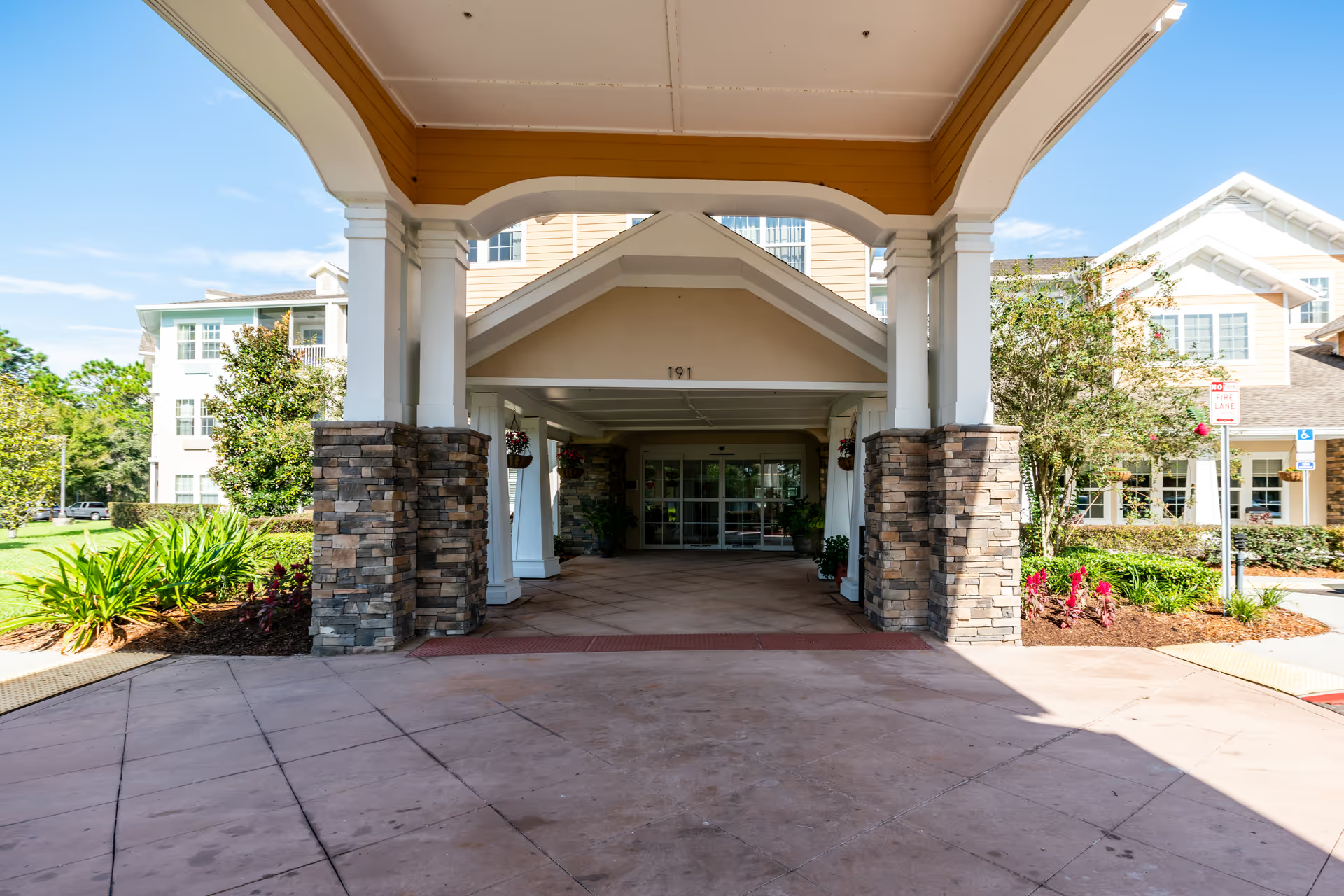
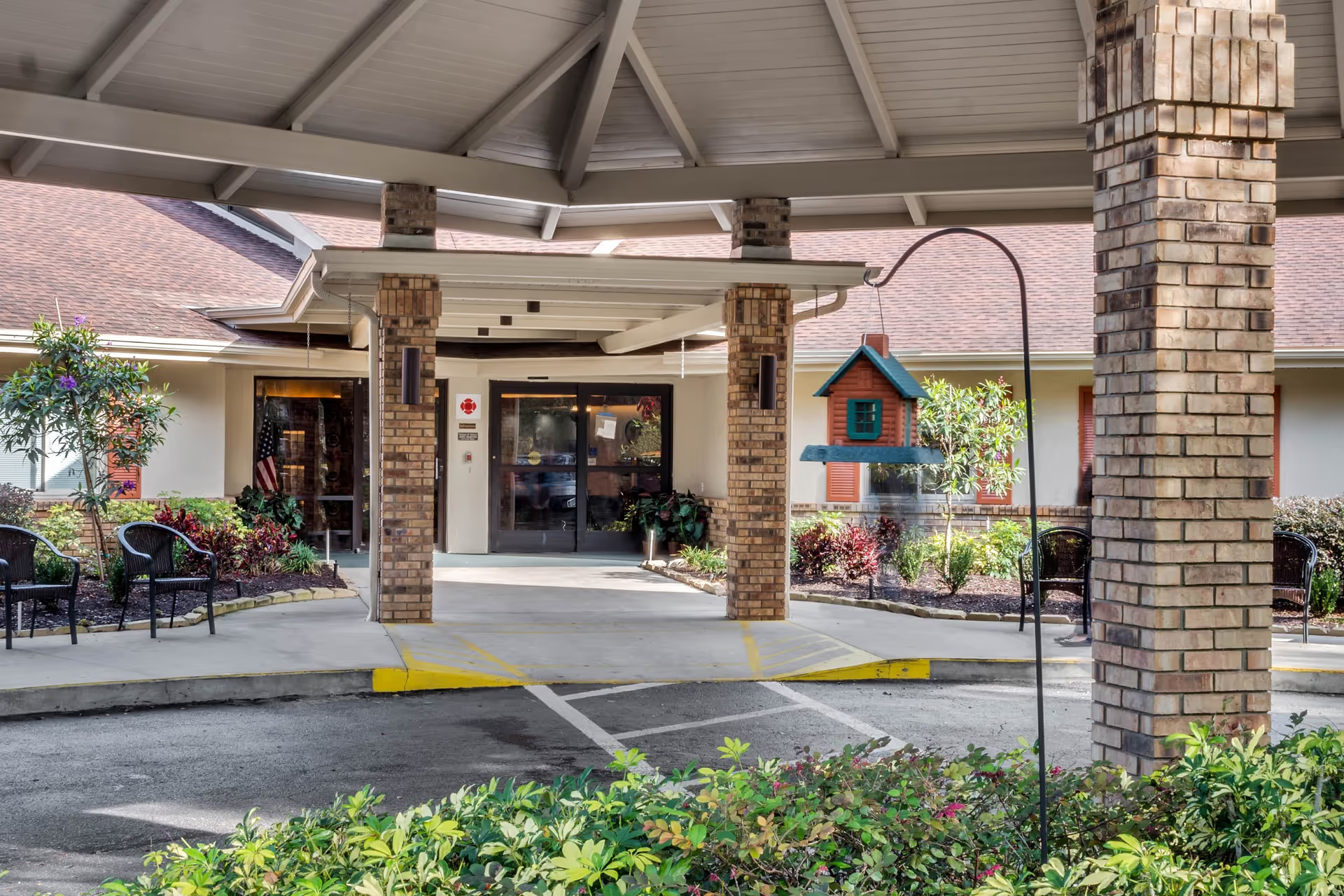
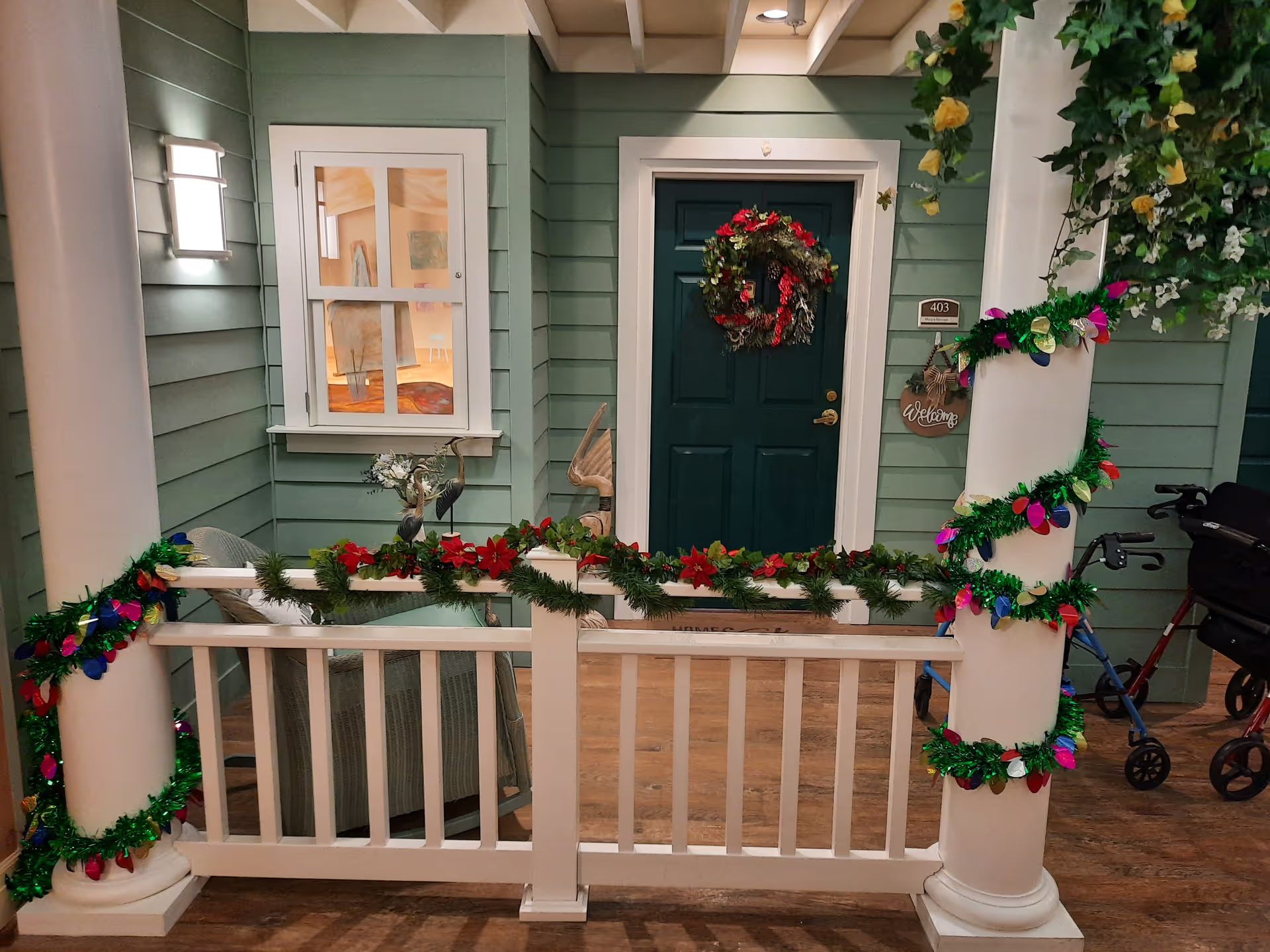
Oak Hill Senior Living presents as a well-appointed, recently built community with many amenities that families and residents commonly praise. The facility's physical environment — private rooms, multiple dining venues, salon services, attractive common areas and outdoor seating — is frequently described as modern and comfortable. Its on-site rehabilitation services and therapy equipment receive consistent positive remarks; families often credit the therapy team with measurable recovery progress. The memory-care unit is also highlighted for structured dining and activity programming.
Staffing and direct care produce mixed impressions. Numerous accounts commend individual caregivers, therapists, and activities staff for compassion, responsiveness, and person-focused interactions; several staff members are singled out by name for exemplary performance. At the same time, a clear pattern of operational concerns appears across reviews: understaffing and high turnover, inconsistent call-button response times, and variable availability of licensed nurses. These staffing inconsistencies are linked to delays in routine assistance, interruptions in personal-care schedules (such as bathing and garment changes), and uneven supervision in higher-acuity areas.
Clinical oversight and care processes show bifurcated reports. The rehabilitation and therapy services are often described as strong and professionally run, but families also raise concerns about medication administration, clinical documentation, and limited physician engagement in some cases. A subset of reviews referenced serious adverse events (for example falls and subsequent hospital transfers), raising questions about transfer-safety practices and incident response. Communication gaps with families around discharge planning, clinical updates, and records handling are noted repeatedly and are associated with billing disputes and delayed refunds in some instances.
Dining and activities are generally strengths but uneven in execution. The bistro and main dining are praised for quality meals and friendly service, and the community's activities program — movie nights, outings, themed events and veteran recognition — is viewed positively. However, there are also reports of inconsistent meal portions, presentation issues, and instances where supplemental feeding or family-provided nutrition was needed to meet resident needs.
Housekeeping and infection-control practices show variability. Many families report clean, odor-free public spaces and well-kept rooms, while others cite sanitation concerns and pest-control issues in particular units. These contrasting observations suggest inconsistent housekeeping processes across the campus. Leadership and workplace culture receive mixed evaluations as well: some reviewers describe engaged, resident-focused administrators, whereas others point to inexperienced management, communication shortfalls, and work-culture problems that appear to affect staff morale and continuity of care.
Overall, Oak Hill offers several attractive features for residents seeking a modern facility with strong therapy services and robust activities. Prospective residents and families should balance those strengths against recurrent operational concerns: confirm current staffing ratios, clarify medication and clinical oversight protocols, review housekeeping and pest-control policies, ask about transfer and fall-prevention procedures, and obtain written details on billing and discharge processes. A focused tour that includes discussions with clinical leadership and observation during different shifts will help assess whether the facility’s operational practices align with a family’s expectations and a prospective resident’s care needs.