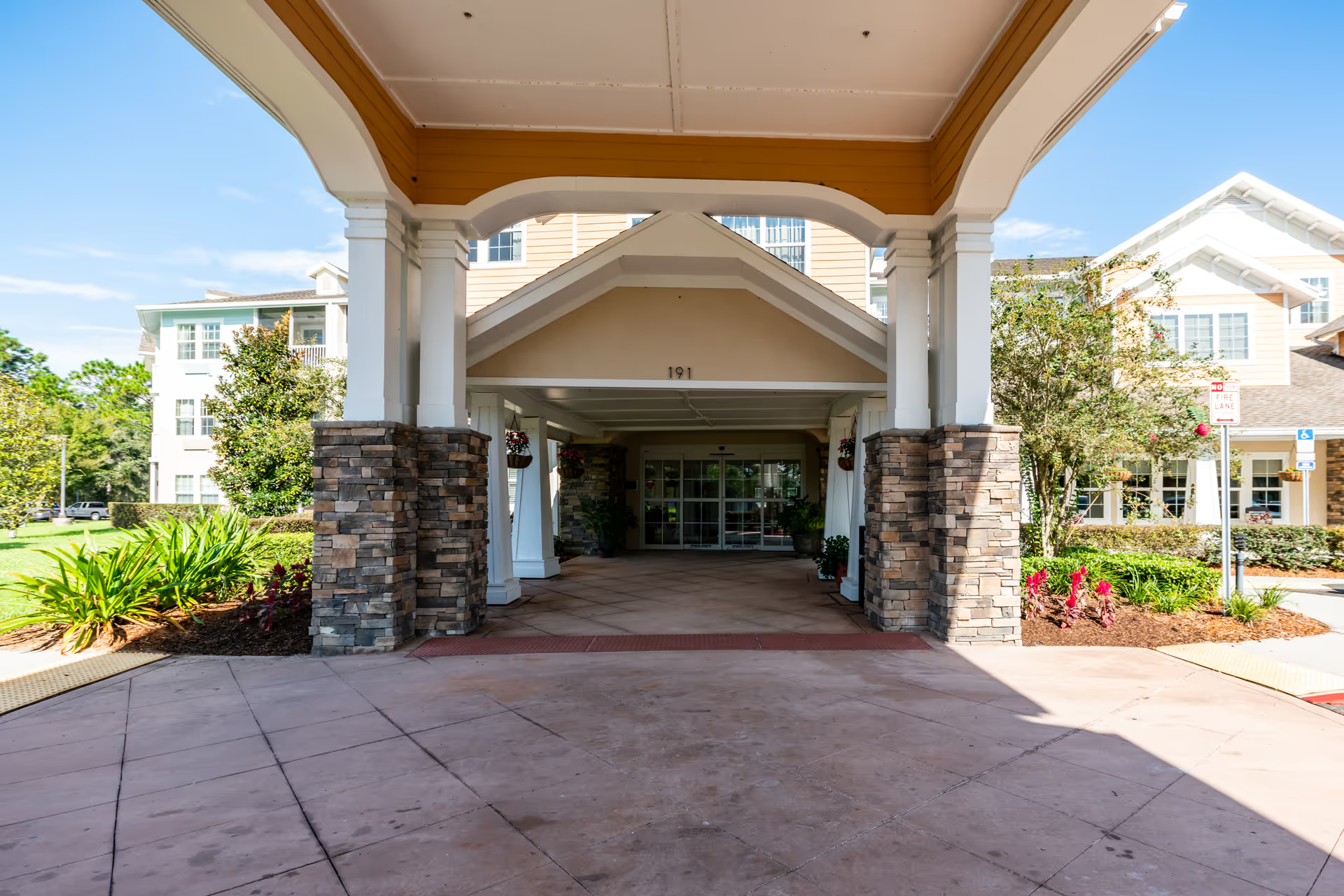
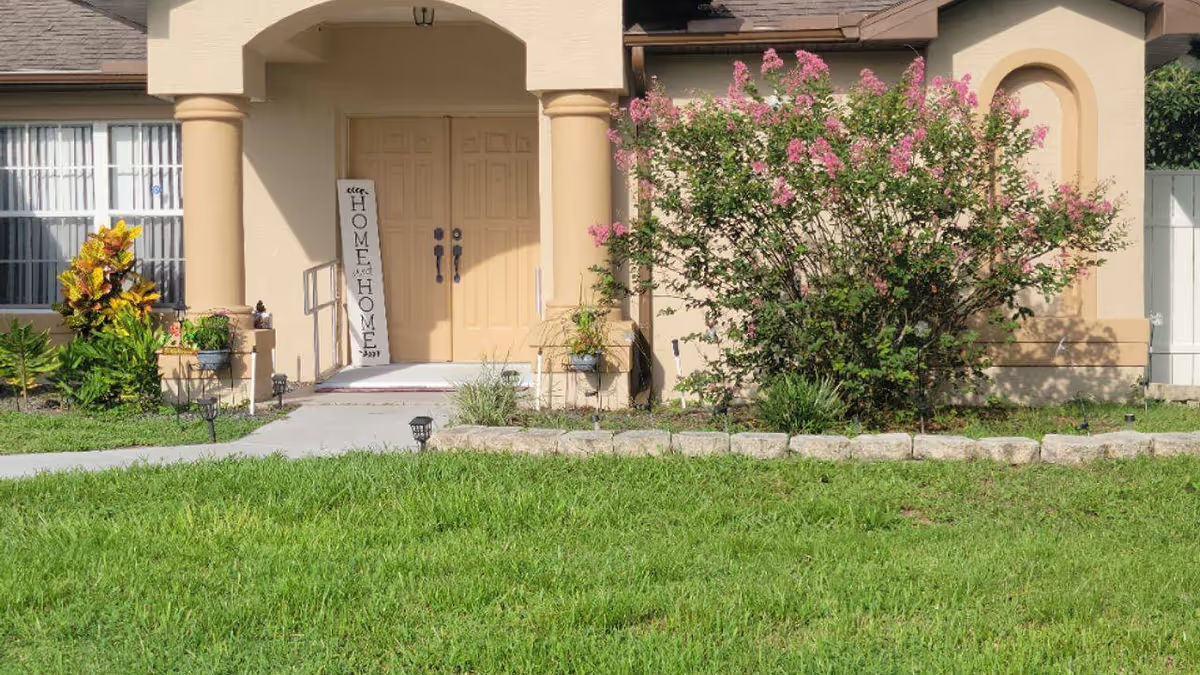
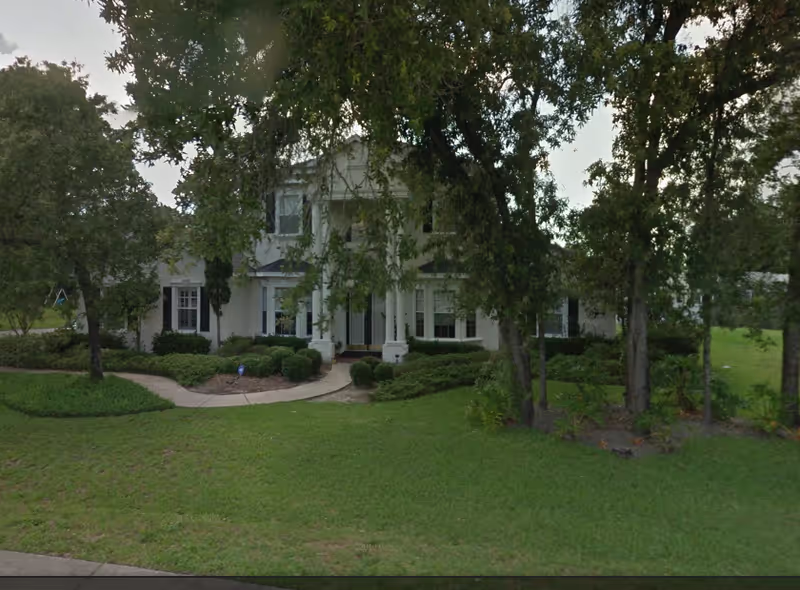
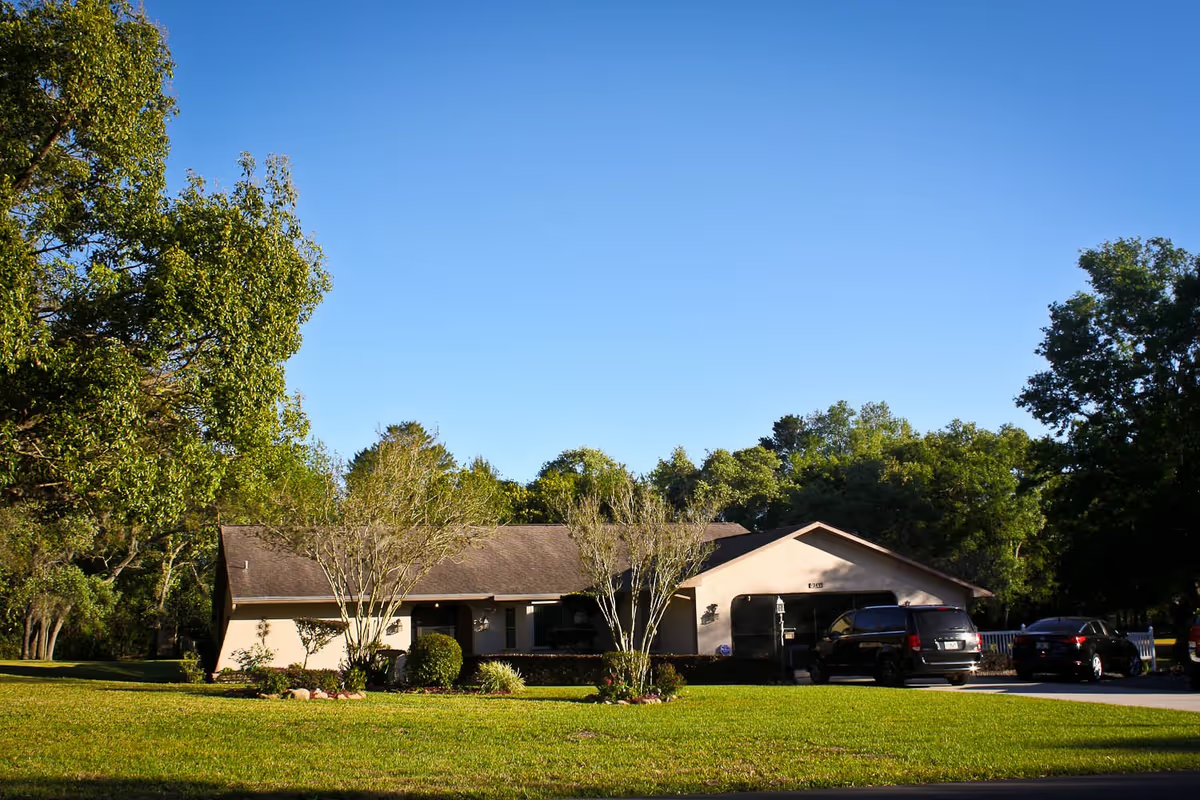
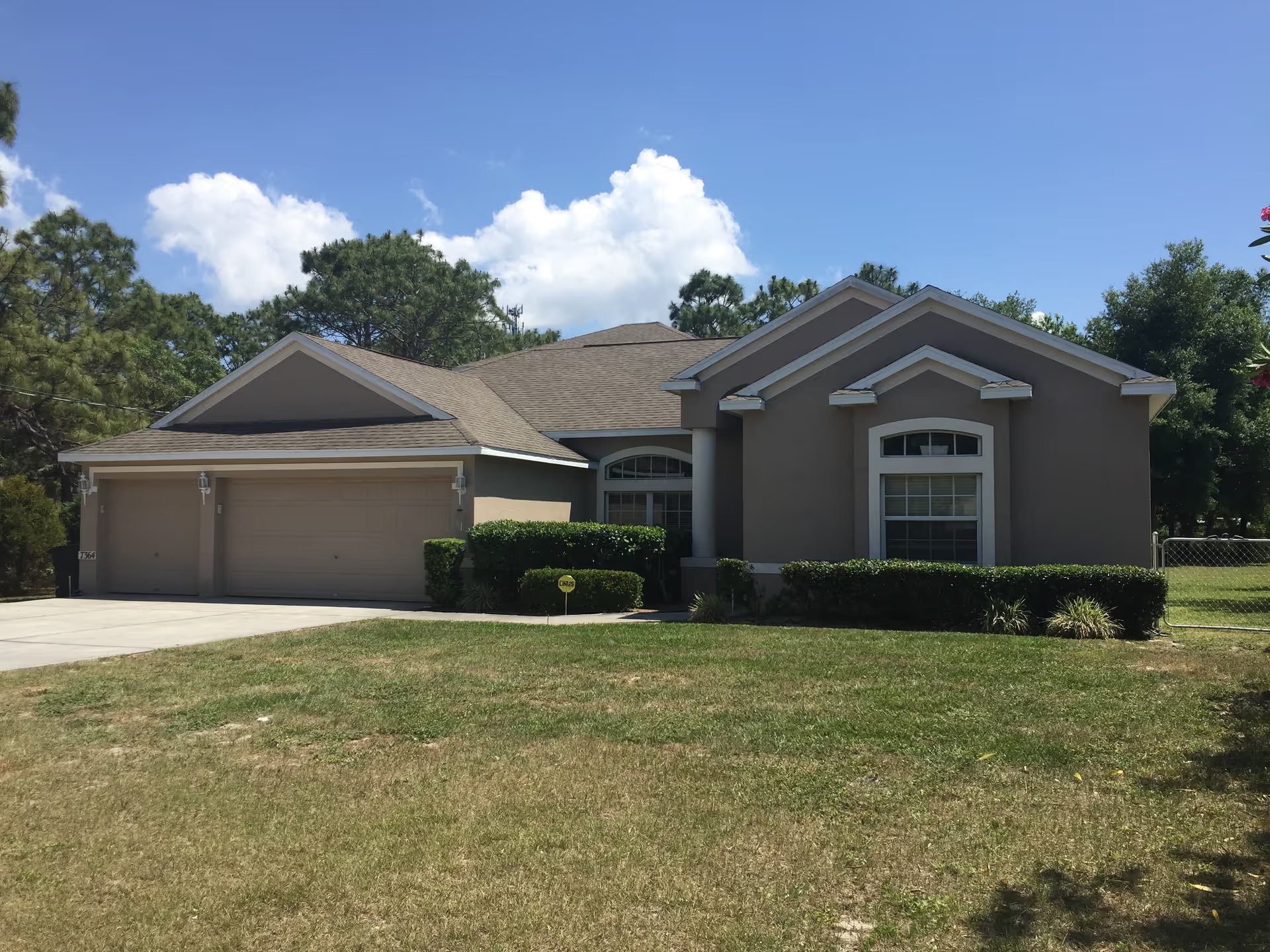
Overall impression: The facility is frequently described as a residential, home-like assisted living with a clean interior and a welcoming, family-oriented atmosphere. Many accounts highlight attentive caregiving and the presence of licensed nursing coverage around the clock, which families associate with improved daily well-being. The environment is presented as more personal and less institutional than a nursing home, and reviewers often note that residents appear more engaged and comfortable in this setting.
Care and staff: Care quality is commonly characterized by compassionate, attentive staff and a staffed nursing presence. Care includes hands-on assistance from nursing assistants and access to a 24-hour nurse, which reviewers connected to individualized attention and better daily routines. At the same time, there are operational concerns about continuity of care: ownership changes and staff turnover have been noted and can affect consistency. In addition, reviewers flagged gaps in medication-management practices and uneven administrative follow-through, which are important topics to clarify during a tour or intake discussion.
Dining and housekeeping: Dining is a consistent strength. The facility offers fresh, home-cooked meals served family-style at a large communal table; several accounts describe high food quality and attentive dining service. Housekeeping and laundry practices are also described positively, with daily linen and clothing care noted. However, some families experienced variable implementation of individualized meal plans or expectations about specific meal arrangements, suggesting that meal-plan details should be confirmed in writing prior to admission.
Activities and social life: The setting supports social engagement through games, cards, bingo, dancing, and shared living-room activities. Outdoor patio space and a walkable neighborhood contribute to opportunities for fresh air and outings. There are reports that scheduled activities have been scaled back or inconsistently delivered at times, so prospective residents should ask for a current activity calendar and examples of typical weekly programming.
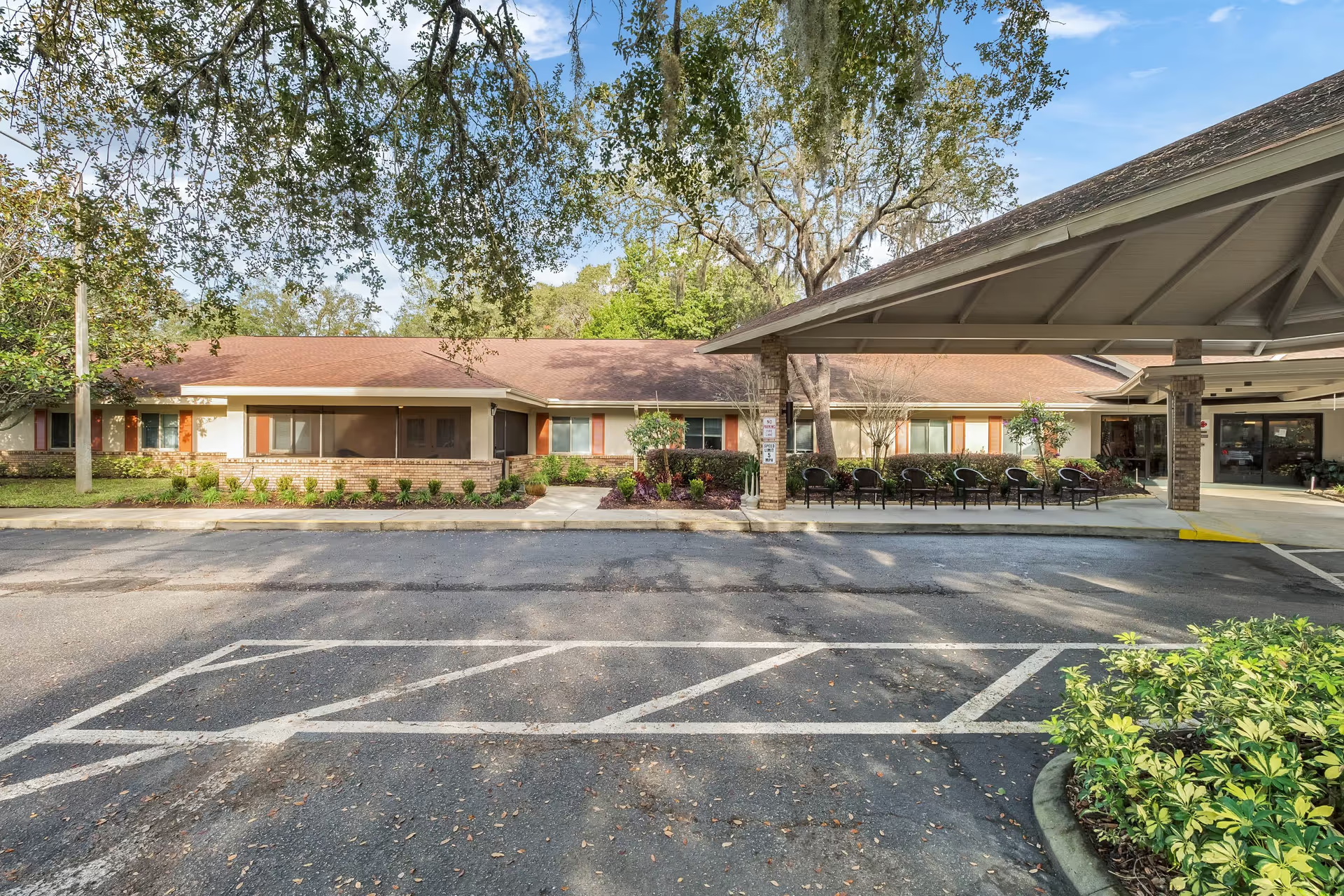
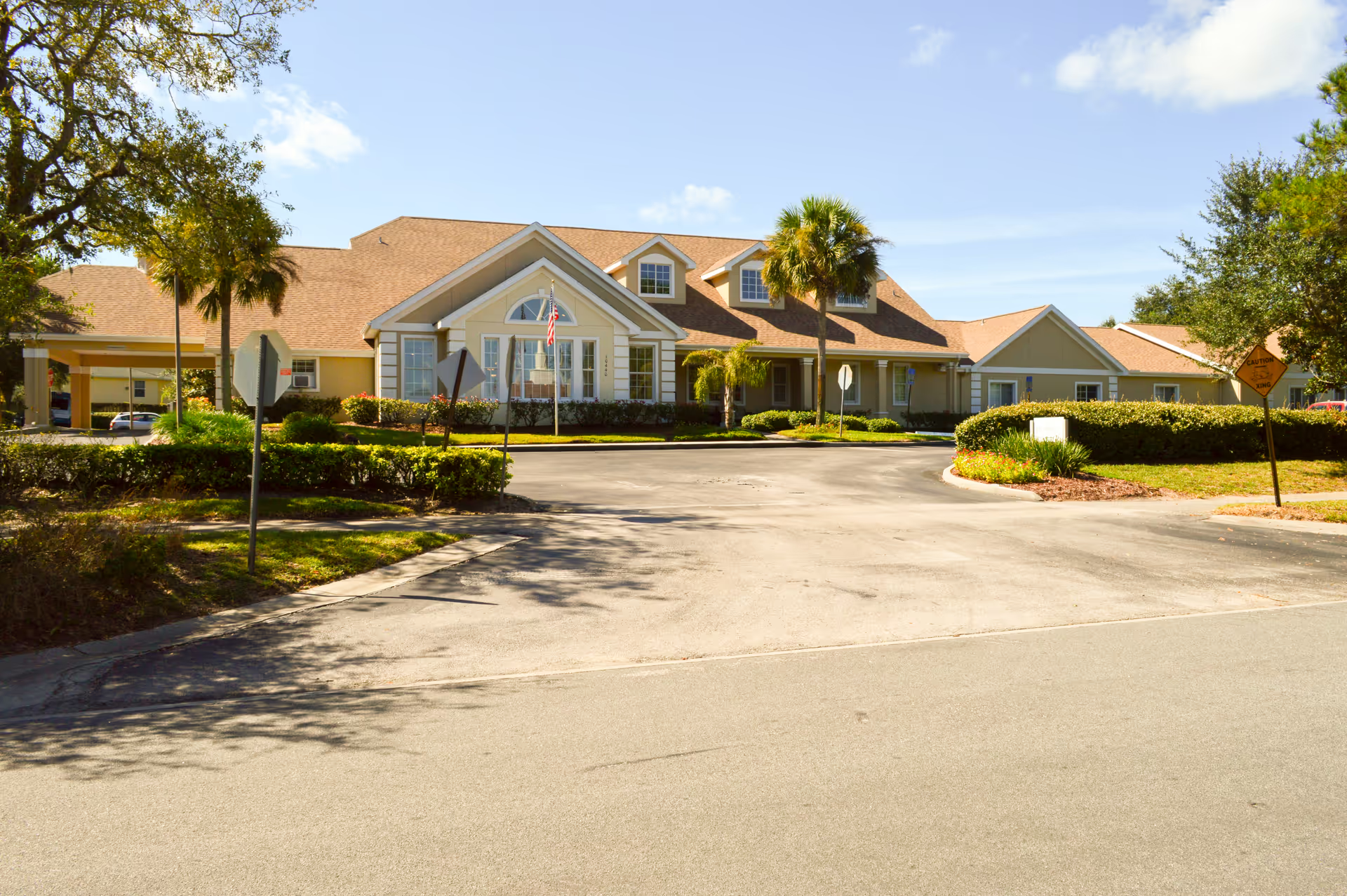
Facilities and location: The property is described as attractive, clean, and homelike, with comfortable common areas and an outdoor patio. The location is walkable and convenient for families who live nearby, though limited private-bathroom availability in some units was a noted preference for those wanting more independence. Capacity constraints were also mentioned; availability can be limited.
Management and communication: Experiences with management are mixed. Some reviewers find owners and advisors informative and responsive, and praise staff follow-through. Conversely, others experienced poor phone responsiveness and difficulty reaching the facility by voicemail, along with outstanding minor repairs. These mixed signals suggest variability in administrative responsiveness that prospective families should probe before committing.
Notable patterns and recommendations: Strengths center on a warm, residential atmosphere, strong food and housekeeping practices, and attentive caregiving supported by nursing coverage. Operational weaknesses to consider include medication-management consistency, administrative communication (including phone responsiveness), activity reliability, and the effects of ownership or staffing transitions on continuity of care. Recommended next steps for families: request documentation of medication protocols, confirm current staffing and turnover history, review a current activity schedule, verify bathroom layout options, and test contact procedures for after-hours communication. These steps will help assess whether the facility's strong day-to-day culture aligns with a particular resident's clinical and social needs.