Reviews describe a facility with a clearly bifurcated profile: many families and residents praise the caregiving teams, memory‑care unit, and activity programming, while other accounts raise operational and clinical concerns that prospective families should evaluate in person.
Care quality is frequently characterized as compassionate and attentive. Numerous comments single out med‑techs, aides, and memory‑care staff who provide individualized attention, assist with bathing/dressing, coordinate pain management, and create moments of engagement. The memory‑care unit in particular receives consistent positive mention for safety, regular updates, and ease of visitation. At the same time, there are recurring clinical concerns: uneven nursing coverage (especially overnight and on some shifts), delays in certain monitoring tasks, and specific allegations indicating weaknesses in medication handling. These suggest the need to confirm current nursing staffing levels, medication administration protocols, and recent incident resolution before placement.
Staff and culture are described in strongly mixed terms. Many reviewers highlight an invested leadership presence, accessible administrators, and staff who go above and beyond (assist with admissions, come in on days off, celebrate birthdays, and keep families informed). Conversely, other accounts describe variability in professional conduct, communication tone, and responsiveness from certain employees and managers. This inconsistency appears tied in some reports to staffing shortages, morale issues, and perceived favoritism; assessing current leadership stability and turnover rates would be advisable.
Dining and activities are generally strengths but uneven. The facility offers organized social programming (music, bingo, performances, holiday events), printed activity schedules, and a welcoming dining experience in many areas. Kitchen staff are frequently described as hardworking and flexible about dietary needs. However, several reviewers note repetitive or bland menu options, limited chef presence, and situations where meal access requires walking to the dining room. Prospective residents should inquire about menu rotation, therapeutic diet accommodations, and how meals are delivered for residents with mobility limitations.
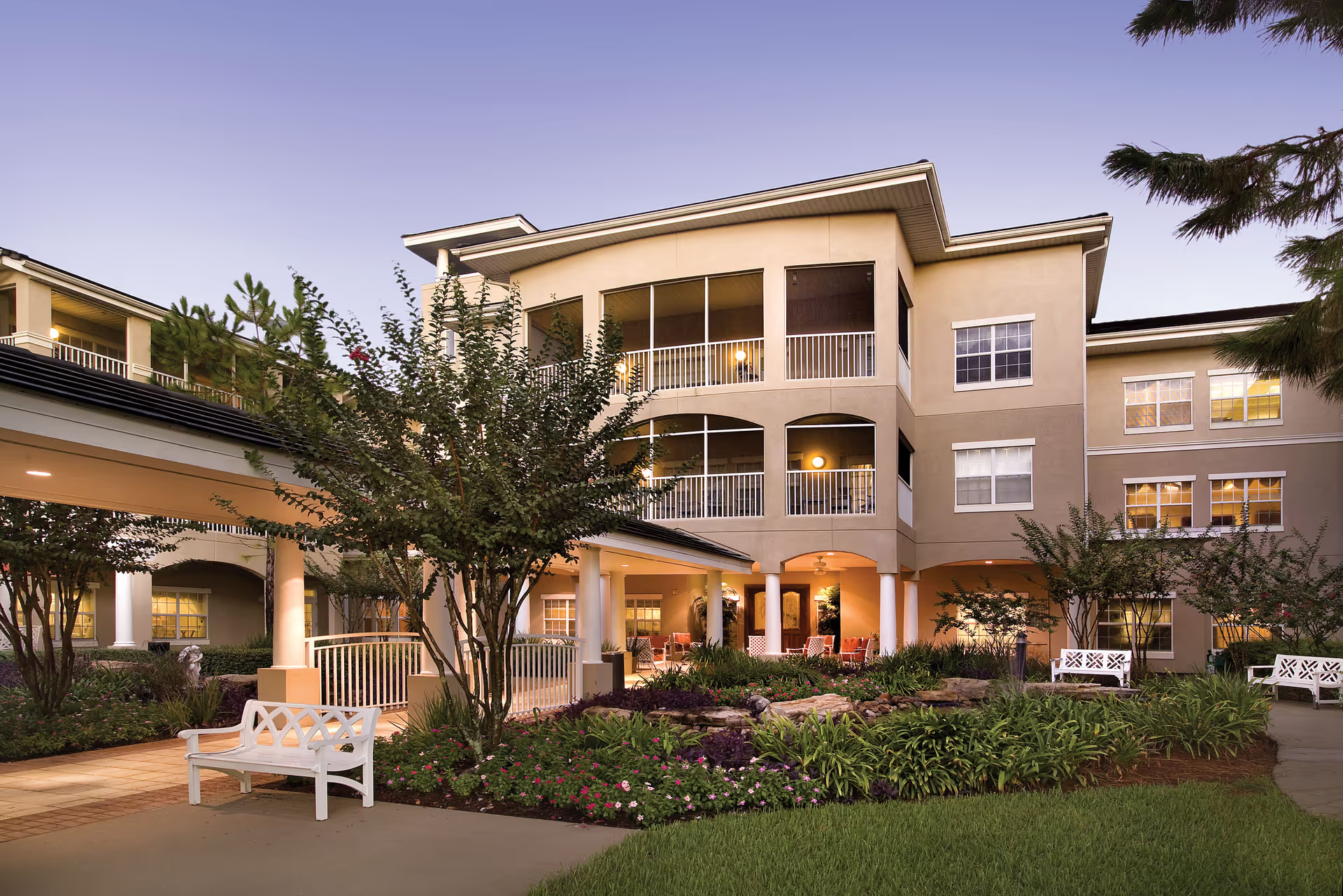
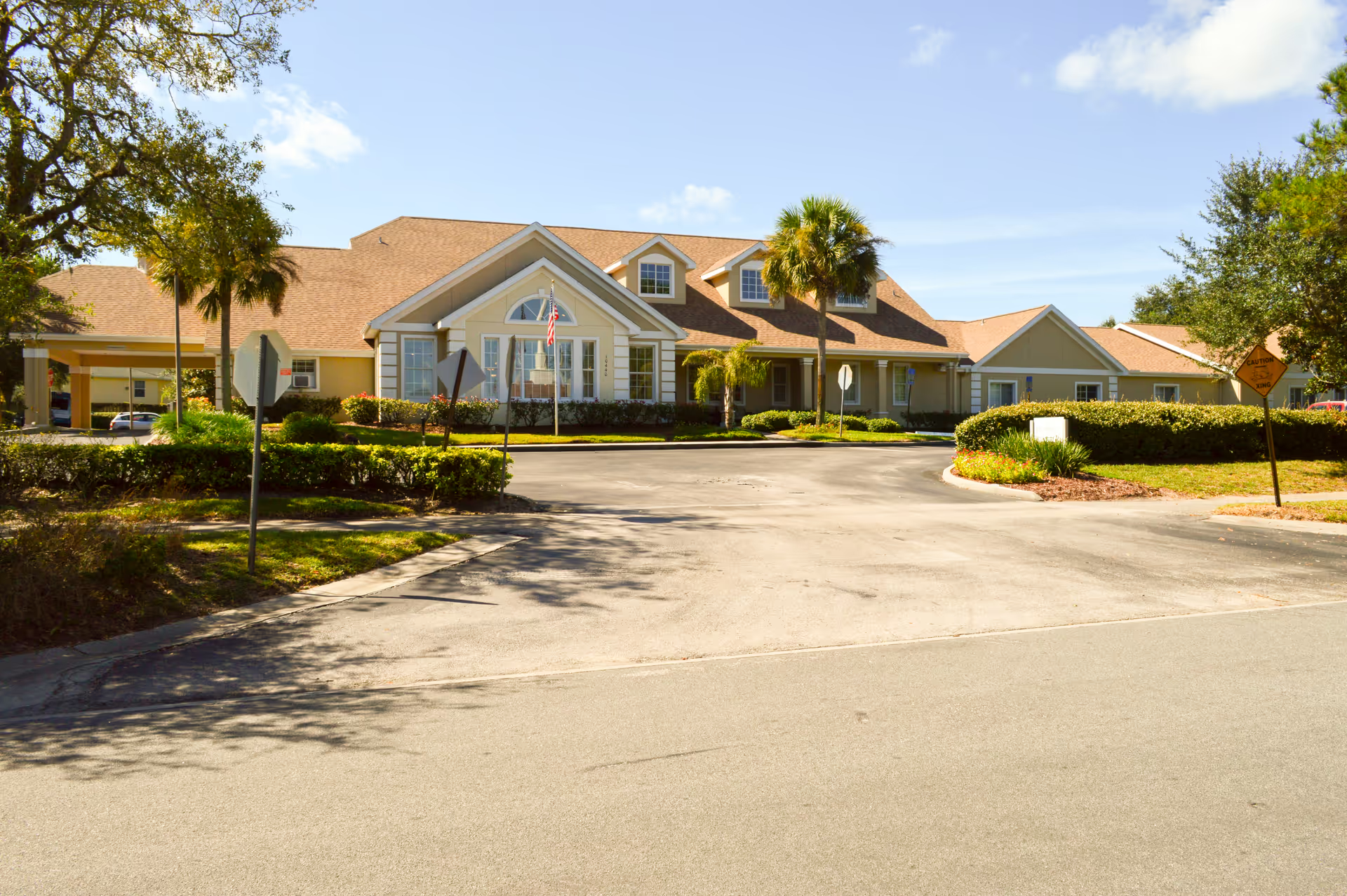
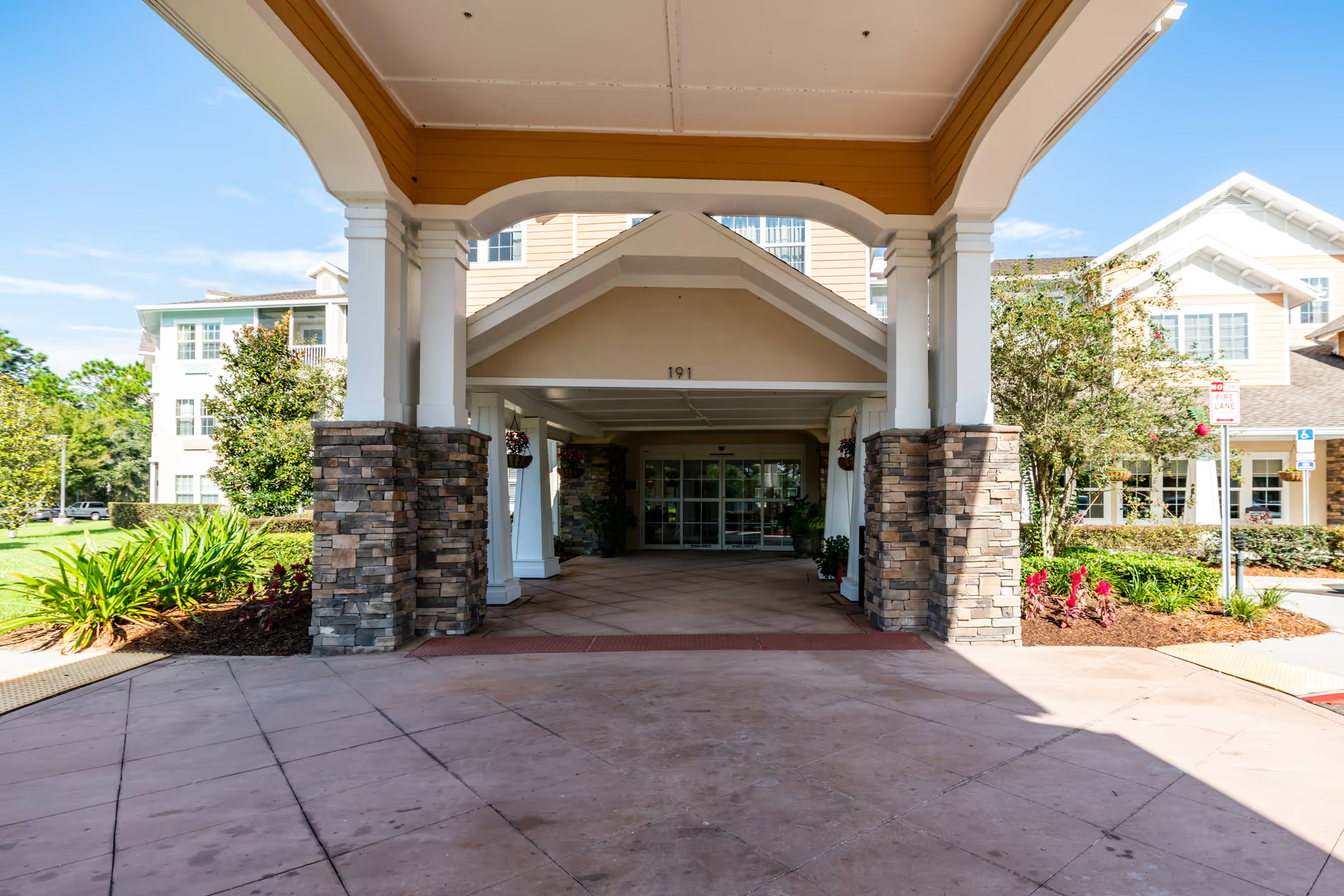
Facility condition and operations vary by area. Many parts are described as immaculate, bright, and well maintained with recent updates to flooring and paint. At the same time, reviewers cite sanitation and odor concerns localized to particular wings, inconsistent housekeeping coverage, and occasional pest‑control and laundry‑room issues. Outdoor access and physical layout receive mixed feedback: attractive common areas are noted, but some describe an older or darker wing and limited outdoor access except via central entrances. A tour should include the specific unit and wings under consideration.
Management and administrative practices show both strengths and weaknesses in the reviews. Several families appreciate hands‑on administrators who provide regular updates, facilitate transitions, and coordinate care across levels. Yet other families raise concerns about billing clarity, admission terms, and a perceived emphasis on revenue. There are also references to uneven incident communication and variable follow‑up after adverse events. Important due diligence steps include reviewing the admission contract, escalation pathways for clinical concerns, recent state inspection results, and examples of how adverse incidents were addressed.
Notable patterns: the facility demonstrates strong relational care and community activities that deliver value for many residents, with particular strength in memory care. The recurring negative themes cluster around inconsistent staffing coverage, medication‑administration controls, localized cleanliness issues, and variable management communication. These are operational traits rather than universally pervasive failures; they point to areas to probe during a visit (staffing ratios by shift, medication-safety policies, housekeeping schedules, infection‑control practices, and contract/billing transparency).
Bottom line: Forest Oaks of Spring Hill is frequently described as warm, community‑oriented, and staffed by caring employees, especially in memory care. At the same time, variability in staffing, clinical processes, and facility upkeep appear in multiple accounts. Prospective residents and families should balance the facility’s interpersonal strengths against these operational concerns by visiting the specific unit, meeting nurses and med‑techs on the relevant shifts, reviewing current staffing and safety protocols, and clarifying financial and admission terms before making a decision.