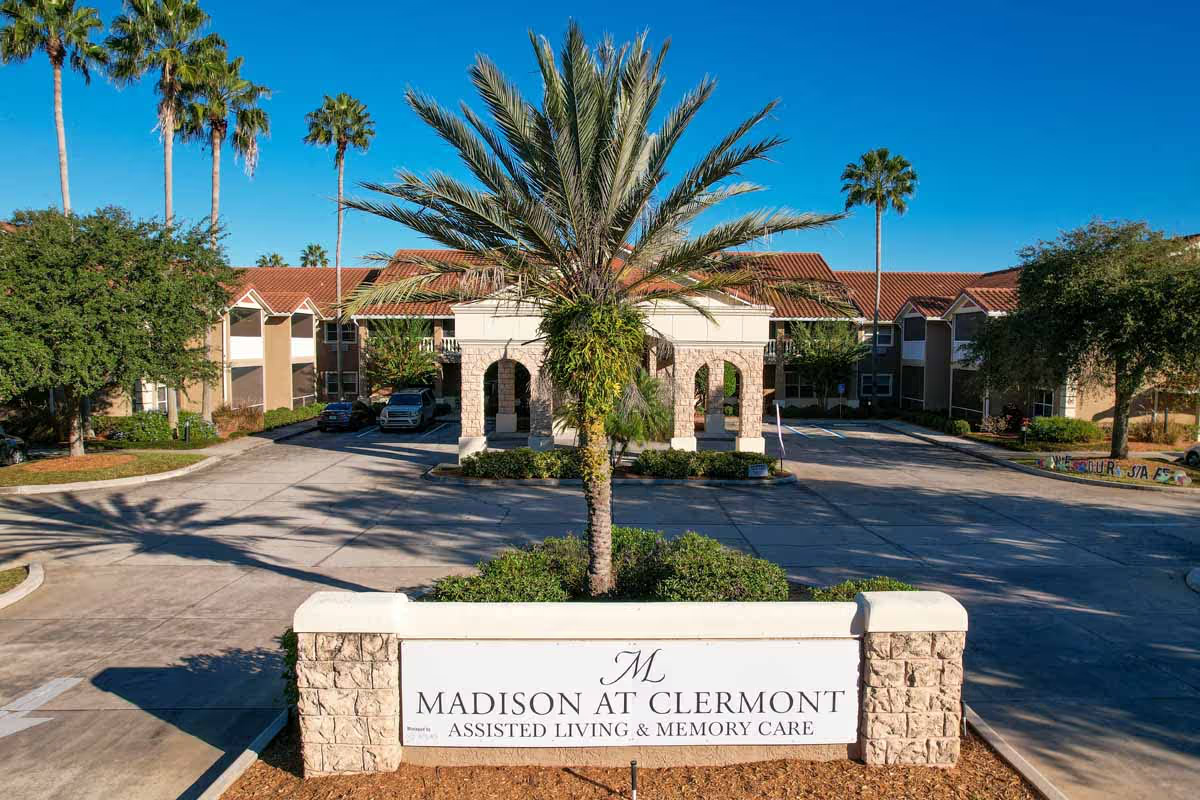
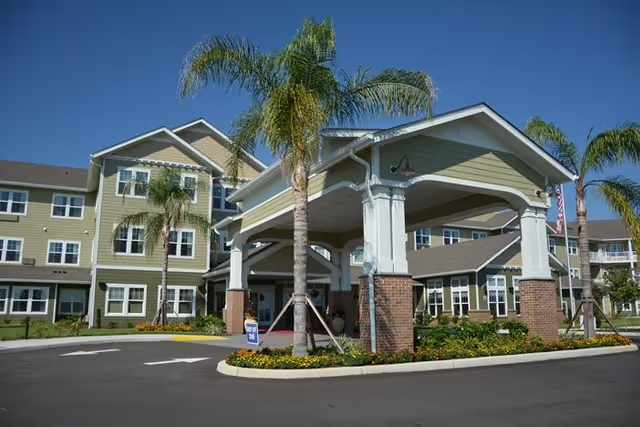
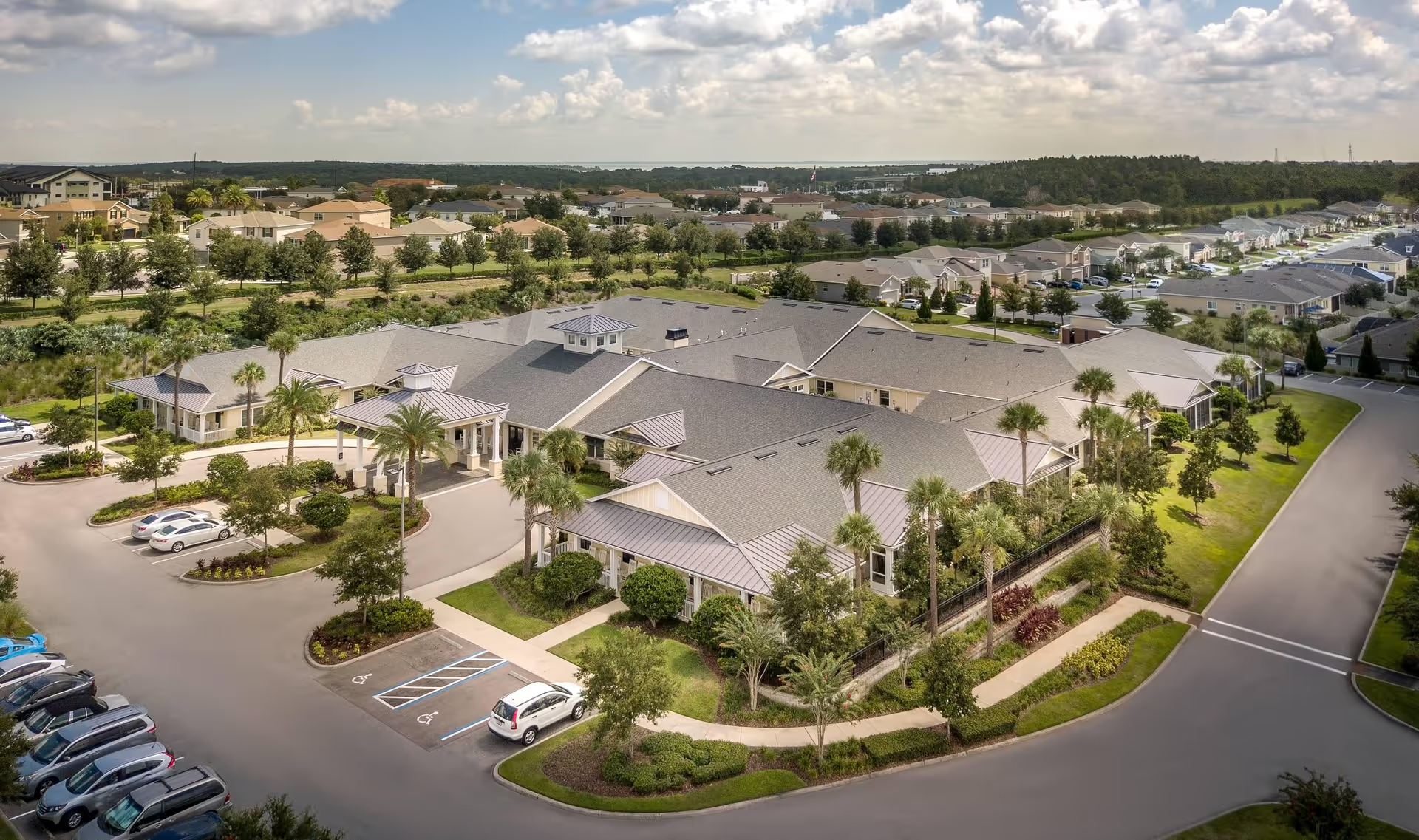
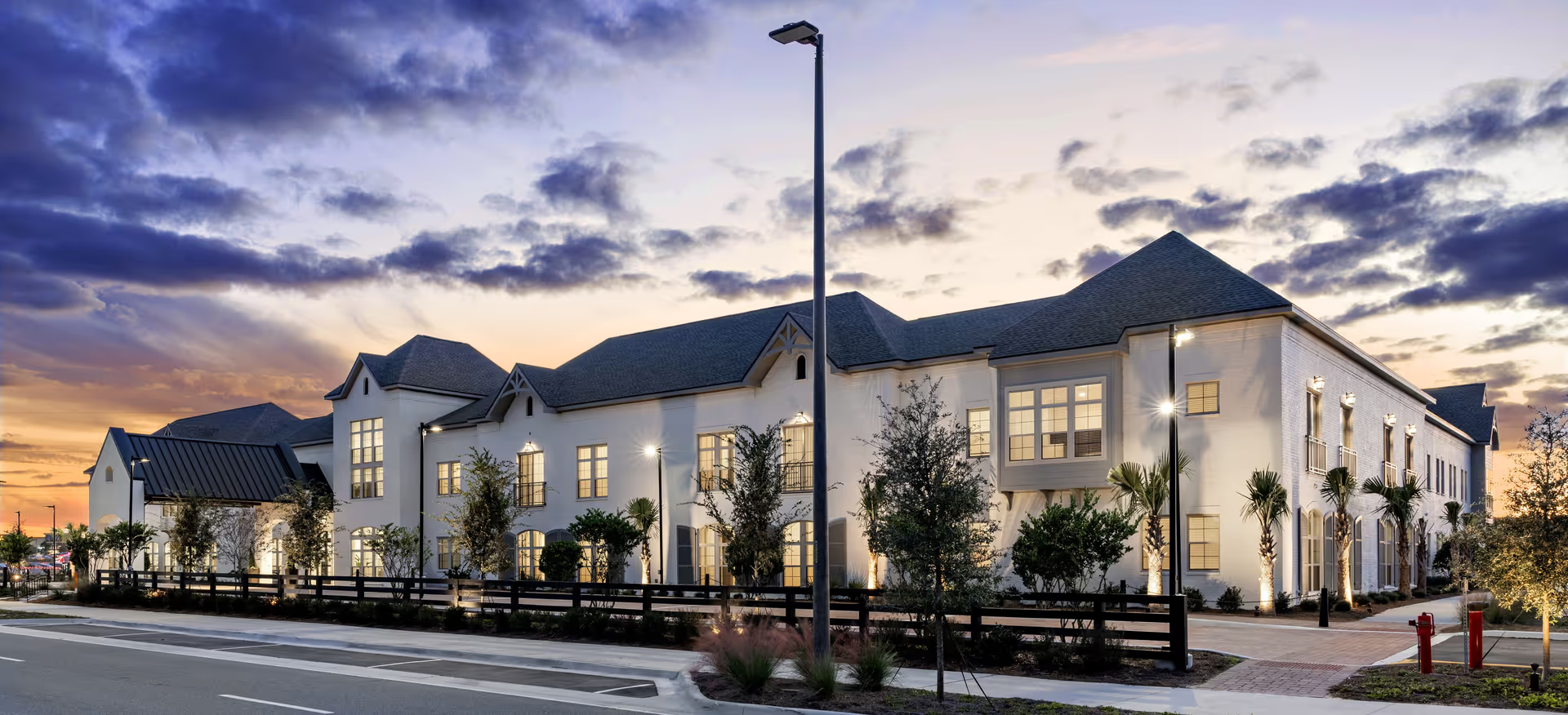
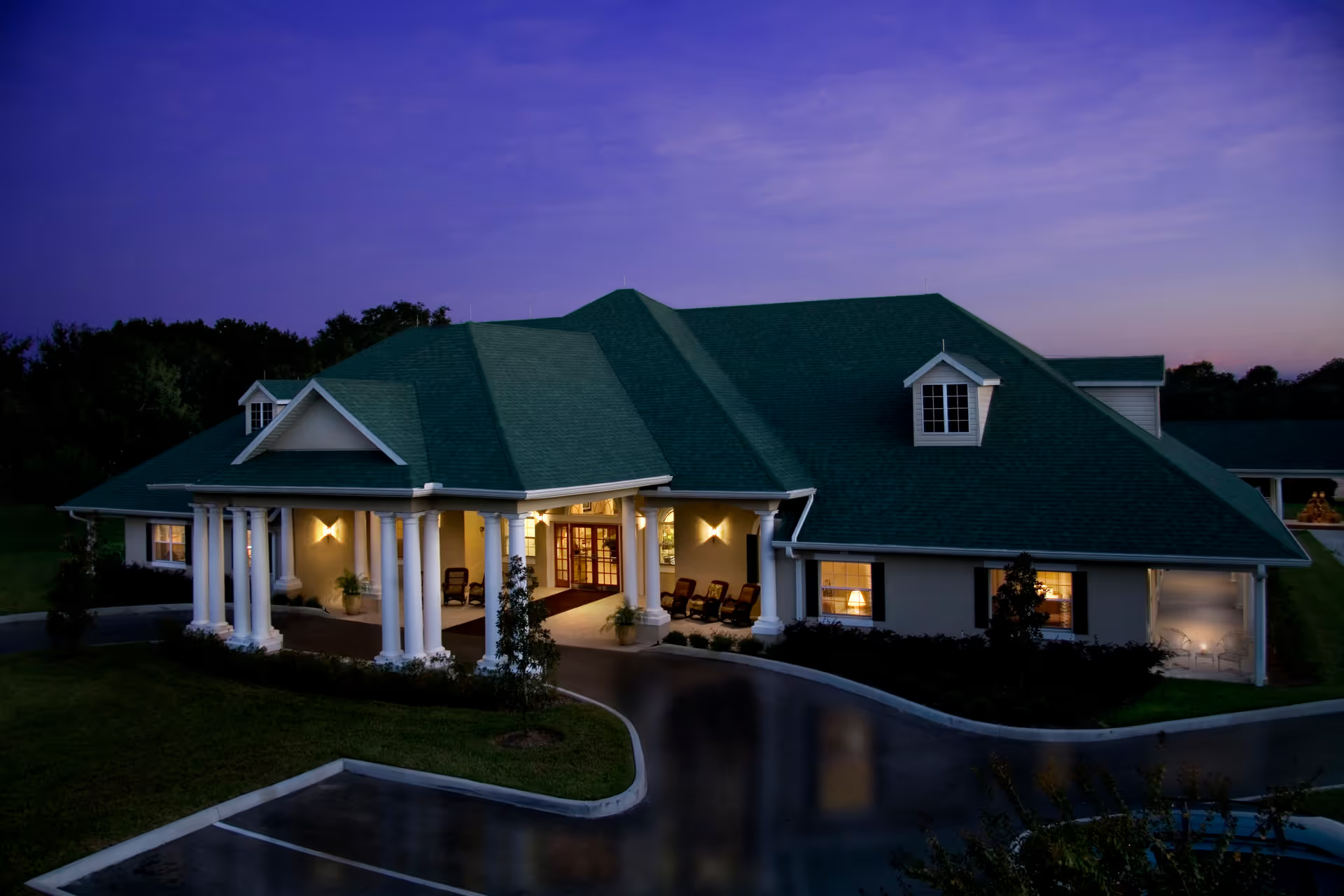
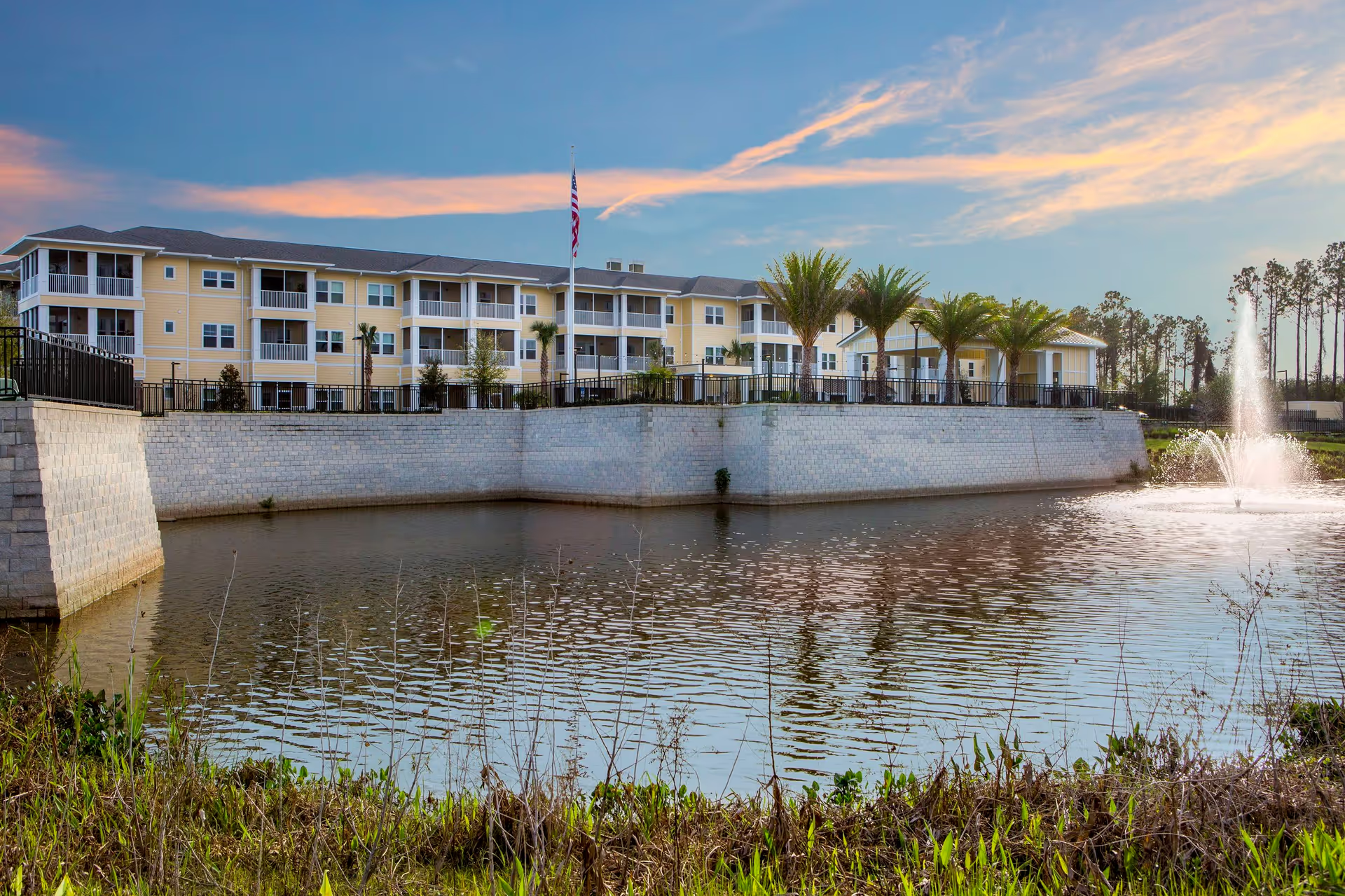
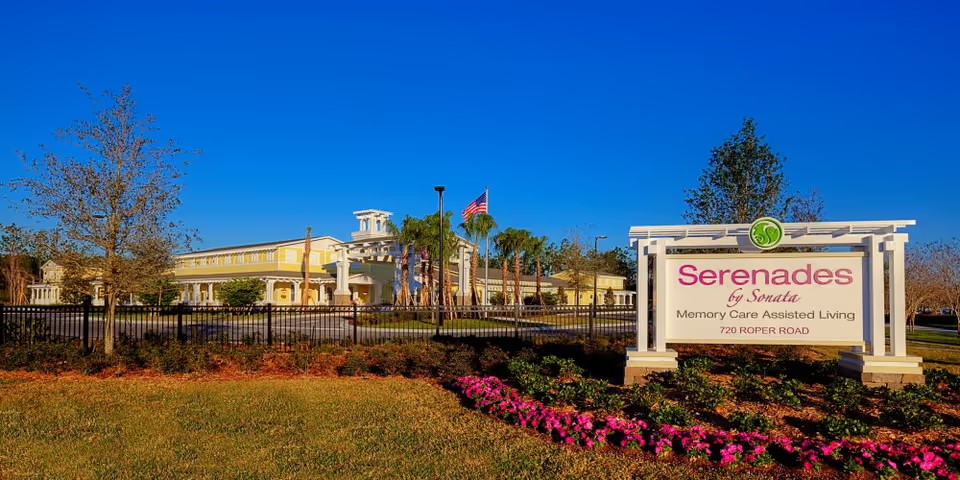
Alto Clermont presents as a resort-style assisted living community with a strong hospitality focus and many built-in amenities. Numerous accounts emphasize the facility’s lodge-like architecture, well-maintained grounds, spacious apartment layouts (including kitchenettes and large bathrooms), multiple elevators, and accessible design. The property offers several on-site services that support daily life—salon, chapel, transportation/shuttle, a 24/7 bistro/coffee station, and an in-house therapy/rehabilitation room—which contribute to a self-contained resident experience.
Dining and activities are clear strengths of the community. Many families describe restaurant-style dining with multiple entree choices, themed events, live music, weekly social hours, and frequent outings. The activity calendar is described as full and varied, from arts and crafts to day trips and memory-focused programming. On-site rehabilitation, physical therapy, and responsive therapy staff are noted positively and are a convenience for residents who need those services.
Care and staffing present a mixed picture. Direct-care staff, certified caregivers, and many nurses are frequently characterized as compassionate, personable, and attentive; several accounts highlight individual team members who provide strong family communication and advocacy. However, there is a consistent operational pattern of staffing instability and high turnover. That instability is associated with uneven continuity of care, variable housekeeping and laundry reliability, and delays in responding to call buttons or urgent needs. Relatedly, some families describe gaps in medication administration and pharmacy coordination that have led to serious concern; this suggests a need for stronger medication-administration controls and documentation practices.
Memory-care and clinical operations are uneven. Some families describe the memory-care team as attentive and effective, while others report lapses during transitions (for example, move-to-memory transitions or supervisor departures) and frustration with clinical follow-through. There are operational gaps noted around hospital-transfer and readmission coordination; families have described instances where handoffs or readmission decisions were contested. These patterns point to variability in clinical coordination and crisis response rather than a uniform standard of practice.
Management and administrative practices are another recurrent theme. Several accounts reference leadership turnover, inconsistent communication from management and business offices, and dissatisfied staff morale. Allegations around aggressive sales tactics, unclear fee structures, or pressure during admissions were raised by some families; these indicate a need for clearer sales disclosures and consistent admission processes. Technical and service-level issues such as TV integration, Wi‑Fi performance, and occasional pest-control or sanitation concerns are mentioned enough to warrant focused operational attention.
Recommendation for prospective families: visit multiple times, request current staffing ratios and turnover statistics, ask to speak with the director of nursing and memory-care leadership, review medication-administration protocols, and sample meals. Inspect housekeeping procedures and ask about pest-control records and response times. When possible, obtain references from current resident families about consistency of care and recent leadership changes. Overall, Alto Clermont offers a strong hospitality environment and many amenities; decision-makers should weigh those strengths against the documented variability in clinical consistency and administrative stability when assessing fit for a specific care need.