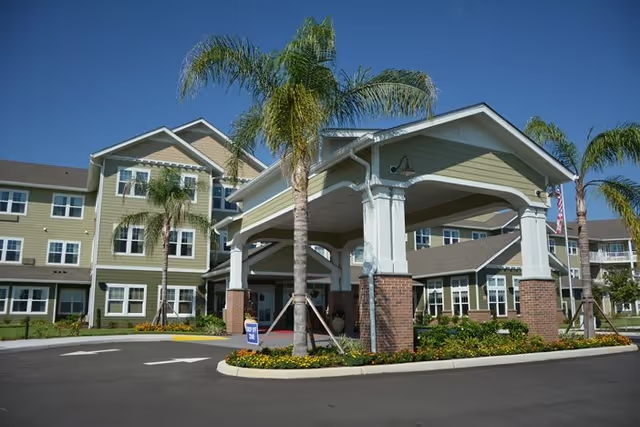
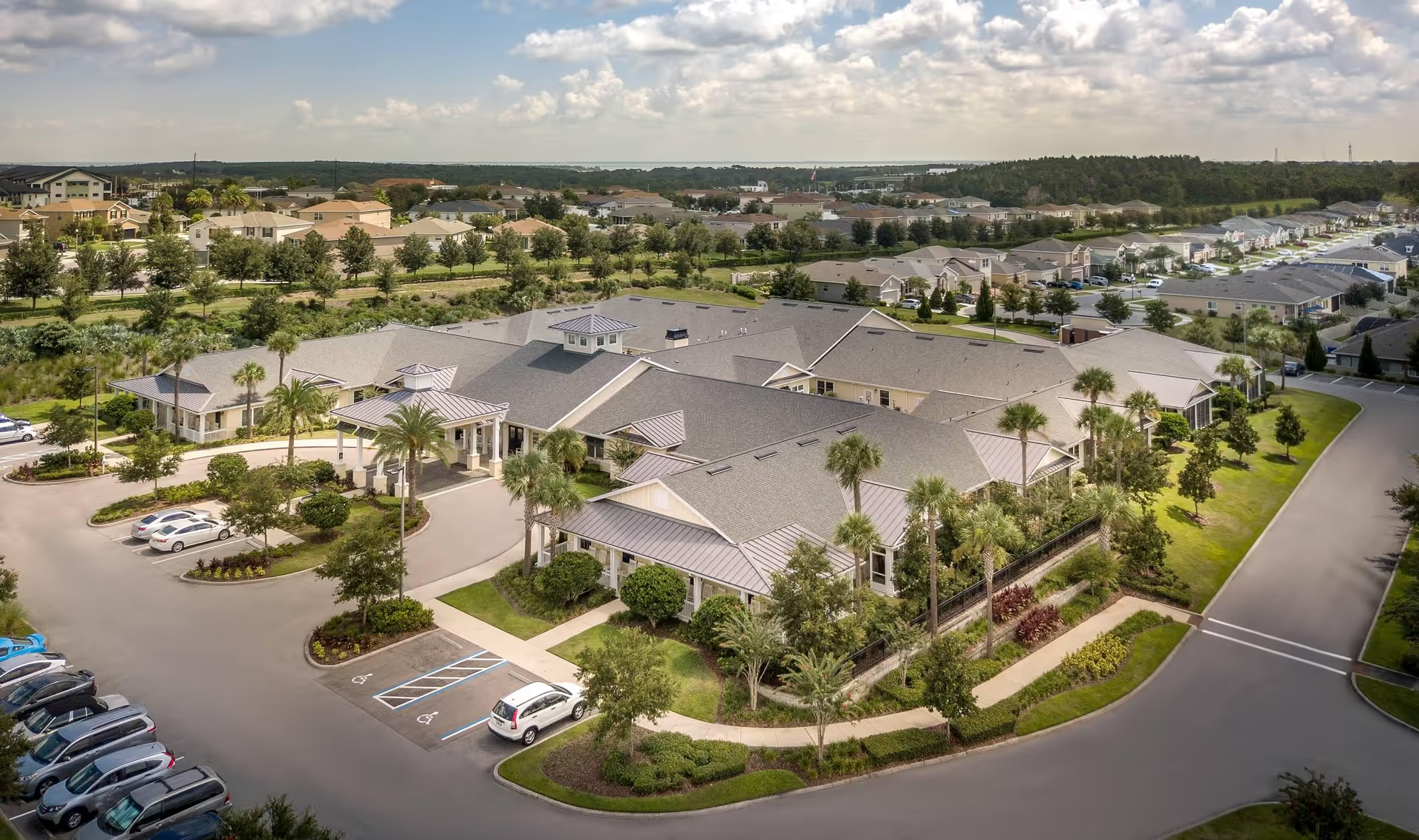
The reviews for The Lakes of Clermont Health and Rehabilitation Center present a clear pattern of strong physical environment and rehabilitation services paired with recurring operational challenges. The facility’s physical plant and amenities receive consistent praise: reviewers describe a modern, hotel-like building with clean, well-appointed rooms (including large private bathrooms), attractive dining spaces, therapy gyms, theater and salon spaces, and pleasant outdoor areas. Many families and residents highlight successful short-term rehabilitation outcomes and strong skill among therapists, making the center an attractive option for post-acute rehab planning.
Staffing and direct care are the most frequently cited mixed elements. Numerous reviews commend front-desk personnel, concierge staff, certain CNAs and nurses by name for compassionate, attentive interactions; these staff members are credited with making residents comfortable and facilitating family communication. At the same time, a recurring theme is understaffing and inconsistent nursing responsiveness: long call-button wait times, delayed medication administration, staffing gaps overnight and on weekends, and variability in clinical skill across shifts. These operational weaknesses have translated, in some accounts, into delayed basic care tasks, missed or late medications, and safety concerns such as fall- and bed-safety incidents and gaps in post-event communication.
Dining and activities present a similar contrast. Meal presentation and some menu items are well regarded, and the facility offers a range of activities and social spaces that reviewers value. However, there are repeated comments about meal errors, temperature and timing issues, limited diabetic/low-sodium options, and occasional allergy risks. Activity programming and social engagement are available and meaningful for many residents, though some families find that organized activities require more proactive outreach or family initiation to engage certain residents.
Management, coordination and logistics emerge as areas for improvement. Reviews note frequent leadership and nursing-director turnover, delayed or inconsistent documentation and care-plan completion, maintenance delays (for example, accessibility modifications), and coordination problems for off-site appointments and transportation. Several reviews allege more serious administrative and accountability concerns; these commentaries raise questions about follow-through and leadership responsiveness. There are also intermittent reports of lost or mishandled personal belongings and inventory shortages that point to process and supply-chain weaknesses.
In sum, The Lakes of Clermont offers a high-quality physical environment and a generally strong rehabilitation program with many staff who deliver compassionate, outcomes-focused care. Prospective residents and families should balance these strengths against recurrent operational issues: staffing levels and consistency of nursing coverage, medication- and care-timeliness, weekend and after-hours management, dietary accommodations, and care-coordination processes. When evaluating placement, consider asking facility leadership for current staffing ratios by shift, nurse/therapist schedules, medication administration procedures, allergy/diet accommodations, weekend coverage plans, and examples of recent process improvements addressing the communication and maintenance gaps families reported. Conducting a tour that includes a conversation with therapy leadership and the on-duty nurse manager can help clarify how the facility’s strengths will meet a specific resident’s clinical and safety needs.