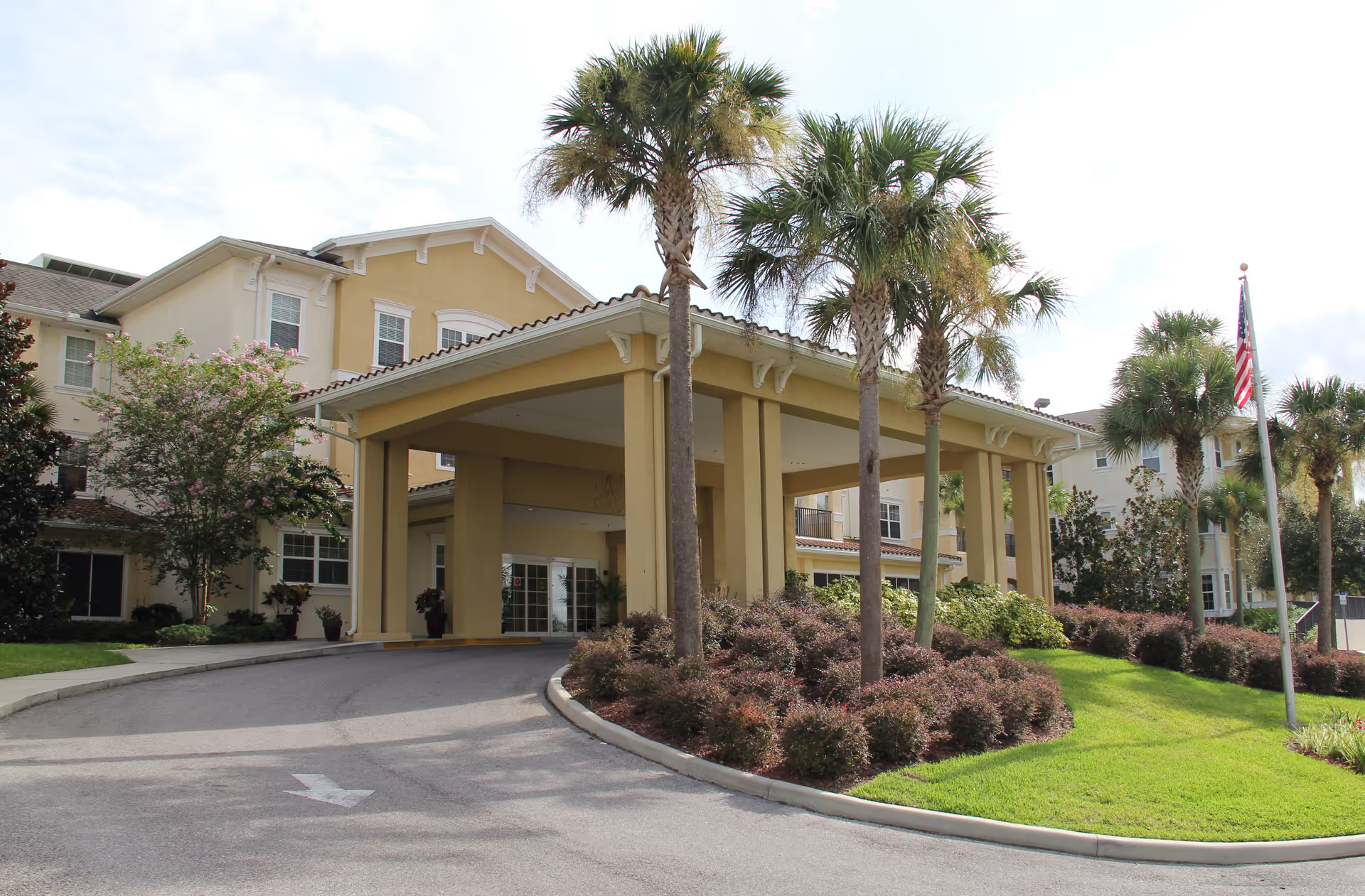
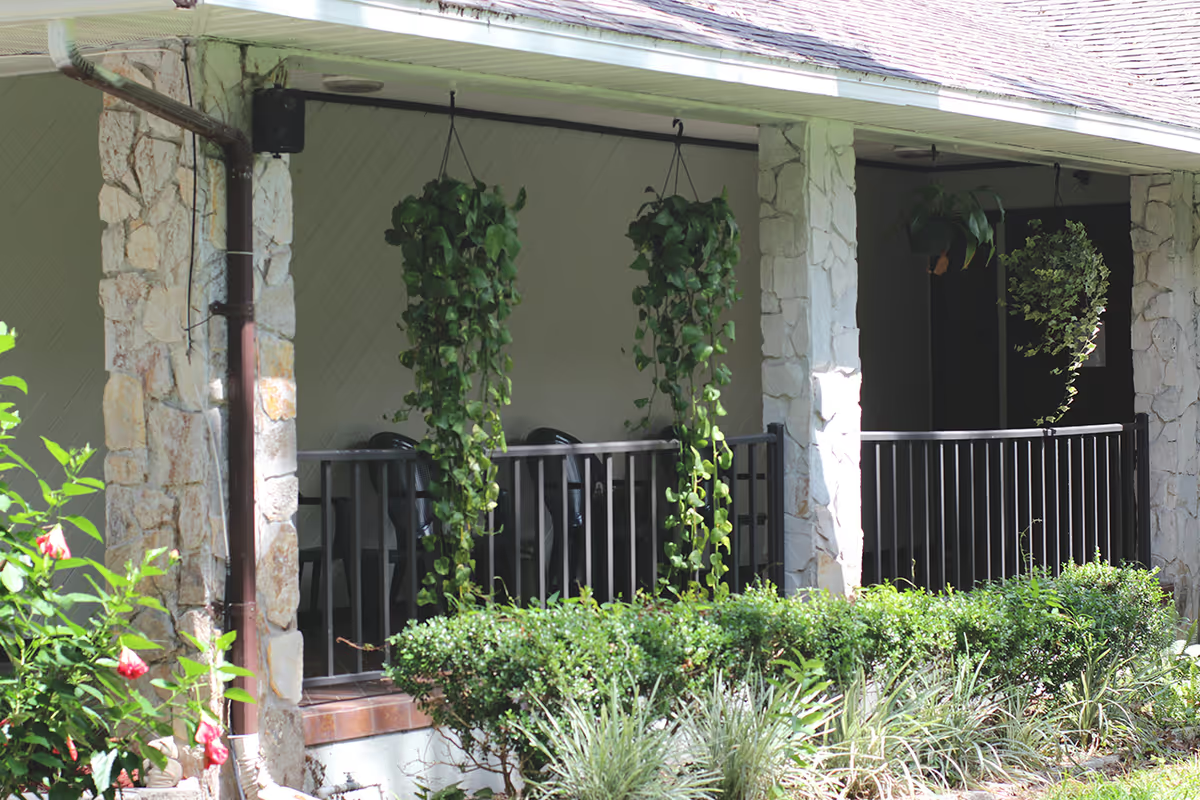
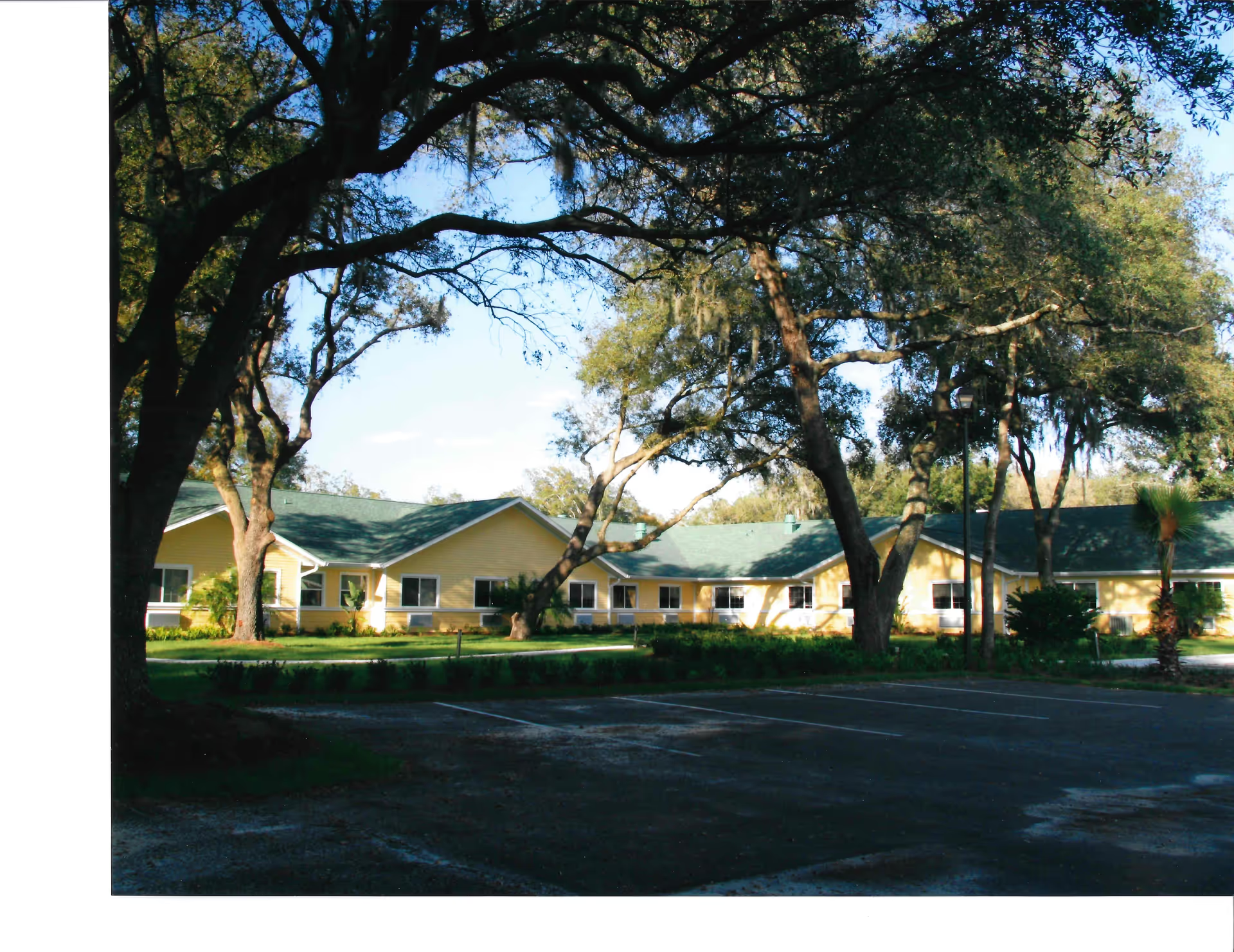
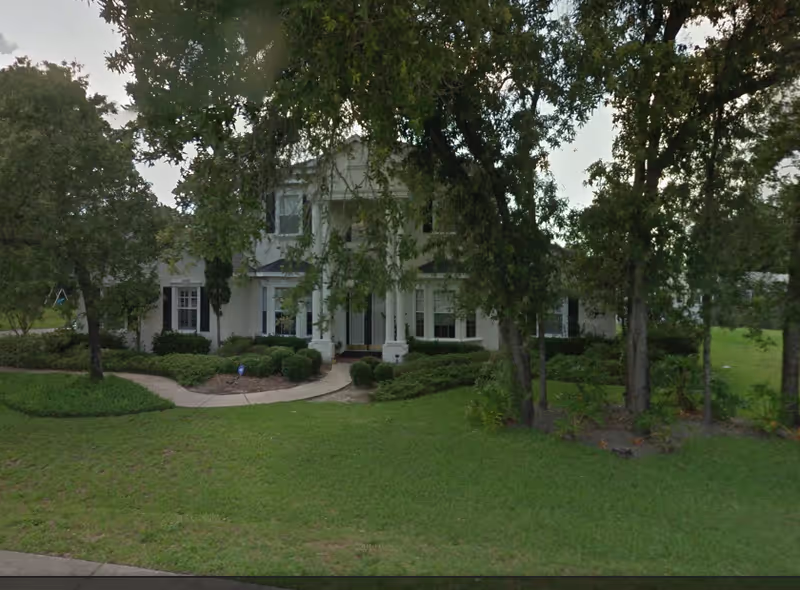
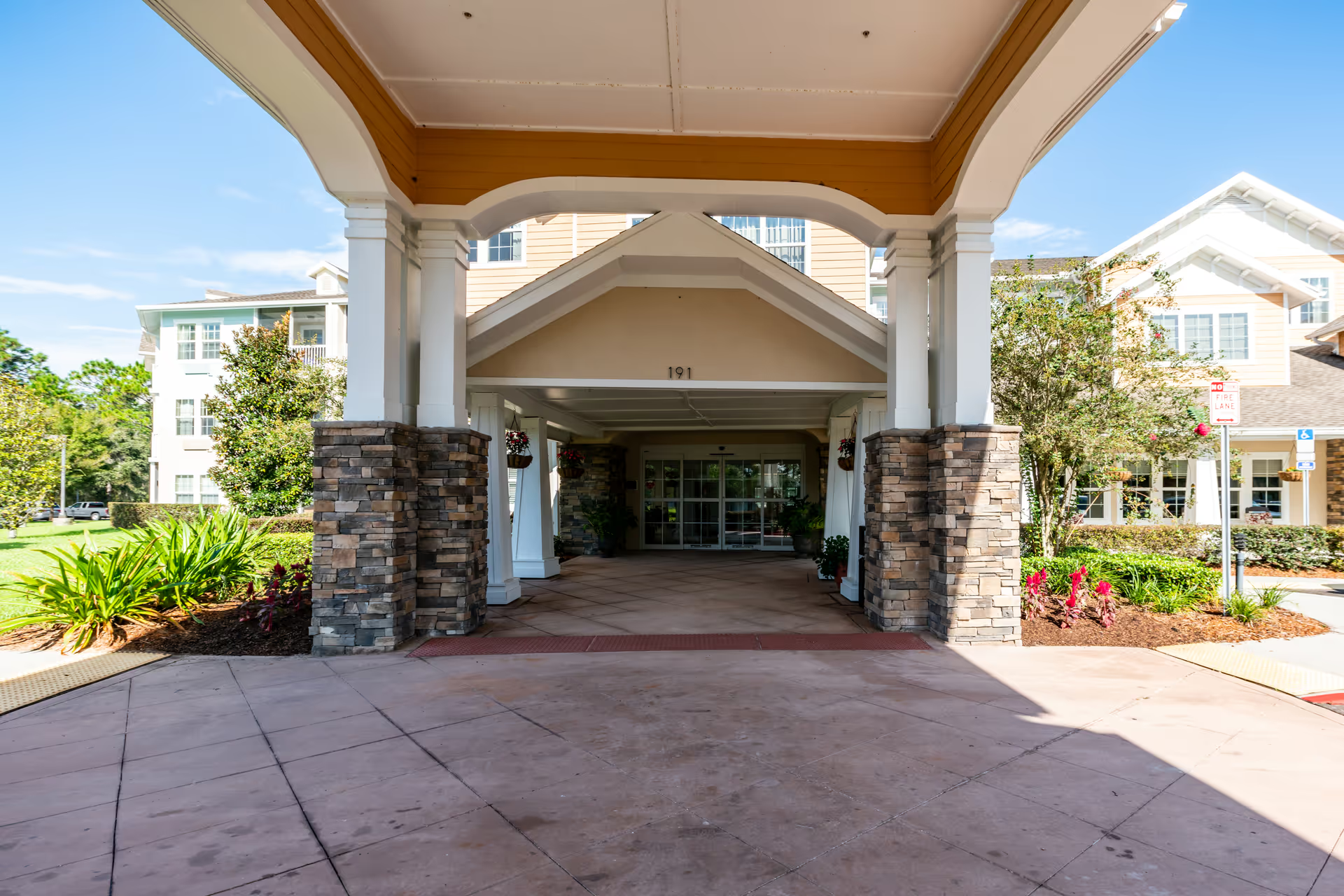
Overview Elevated Estates at the Edwinola presents as a historic, mixed-condition senior community with substantial variation in resident experience. Many reviewers emphasize the building's architectural character, wraparound porches and common gathering spaces, and point to renovated studio suites and recent investment under new ownership. At the same time, a recurring theme is a split between positive accounts—focused on caregiving staff, activities, and recent improvements—and serious operational concerns related to staffing, maintenance, sanitation, and clinical oversight.
Care and staffing Care experiences are polarized. Numerous accounts praise individual caregivers, nursing staff, and the activities director as compassionate, attentive, and responsive; families and residents describe staff who know residents personally and who facilitate transitions. Conversely, a pattern of inconsistent staffing levels and high personnel turnover has been noted, particularly during overnight and shift-change periods. These gaps are associated with delayed responses to call bells, inconsistent bathing and toileting schedules, missed or inconsistent medication administration, and instances that reviewers interpret as inadequate clinical oversight. Several reviews highlight timely clinical interventions by specific staff members, while others describe slow or nonresponsive management follow-up when issues arise.
Dining and nutrition Dining impressions are mixed. Many reviewers praise home-style meals, accommodating kitchen staff, and the availability of multiple meal choices and snacks. Others describe variability in meal temperature, portioning, and accommodation for denture or swallowing needs; some families reported tray-to-room service and individualized dinner calls when necessary. Overall, culinary quality appears to have improved under new management in some accounts, but meal-service continuity and special-diet execution are inconsistent across the dataset.
Activities and social life The community receives consistent positive marks for programming. Activity offerings include social games, music, outings, exercise classes, faith-based gatherings, arts and crafts, and resident-run events. Reviewers highlight an active schedule, an engaged activities director, and opportunities for socialization that contribute to resident satisfaction. Memory-care programming is described as secured and staffed, though reviewers also raised concerns about staffing coverage on specialized units during some shifts.
Facilities and maintenance Physical attributes are a mix of strengths and liabilities. The property’s historic character, porches, and common rooms are often cited as appealing, and several suites have been updated with new flooring, vanities, and furnishings. However, multiple reviewers note recurrent maintenance issues: unreliable elevators, intermittent HVAC outages, water leaks, and a backlog of repairs. Sanitation and pest-control concerns are raised for some units and common areas, and several reviews describe odor concerns. Accessibility within the building is generally reasonable (wide hallways, ground-floor units), but the community bus is not consistently wheelchair- or scooter-accessible, limiting transportation options for mobility-impaired residents.
Management, communication, and operations Management performance and responsiveness emerge as a major axis of divergence. Some reviewers describe clear, helpful administrators, improved policies under new ownership, and proactive communication. Others report administrative turnover, slow or absent callbacks, unresolved complaints about billing and refunds, and limited family communication following clinical incidents or end-of-life events. These operational inconsistencies extend to processes such as medication management, laundry schedules, and incident follow-up. A small number of reviews reference regulatory or health-department actions and specific post-incident concerns; these are best interpreted as indicators that communication and incident-resolution processes may need strengthening.
Notable patterns and considerations for families The collective reviews portray a community with identifiable strengths—particularly in individualized caregiving, social programming, and the character of the facility—but also with recurring operational weaknesses that have meaningful impact on resident safety and family confidence. Key patterns to weigh when evaluating this facility are the variability in staffing and clinical oversight, ongoing maintenance and reliability problems (elevators, HVAC, water intrusion), sanitation and pest-control lapses in some areas, and inconsistent administrative responsiveness.
Recommendations for prospective families Prospective residents and families should consider an on-site, unannounced visit during several parts of the day (including a shift change and mealtime), ask for written policies on medication administration, fall-prevention protocols, pest control, and elevator/HVAC maintenance schedules, and clarify transportation accommodations for mobility devices. Request contact protocols for incident notification and recent inspection or licensing documentation. If memory care or higher-dependency nursing services are needed, seek specifics about night staffing ratios and contingency plans for clinical escalations.
In summary, Elevated Estates at the Edwinola offers a combination of historic appeal, active programming, and examples of strong, compassionate staff; however, persistent operational and maintenance challenges—especially those affecting safety, clinical consistency, and sanitation—warrant careful inquiry and monitoring prior to placement.