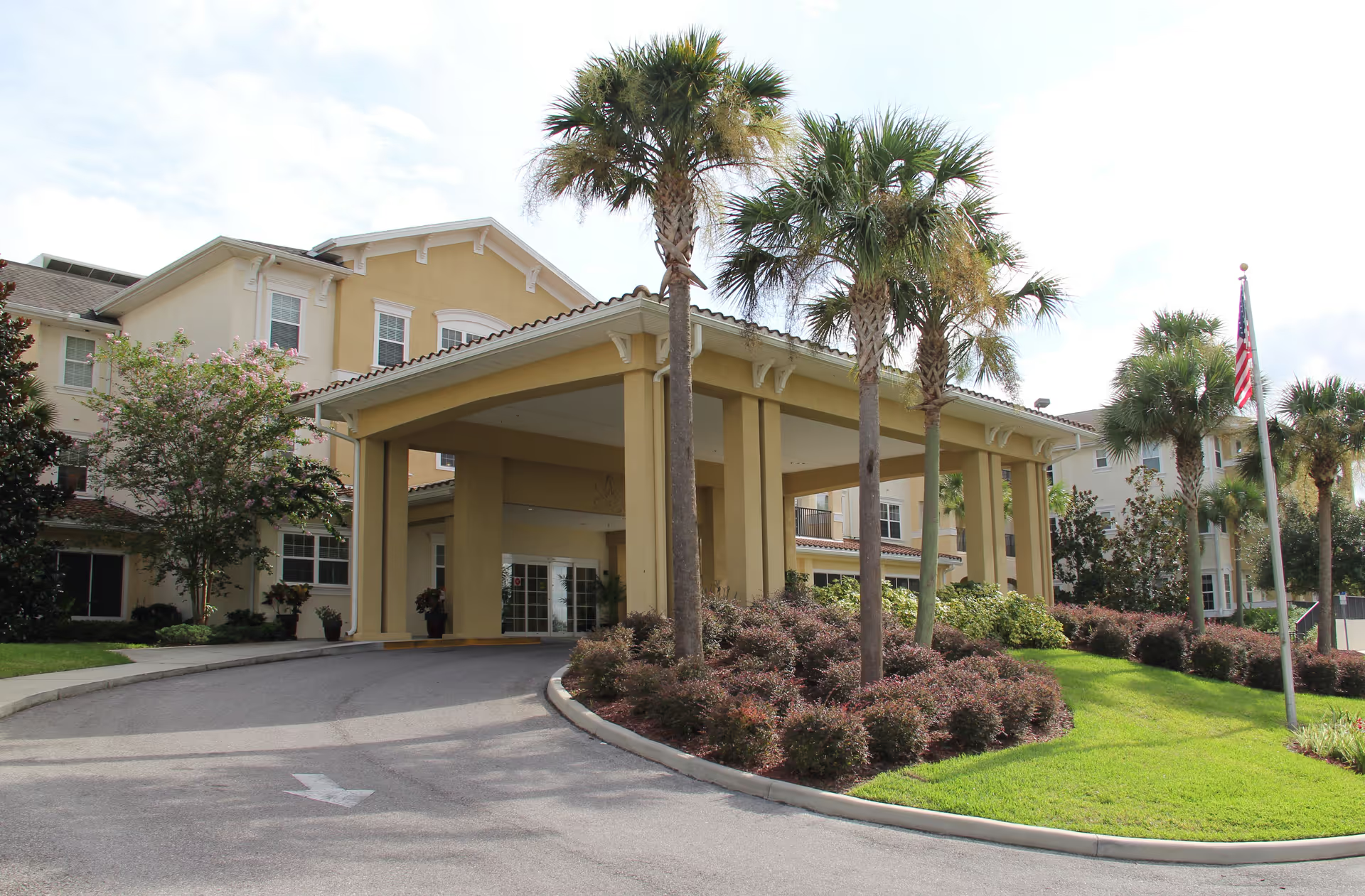
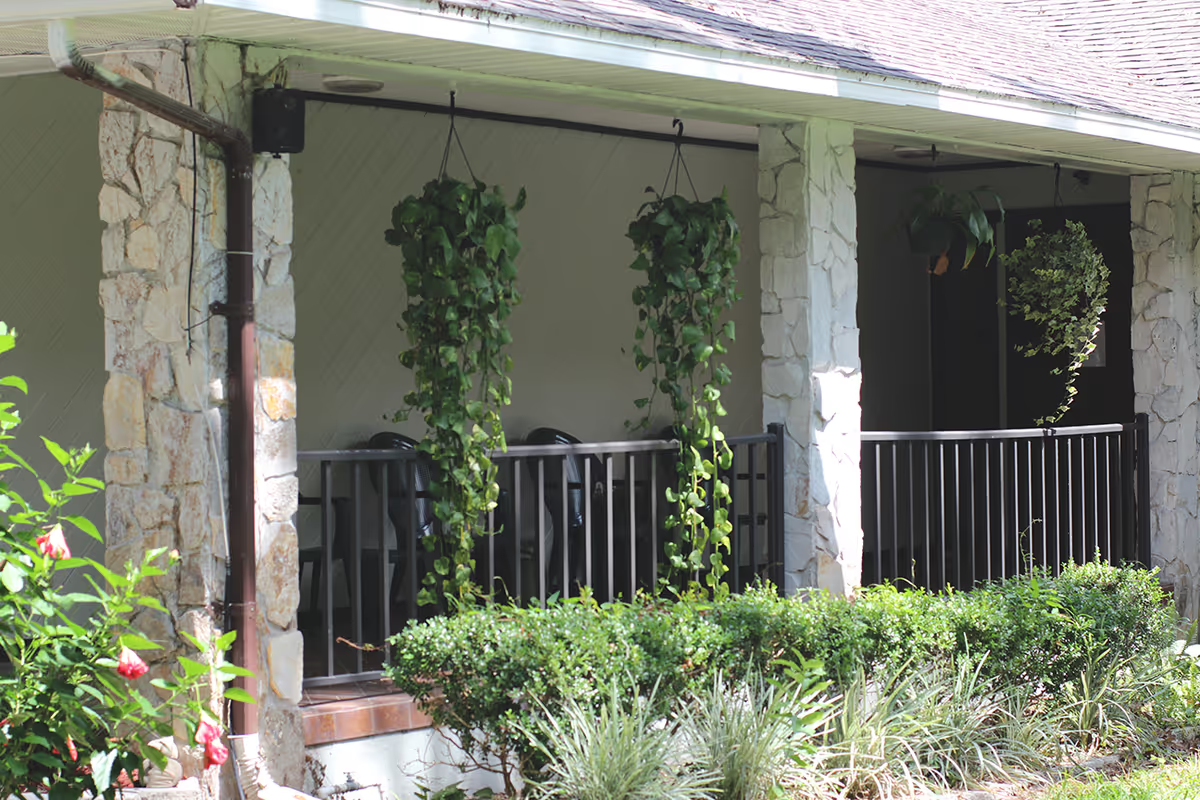
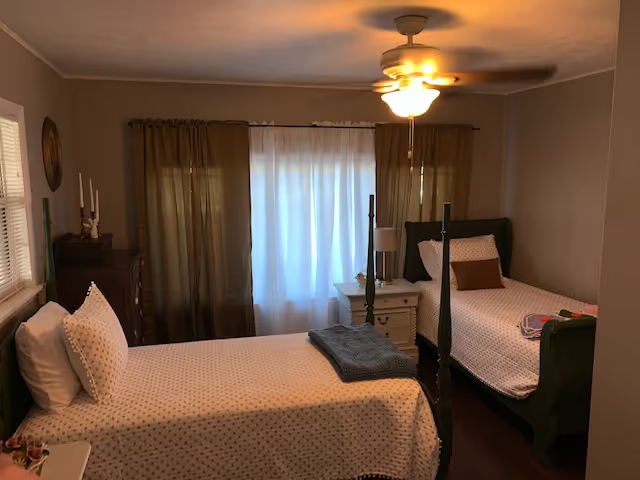
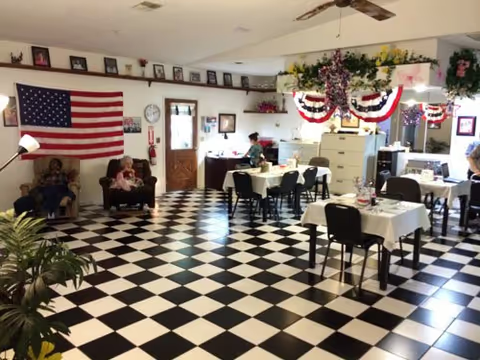
Compass Rose of Zephyrhills elicits strong, polarized impressions. On the positive side, the facility is repeatedly described as having a compassionate, family-style caregiving culture: caregivers are portrayed as personable, attentive, and relationship-focused, with examples of staff going above and beyond, sharing photos with families, and supporting residents through end-of-life transitions. The memory-care wing is frequently characterized as secure and supportive, and many families note improved morale and meaningful social connections for residents. Housekeeping and maintenance receive consistent praise for responsiveness, and parts of the community have been recently remodeled, offering private rooms with en-suite bathrooms and attractive, homelike common areas and outdoor porches.
Activity programming and community involvement are notable strengths when present. Several mentions highlight musical entertainment, outings, a range of social events (Veterans’ Day activities, musicians, cultural events), and structured offerings such as Alzheimer’s support groups, health seminars, and networking events. When the activity program is active, reviewers describe residents as engaged and thriving. The facility’s smaller scale and homelike environment are also described positively by families who value individualized attention and quick communication with staff and administration.
However, the reviews also surface several operational concerns that prospective families should evaluate. Clinical staffing levels and the availability of licensed nursing coverage are inconsistent in the accounts provided; some reviewers report limited or inexperienced clinical personnel and an absence of on-site registered nurses or physicians. Relatedly, there are reports suggesting gaps in medication-management practices and personal-item security that merit specific inquiry. Several accounts raise sanitation and food-safety concerns tied to kitchen operations; these are contrasted by other reviewers who praise the meals, indicating variability in dining quality and kitchen management.
Other operational weaknesses reported include uneven staff training and responsiveness, with some families describing lapses in routine monitoring, emergency-response reliability, and medication schedules. Facility maintenance and environmental controls receive mixed comments as well: while many note clean, well-maintained areas and recent renovations, isolated reports cite HVAC failures, water intrusion, and lighting/fixture issues. The community’s small size is a double-edged characteristic — it supports a home-like atmosphere and personalized care but also limits available amenities, staffing breadth, and the number of bathing facilities.
Management impressions vary. Several reviewers praise a family-based, proactive leadership style and name administrators who are responsive and helpful; others describe inconsistent management stability, concerns about staff training and workplace environment, and in a few cases more serious operational criticisms. There are also isolated allegations of theft and personal-property security breaches that should be explored directly with facility leadership and through references.
Overall, Compass Rose of Zephyrhills offers a clearly defined profile: a small, community-oriented assisted living with strong relational caregiving, active memory-care programming, and a homelike setting that many families find reassuring. At the same time, prospective residents and families should obtain up-to-date, specific information about current licensed-nursing coverage, medication-administration protocols, kitchen sanitation controls, emergency-response procedures, staffing ratios (especially at night), recent corrective actions for any maintenance or environmental failures, and the current activity calendar. Direct questions and an in-person tour focused on those operational areas will help clarify whether the facility’s strengths align with a given resident’s clinical and personal needs.