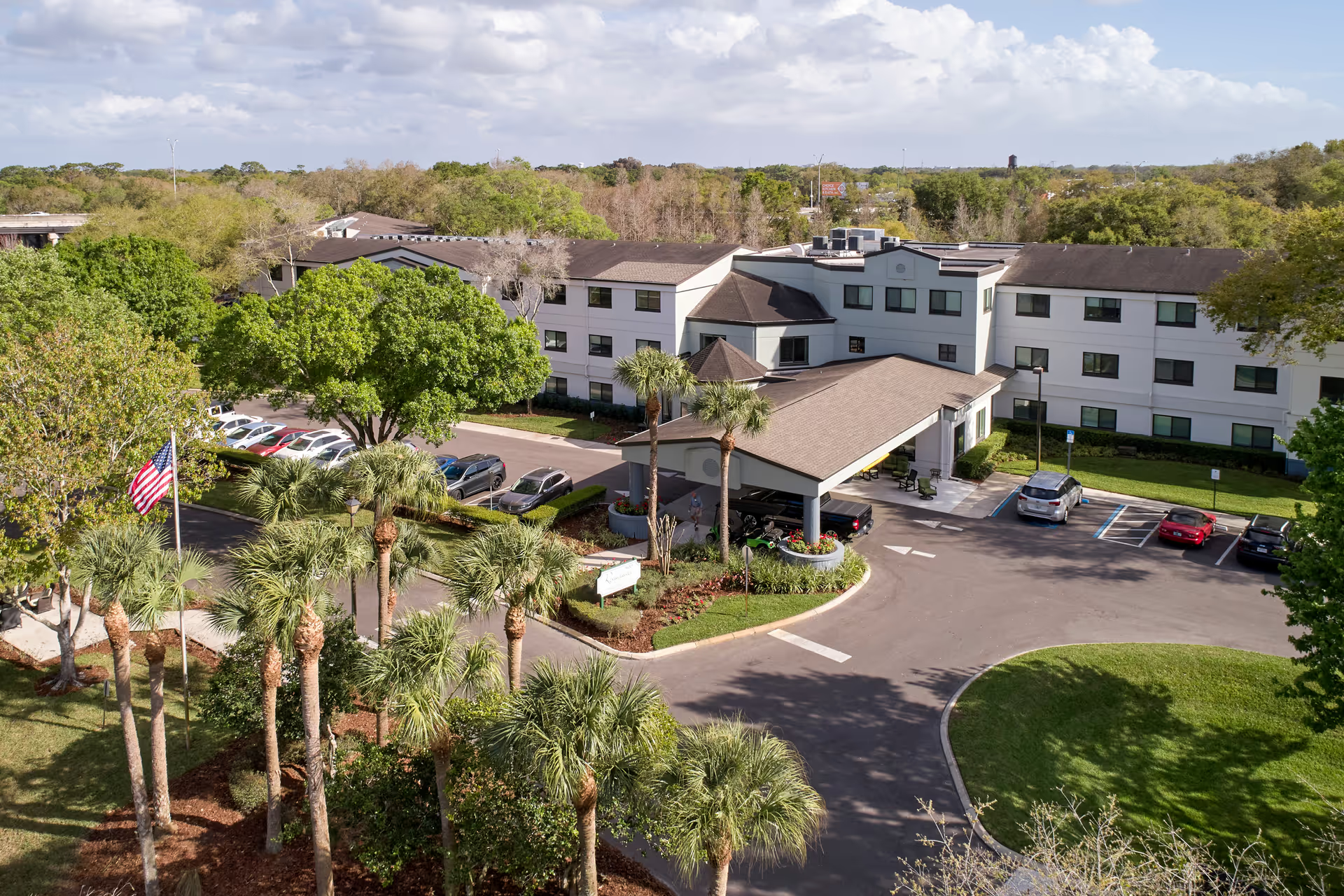
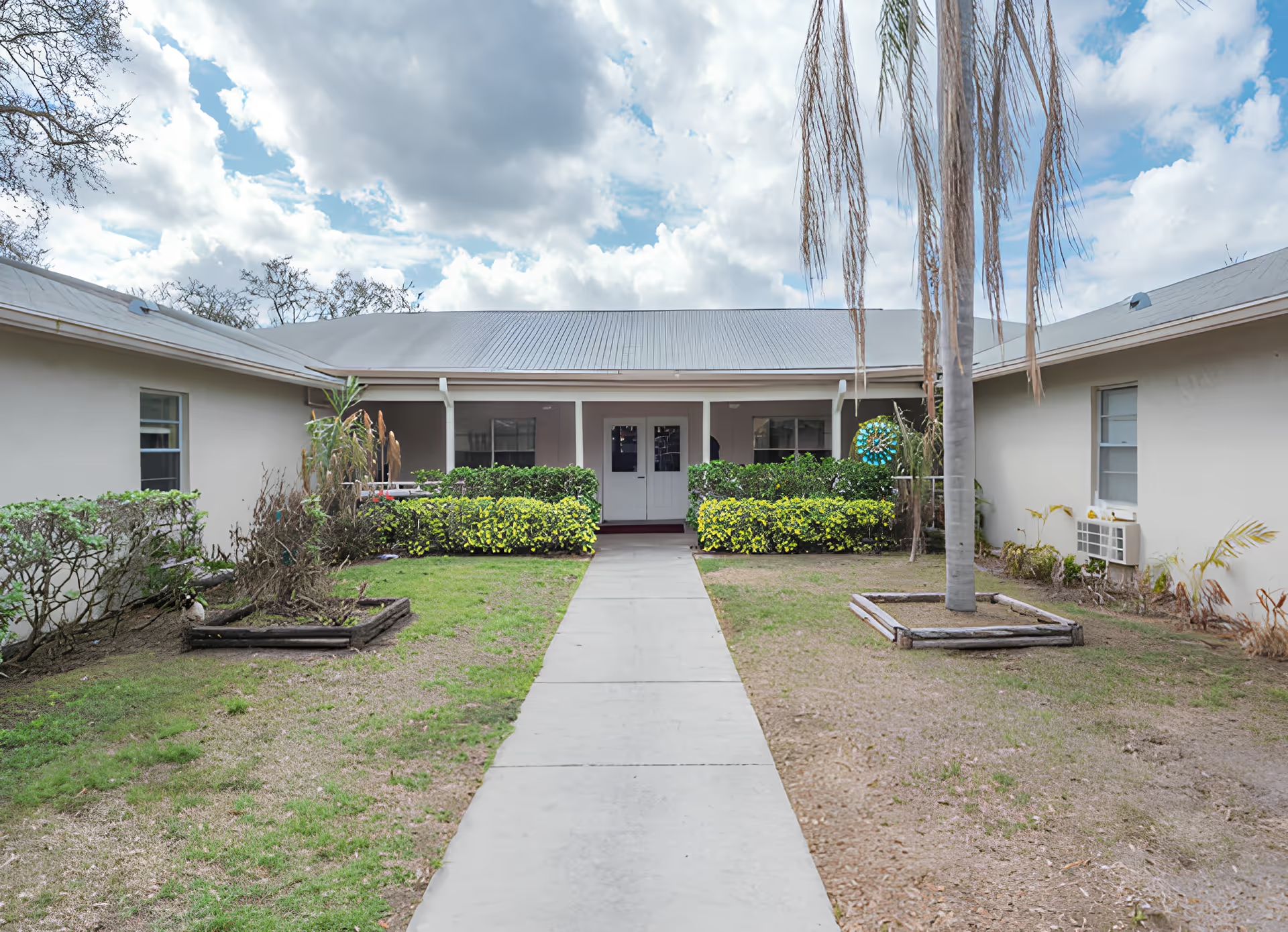
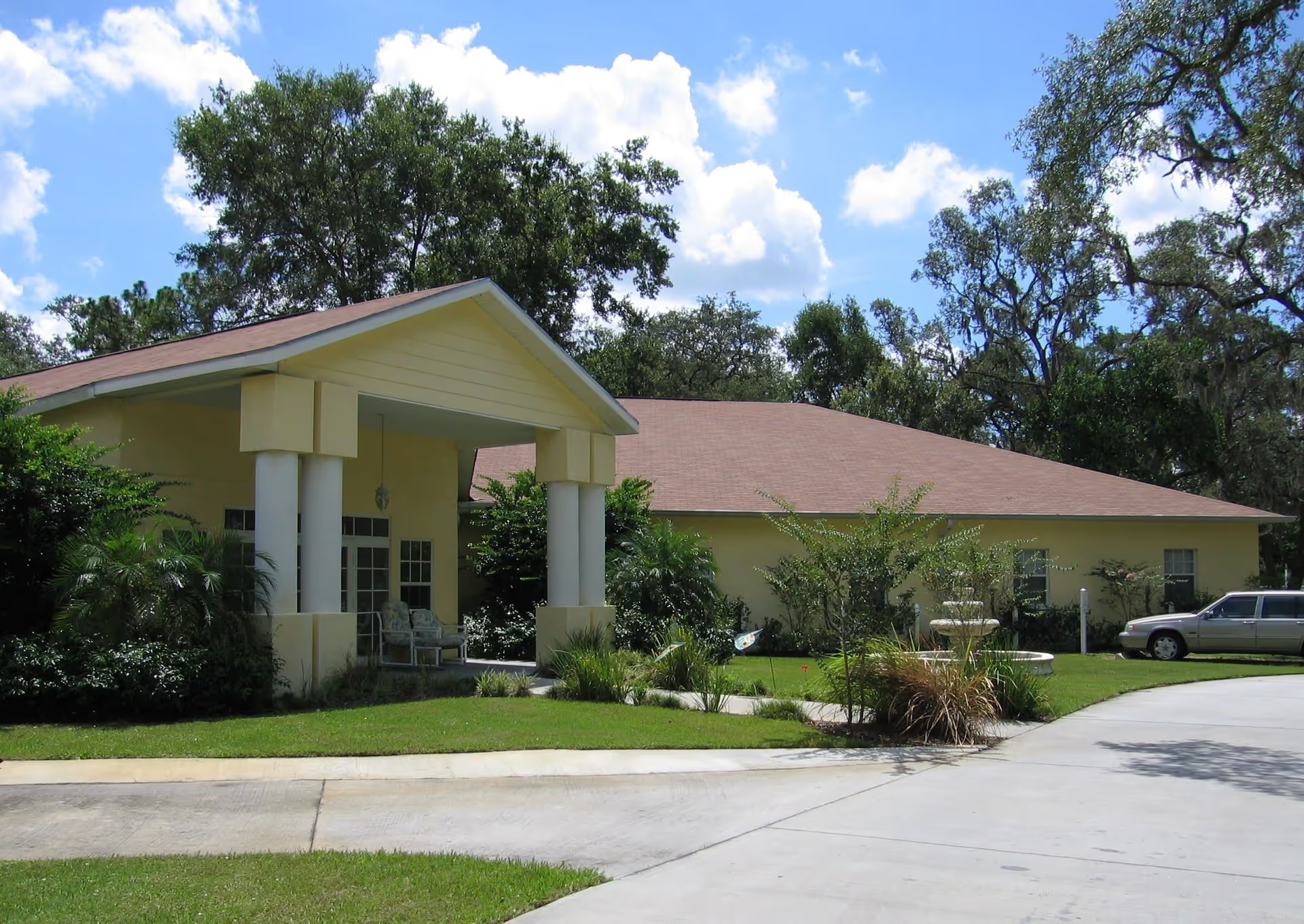
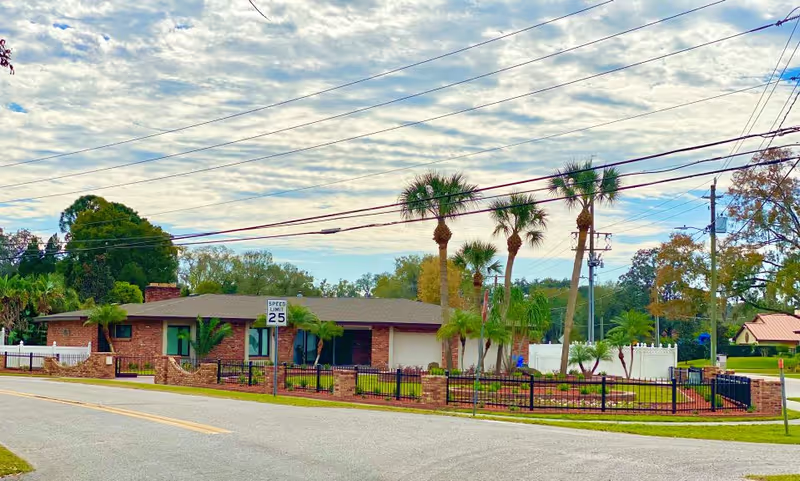
Memory Lane Cottage is described predominantly as a small, home-like memory-care community with consistently positive feedback about direct care and day-to-day living. Families and visitors emphasize warm, attentive caregivers, a high staff-to-resident ratio, and individualized attention that many say produces noticeable improvements in resident alertness, mood, and engagement. The facility’s small size, intimate neighborhoods, and an emphasis on personalized programming are frequently framed as strengths for residents with memory impairment.
Dining and daily living receive largely favorable comments: the on-site kitchen, open dining areas, and a cook praised for appetizing, nutritious meals are recurring points. At the same time, there are mentions of inconsistent meal quality across accounts, so dining experience may vary by time or staff on duty. Activities programming is a clear strength — reviewers note a creative activities director, regular special events, bingo and seasonal décor, weekend programming, and opportunities for gardening and outdoor participation. Accessible outdoor spaces, courtyards, walking trails, and a fenced backyard are cited repeatedly as beneficial for resident mobility and family visits.
Facility upkeep and atmosphere are often described as clean, orderly, and pleasant-smelling, with many families appreciating the home-like decor and thoughtful common spaces. Volunteer involvement and family-oriented events (including social-media updates and trial stays) contribute to a sense of community and transparency for some families.
However, several operational concerns recur in the feedback and should be considered by prospective families. Leadership and administrative consistency is a notable area of mixed experience: some families praise an involved director and nursing leadership, while others describe unprofessional or disorganized management and poor teamwork. More serious are reports implying lapses in clinical oversight and medication processes; reviewers have indicated instances that they say resulted in hospitalization, which suggests the need to clarify medication-administration protocols and incident-response procedures with the provider. Cleanliness and maintenance levels are described positively by many but negatively by others, indicating variability in housekeeping or facility upkeep over time or across areas.
Communication is another mixed domain: while some families appreciate unhurried conversations, frequent updates, and special-family events, others report feeling unheard or experiencing brusque interactions with particular staff or administrators. These interpersonal and organizational inconsistencies have been raised alongside statements about staff morale, which some reviews suggest can affect day-to-day operations.
Given the blend of strong caregiving and programmatic positives alongside operational and oversight concerns, prospective residents and their families would benefit from targeted questions and observations during a visit. Recommended inquiries include: detailed medication-management and clinical oversight procedures; policies for incident reporting and family notification; staff turnover and training schedules; examples of recent maintenance or sanitation audits; sample menus and meal-service routines; an activities calendar and opportunities for trial visits; and the facility’s plan for addressing family concerns. Reviewing state inspection reports and speaking with current families can also help form a fuller picture. In sum, Memory Lane Cottage presents many of the attributes families seek in a small memory-care setting, but due diligence on management practices, clinical protocols, and consistency of services is advised before placement.