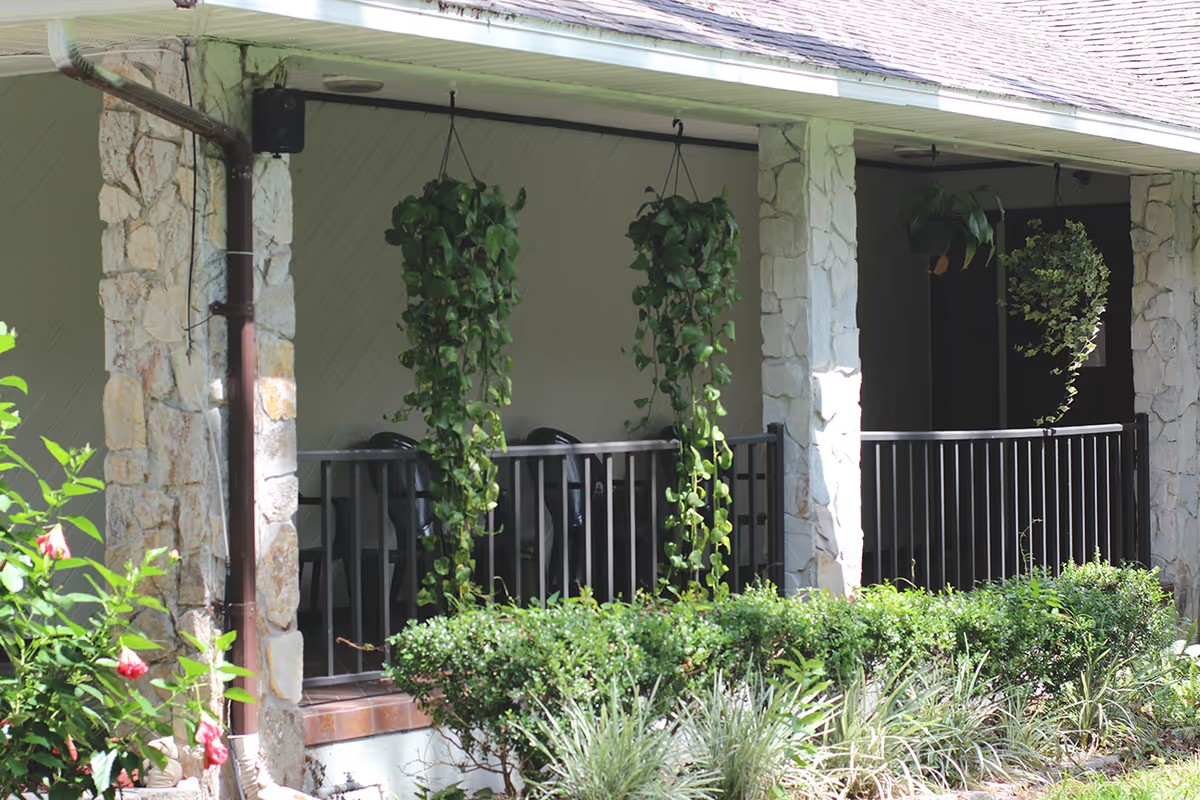
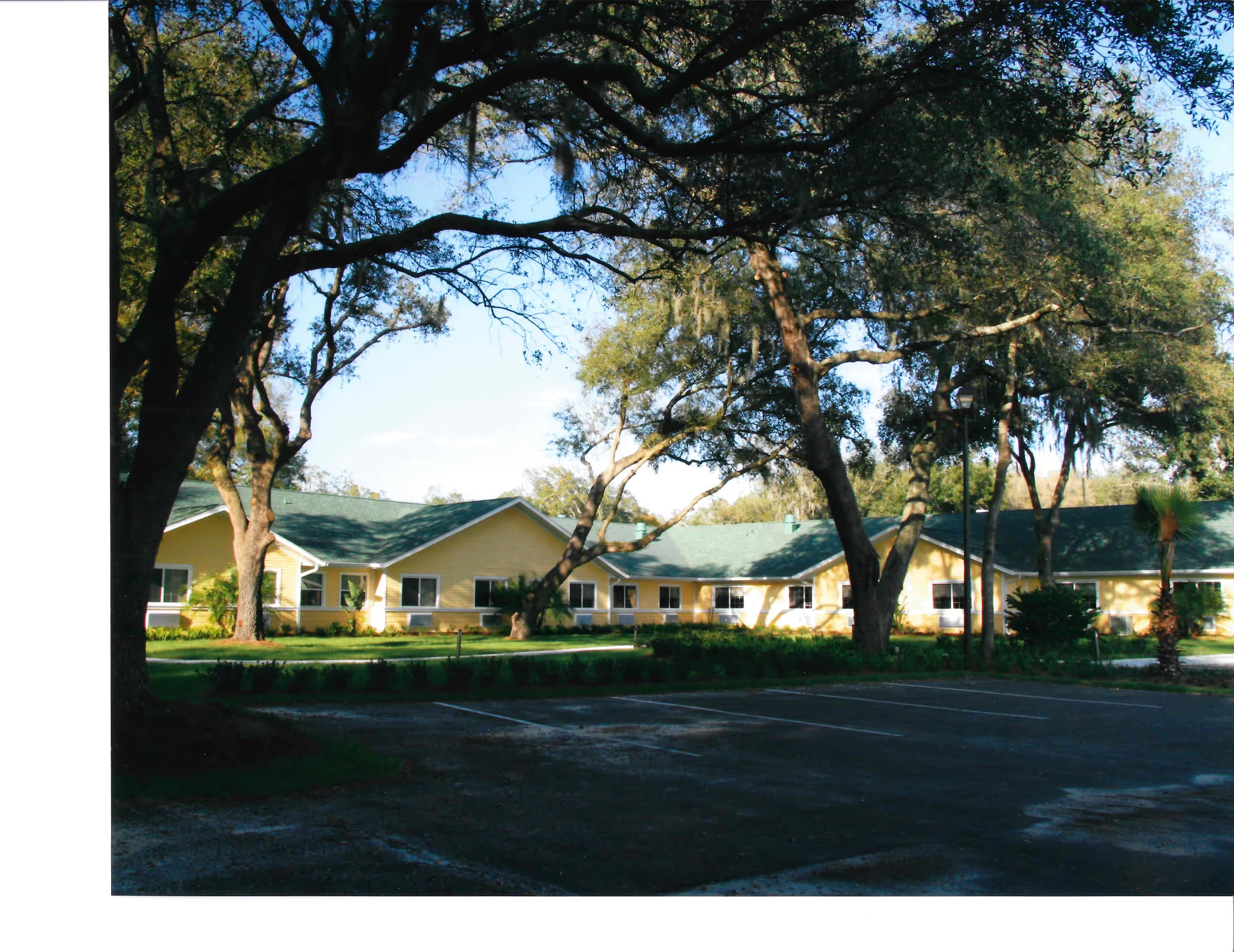
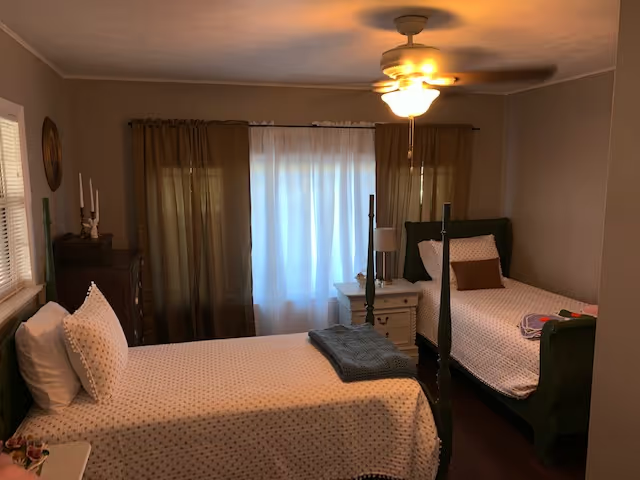
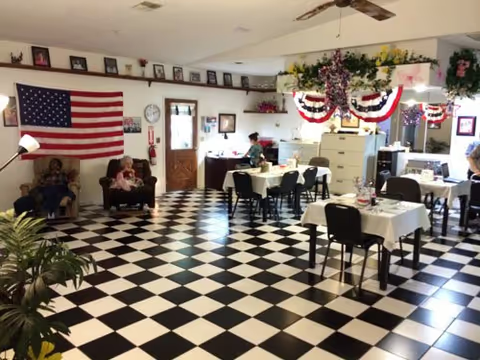
American House Zephyrhills presents as a modern, well-kept community with many resort-style amenities and a strong emphasis on social programming. Multiple reviewers described the property as clean, bright, and hotel-like, with spacious apartment layouts (including one- and two-bedroom options, some with balconies), well-decorated common areas, and a wide range of on-site amenities such as a theater, library, salon, bar/happy-hour area, and on-site rehabilitation services tied to a hospital. Housekeeping, laundry services, and transportation for appointments are routinely mentioned as positive operational features.
Staff quality is a prominent positive theme: admissions, administrative, and many direct-care staff are characterized as friendly, informative, and responsive. Families frequently praised the activities director and noted smooth admissions, good family communication, and proactive coordination with hospice, VA, and outside providers. Memory care receives mixed but often favorable commentary: several accounts describe attentive, safe memory-care units with engaging daily activities and a welcoming atmosphere.
However, there are recurring operational concerns that prospective families should weigh. Staffing consistency is a central issue — reviewers report short staffing, high turnover, and use of new or temporary staff that can reduce continuity of care. That operational pattern has been linked to variability in caregiver conduct (including occasional reports of a strained or condescending tone), weaker weekend and secondary-shift coverage, and delays in routine care tasks. Specific clinical-process concerns include inconsistent attention to hydration and toileting assistance; these are described as episodic but notable when they occur.
Dining and nutrition receive mixed assessments. Many residents and families praised the dining room experience and described the food as good, with ample portions and menu variety. At the same time, others described inconsistent execution (salty or cafeteria-style meals, breakfast delivered cold), limited diabetic or sugar-free options, and an early or rigid dinner schedule that may not fit all residents’ routines. Prospective residents with specific dietary or clinical feeding needs should clarify service capabilities during the tour.
Facility operations and maintenance are generally strong given the building’s newer condition, but reviewers noted isolated maintenance issues — prolonged elevator outages, delayed HVAC repairs, and occasional slow response to room-level problems. Memory-care programming sometimes includes restricted access to outdoor patios; check access policies if outdoor use is important. Cost and payment structure are another practical consideration: pricing is described as upper-tier, with some notes that certain services are private-pay or limited under Medicare coverage.
Overall impression: the community is widely regarded as attractive, socially active, and staffed by caring personnel, with notable strengths in amenities, therapy services, and family communication. Those positives are tempered by operational patterns — inconsistent staffing, variability in clinical follow-through, and occasional maintenance or dining reliability issues — that can affect day-to-day resident experience. Families should prioritize a focused tour addressing staffing ratios, memory-care routines and outdoor access, medication and clinical-service capabilities, special-diet accommodations, and the facility’s plan to manage turnover and weekend coverage before making a placement decision.