The body of reviews presents a polarized picture of Davenport Nursing and Rehab Center: many families and patients describe highly dedicated individual caregivers, strong therapy outcomes, and engaged administrative staff, while others raise significant operational and safety concerns. Positive feedback consistently highlights attentive CNAs, skilled physical and occupational therapists, and administrators who participate in care-planning and communicate with families. Several reviewers credited therapy staff with measurable rehabilitation progress and named specific clinicians as strengths of the program.
Care quality and staffing are the most mixed areas. On the positive side, reviewers describe compassionate bedside care, effective rehabilitation programming, and individualized attention from certain nursing and therapy staff. Conversely, recurring themes include long response times to requests, missed or delayed medication doses, documentation gaps, and reports of pressure-injury and infection-relapse concerns. These indicate variability in clinical consistency and suggest the facility may have episodic lapses in medication administration and monitoring. Multiple comments also point to staffing shortages among CNAs and therapy personnel, which reviewers link to delayed assistance and less frequent therapy than initially promised.
Dining and activities receive uneven evaluations. Some reviewers describe clean dining areas, adequate portions, and meaningful activities including chapel services and social programming. Others note monotony in menu choices, occasional cold or small portions, and interruptions to expected meal schedules. Activity availability appears present but may be impacted by staffing levels and resident mix.
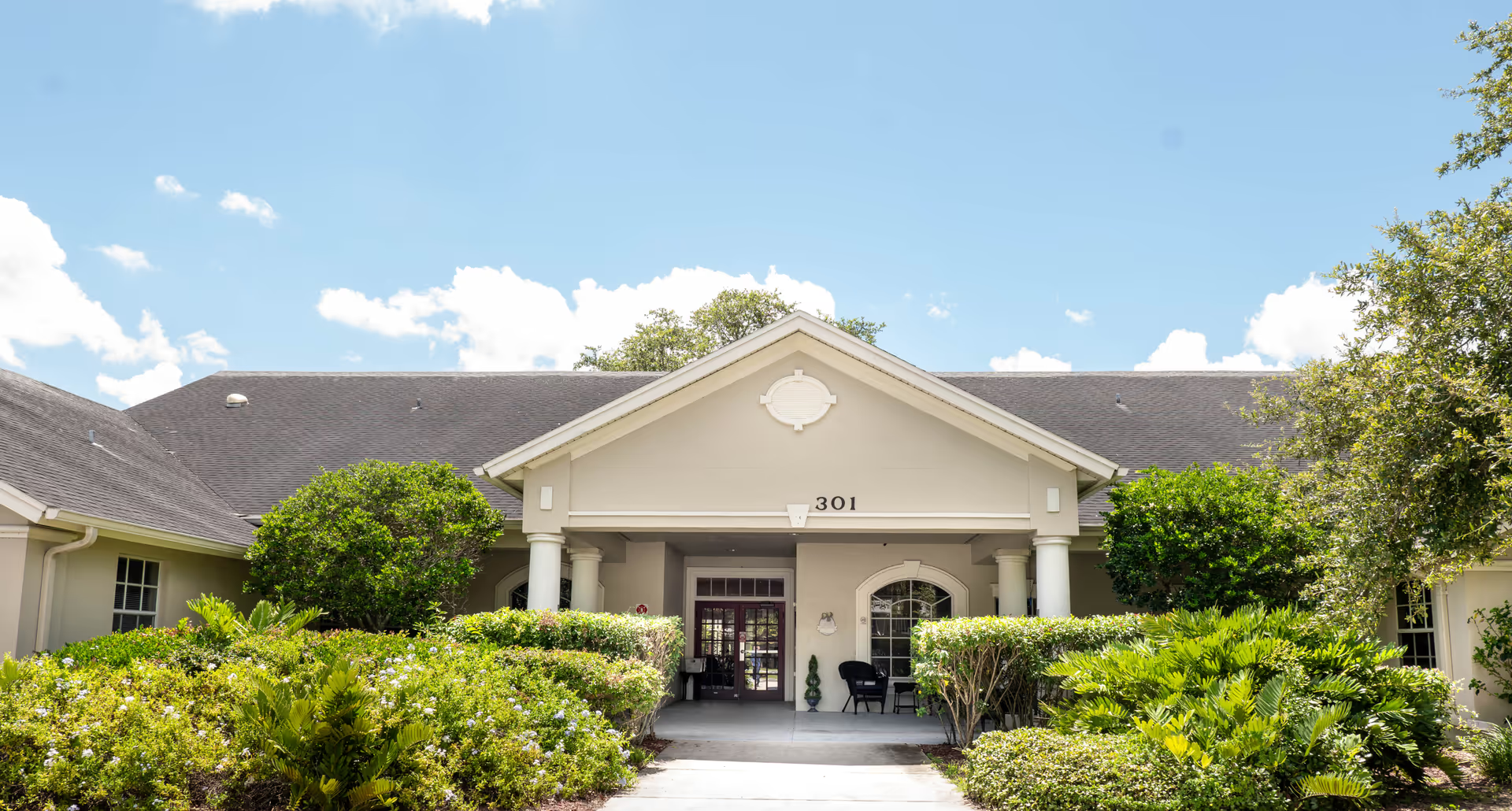
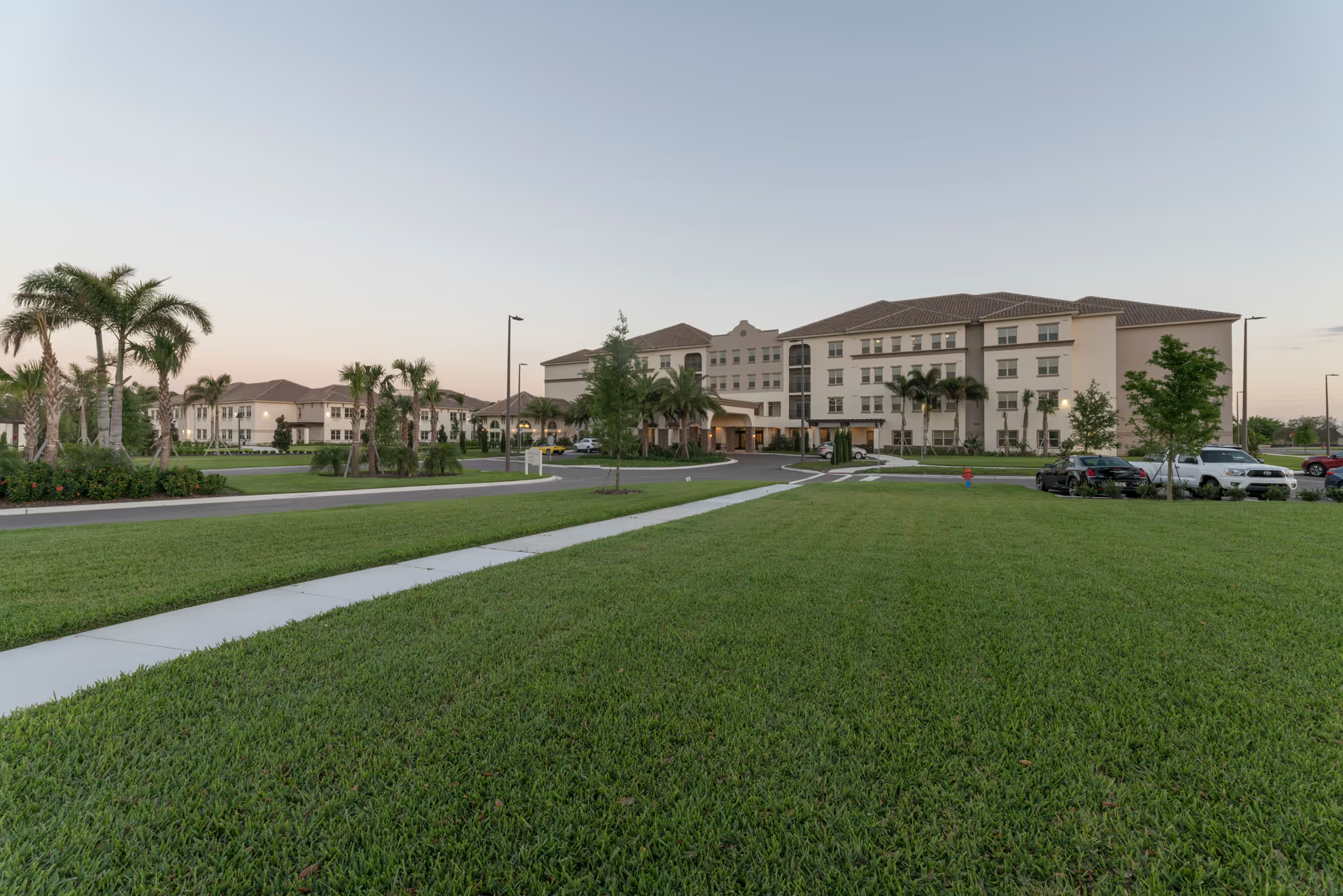
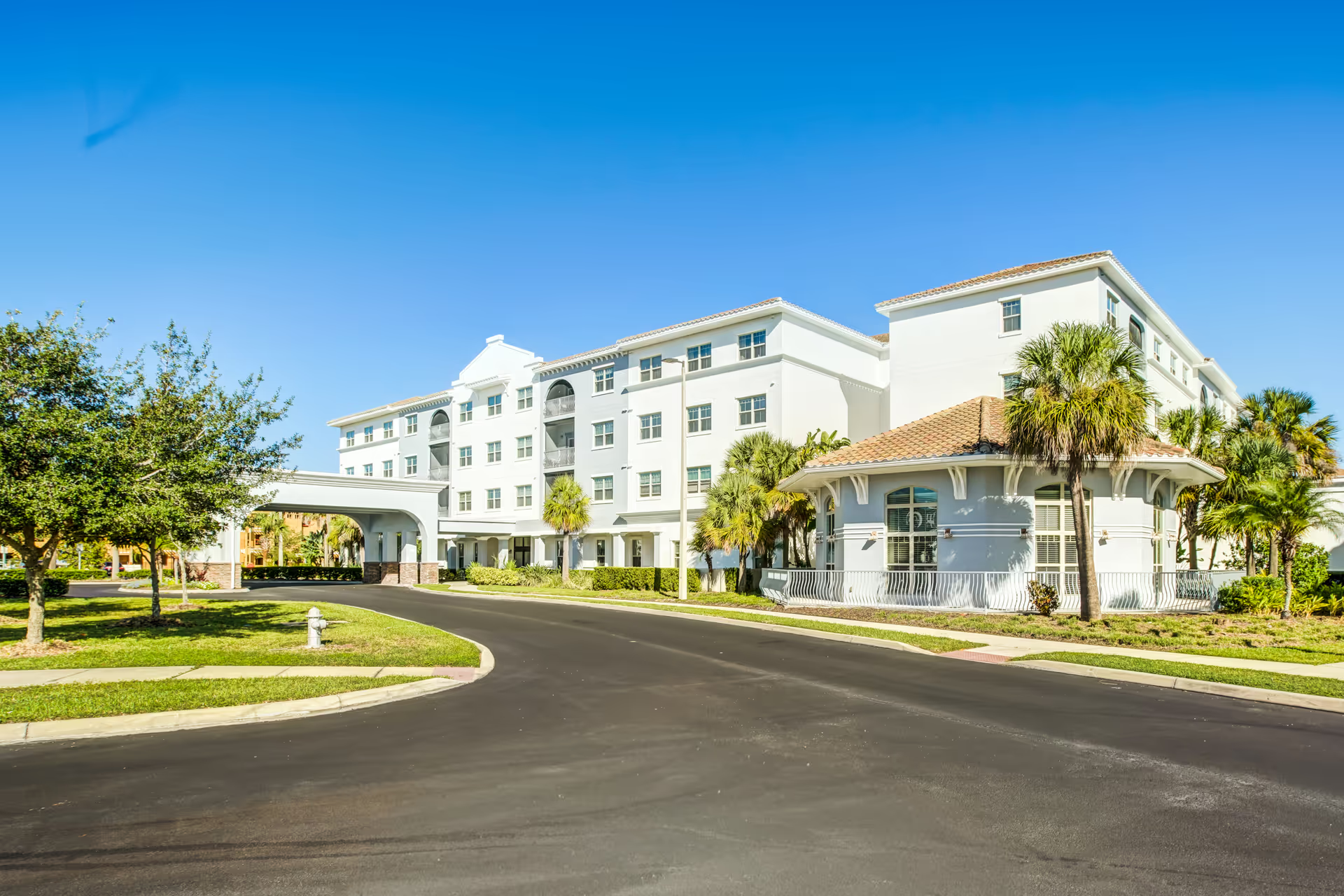
Facility condition and cleanliness perceptions are mixed. Several reviewers praised recent renovations, fresh paint, new flooring, and generally clean rooms. At the same time, other reviewers expressed odor concerns, sanitation and pest-control issues in some areas, and aging infrastructure such as outdated furnishings and inconsistent HVAC/air-conditioning performance. Maintenance delays were reported by families who felt environmental or equipment problems were not addressed promptly.
Management, communication, and administrative processes show both strengths and weaknesses. Many families praised specific administrators and caseworkers for responsiveness, empathy, and clear communication during meetings. However, other reviewers described misinformation around admissions/discharge, billing disputes, voicemail and phone unresponsiveness, and examples of dismissive or poorly coordinated family communication. One serious theme raised by reviewers involves allegations of manipulation or suppression of online feedback; such claims point to trust and transparency concerns that would merit further review by oversight parties.
Notable patterns: the facility often elicits strong praise for individual staff members and therapy programs, yet systemic operational weaknesses—particularly inconsistent staffing, medication/documentation processes, cleanliness variability, and communication breakdowns—create a wide range of resident and family experiences. Prospective residents and families should consider an in-person tour and ask targeted questions about staffing ratios, medication administration protocols, infection-control and pest-management procedures, availability and frequency of therapy sessions, safety equipment (call systems, bedrails, monitoring), and how the facility handles billing, discharge coordination, and family communication. These focused inquiries can help distinguish unit-level strengths from the facility-level variability reflected in these reviews.