Overall impression: Reviews present a facility with a strong emphasis on personalized, memory-focused caregiving and a small, home-like atmosphere. Many families and a geriatric care manager praised the staff’s compassion, one-on-one attention, and familiarity with residents’ needs. The community’s small scale is consistently described as a strength for residents who benefit from close, consistent caregiver relationships and a quieter environment.
Care and staff: Care quality is frequently described as attentive and compassionate, with positive notes about nursing staff, CNAs, and hands-on leadership. Medication management and individualized monitoring are often cited as strengths, and reviewers describe staff who provide personalized touches during hospice and end-of-life care. At the same time, several reviewers raised concerns about staff conduct and timeliness in some interactions (for example, communication tone, shouting, or delays in attending to needs). Reviewers also pointed to variability in staffing levels and role overload, which can affect consistency of care on occasion.
Dining and activities: The facility offers home-cooked meals and daily meal service, and some families reported the ability to accommodate favorites and special requests. There are positive accounts of hospice-oriented meal accommodations and occasional personalized food touches. However, meal quality and kitchen oversight are described as uneven by others. Activity programming receives mixed feedback: some residents find programming engaging and social, while others describe limited activity space or programming that does not meet more active residents’ expectations.
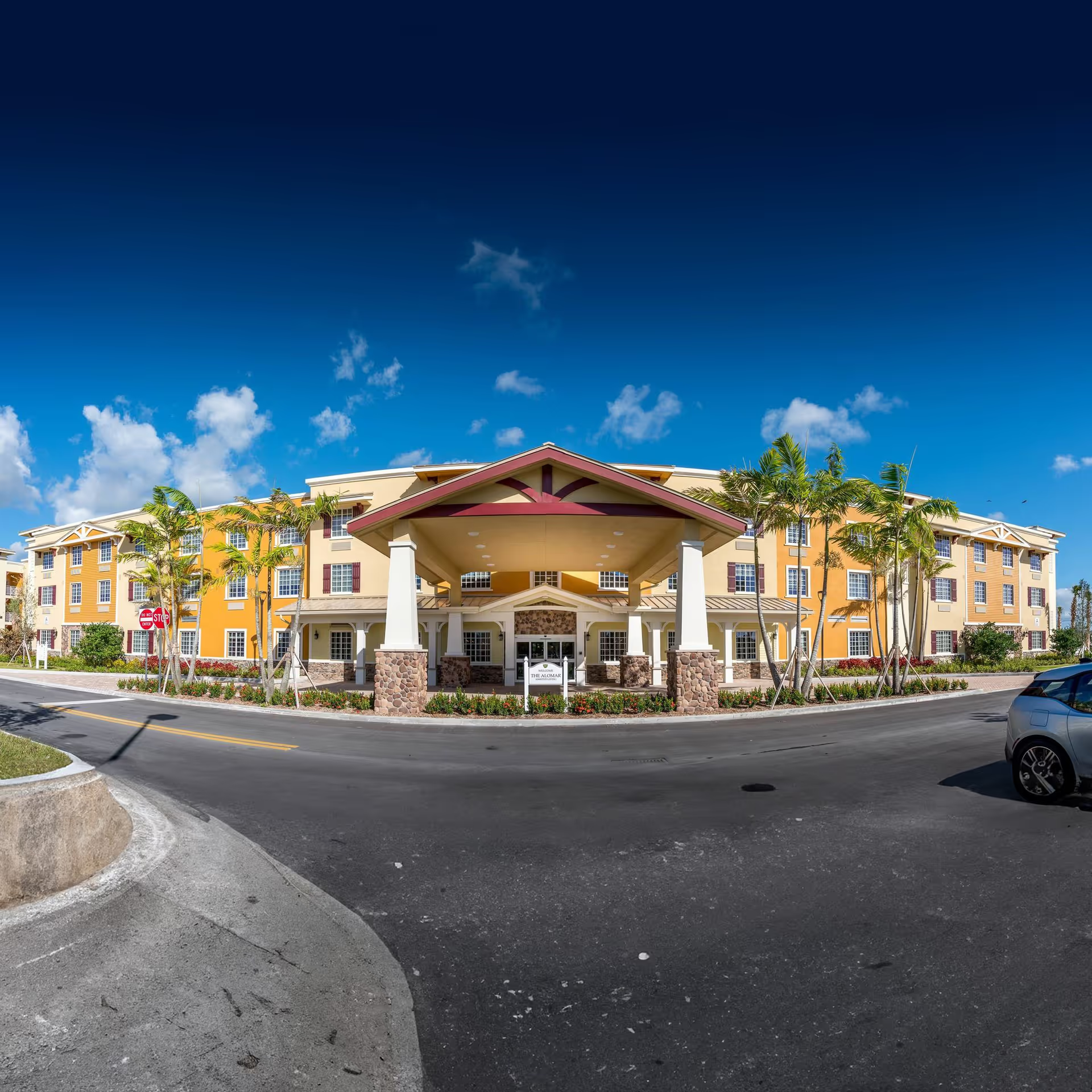
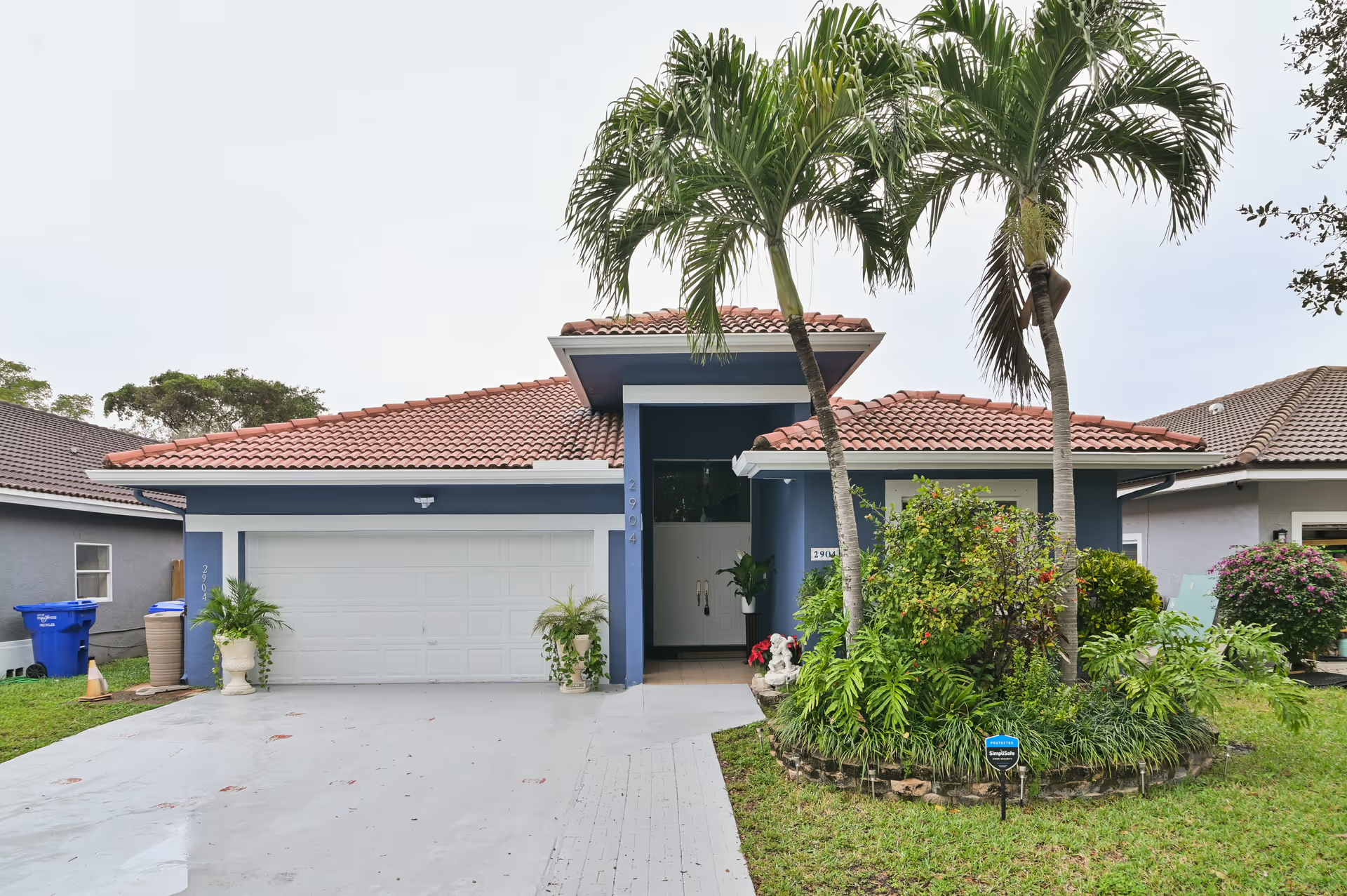
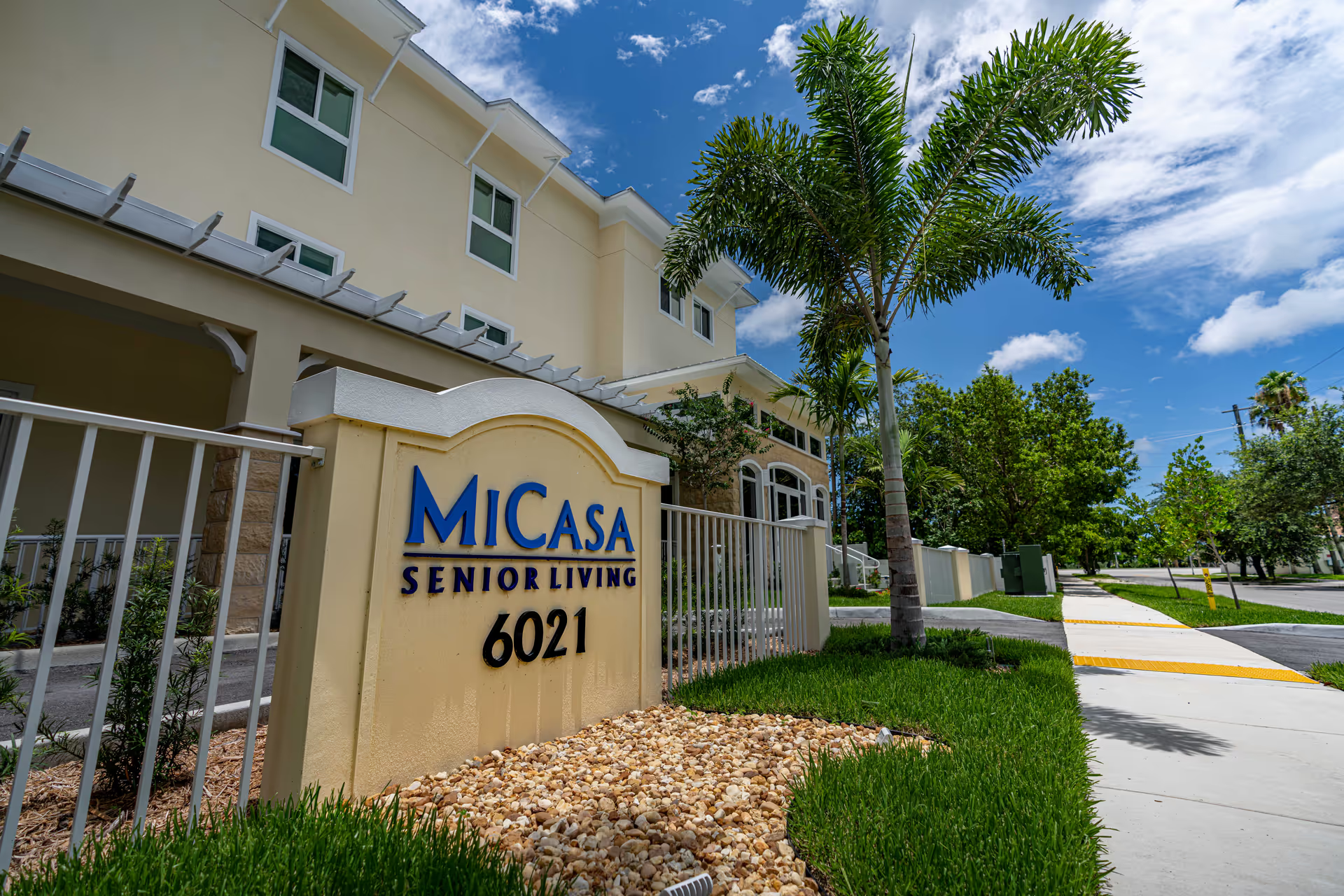
Facilities and maintenance: The physical plant has received recent upgrades (new paint, doors, kitchen work, tile flooring) and many reviewers noted bright, clean interior spaces that contribute to a non-institutional, home-like feel. Conversely, there are recurring notes about inconsistent upkeep—examples include messy rooms, worn furnishings, overgrown exterior landscaping, and sanitation or odor concerns in particular areas. The community’s small footprint is a benefit for intimacy but also means smaller rooms and shared bedrooms/bathrooms in many units; private-room availability is limited, which may not suit residents who need more space or privacy.
Management, admissions and safety patterns: Experiences with admissions, tours, and follow-up are inconsistent. Some families found scheduling and communication straightforward and helpful; others experienced poor tour coordination, lack of follow-up, or slow responsiveness after initial contact. A small number of reviews referenced a serious incident that led to hospitalization and an associated regulatory inquiry; these comments were framed by reviewers as gaps in incident response and family communication. Prospective families should therefore ask specific questions about incident reporting, emergency response protocols, staffing patterns, and how the facility communicates with families after clinical events.
Who it may suit: The facility appears well suited to families seeking a small, memory-care–focused community with compassionate caregivers and a home-like environment. It can offer close personal attention, medication management, and hospice support. Prospective residents with higher-acuity medical needs, a need for private rooms, or expectations for extensive activity space may want to evaluate capacity and staffing carefully.
Recommendation for families touring: During a tour, verify current cleanliness and sanitation measures, ask about staffing ratios and recent staff turnover, review incident-response and family-notification procedures, observe meal service, and confirm private-room availability and the scope of activities. Ask management for documentation of recent renovations and any follow-up actions taken in response to clinical or regulatory concerns so you can assess whether the facility’s strengths align with your loved one’s needs.