The reviews present a highly mixed picture of Carlton Shores Health and Rehab Center. A consistent strength across assessments is the rehabilitation and therapy program: physical therapy staff and equipment are frequently praised for producing measurable progress and smooth transitions to home or outpatient care. Many families and former residents also single out specific staff members — including front-desk personnel, therapists, and some CNAs — for compassionate, attentive, and professional care. The facility offers an active activities program (bingo, social events, beauty salon access) and has areas and grounds that several reviewers described as bright and well-maintained.
At the same time, the facility appears to suffer from operational inconsistencies that materially affect care quality. Staffing instability — especially on weekends and with agency staff — is a recurring theme. Reviewers describe delays in responding to call lights and restroom assistance, slow or missed medication administration, and variability in nursing and CNA performance. These response delays are linked in multiple accounts to pain-management issues, wound-care lapses, and concerns about prevention and treatment of pressure-related skin issues. Several families also raised serious concerns about clinical coordination: poor communication with physicians and families, inconsistent handling of hospital transfers, and delayed notification when residents were moved to acute care.
Dining and nutrition receive mixed feedback. Some reviews praise meals and the dining atmosphere, while others describe cold, carbohydrate-heavy meals and inadequate diabetes-sensitive options. Activities and recreational programming are generally viewed positively for social engagement, though some residents found certain content (for example, religious programming in a shared activity space) to be inappropriate for their preferences.
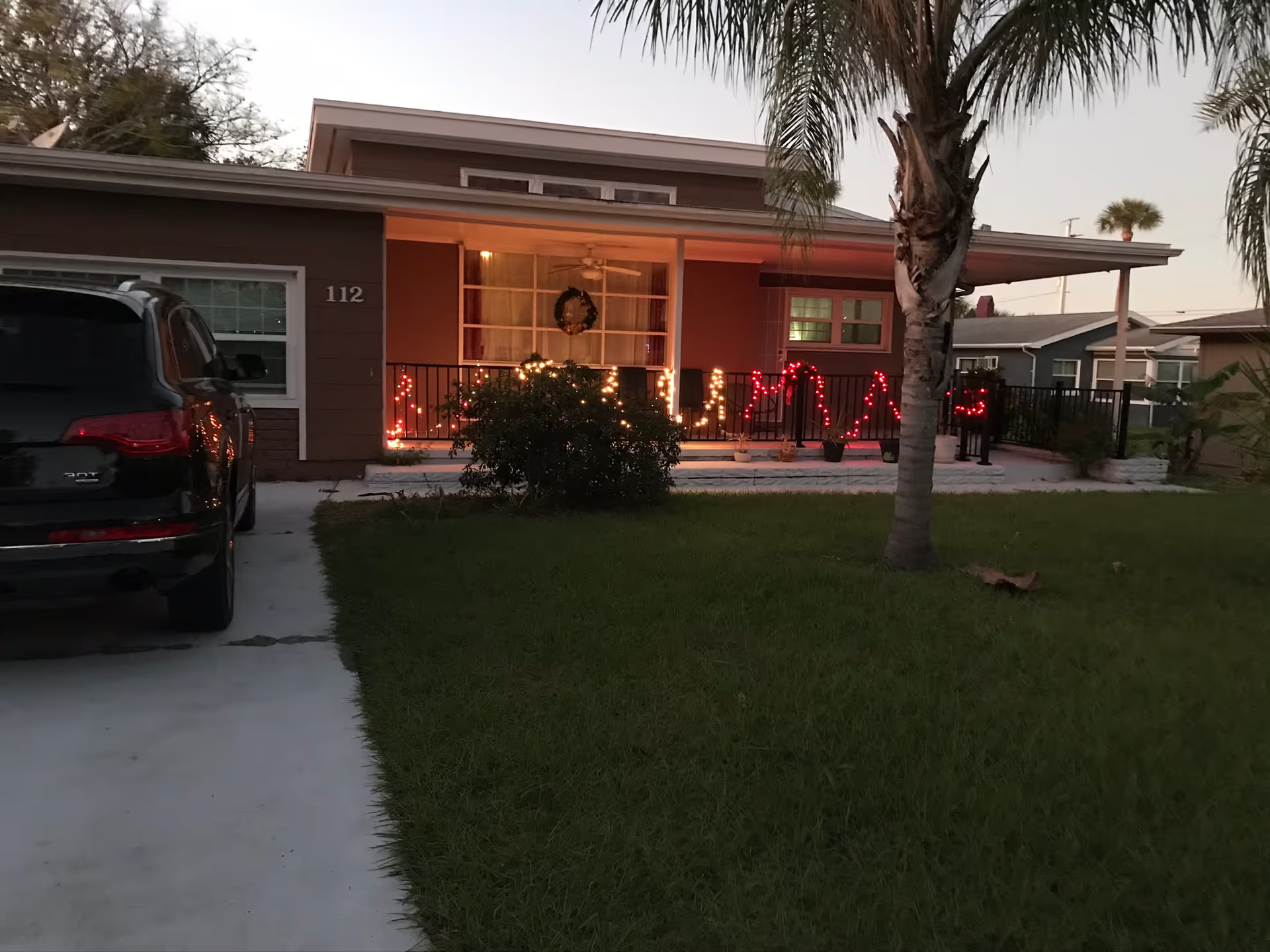
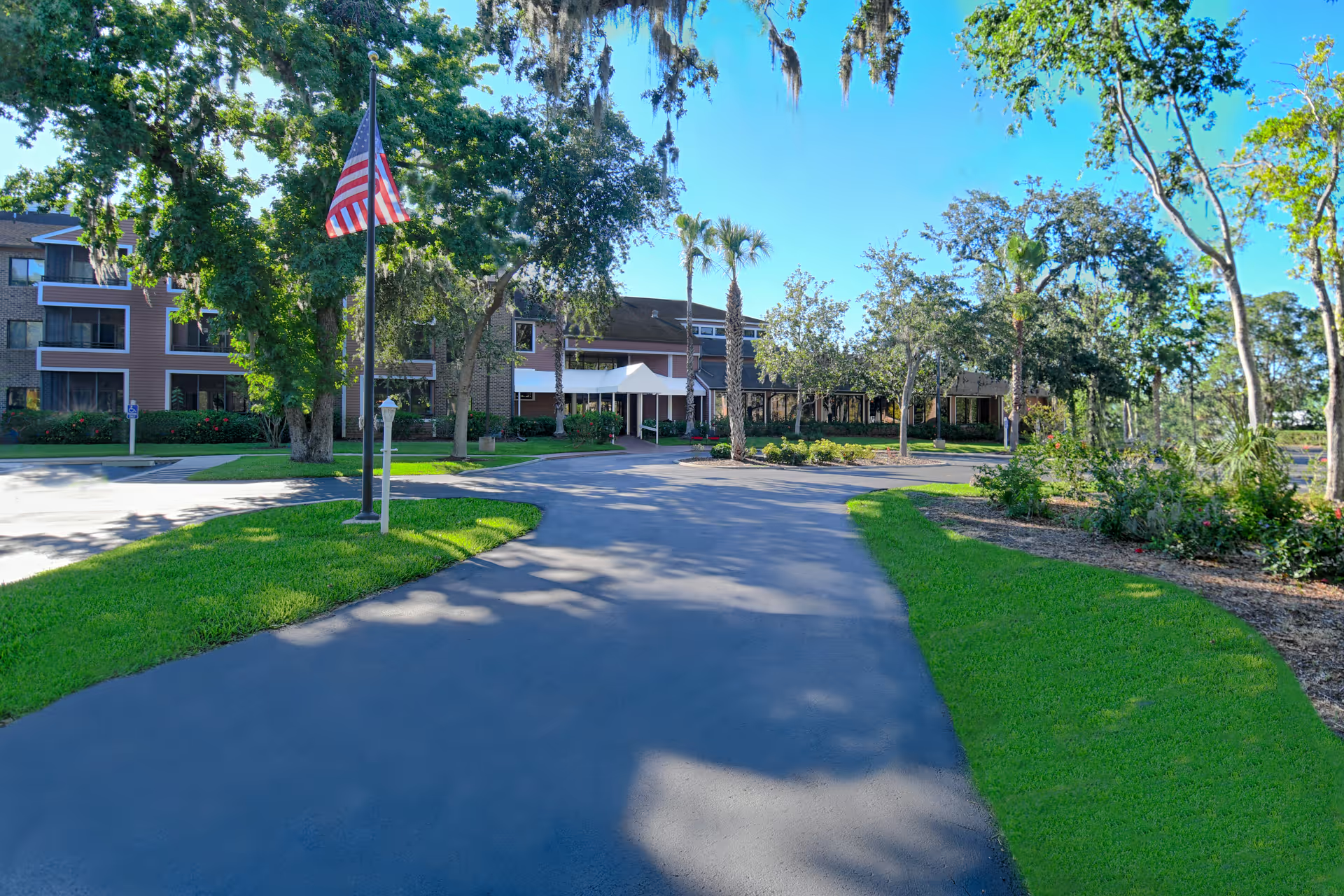
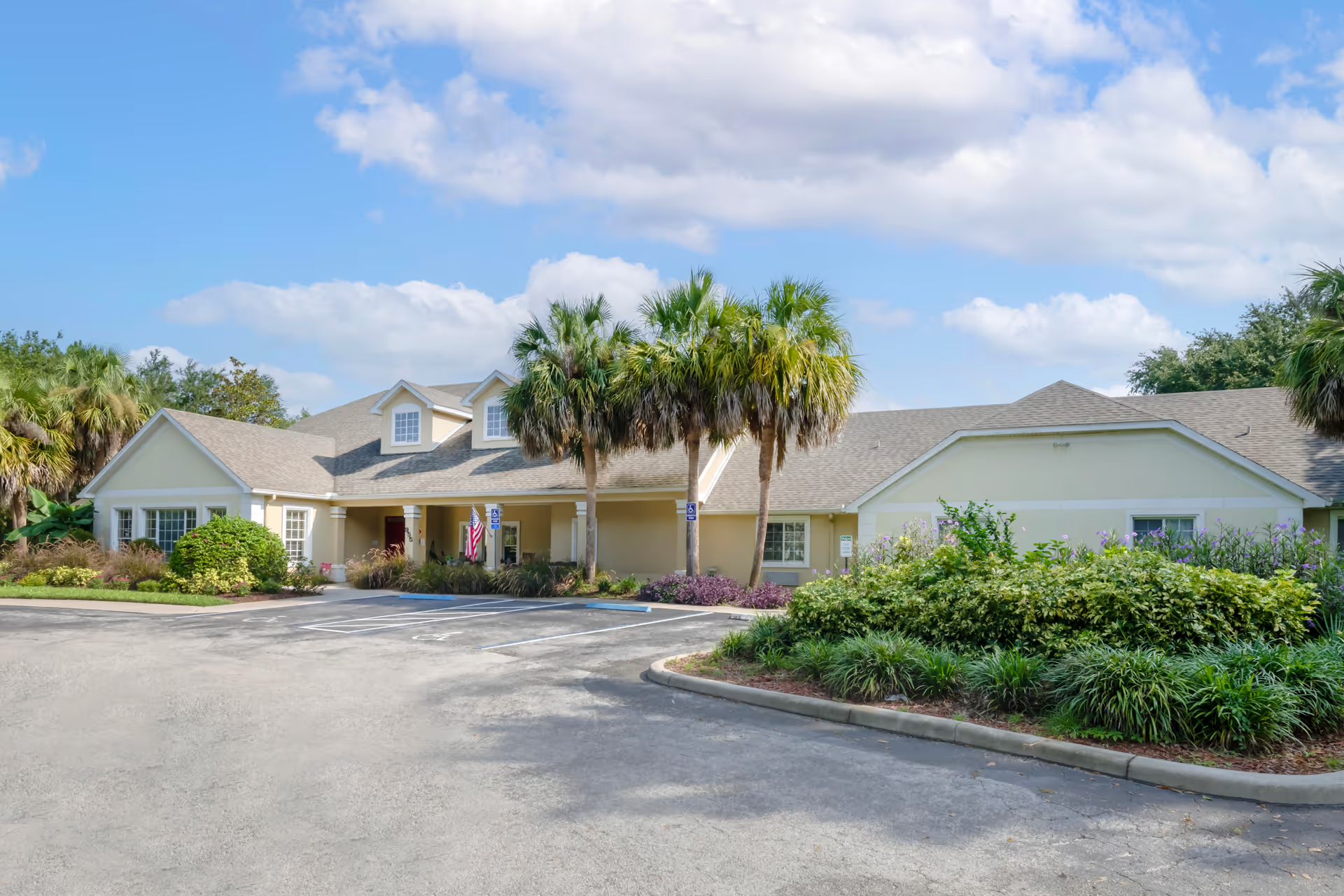
Facility maintenance and environmental safety are another area of divergence. Many reviewers report a clean, bright facility and attractive outdoor areas, whereas others cite maintenance problems — broken A/C, plumbing and sewage incidents, supply shortages, and doors/security concerns — that affected comfort and safety. Sanitation and incontinence-care practices were specifically identified as inconsistent across units and shifts, creating periodic hygiene and odor concerns.
Management and administrative responsiveness are also mixed. Some visitors noted effective, communicative leadership and improvements under new management, but other families described dismissive responses to complaints, difficulties obtaining timely information, unresolved billing or personal-belonging issues, and, in a few accounts, allegations that have prompted families to seek legal remedies. While many frontline staff are praised for dedication and kindness, reviewers repeatedly describe them as overworked and constrained by staffing shortages.
Notable patterns: outstanding rehabilitation/therapy services; reliable, compassionate staff members in many roles; recurring operational gaps around staffing consistency, medication/treatment timeliness, wound and incontinence care, sanitation in certain areas, and family communication. For prospective residents and families: a focused tour with questions about current staffing ratios, weekend coverage, medication administration protocols, wound-care procedures, infection-control records, recent maintenance incidents, and how complaints are documented and resolved may clarify fit. Families who choose the facility should plan to monitor care closely and maintain active communication with nursing and management teams.