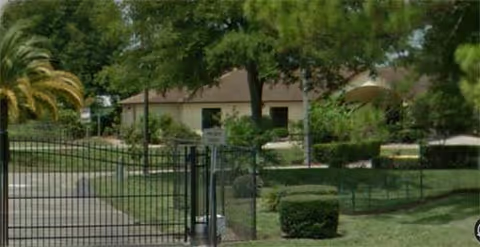
Indigo Manor Nursing and Rehabilitation presents a mixed profile: its rehabilitation and therapy services receive consistent praise, with multiple families noting motivating therapists, effective daily therapy schedules, and successful short-term discharges. Many reviews describe CNAs and therapy staff as compassionate and skilled, and administrative entry points (admissions, front desk) are often courteous and helpful. The facility offers a range of conveniences such as salon/barber services, community rooms, ample parking, and some renovated, bright common areas that residents and visitors find appealing.
At the same time, a recurrent pattern of operational concerns appears across reviews. Clinical coordination and interdisciplinary teamwork are described as inconsistent, with gaps in nursing oversight, social work follow-up, and physician availability. Staffing instability — driven by turnover and pay-related challenges — is linked to slow response times, missed calls, and variable levels of direct care. Several families reported problems with discharge planning, insurance/Medicare transitions, and delays in obtaining durable medical equipment, which suggest weaknesses in care-continuity processes.
Dining and nutrition receive divergent feedback: while some reviewers praise fresh, customizable meals and a strong dietary team, others describe repetitive menus, cold meals, and limited choices. Communication failures are prominent in family accounts: difficulty reaching nurses or social workers, delayed callbacks, and poor notification around transfers or hospital readmissions were frequently cited. Security and personal-belongings control gaps, including allegations of missing cash or items and unclear investigation outcomes, raise additional concerns about property-management practices.
Facility condition and infection-control topics are also mixed. Portions of the building have undergone renovation and are described as clean and bright, yet other areas show aging furniture, worn carpeting, drafty windows, and sanitation or odor concerns that require attention. Several accounts referenced pest-control concerns and inconsistent cleaning in specific rooms or wings. Maintenance issues such as broken fixtures, inadequate phone access in rooms after moves, and general upkeep variability were noted.
Management and culture appear uneven. Positive comments highlight dedicated staff who go above and beyond, strong rehab leadership, and successful individualized care. Conversely, reviewers describe leadership turnover, inconsistent enforcement of policies, and problematic interactions with specific administrative staff. There are also serious, individual-level claims — including concerns about medication management, alleged financial misconduct, and troubling outcomes following a resident's hospitalization or death — that families should treat as red flags warranting further inquiry and verification with facility leadership and regulators.
For prospective residents and families: the facility offers noteworthy strengths in therapy and several caring staff members, but the variability in clinical coordination, staffing reliability, cleanliness in some areas, communication, and financial transparency suggests the need for careful due diligence. Recommended steps before placement include an on-site tour of the specific unit, direct questions about current staffing ratios and turnover, review of medication- and discharge-planning procedures, confirmation of pest-control and sanitation protocols, clarification of billing practices and protections for personal belongings, and obtaining written commitments on family communication expectations. Contacting recent family references and monitoring regulatory inspection histories will help assess whether the facility’s positive clinical strengths are consistently matched by reliable operational practices.