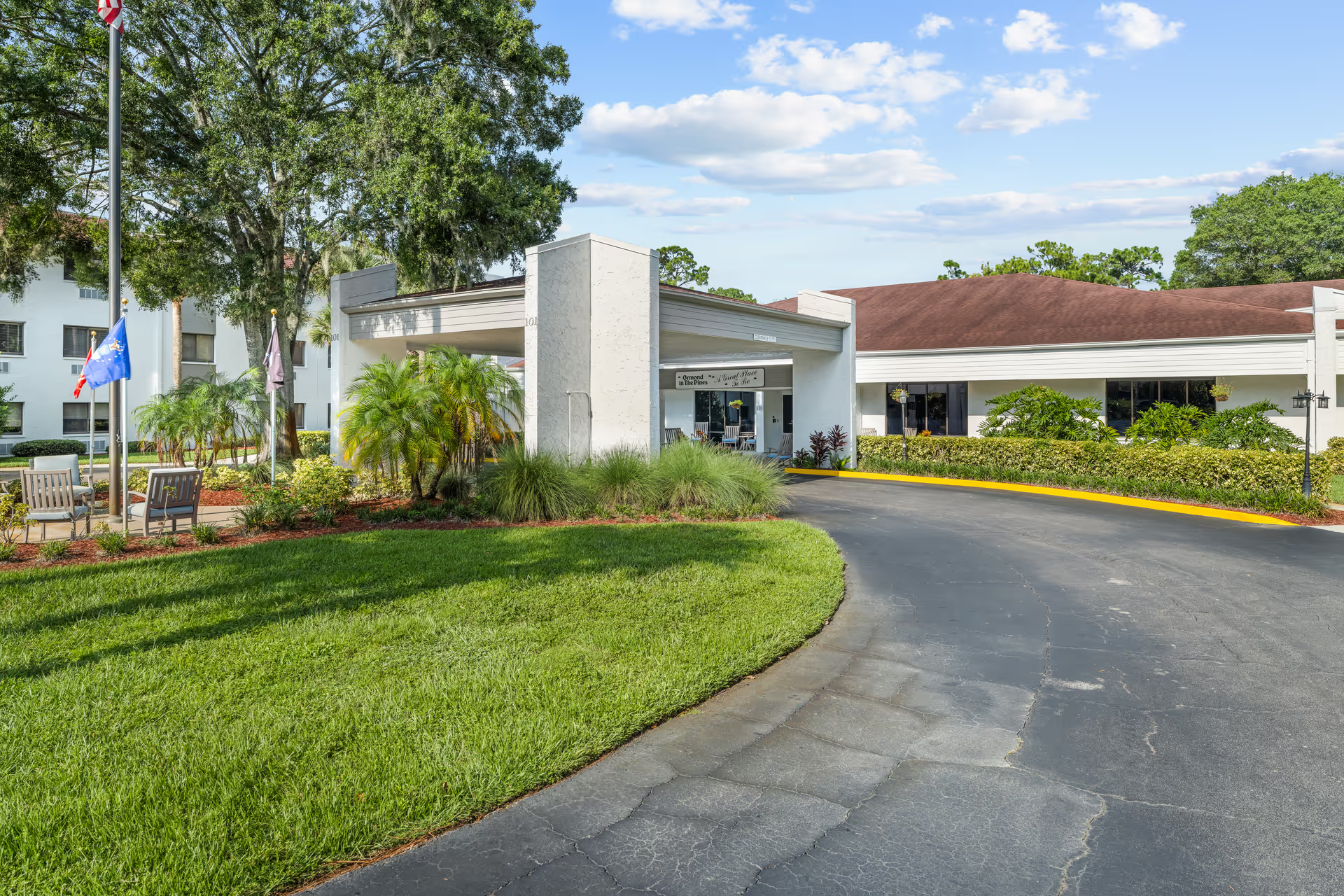
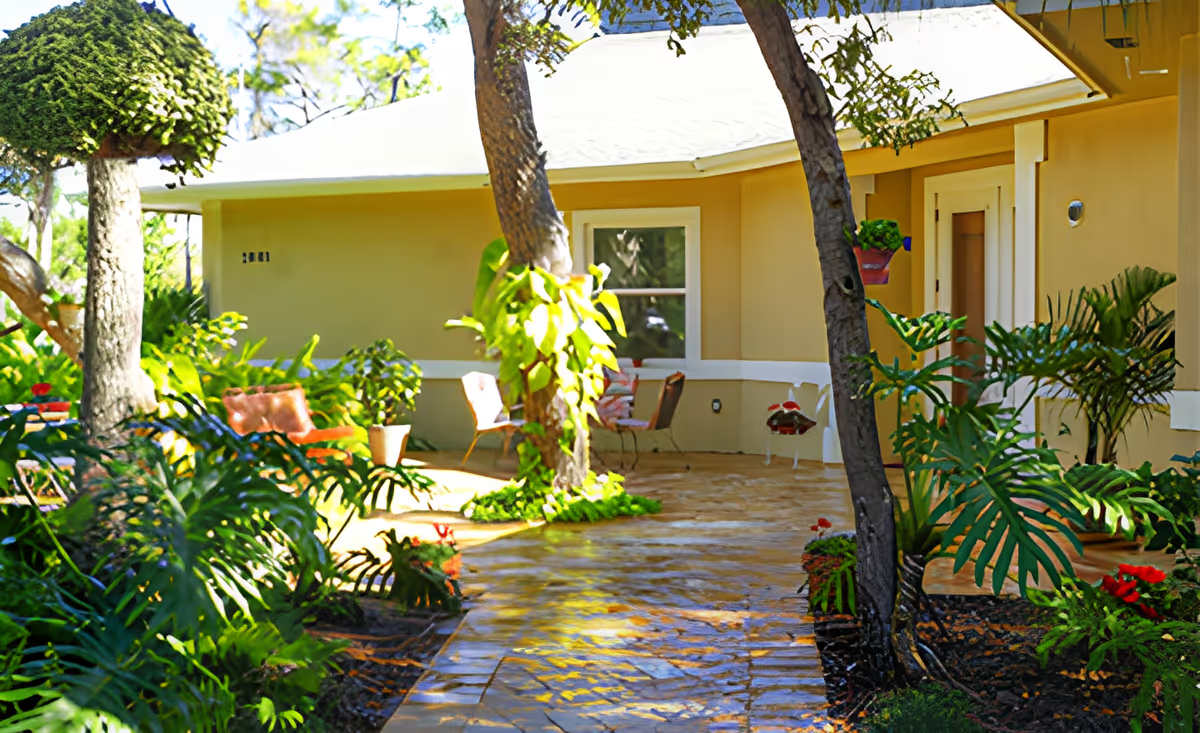
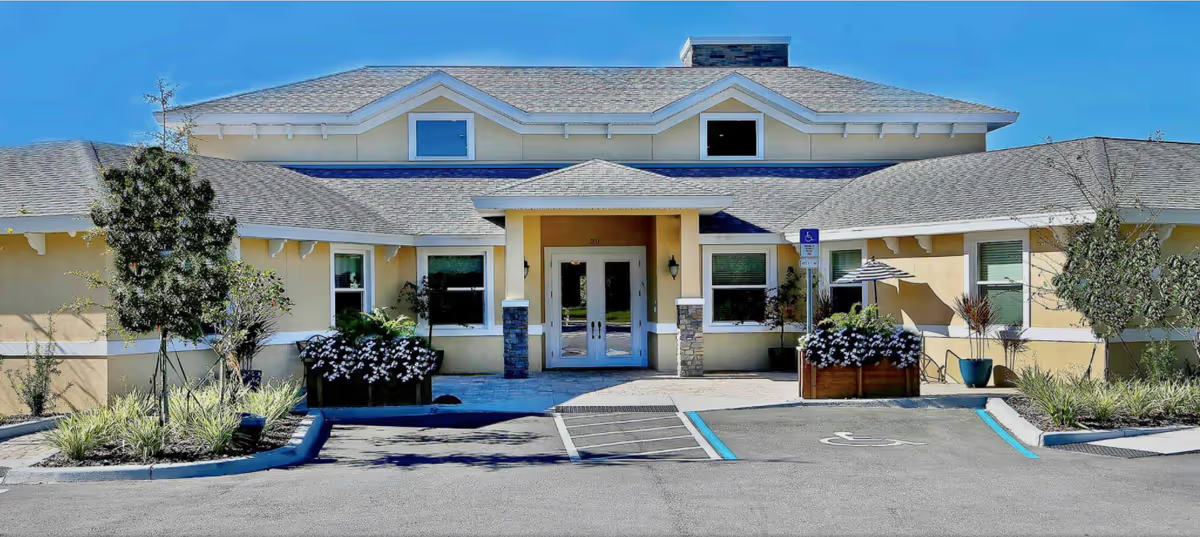
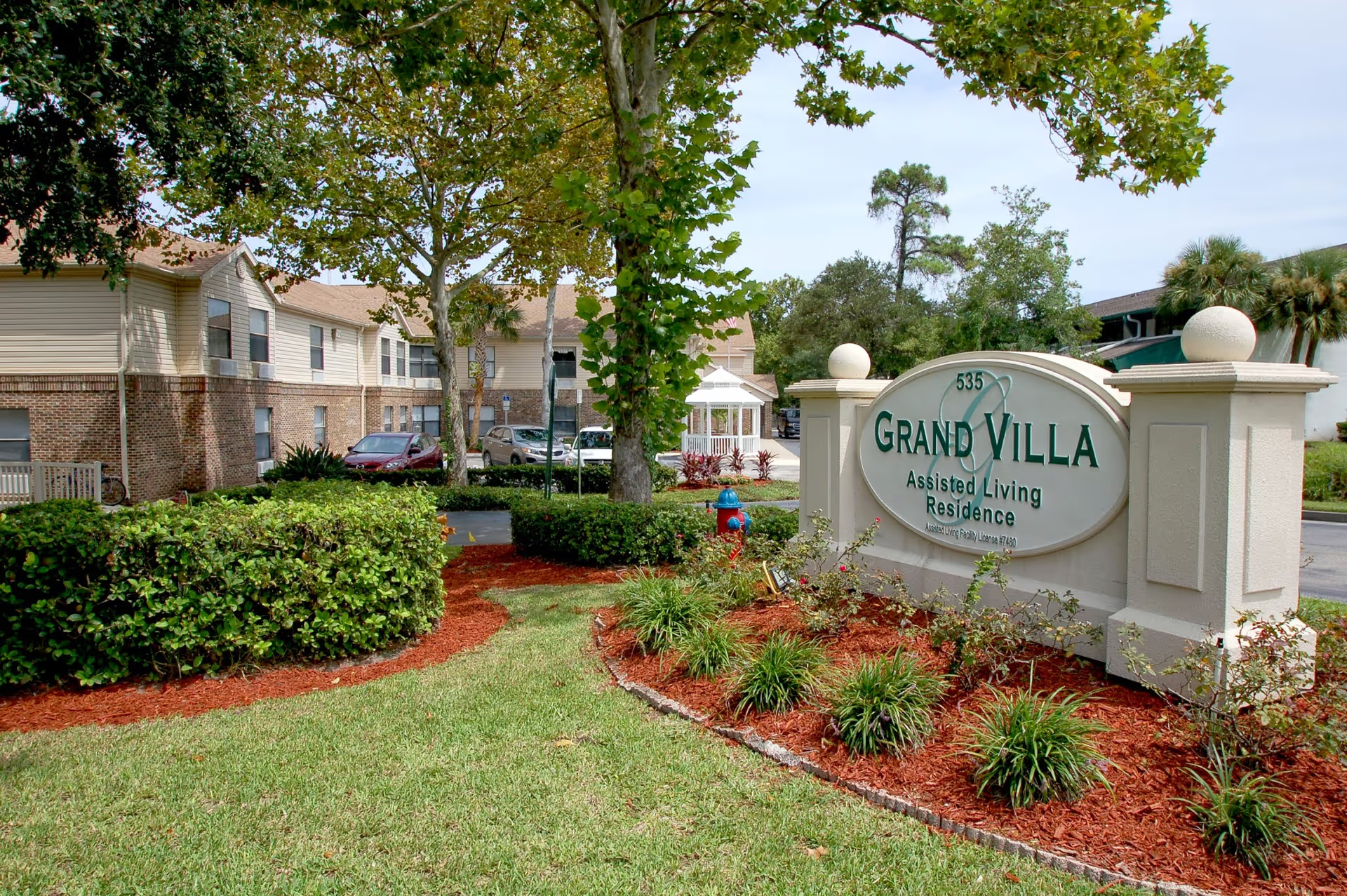
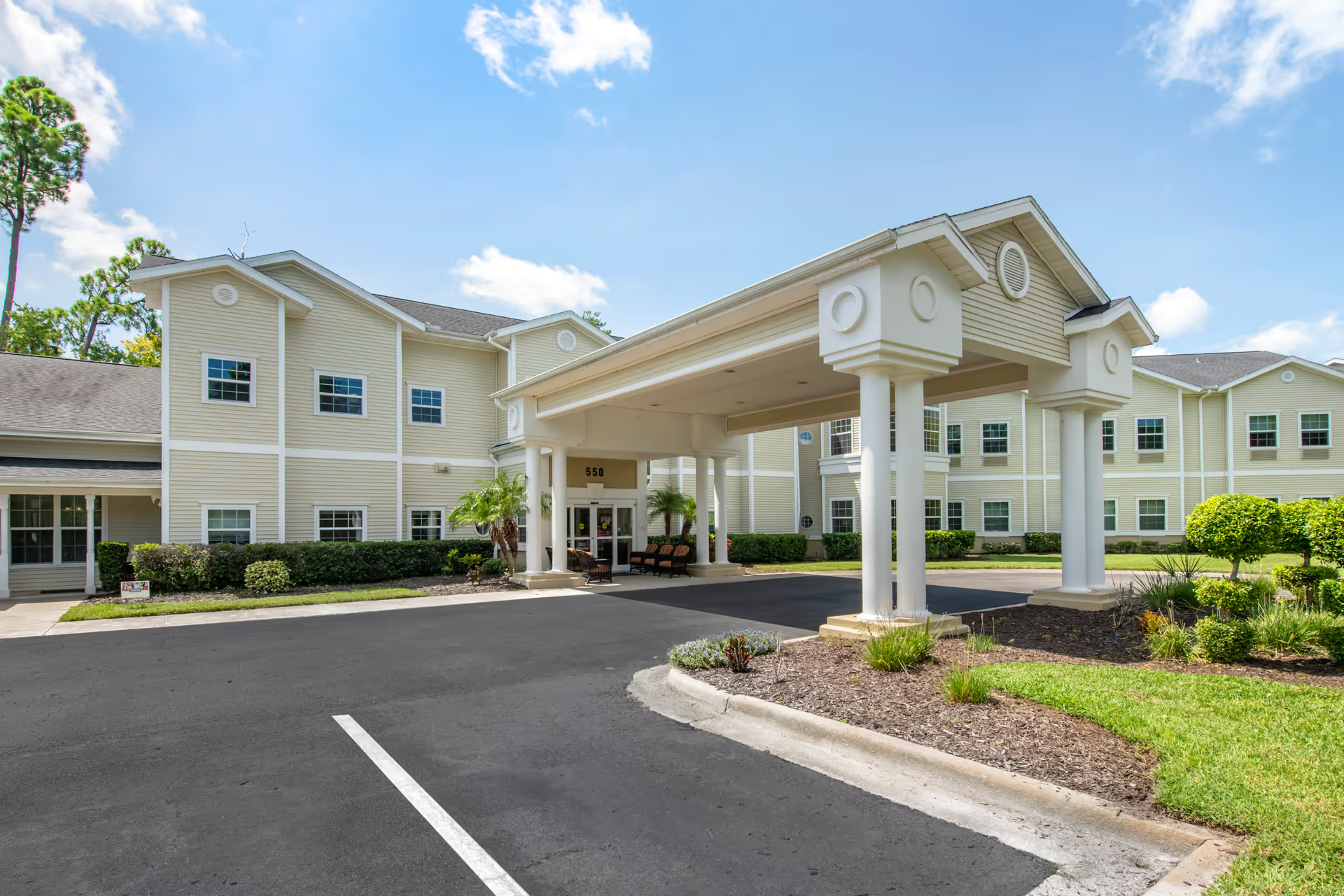
Brookdale Ormond Beach West presents as a well-appointed memory-care community with many strengths in environment, programming, and clinical presence. The campus is regularly described as attractive and well maintained, with a landscaped courtyard/atrium, bright airy common spaces, and apartment-style units that include kitchenettes and private bathrooms. Housekeeping and maintenance are frequently praised, and the community projects a homelike, non-institutional atmosphere that many families find reassuring.
Care and staffing are described in largely positive terms: reviewers highlight a long-tenured, compassionate caregiving team, on-site 24-hour nursing, and staff with dementia/Alzheimer’s expertise. Several accounts commend the leadership and clinical managers for supportive oversight and thorough intake procedures, and hospice and end-of-life services are noted as a capability. At the same time, there are consistent operational concerns that prospective families should consider. These center on inconsistent medication-administration practices, variable front-line responsiveness (notably during evenings and weekends), and periodic understaffing that can reduce hands-on assistance and resident interaction.
Dining and activities are prominent positives for this community. The facility offers restaurant-style meals prepared by an on-site chef, private dining options, and the ability to tailor meals to resident preferences. However, food quality is described as variable across reviews; some families praise the cuisine while others experienced lapses in meal presentation or service continuity. Programming is robust: a dedicated activities director leads a diverse schedule including music, arts and crafts, fitness classes, field trips, and pet visits, and many reviewers emphasized meaningful engagement opportunities appropriate for residents with mild to moderate cognitive impairment.
Facility-level issues raised across reviews include intermittent cleanliness and odor concerns in certain areas and occasional service gaps during higher-acuity or off-hour periods. Family communication is generally rated well in many cases, but there are also instances indicating gaps in communication following critical events and end-of-life situations; prospective families may want to clarify escalation and notification protocols during tours. Cost is another recurring theme—services and apartment layouts are often described as higher-priced, so cost-to-value comparisons with alternatives are advisable.
In summary, Brookdale Ormond Beach West offers strong memory-care programming, an engaged activities program, attractive grounds, and several clinical and leadership strengths that many families find reassuring. Balanced against those strengths are operational patterns—medication-administration reliability, staffing consistency during off hours, variable dining quality, and occasional cleanliness or communication gaps—that prospective residents and families should probe during a visit. Asking specific, scenario-based questions about medication checks, staffing ratios by shift, off-hour call response times, dining service procedures, and notification processes for clinical incidents will help determine whether this community’s operational practices align with a family’s expectations and care needs.