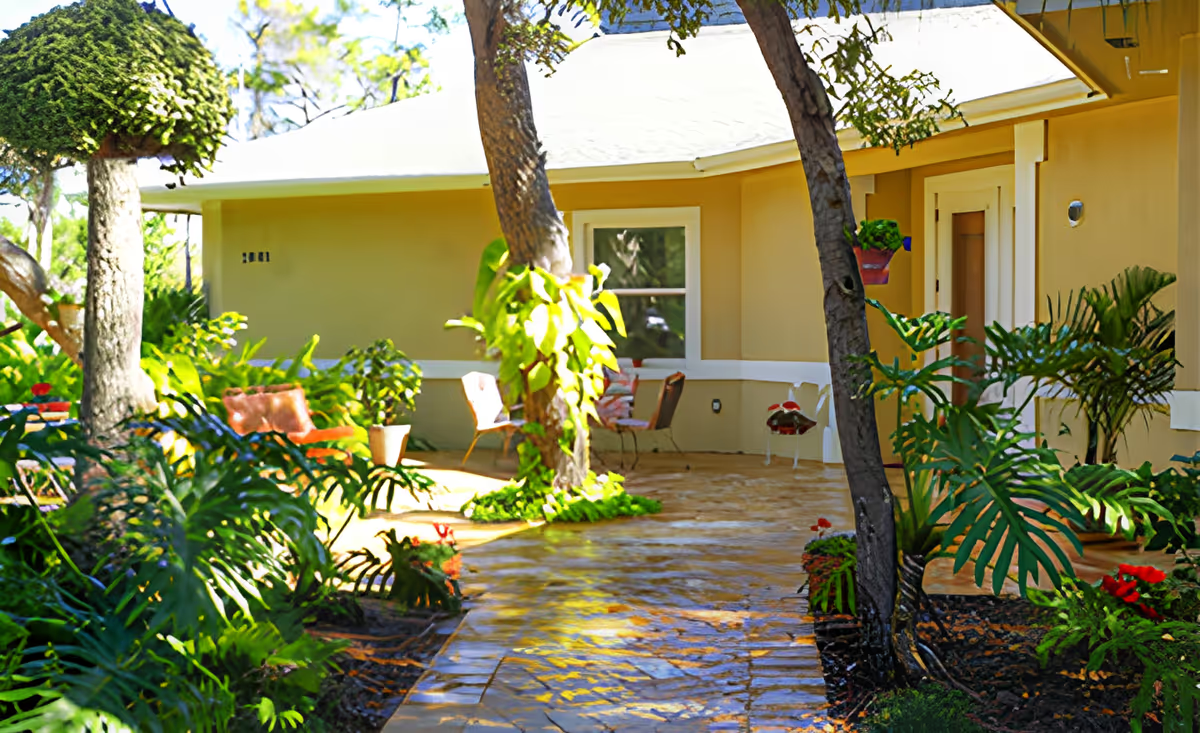
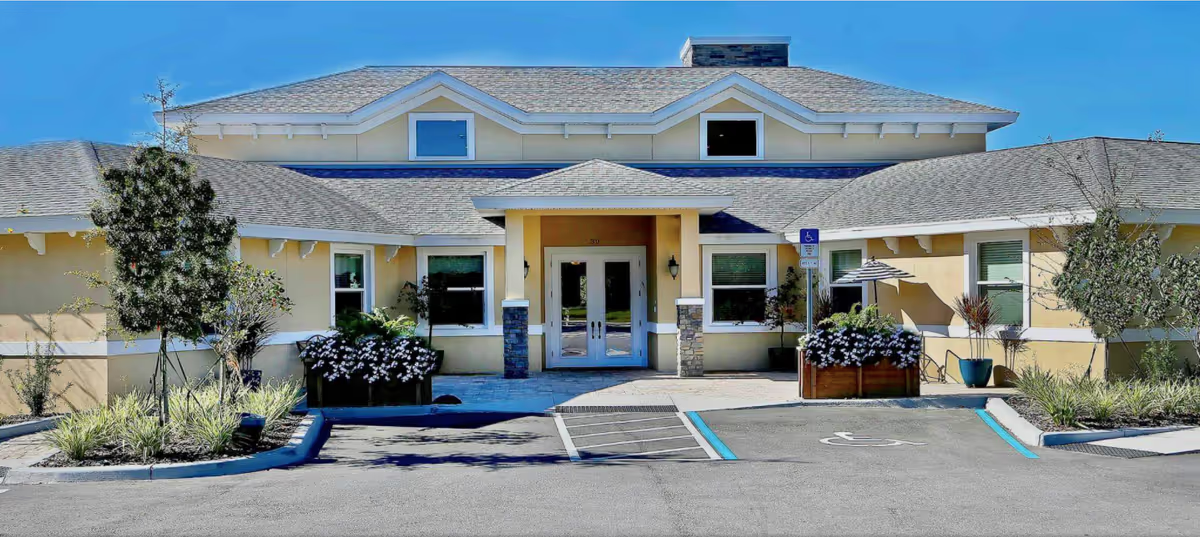
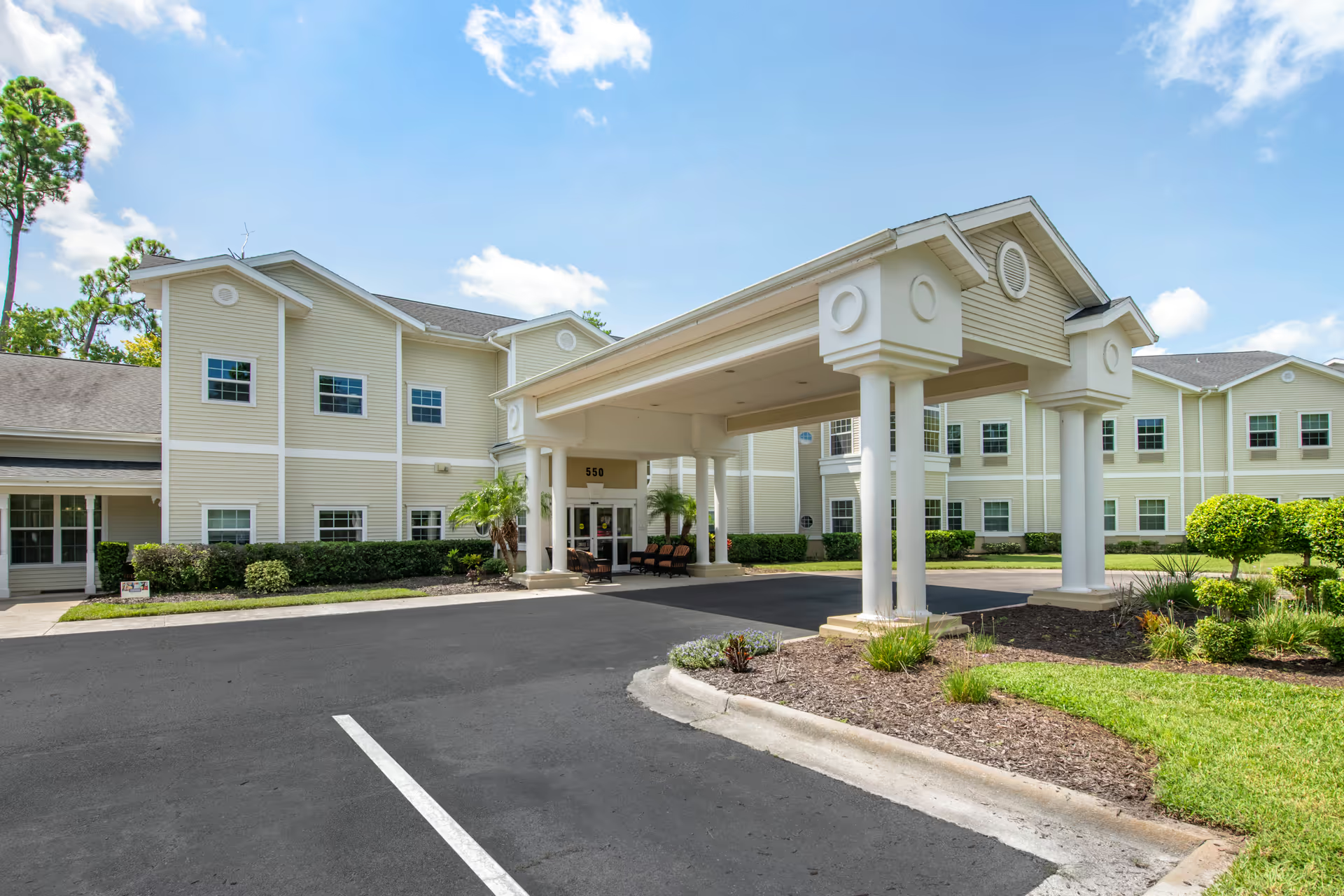
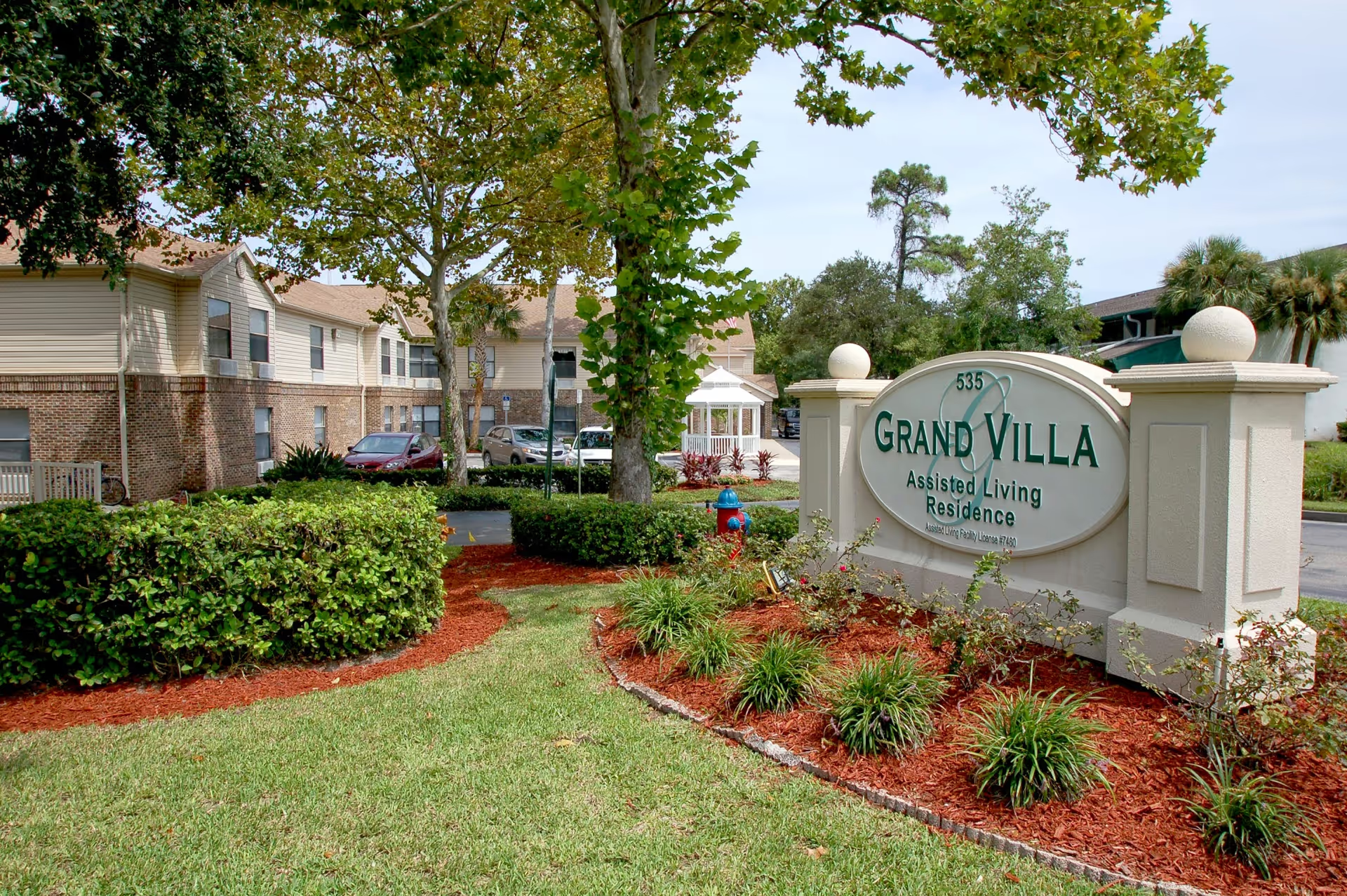
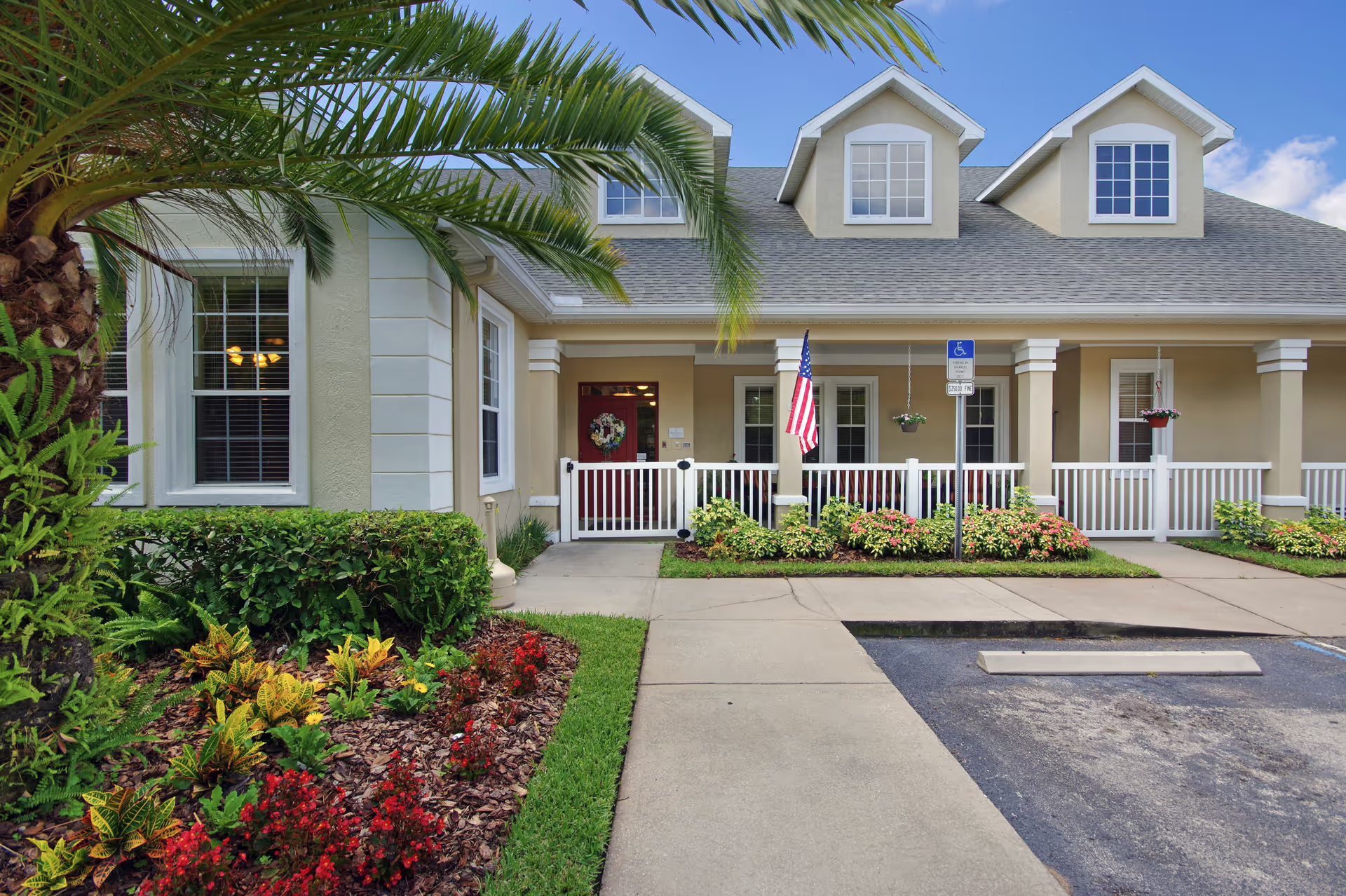
Ormond in the Pines presents as a large, activity-focused senior living community with a generally warm, family-like culture. The facility is repeatedly praised for compassionate, attentive caregivers and front-line staff who often know residents by name. Reviewers highlight a broad calendar of activities, regular outings, social events, and special celebrations that contribute to an engaged community life. On-site amenities commonly cited as strengths include a heated pool, salon/beauty shop, library, exercise offerings, and accessible outdoor spaces; many apartments are noted for their size and kitchenettes, and the community provides weekly housekeeping, laundry services, transportation shuttles, and on-site therapy services that support independent and assisted living needs.
Dining is frequently described as a focal point of community life. Many reviewers compliment menu variety, homemade items (fresh rolls, desserts), and restaurant-style service during lunch. At the same time, there are recurring comments about inconsistent meal quality, occasional service logistics (cold food, limited condiments/serving presentation), and variability between dining experiences. Prospective residents should observe mealtime service for consistency and ask about recent kitchen or staffing changes when evaluating the dining program.
Operationally, reviewers identify several facility-level weaknesses. The physical plant shows signs of age in parts of the campus: dim hallways, worn carpets, and areas needing refurbishment are commonly mentioned, along with isolated HVAC, leak, and odor issues. Cleaning and sanitation standards appear inconsistent; families describe variability in housekeeping execution and some pest-control concerns. Staffing continuity and responsiveness are uneven in places—reports include delayed responses to call buttons and front-desk coverage gaps—while some families also raised concerns about supervision and protocols in memory-care/assisted living settings. These operational gaps are often tied to perceptions of value, especially when combined with notices of rate increases or management transitions.
Management and administrative matters generate mixed feedback. Many reviewers praise local administrators and activity directors for communication and resident support; others point to corporate-level communication delays, unclear contract terms or move-in billing, and occasional refund or customer-service lapses. There are also accounts of significant individual allegations (such as missing belongings and pest-control incidents) that warrant direct inquiry during tours and reference checks. Renovation plans and capital investments have been discussed publicly, and some reviewers note recent or planned upgrades; prospective residents should verify the timeline and scope of any promised improvements.
Overall, Ormond in the Pines offers many strengths that appeal to families seeking an active, social community with on-site services and a caring staff. At the same time, recurring complaints around cleanliness consistency, aging infrastructure, meal-service variability, staffing continuity, and management transparency represent areas for careful vetting. Recommended steps for prospective residents: schedule multiple visits (including mealtimes and activity periods), review contract terms and recent rate-change history, ask about staffing levels and memory-care protocols, inspect specific apartment units and common-area cleanliness, and request documentation of pest-control and recent capital upgrades.