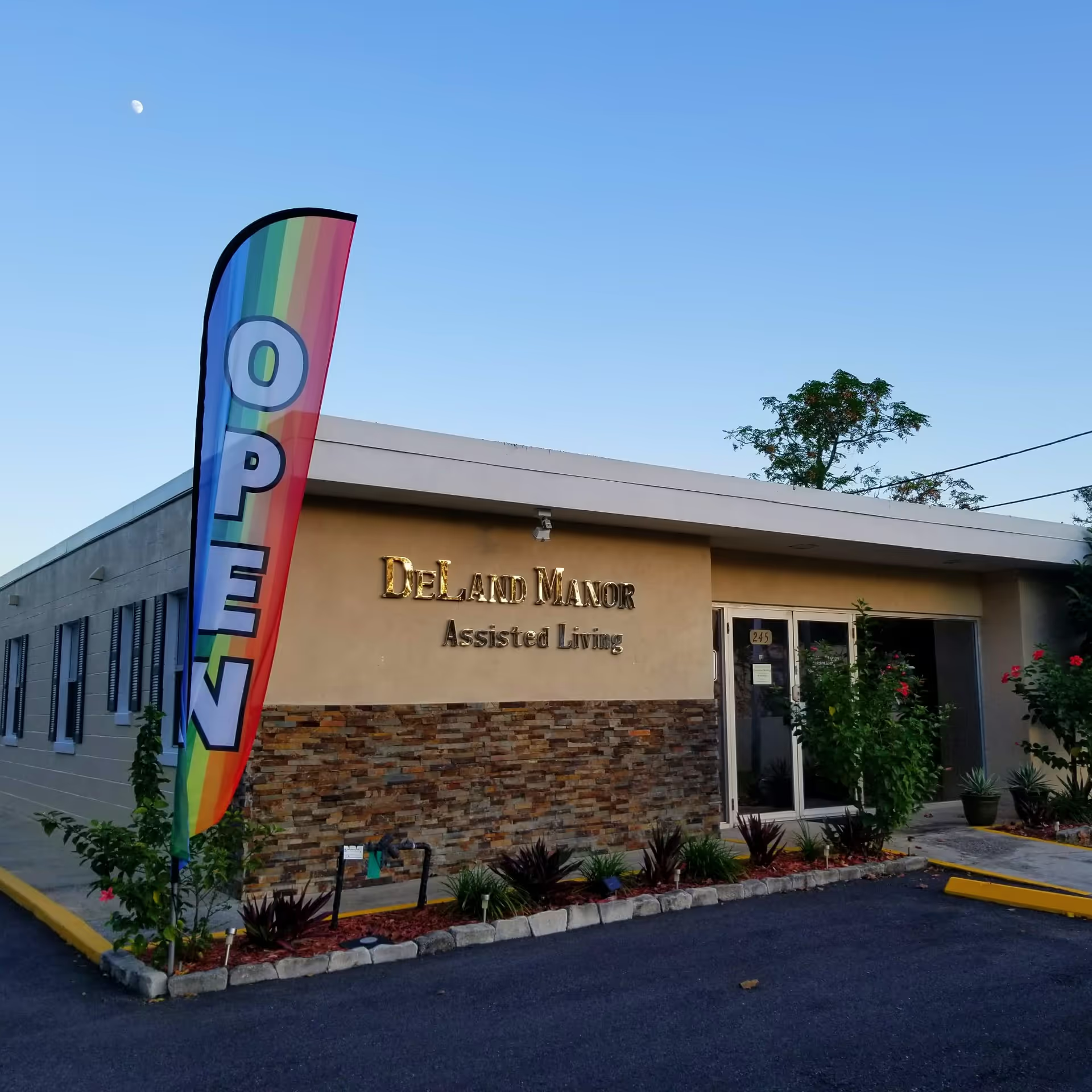
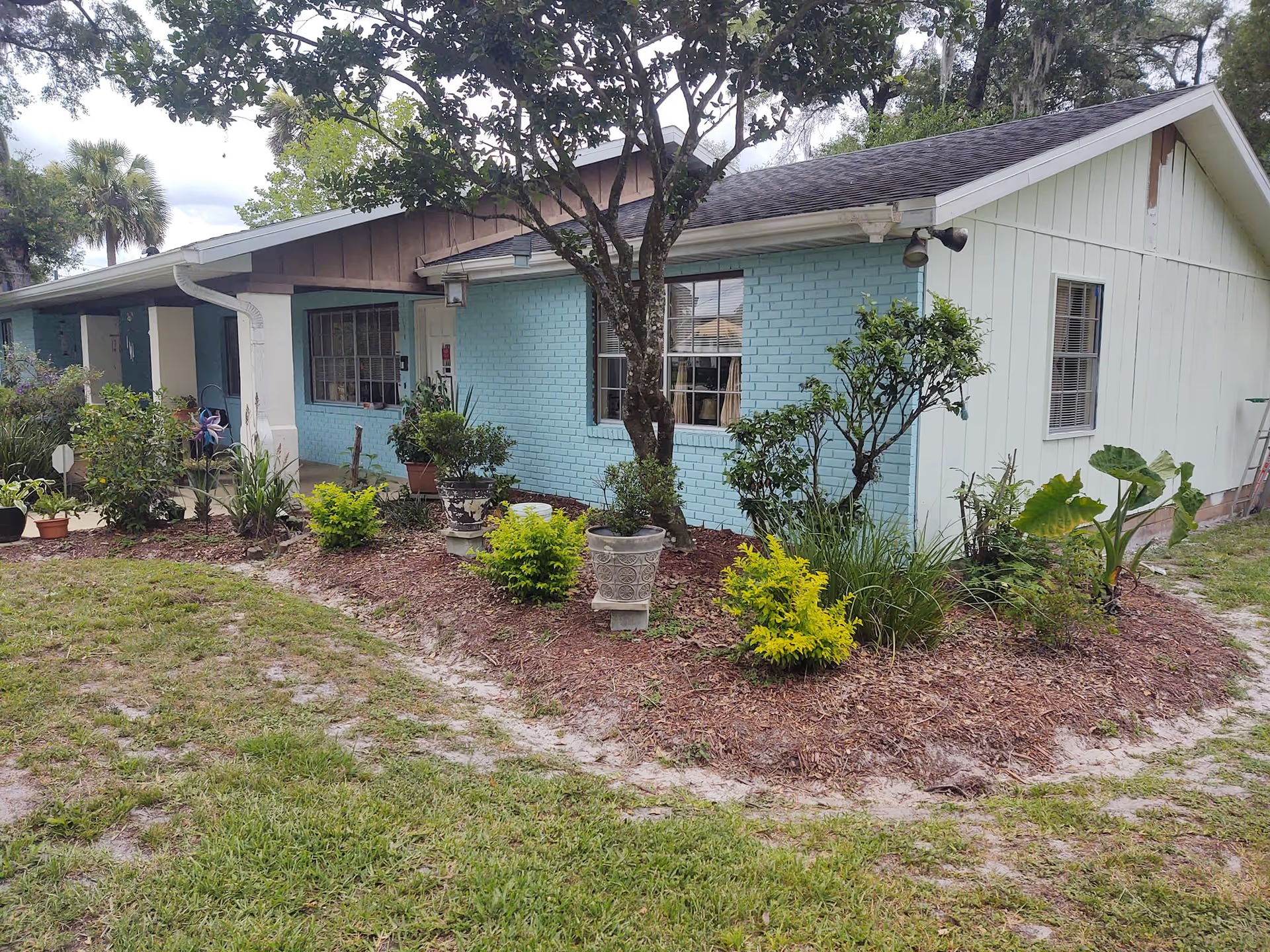
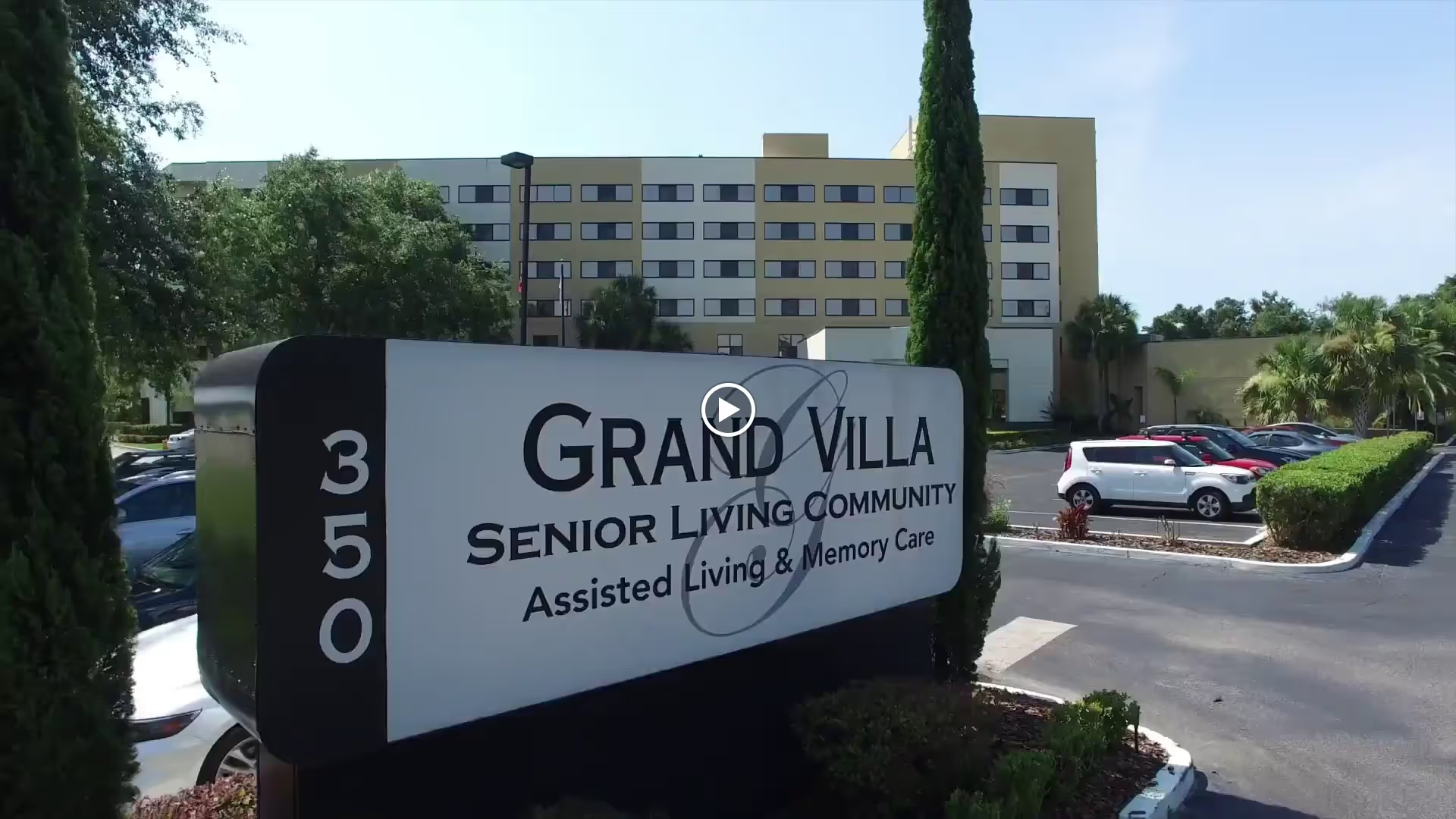
The reviews present a polarized picture of Athens Post Acute, with clear strengths alongside recurring operational concerns. The facility's physical plant and common areas are frequently described as recently renovated, attractively decorated, and well maintained; many families highlighted cleanliness, comfortable rooms, and a welcoming atmosphere. Several reviews praised grooming and personal-care services, on-site activities (including live music and special-event meals), and a visible effort to create a home-like environment.
Staffing and care quality produce mixed impressions. Numerous comments commend individual caregivers and administrators for being kind, attentive, proactive, and communicative; specific clinical leaders and staff members were named for strong follow-up and responsive communication. At the same time, there are consistent operational concerns about staffing patterns: reliance on agency or temporary staff, turnover, and uneven coverage—particularly overnight—were cited as contributors to delayed responses to call buttons and missed routine care tasks. Relatedly, some families raised issues with medication administration timing and nursing follow-up.
Dining and rehabilitation services are also areas of divergence. Several reviewers describe high-quality meals prepared by a skilled kitchen team and positive dining events, while other accounts describe markedly poor or inconsistent meal quality. Rehabilitation services receive praise when therapy is personalized and actively managed, but gaps in rehab staffing continuity and resource allocation were noted in other accounts, sometimes affecting the pace or intensity of recovery stays.
Facility-level concerns focus on operational reliability and resident comfort. Multiple reviews pointed to incontinence-care delays and broader sanitation-care concerns, inconsistent availability of private rooms with accessible bathrooms, and shortages or inconsistencies in linens and basic supplies. Some reviewers also raised perceptions of safety related to the neighborhood and noted extensive use of surveillance cameras, which affected privacy perceptions for some families.
Management and direction appear to be in transition. Several comments attribute recent improvements to new management and highlight more responsive administration and enhanced communication with families. Conversely, legacy issues—staffing consistency, night-shift responsiveness, and supply management—continue to be mentioned, suggesting improvements may be uneven across units or shifts.
Overall, Athens Post Acute shows strengths in environment, select caregiving teams, therapy personalization, and activities programming, but prospective residents and families should probe operational reliability during tours. Recommended inquiries include current staffing ratios and use of agency staff, night-shift response protocols, rehabilitation staffing plans and schedules, incontinence and sanitation procedures, availability of private accessible rooms, and recent management changes and measurable quality improvements.