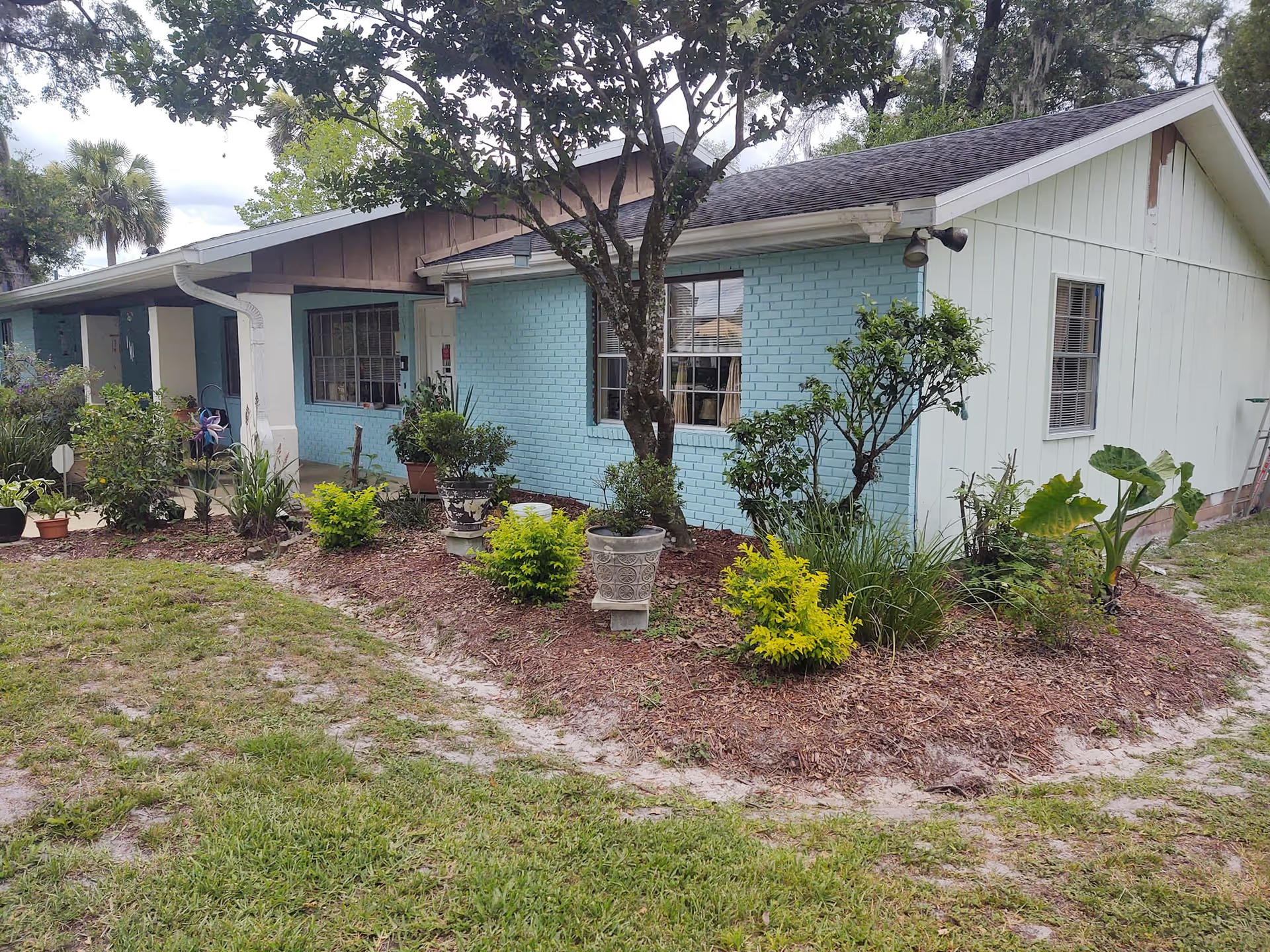
Overall impression Reviewers portray LindenLea as a small, homelike assisted living with a strong emphasis on warm, personalized caregiving, attractive grounds, and good food. Many comments highlight compassionate direct-care staff, a family-style atmosphere, and positive therapy interactions. The facility’s physical environment—well-kept interiors, gardens, a screened lanai and wooded setting—repeatedly receives favorable mention and contributes to a calm, residential feel.
Care quality and staff Families generally describe caring and attentive staff who help residents relax and participate in activities. The presence of on-site licensed nursing oversight is noted as a strength, and reviewers appreciated visible engagement by caregivers and therapists. At the same time, several accounts raise operational concerns: specifically, inconsistent documentation around medications, uneven professionalism at the leadership/clinical level, and lapses in timely communication with families after clinical incidents. These patterns suggest the bedside care is often strong but that administrative and clinical-safety processes may not be consistently applied.
Dining and activities Dining is consistently described as a positive feature: homemade meals and pleasant food quality were emphasized. Activity programming and therapy visits are also presented positively, with reviewers reporting residents enjoying social and recreational offerings. These attributes support a homelike, restorative daily routine for many residents.
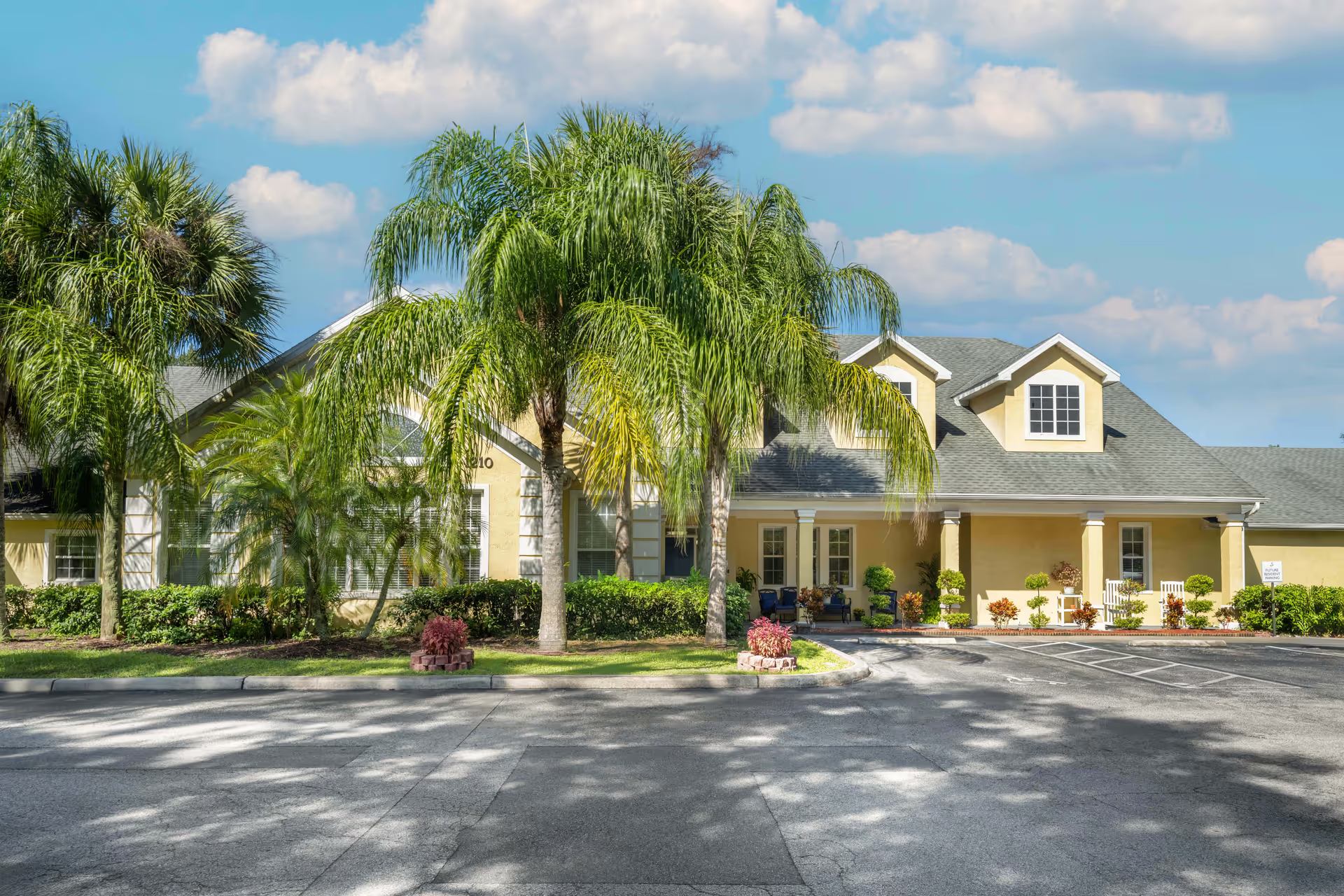
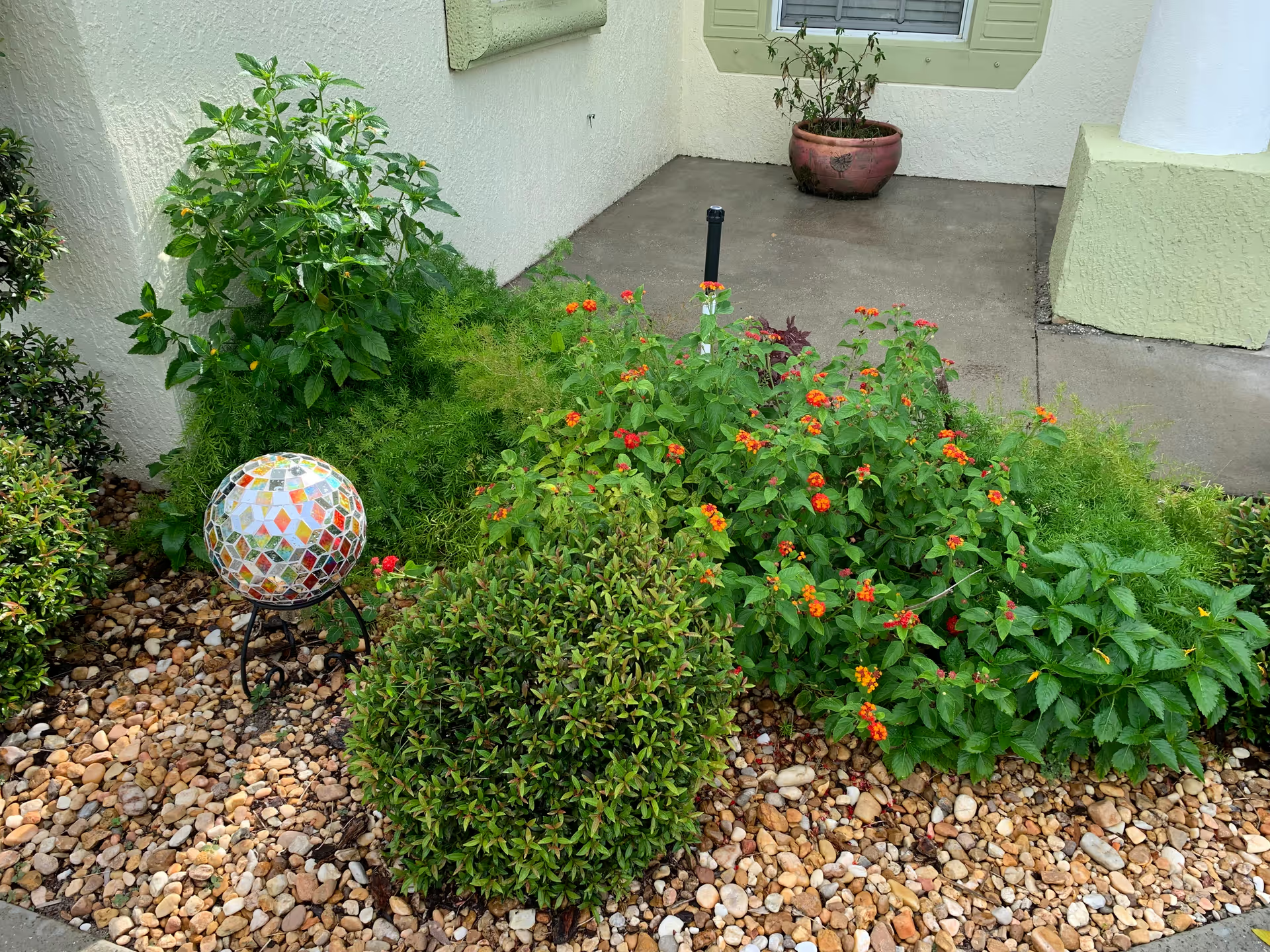
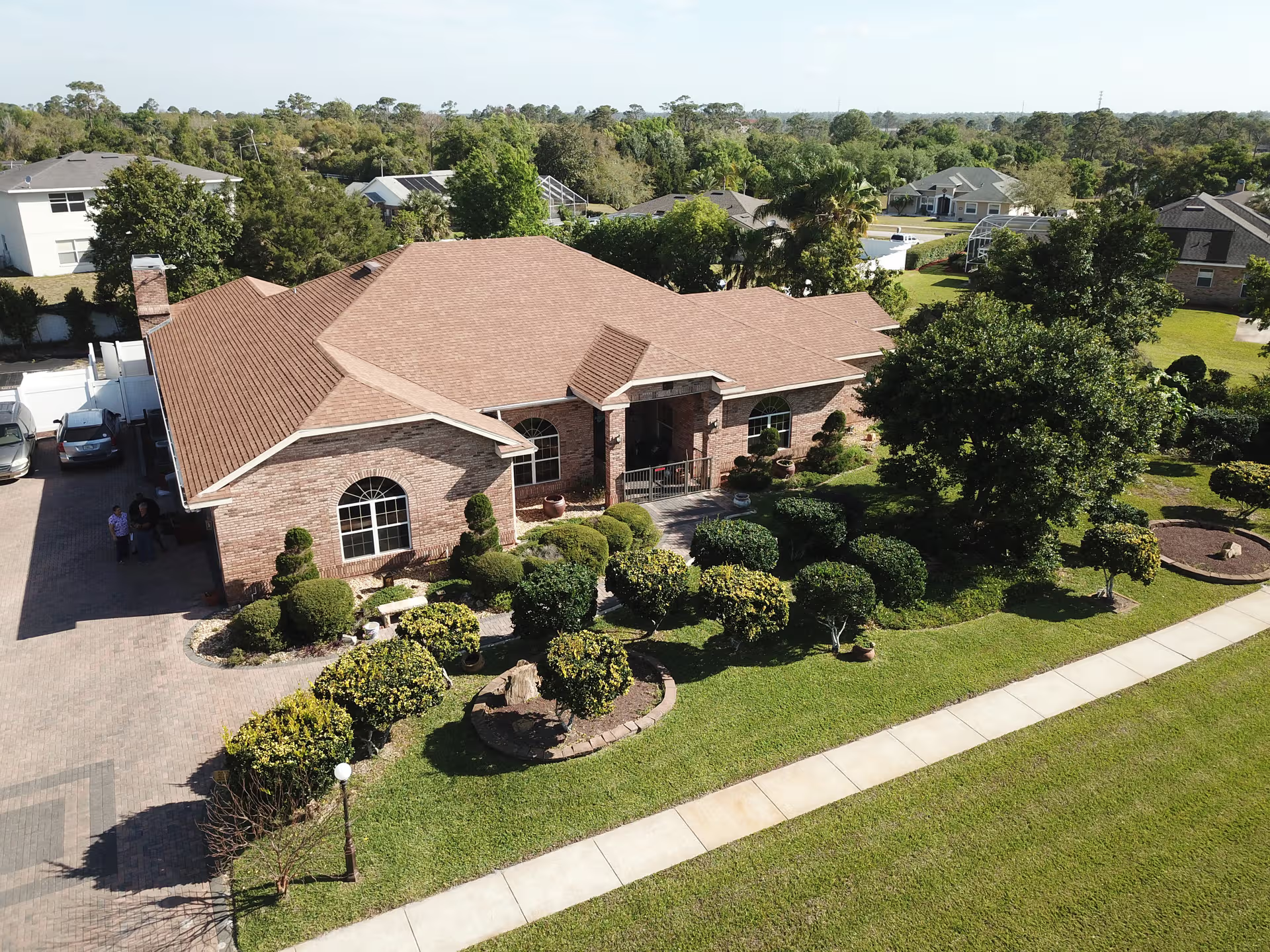
Facilities and setting The physical plant and grounds receive high marks for cleanliness and maintenance. Reviewers mention attractive gardens, a lanai/screened porch, and a peaceful wooded setting that contributes to a residential, non-institutional atmosphere. Easy access and a tidy interior environment are cited as reasons families felt comfortable placing loved ones there.
Management and notable patterns While the owner’s on-site nursing role is viewed positively by some families, others described instances of unprofessional conduct by leadership and resistance to outside care directives such as hospice coordination. That contrast creates a mixed impression of management: strong hands-on care in daily routines, but uneven adherence to broader clinical policies and external-care coordination. Prospective residents and family members should ask targeted questions before placement: how the facility documents and audits medication administration, the fall-prevention and post-fall notification procedures (both to family and external providers), formal policies for coordinating hospice or other outside services, and examples of staff training and supervision for clinical leadership. Verifying these operational practices can help determine whether the facility’s positive day-to-day environment is supported by consistent clinical and communication processes.