Reviewers present a mixed picture of Parkside Health and Rehabilitation. Many families and visitors praised empathetic caregiving from nurses, CNAs, and several standout aides, and several accounts highlight a strong therapy department and positive rehabilitation outcomes. Activity programming and community engagement (including outings and volunteer/faith-group visits) are frequently noted as meaningful for resident quality of life. Administrative touchpoints such as admissions, front-desk interactions, and some billing staff are also described as helpful and responsive.
At the same time, recurring operational concerns emerge. Care quality appears variable by shift and unit: reviewers describe inconsistencies in basic caregiving (including bathing, linen changes, and assistance with toileting), delays in responding to nurse calls, and instances where wound care or cast management were handled insufficiently. These patterns are often linked to staffing shortages or scheduling gaps; several accounts associate reduced staff availability with longer waits for assistance, abbreviated therapy sessions, and missed routine care tasks.
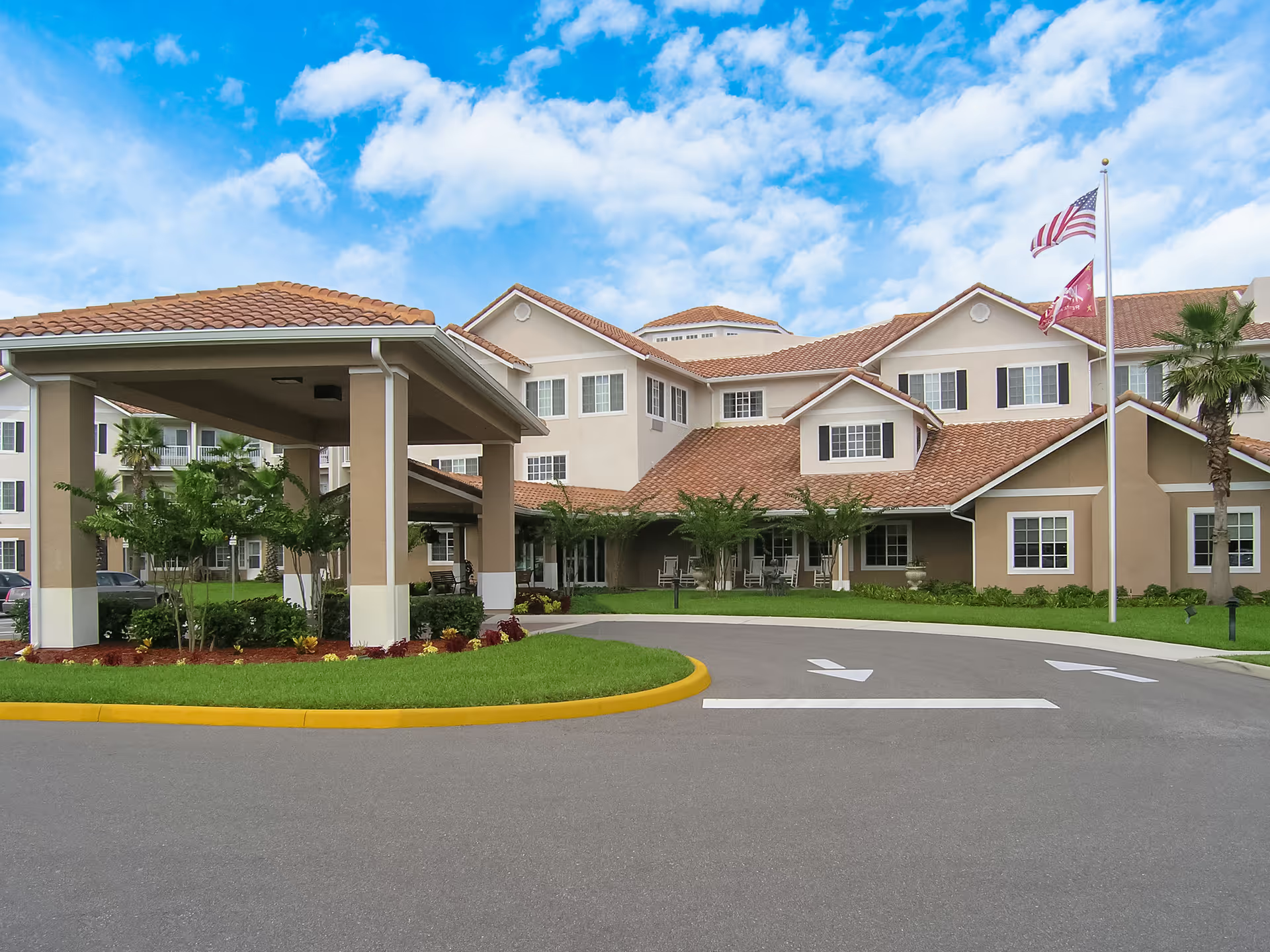
Facilities and dining impressions are also mixed. Multiple reviewers describe clean, bright rooms and well-kept common areas, while others note sanitation and odor concerns in particular areas, inconsistent laundry handling, and issues with lost personal items. Dining receives both positive and negative comments: some families praise nutritious meals and improved preparation, whereas others find food quality inconsistent and note high prices for snacks. Activity programming is generally seen as a strength, with many residents enjoying games, outings, and social events.
Management and administrative practices show variability. Some families commend proactive communication and assistance from social services and billing personnel; others raise significant concerns about billing irregularities, unauthorized transactions, and weak financial controls. There are also serious claims concerning missing items and alleged improper financial conduct by staff; these are presented as allegations that merit prompt investigation. Communication breakdowns with management — including delayed follow-up and misdirected contact — are another common theme.
Safety-related issues are reported often enough to warrant attention. Reviewers reference fall-related injuries, transfer and mobility-safety lapses, and delays in clinical incident response. These observations, together with the inconsistent clinical-management accounts, suggest the facility would benefit from stronger, standardized protocols for transfer safety, wound and incident management, and call-response expectations.
In summary, Parkside displays notable strengths in individualized caregiving by dedicated staff members, a robust therapy program, and active social programming. However, prospective residents and families should be aware of variability in day-to-day care, staffing levels, sanitation consistency in some areas, laundry and personal‑item controls, and administrative billing controls. When considering placement, a thorough tour, direct discussion about staffing patterns, clinical protocols for wound and fall prevention, and clear documentation of billing and financial-authority procedures are advisable. Families who choose Parkside may want to maintain active oversight and establish regular communication with the care team to help address inconsistency risks promptly.