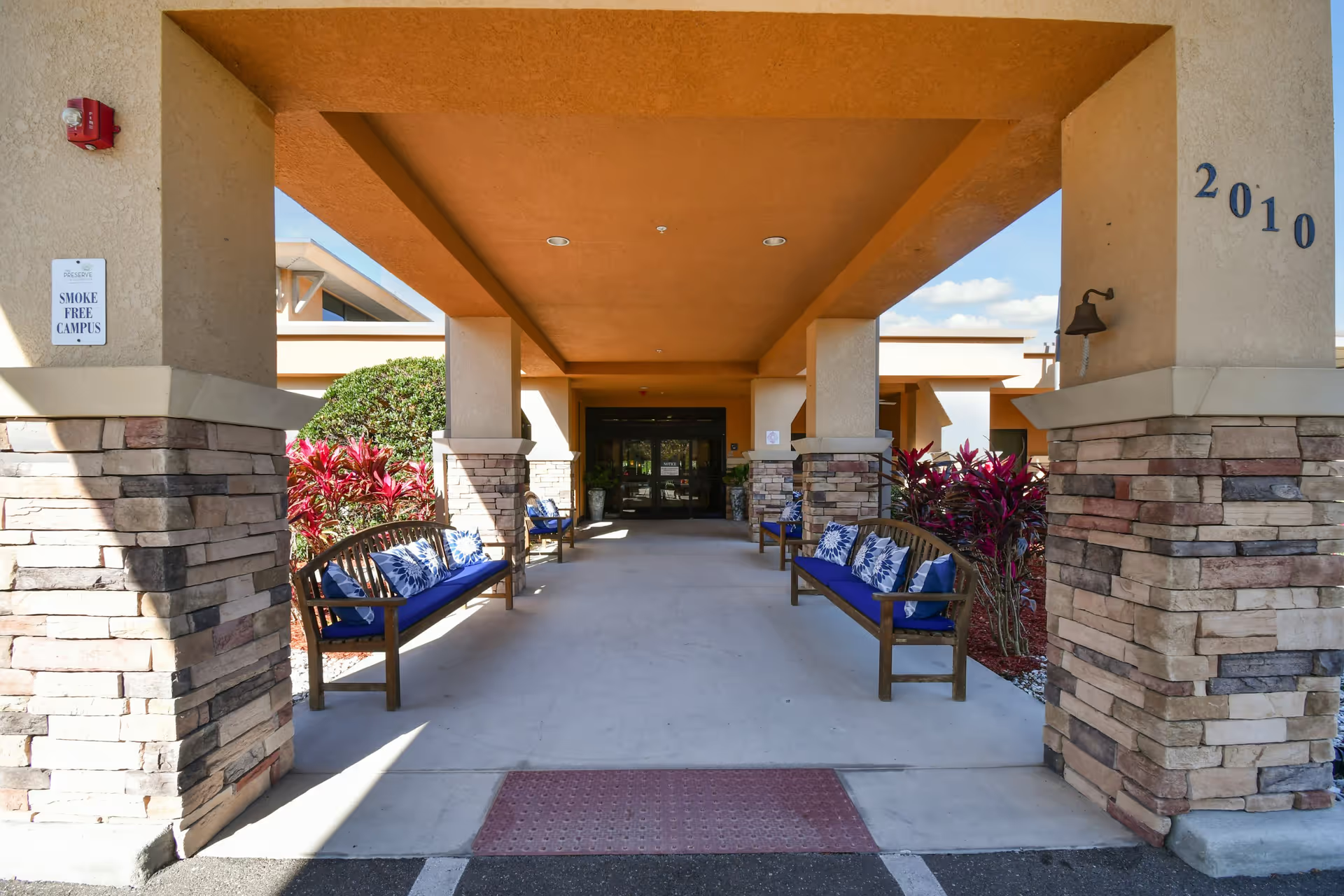
Meadowpark Health & Rehabilitation Center elicits a wide range of experiences. Many families and patients praise the facility's therapy services and the compassion shown by nurses, CNAs and individual staff members; these strengths make Meadowpark a competent option for short-term, recovery-focused stays. Admissions and social services staff receive repeated positive mention for helping with transitions and benefits coordination. The activities program and recreational staff are regularly credited with improving resident engagement and quality of life.
Clinical care and staffing present a mixed picture. The facility's physical, occupational, and speech therapists are frequently described as skilled, encouraging, and recovery-oriented. Nursing and aide staff are often called attentive and caring; at the same time, reviewers commonly describe inconsistent staffing levels across shifts, delayed responses to call lights, and variability in how timely basic care tasks are completed. There are recurring notes about medication-management gaps and pharmacy coordination problems (including confusion about insulin dosing and discharge medications), and several families described problematic discharge coordination and insufficient nurse involvement in transitions home.
Dining and daily living amenities are inconsistent. Some residents report palatable, colorful meals and backup options, while others describe meals that arrive cold, lack flavor, or are poorly timed. The activities department is a clear positive in many accounts, with staff described as increasing engagement and contributing to residents' emotional well-being. The facility allows outside food and provides flexible visiting in many circumstances, which families appreciate, though access can tighten during infection-control periods.
Facility condition and operations vary by area and time. Many reviewers note clean, bright common areas and well-kept therapy spaces, while others report aging rooms, maintenance needs, sanitation concerns, and pest-control concerns in specific units. These contrasts suggest uneven housekeeping and infrastructure upkeep. Administrative responsiveness is likewise mixed: some family members praise effective communication from social workers and rehab staff, while others report front-desk phone problems, unreturned calls, billing and insurance delays, and overall coordination shortfalls.
Notable patterns for prospective families: Meadowpark appears to offer strong rehabilitation expertise and many dedicated caregivers, making it suitable for short-term recovery stays when therapy is the priority. At the same time, there are persistent operational weaknesses — especially around staffing consistency, housekeeping standards, meal service reliability, discharge coordination, and medication/pharmacy processes — that warrant attention. A few reviewers raised serious allegations and concerns about safety and end-of-life handling; those accounts suggest families should seek documentation and follow-up from the provider and regulators where appropriate.
Practical steps for families considering Meadowpark include: verify staffing levels for the intended unit and shift times, ask about medication reconciliation and pharmacy processes at discharge, review housekeeping and pest-control practices, clarify meal-service times and options, and confirm how family communication and visiting are handled during infection-control events. An on-site visit and direct conversations with therapy, nursing leadership, and social services can help prospective residents and families weigh Meadowpark's strong rehabilitation capabilities against the operational inconsistencies noted in these summaries.