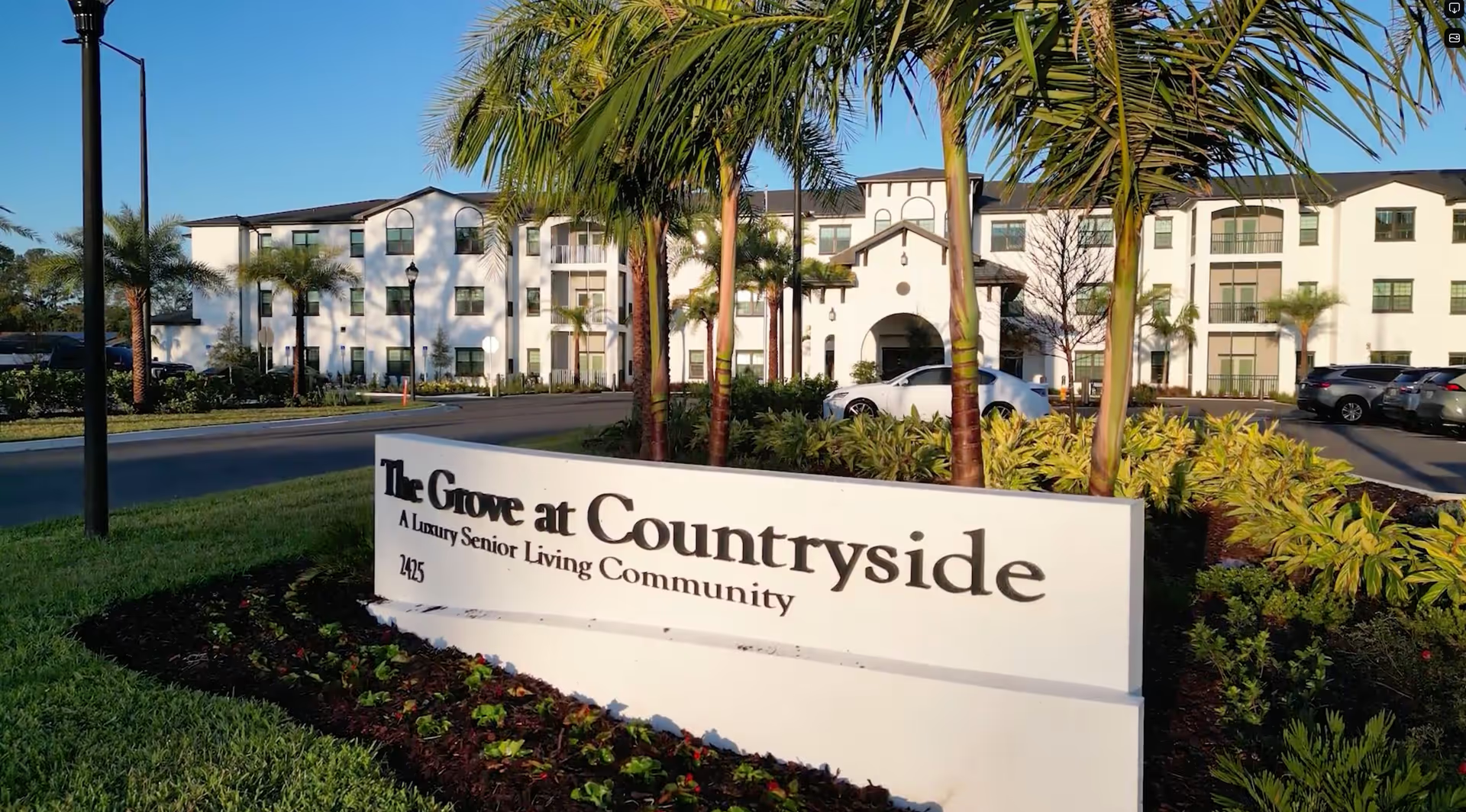
Reviews of Mease Life describe a community with notable strengths alongside recurring operational concerns. Strengths most consistently cited include dedicated front-line caregivers and CNAs, comprehensive rehabilitation services (outpatient and inpatient physical and occupational therapy), an active calendar of social and recreational programming, and generally attractive dining offerings in several dining venues. Families and residents frequently praise housekeeping and laundry services, the convenience of an on-site physician and proximity to medical facilities, a range of apartment types (including units with screened porches or balconies), and a recently updated memory-care unit. Several reviewers highlighted examples of strong leadership and resident involvement in decision-making, along with long-tenured staff that contribute to a sense of community.
Care quality and clinical coordination are mixed. Many reviews commend nursing staff and therapy teams for clinical competence and individualized therapy goals. At the same time, there are repeated concerns about medication handling and documentation — examples include medication-administration mistakes, inconsistent pharmacy coordination, and MAR (medication-administration-record) accessibility issues. These items point to systemic medication-management and communication gaps that prospective families should review with administrators and clinical leadership.
Staff and workplace dynamics appear uneven. Numerous comments praise aides who "go above and beyond" and describe responsive floor staff and rehab clinicians. Conversely, criticisms focus on management tone, perceived dismissiveness from certain leadership positions, scheduling and staffing shortages, and occasional lapses in follow-through on physician recommendations. These oppositional reports create a polarized staff profile: strong direct-care workers combined with periodic leadership and scheduling challenges.
Dining and activities are frequently cited as positive aspects of daily life; many reviewers describe varied menus, multiple entrée choices, specialty soups and desserts, and an active social calendar that includes exercise classes, water aerobics, bingo, and cocktail gatherings. However, dining quality and service consistency are described as variable across time and units, and some families expressed frustration with extra dining charges or perceived meal-service limitations during events such as pandemic restrictions or renovations.
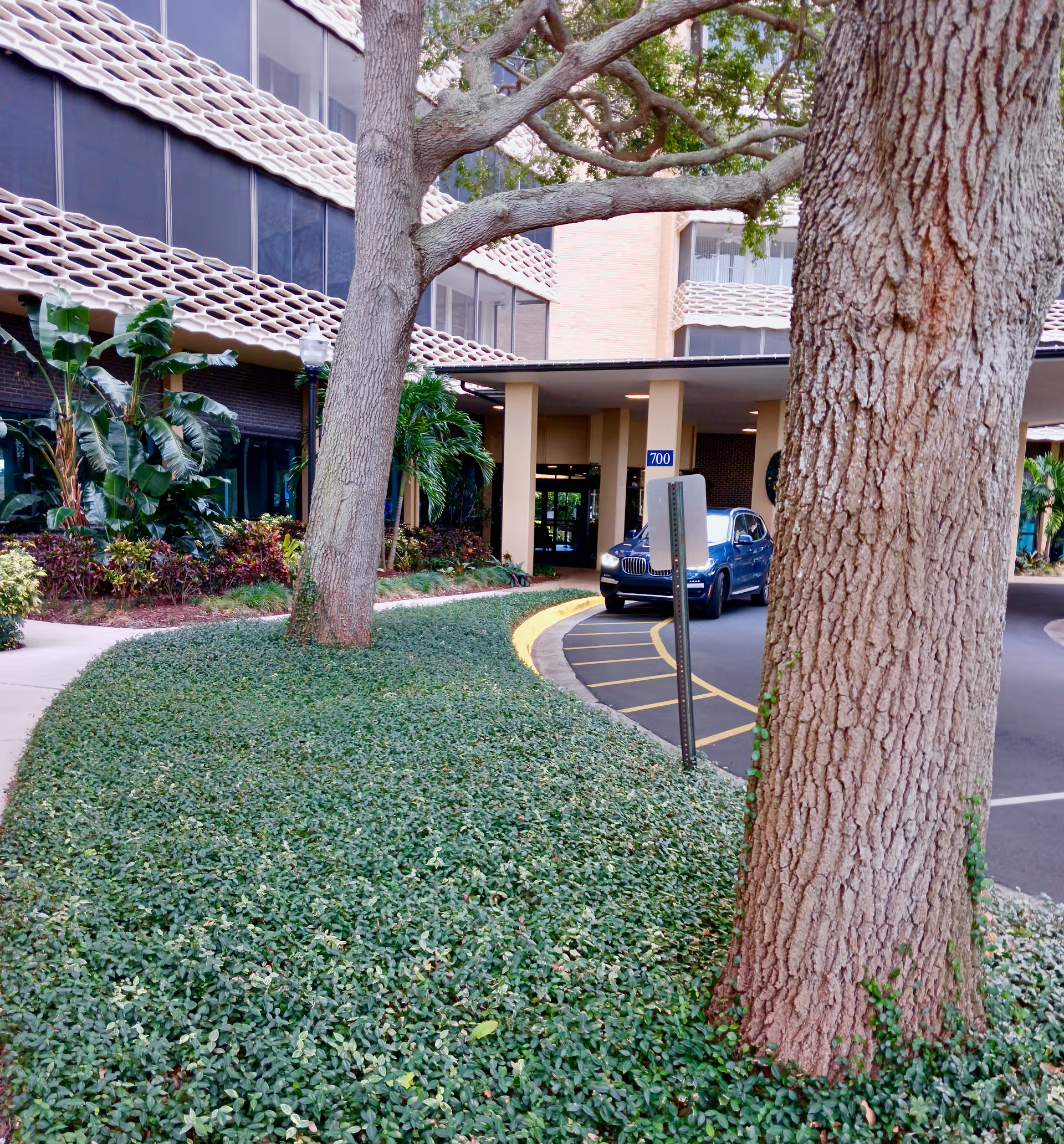
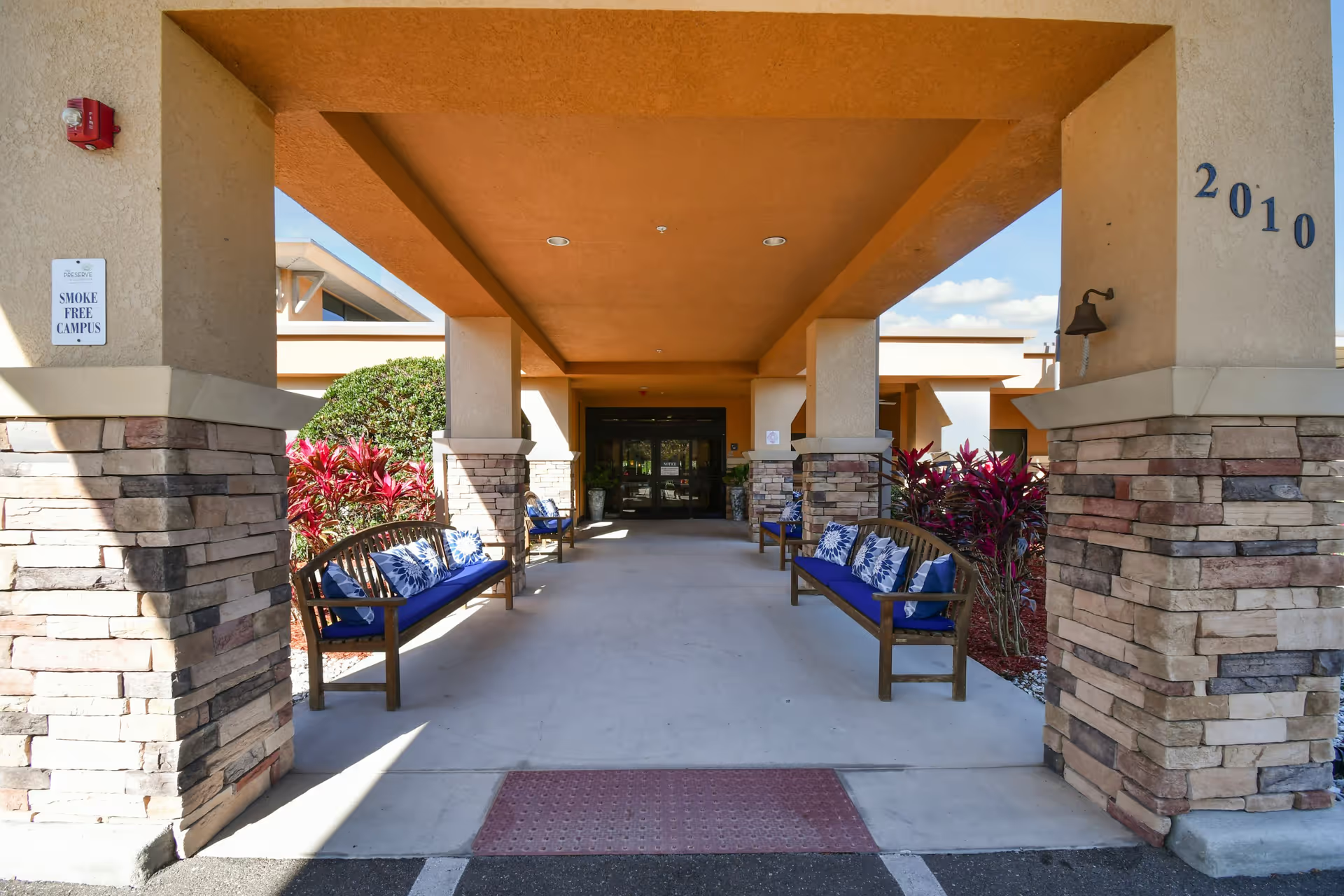
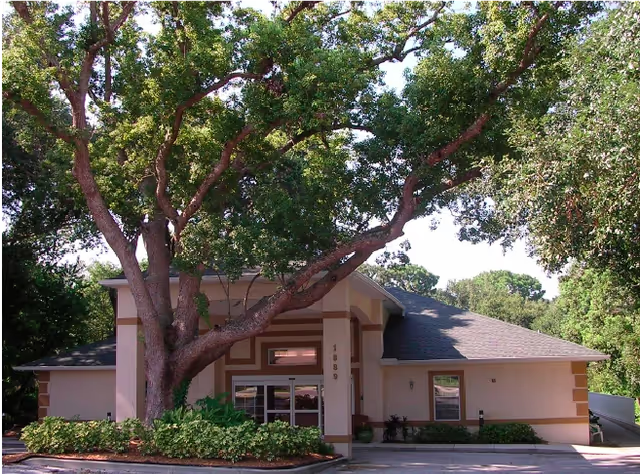
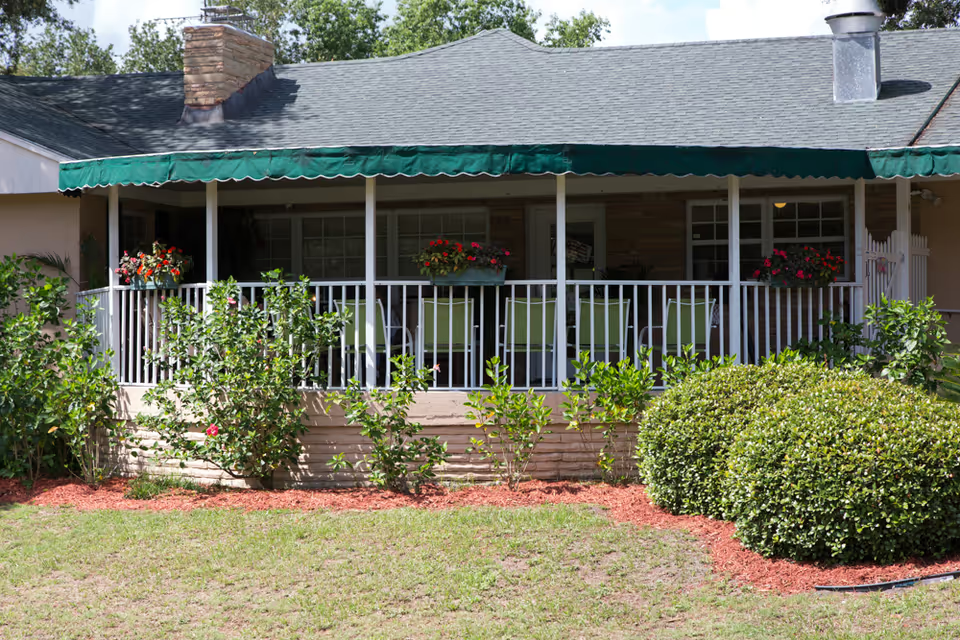
Physical plant and maintenance present a mixed picture. The campus is generally described as well-kept with attractive grounds, poured-concrete construction, and convenient location near downtown and hospital services. At the same time, the community includes older buildings and small apartment footprints in parts of the campus, and reviewers flagged aging HVAC systems, delayed repairs, and construction-related disruption. Specific safety and emergency-preparedness concerns were raised related to storm-related water intrusion, balcony/rail screens, and the ad-hoc use of space heaters; these indicate areas where infrastructure resiliency and emergency protocols warrant direct inquiry.
Management and administrative consistency is a prominent recurring theme. Some families describe proactive, hands-on leadership (including CEO intervention in crises and active resident engagement), while others recount poor communication, abrupt occupancy decisions, and adversarial exchanges about contracts or visitor policies. Security and visitor-management practices were also questioned in several accounts. These contrasts suggest variability in leadership approach and responsiveness across time or by unit.
Notable patterns for prospective residents and families: the community can provide a high level of daily-life engagement and skilled therapy, but there are documented operational risks around medication processes, maintenance reliability, and management communication. When evaluating Mease Life, visitors should directly assess medication-administration protocols, emergency-preparedness plans (including HVAC and storm response), night-monitoring and memory-care safety systems, staffing ratios or shift coverage, recent maintenance and renovation timelines, dining contracts/fees, and examples of how management has handled recent incidents. A daytime and mealtime visit, review of clinical and contractual policies, and conversations with both floor staff and leadership can help clarify whether the community’s strengths align with an individual resident’s priorities.