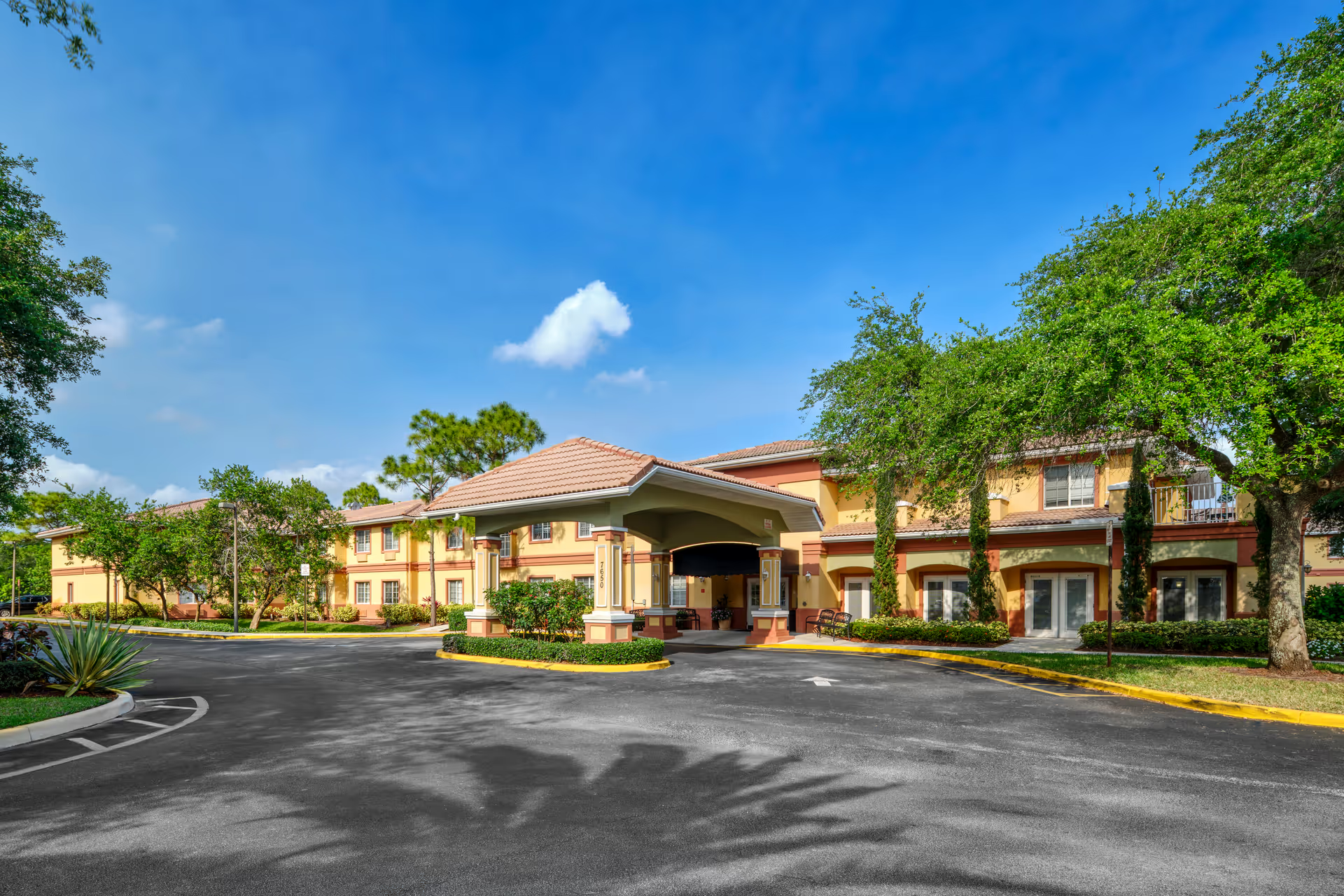
Lenox on the Lake presents a mixture of strengths that many families describe as well suited to independent and assisted living needs, combined with a set of operational inconsistencies that warrant careful inquiry during a tour. Positive themes include consistently praised caregiving staff, 24/7 nursing coverage, and staff members who are described as welcoming, professional, and attentive. Several reviewers singled out admissions and marketing staff as accessible and helpful during the move-in process, and named staff were noted for going above and beyond. The community is frequently described as clean, recently renovated, and hotel-like, with a lakefront setting and attractive common spaces.
Dining and social programming are prominent strengths for many residents. The dining experience is often described as high quality, with attractive presentation, dietary accommodations, and an enjoyable dining-room atmosphere. A wide range of activities and events — including live music, outings, salon services, and regular entertainment — support an active lifestyle for many residents. On-site services such as laundry pickup, transportation assistance, and access to geriatric providers add convenience and continuity of care for families who value an all-in-one campus.
That said, reviews reveal notable areas of operational variability. Management responsiveness and organizational consistency are uneven across accounts: some families report highly responsive administration and clear communication, while others describe difficulty reaching leadership and slow follow-up on concerns. Staffing workload and training also emerge as themes; reviewers cite periods when staff appeared overextended, which families linked to delays in care or inconsistent clinical support. In memory-care areas there are specific concerns about supervision levels and the scope of cognitive programming — for example, accounts indicate limited engagement beyond passive options in some units and suggested weaknesses in fall-prevention practices.
Food and sanitation-related issues are another mixed area. Many residents praise the chef and menu quality, but other accounts describe bland meals or occasions that raised questions about meal preparation and handling. These contrasting descriptions suggest variability in meal consistency and point to a need for families to ask about dietary protocols and food-safety oversight. Facility cleanliness is generally reported as very good or spotless by many, although some reviewers flagged sanitation and food-handling concerns in isolated accounts.
A small number of reviews describe serious operational outcomes, including an allegation of an abrupt eviction that resulted in a difficult transition for a resident; such accounts are atypical but significant and underline the importance of clarifying discharge and grievance policies. Overall, the pattern is polarized: many families report a high level of satisfaction, strong social engagement, and effective clinical support, while a minority describe administrative disorganization, staffing shortfalls, and programmatic gaps — especially in memory care.
For prospective residents and families, a practical approach is to verify current staffing ratios, ask about memory-care supervision and activity schedules, review food-safety and dietary accommodation processes, and request written policies on discharge and family communication. A personal tour focused on the specific unit of interest, conversations with the nursing leadership, and meetings with the activity director can help reconcile the positive aspects many residents experience with the operational inconsistencies noted by others.