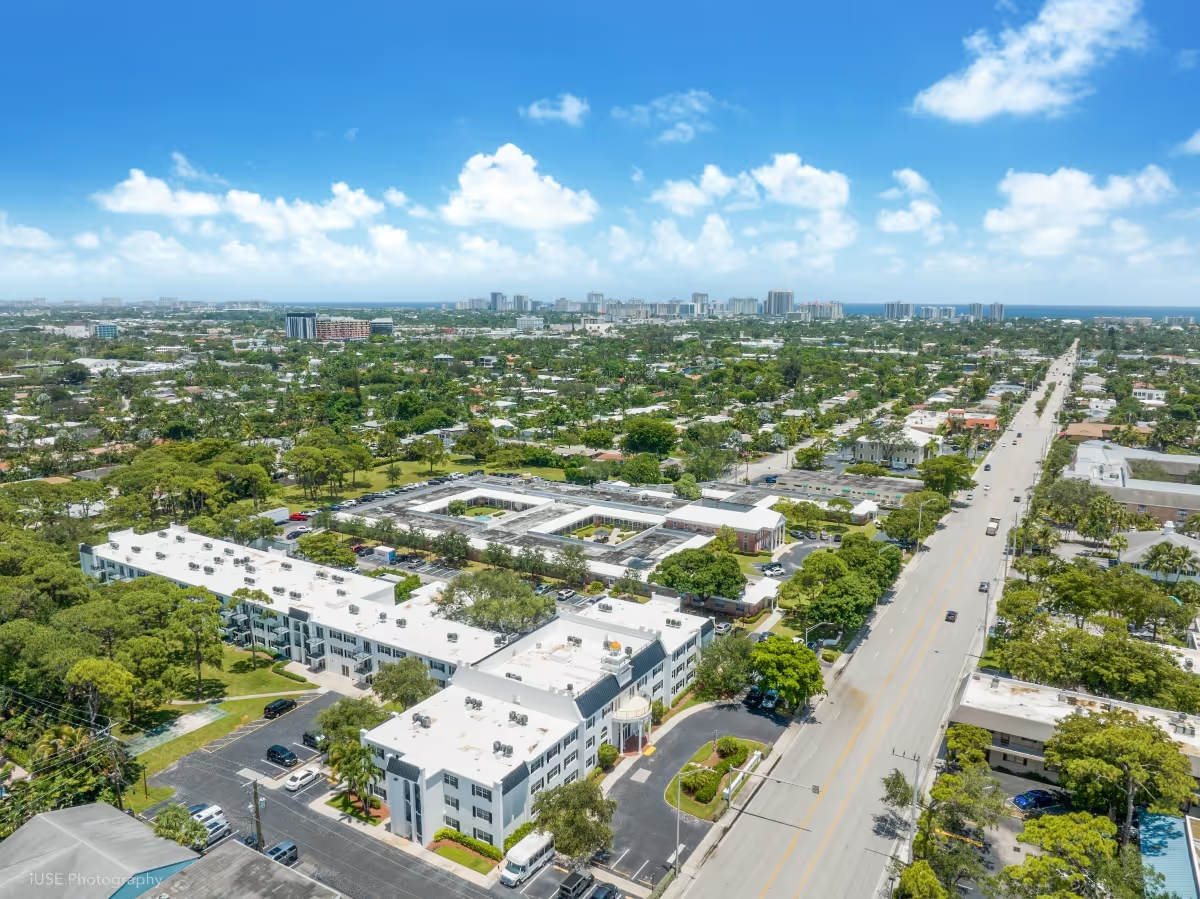
Overall impression: Reviews of Oasis Living Quarters are strongly mixed, with a clear pattern: many reviewers enthusiastically praise the facility’s physical setting and frontline staff, while a significant proportion report serious operational, safety, communication and ethical problems. The community offers standout positives — attractive grounds, roomy apartments, numerous amenities and many compassionate caregivers — but multiple accounts describe management breakdowns, maintenance failures, and distressing incidents that materially affect resident safety and family trust. The result is a split experience: families who interact with engaged long‑tenured staff and renovated areas report happiness and improved quality of life; those who encounter administrative turnover, understaffed shifts or older/unrenovated buildings report a decline in service and, in some cases, harmful outcomes.
Care quality and staff: A dominant positive thread is frequent praise for direct-care staff and certain teams. Many reviewers describe caregivers as professional, attentive, compassionate and family-oriented; several individuals named staff members and cited exceptional, individualized care, especially in memory care wings where smaller populations sometimes enable more one-on-one attention. Weekly apartment cleanings, medication assistance, activity facilitation and responsive help during emergencies are noted by many. However, an equally persistent theme is staffing instability: understaffing, defensive or untrained employees, long wait times for assistance, and aides who are unresponsive or appear overwhelmed. Memory care experiences are mixed — while some report very good dementia care and activities, others say staff become flustered and are insufficiently trained to handle complex needs. There are also troubling reports of missing medications and residents being sedated or isolated, which raises safety and oversight concerns.
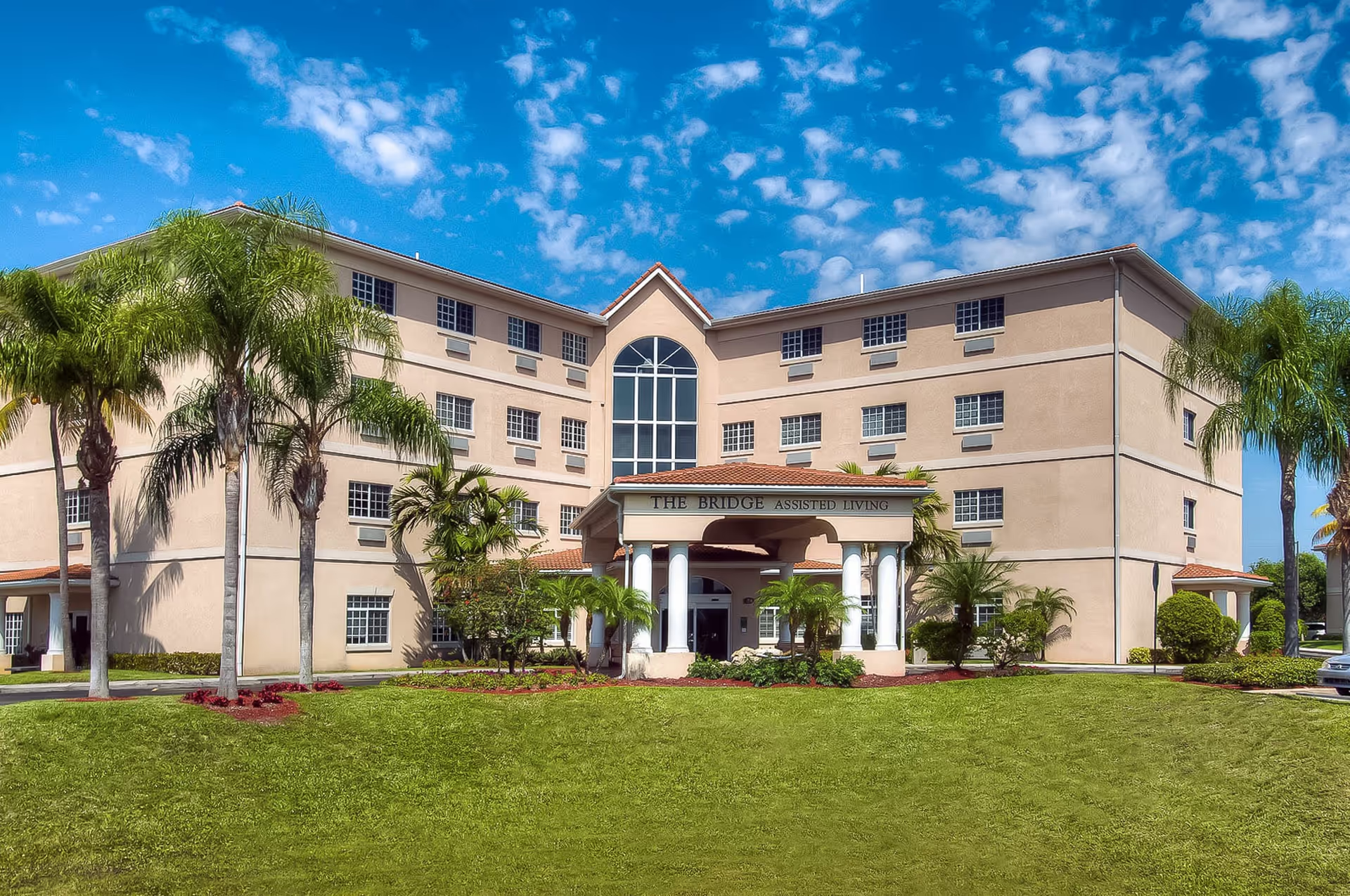
Facilities and amenities: The physical campus receives a lot of praise: beautifully landscaped grounds with ponds, fountains, walking paths and outdoor seating; a pool; large renovated apartments and a variety of floor plans; library and activity spaces; and accessibility features such as wide doors and safety stove cutoff devices. Many reviewers say renovations are making the community very attractive and that certain buildings feel like a “country-club” or “cruise-like” environment. Conversely, several reviews describe older, poorly maintained sections with visible problems — water damage, rotting drywall, black mold, AC outages (including a reported multi-week loss of AC), roaches and other sanitation issues. The coexistence of newly renovated and dilapidated areas has created stark differences in resident experiences depending on which building or unit they occupy.
Dining and food service: Dining receives polarized evaluations. Numerous reviews praise the dining staff and describe restaurant-quality meals, variety, and attentive service, even special meals that impressed families. Yet other reviewers report significant declines — menus reduced to single options, predominance of chicken, frozen or boxed institutional food, small portions, and new fees for takeout or meal packing. COVID-era adjustments (boxed meals, reduced dining) and later menu/ staffing reductions are blamed in some accounts. In short, food can be a major strength in many cases, but there are frequent reports of downgrade and inconsistency.
Activities and social life: Many residents benefit from an active schedule of programming, games, group activities, and social spaces that enhance engagement and mood. Families cite improved appetite, stamina and social connections after moving in. At the same time, other reviewers find the activity program limited or uninspired — repetitive programming (movies, bingo), social cliques in dining rooms that make new residents feel excluded, and occasional reports of residents mainly staying in rooms. The quality and variety of activities seem to vary by staff availability and the building’s management.
Management, administration and business practices: This is the single area with the most consistent negative feedback. Multiple reviews report poor communication from both facility management and corporate offices, unresponsiveness to emails/calls, frequent leadership turnover, and broken promises after ownership changes. Several reviewers describe sudden or poorly managed moves, eviction or 30-day notices (with one reviewer noting a 30-day notice notwithstanding local requirements), forced relocations without written notice, and even alleged theft and missing money. Billing problems — inconsistent pricing, unexpected fees, overcharges for upgrades, and charges after a resident’s death — are recurring. Some families characterize the operation as profit-driven or sales-focused, with aggressive sales practices, commissions, and opaque contract terms. There are also reports that corporate takeover led to abandonment of the facility and deterioration of services.
Safety, maintenance and compliance concerns: Safety-related complaints are serious and repeated: missing medications, residents transferred unsafely during moves, falls with injuries, slow pendant call responses, unlocked doors or unattended front desks in the evenings, and reports of mold and water damage that could pose health risks to vulnerable residents. Maintenance is often described as slow or ineffective — unfinished repair work, delayed installations, garbage piling up, and construction-related disruptions. Together these operational failures have prompted at least some families to file formal complaints with state agencies, and several reviewers explicitly advise others to avoid the community due to safety and ethical concerns.
Pricing and contract transparency: Many reviewers mention cost as a negative factor — high and sometimes inconsistent rent, additional charges for utilities, laundry or transportation, and a la carte pricing that can add up. There are multiple complaints about unclear bills, unexpected fees, and inconsistency between quoted and actual move‑in costs. Sales approaches and contract complexities (sales commissions, pressure tactics) are also frequently criticized.
Patterns and takeaways: The reviews show a community with substantial strengths — beautiful grounds, excellent frontline caregivers in many teams, robust amenities and, where renovations are completed, very attractive living spaces and dining. However, there is an equally strong pattern of operational instability that undermines those strengths: leadership turnover, staff shortages, maintenance and sanitation failures (mold, water leaks, roaches), safety incidents, billing irregularities, and, in a few reports, ethically troubling actions such as evictions or improper relocations. Experiences appear highly dependent on which building/unit a resident occupies, which staff are on duty, and the timing relative to ownership or renovation changes.
Practical advice for families (based on review patterns): If considering Oasis Living Quarters, visit in person multiple times (including meal times and evenings), tour the specific building/unit you would occupy, inspect for signs of mold, water damage and cleanliness, ask about current staffing ratios and training (especially for memory care), verify dining options and any extra fees in writing, get explicit details about eviction/relocation policies and notice periods, request references from current residents or families who live in the same building type, and review the contract for bundled vs. a la carte charges. Monitor state complaint records and ask management about recent ownership changes and what specific improvements are completed vs. still underway. Because experiences vary dramatically, due diligence and clear written agreements are essential.
Bottom line: Oasis Living Quarters can deliver an excellent, even exceptional senior living experience in parts of the campus and with certain staff teams — beautiful grounds, caring caregivers, and strong amenities are often cited. But the number and severity of operational, safety and management complaints are too frequent to ignore. Families should weigh the positive testimonials about staff and facilities against the documented risks related to management responsiveness, maintenance, safety and billing transparency before deciding.