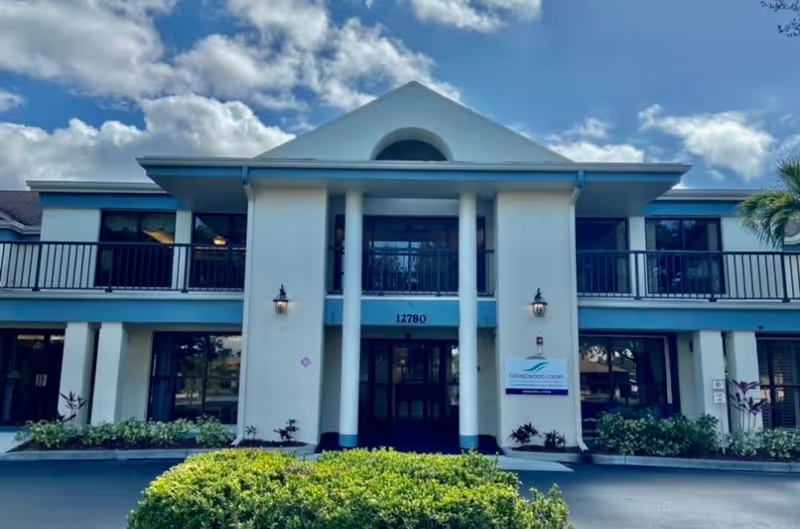
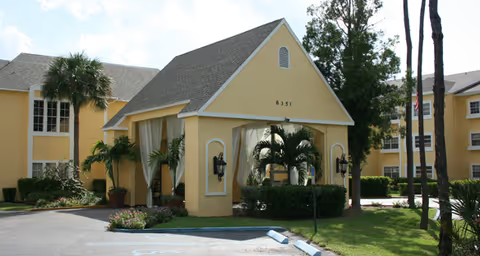
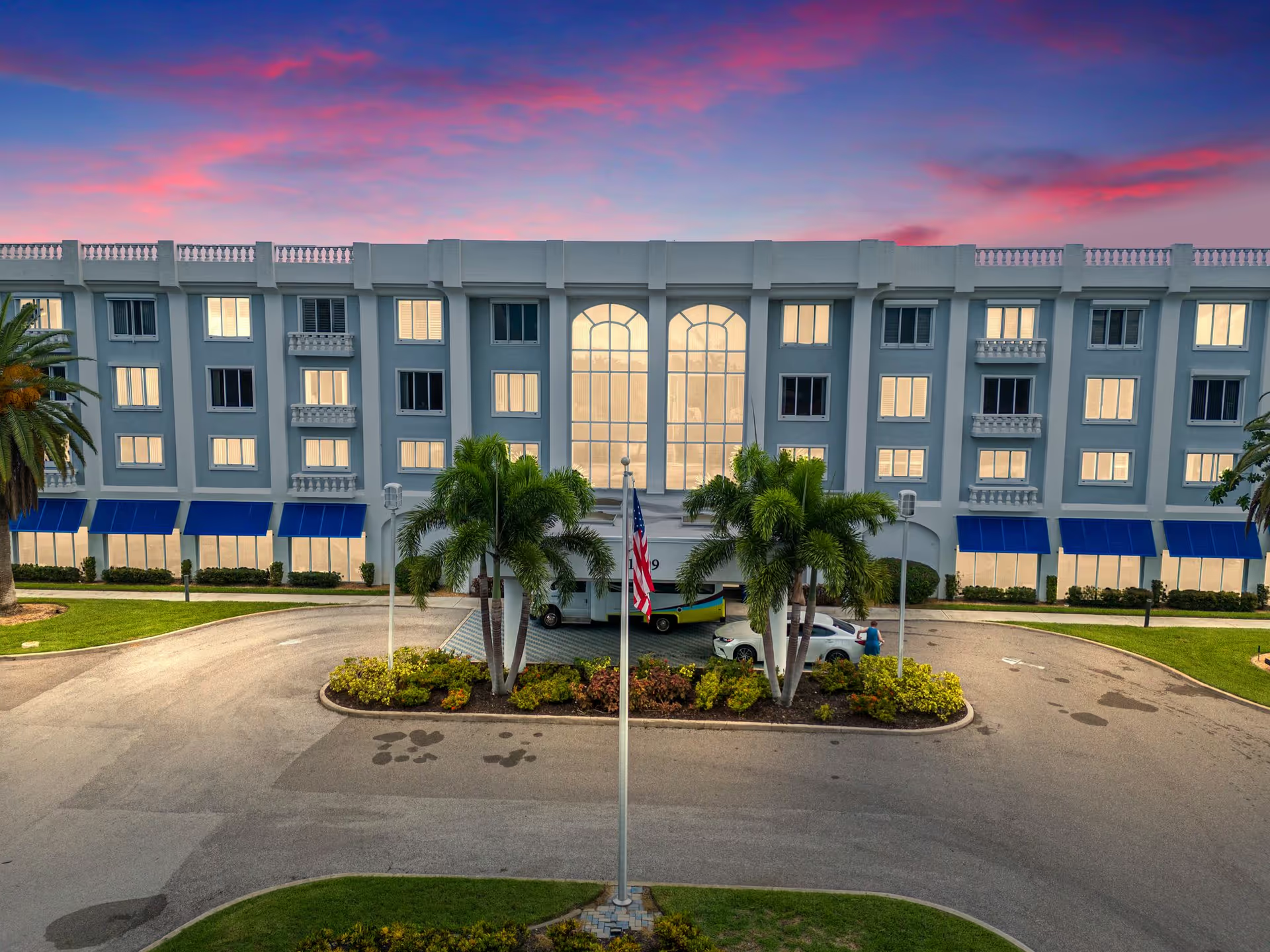
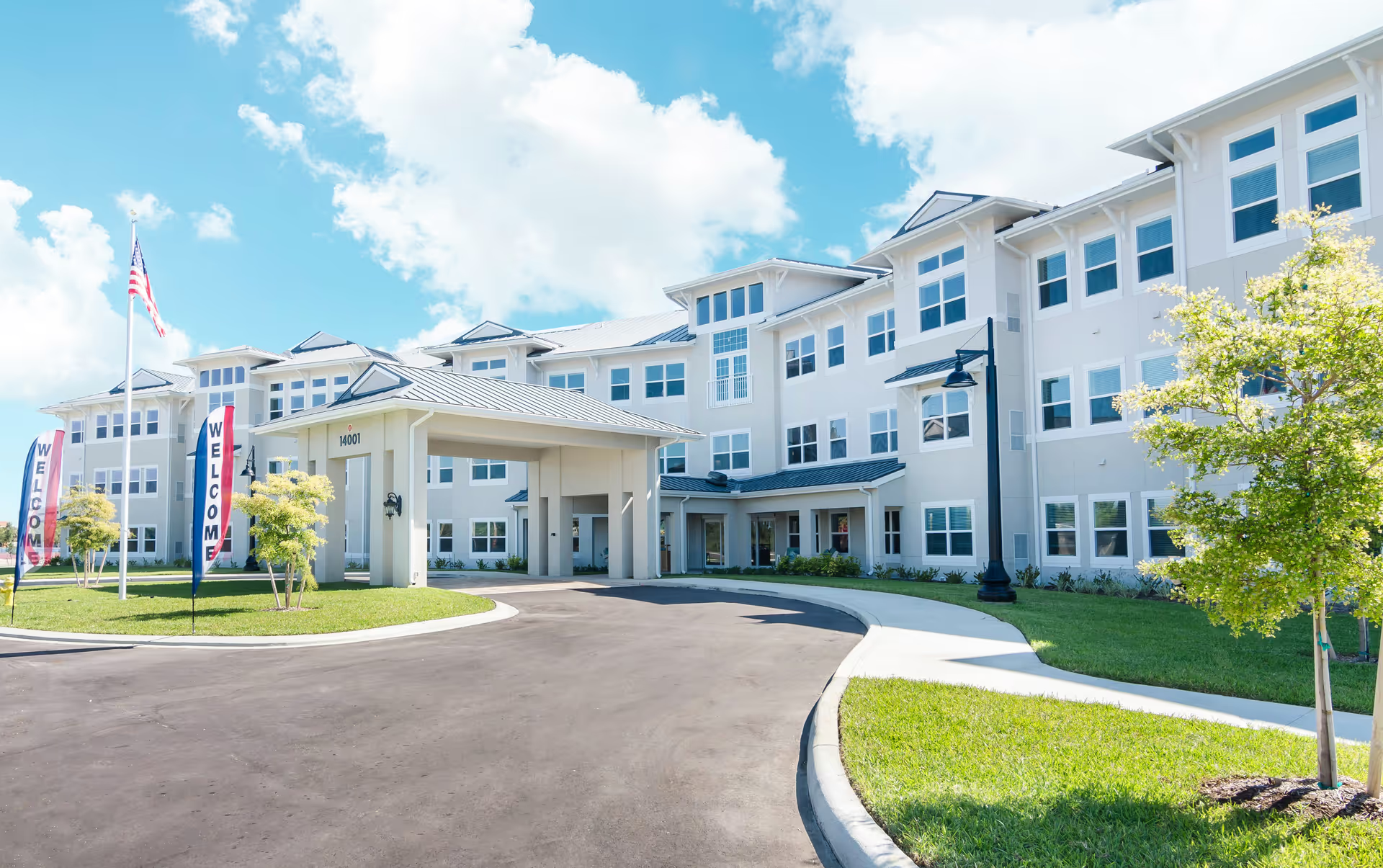
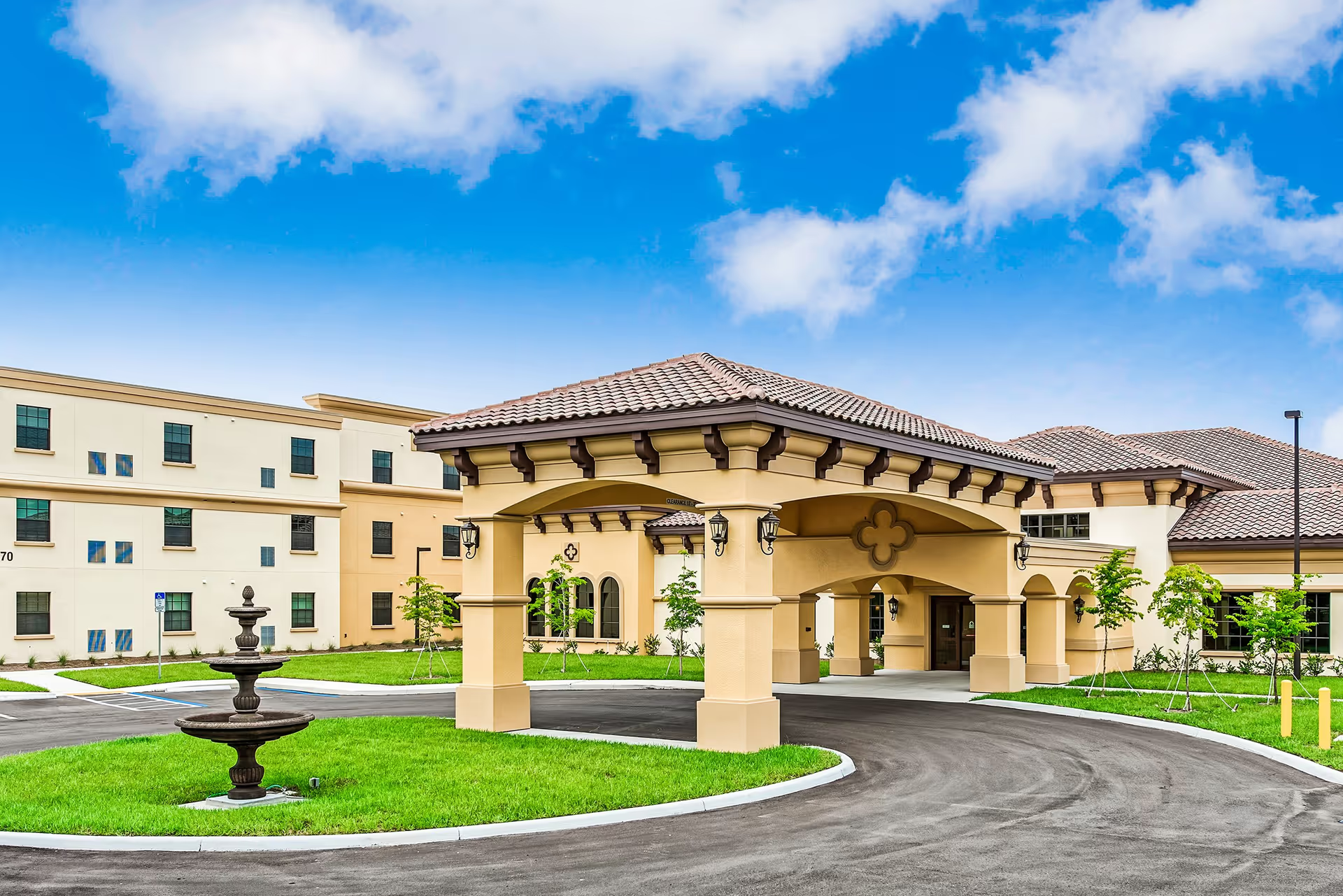
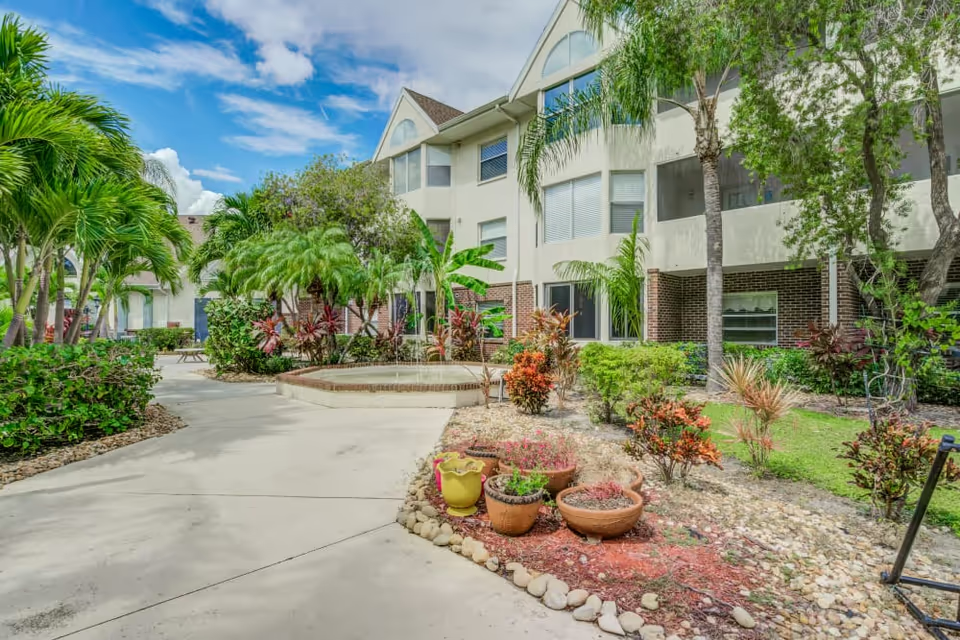
Brookdale Fort Myers Cypress Lake presents a mixed but clear profile: many families and visitors describe warm, personable staff, engaging common areas, attractive grounds and a wide range of amenities, while others raise operational concerns that have direct impact on higher-acuity residents. The community offers a full continuum of care (Independent Living, Assisted Living, Memory Care) with apartment-style units, dining rooms with multi-choice menus, frequent activities, and outdoor space with golf-course and lake views. Multiple reviewers highlighted strong, compassionate caregivers, an active social calendar, and comfortable public spaces that create a home-like atmosphere for many residents.
Care quality is variable across shifts and units. Positive accounts emphasize attentive, person-centered caregivers and an effective memory-care leadership team; criticism centers on inconsistent clinical oversight, missed or delayed medication administration, and limited licensed-nurse presence during off hours. Families describe occasions of slow call-response times, delayed monitoring after falls, and gaps in higher-acuity nursing tasks (for example, oxygen and more advanced medical needs). These patterns suggest that the community can support residents with moderate needs reliably when staffing and clinical coverage align, but families should verify staffing levels and on-call clinical resources when considering placement for someone with significant medical complexity.
Staffing and staff conduct receive both praise and concern. Many reviews note friendly, helpful, and long-tenured employees who contribute to a welcoming environment and good family communication. At the same time, recurring mentions of being understaffed—especially evenings, nights and holidays—translate into longer waits for assistance, basic-care limitations, and inconsistent housekeeping. Prospective families should clarify current staffing ratios, weekend/night coverage, and the community’s contingency plans for predictable staffing shortfalls.
Dining and activities are strengths for many residents. The community frequently offers restaurant-style service, multiple entrée choices, and themed dining events; activities such as exercise classes, arts and crafts, outings, and card games are regularly available and often well attended. Conversely, reviewers also noted inconsistent meal delivery, occasional shortages, variations in food quality between sections, and times when residents who cannot reach the dining room rely on family for meal delivery. Those prioritizing consistent therapeutic or advanced dining accommodations should ask about routine meal-delivery protocols and accommodations for residents with mobility or dietary restrictions.
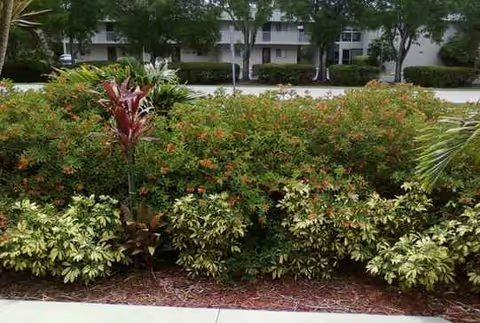
Facility and maintenance reports are mixed. The campus and landscaping are commonly praised, renovations are ongoing in parts of the property, and many units have attractive views and lanais. However, some apartments and building sections show accessibility limitations (steps, bathtubs rather than roll-in showers), HVAC repair delays, and spot maintenance needs. Cleanliness assessments vary: several reviewers describe clean, well-kept public areas, while others cite housekeeping lapses, laundry processing issues, and pest-control concerns in particular units. Those touring should observe both public spaces and sample apartment units to gauge maintenance consistency.
Management and administrative themes include strong tour and admissions experiences for many families, helpful move-in coordination, and instances of proactive care coordination with physicians. Counterbalancing this are recurring complaints about billing transparency, extra or unclear fees, and inconsistent managerial responsiveness to complaints. Prospective residents should request a clear fee schedule, written policies for additional charges, and examples of how the community communicates and resolves family concerns.
Notable patterns: quality appears to vary by building wing, level of care, and time of day—memory-care leadership and programming are often singled out positively, whereas higher-acuity clinical needs and night coverage show the most variability. For independent or lightly assisted residents who value social programming, dining, and campus amenities, the community is often a good fit. For residents requiring reliable, continuous clinical oversight, families should verify staffing models, medication administration procedures, fall-monitoring protocols, and escalation pathways before moving in.
In summary, Brookdale Fort Myers Cypress Lake offers many attributes that families appreciate—active programming, caring staff members, attractive grounds, and an integrated continuum of care—but reviewers also describe operational inconsistencies that can affect safety and service reliability. A careful tour that includes review of staffing schedules, clinical coverage, housekeeping and laundry arrangements, accessibility features, and a written explanation of fees will help align expectations with the community’s current performance and suitability for a given resident’s needs.