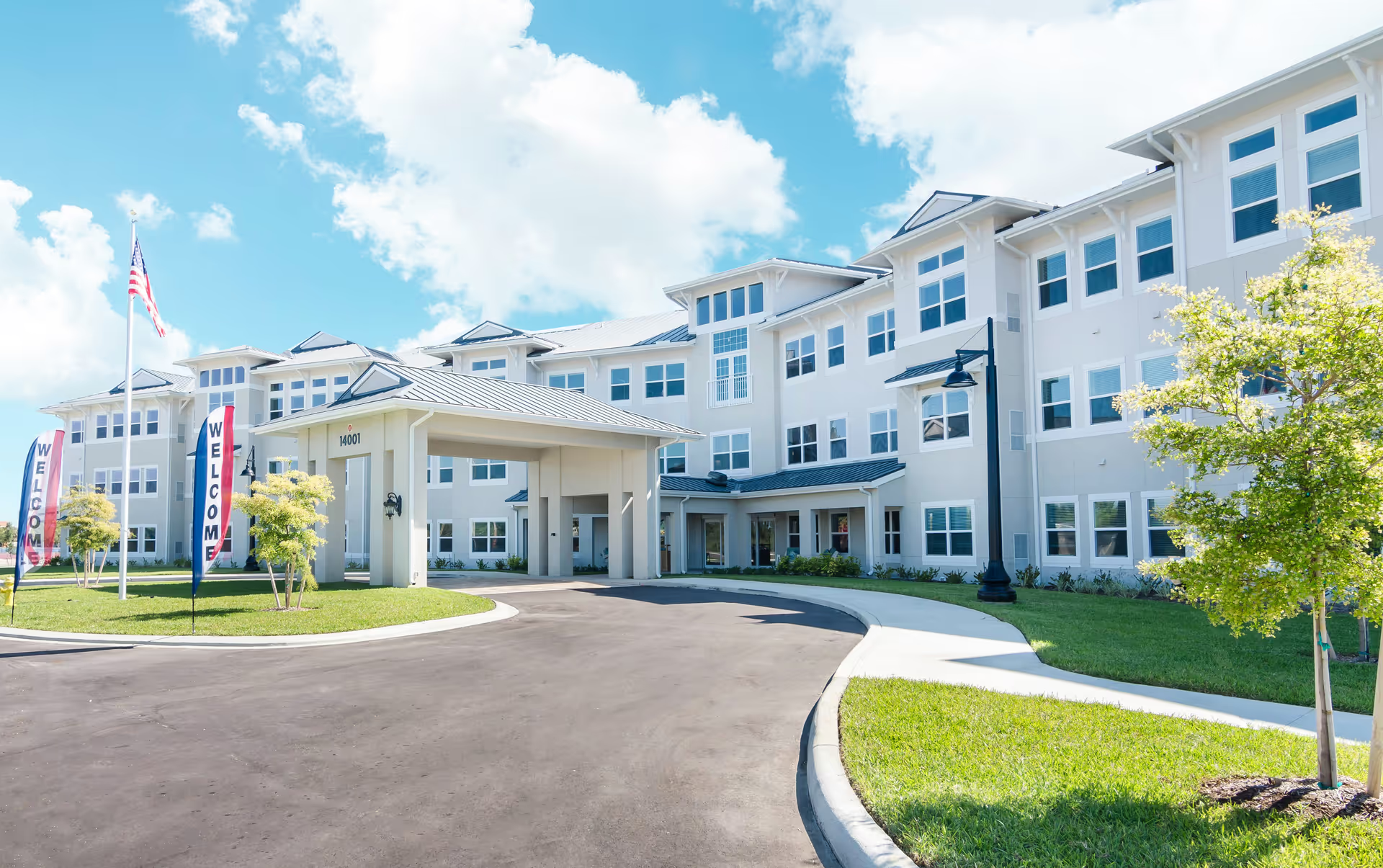
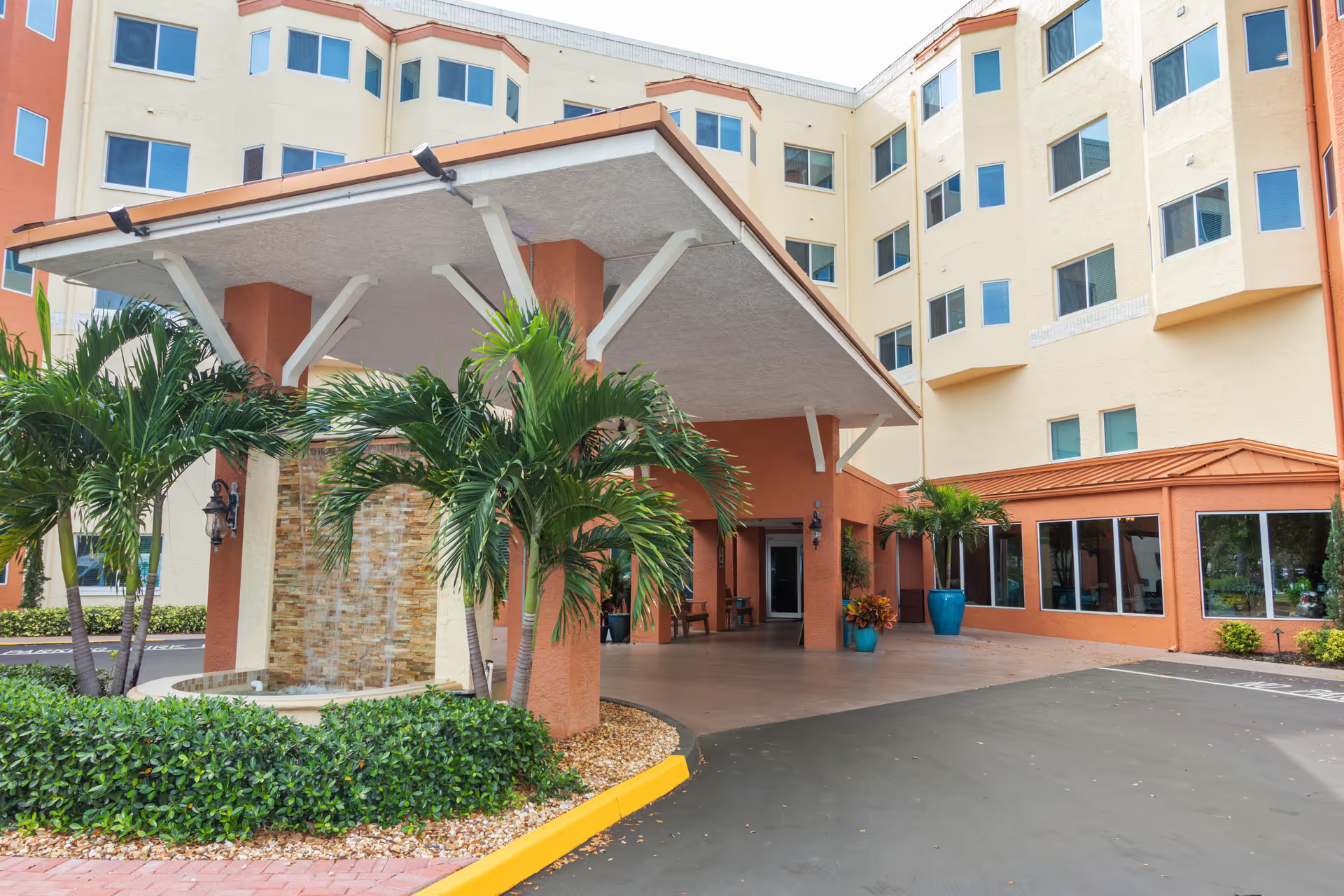
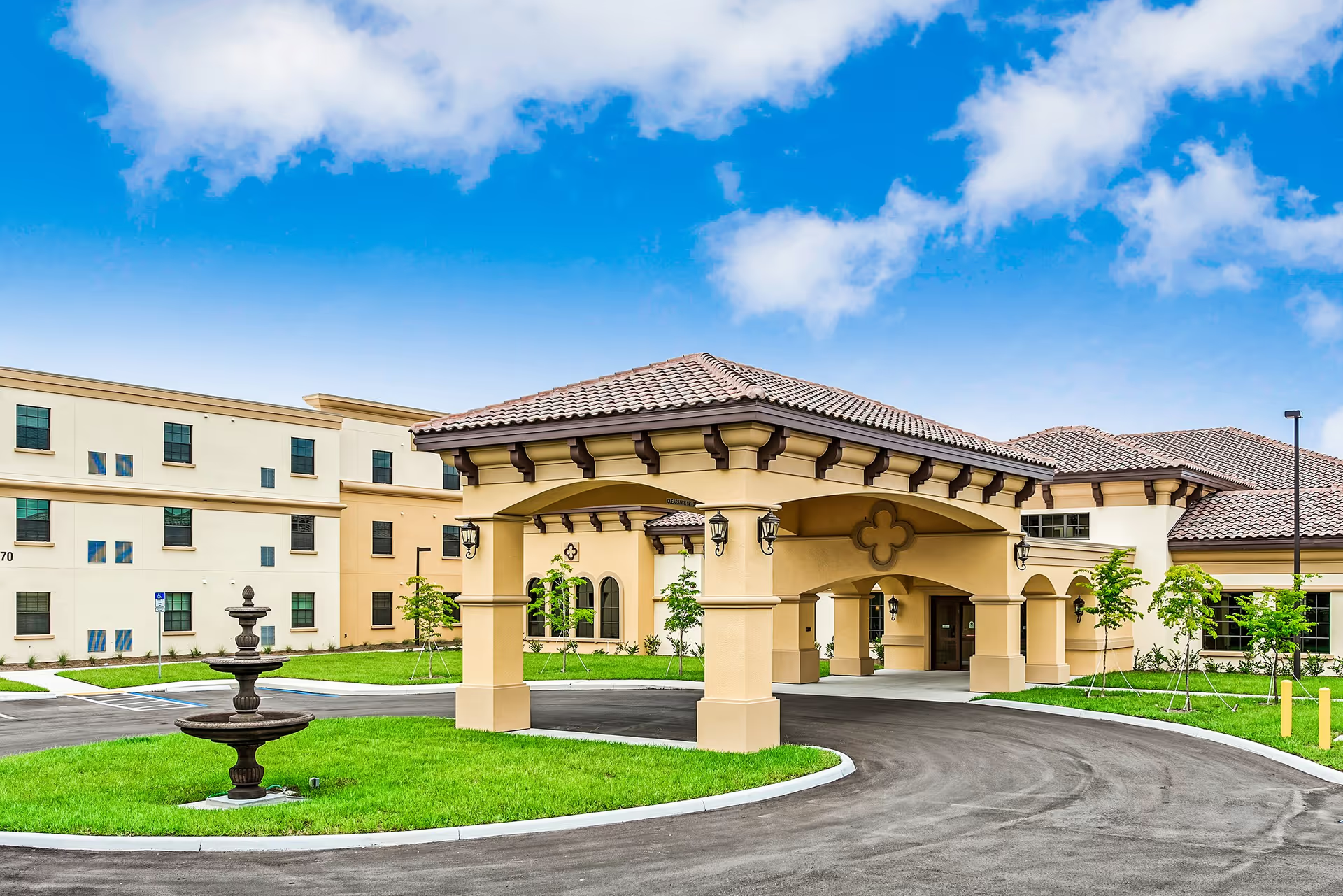
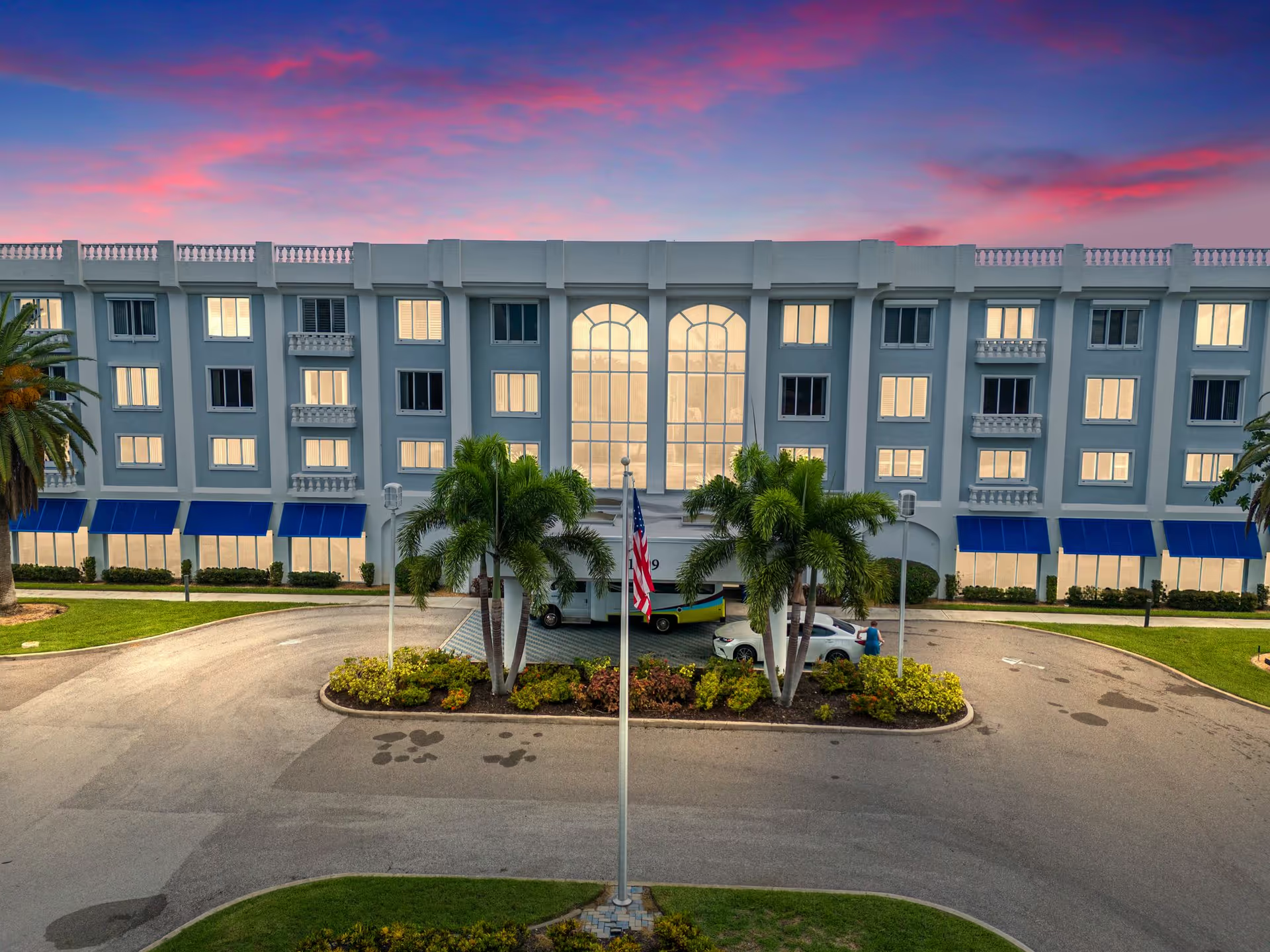
Cypress Square is a senior living community in Fort Myers, FL, designed for people aged 55 and older who need different levels of care, giving help with things like bathing, getting dressed, taking medicine, and cooking, offering independent living, assisted living, memory care, rehabilitation, skilled nursing, and even home care and hospice, so someone can age in place while staff are around 24 hours a day to help out if something happens. Some people live there because they want to stay active but need support with daily chores, and others have memory problems from conditions like Alzheimer's, dementia, or Parkinson's, so the staff put 24-hour attention on folks who wander or forget things, and there are spaces and programs meant to help people stay safe, engaged, and comfortable, with specialized rooms for different needs, such as studio, one-bedroom, semi-private, and two-bedroom units. The indoors has common areas where residents can gather to talk, watch TV, or join activities, and there are planned events, social groups, and even devotional gatherings off-site for those who want to connect with others spiritually, helping people stay mentally and emotionally healthy. For those dealing with physical issues, Cypress Square covers a lot with diabetic care, incontinence care, help for non-ambulatory residents, support moving between a bed and a wheelchair, and a team who can help keep up with insulin, meals, and medications, as well as options for those with higher care needs or those who still want to take part in daily routines with some help.
There are skilled therapists and Dr. Venice Cercado, a psychiatrist, who does mental health evaluations, offering outpatient and residential treatment every day from 9 in the morning to 9 at night, plus services for ADHD, anxiety, depression, autism, substance abuse, and other mental health concerns, with treatments based on current science, including Cognitive Behavioral Therapy, group support, and care for people struggling with eating or personality disorders, alcohol use, or co-occurring disorders, and they try to make sure folks get care based on what they need individually with as little disruption as possible. The meals come prepared by a team of chefs and meal planners for nutrition and convenience, so those who want or need help don't have to worry about shopping or cooking every day, and there's a schedule full of choices for onsite and offsite activities designed for keeping people moving, social, and engaged. Families can pay with private pay, veterans' benefits, social security, commercial insurance, and most insurance plans, and there are fees based on care levels, with community and buy-in fees for those who want to join, and special costs for respite or shorter stays if needed, so there are ways to get support for a range of health, personal, or memory concerns in a home-like setting that feels both supportive and open, where different people can find their routines and support.