Reviews of Aidan Post-Acute and Rehabilitation Center present a polarized picture: several families describe very positive rehabilitation experiences driven by an effective therapy program and compassionate caregivers, while other families report significant clinical and operational concerns. Across the dataset, inpatient therapy (physical and occupational) is the most consistently praised element; therapists are described as professional, motivating, and instrumental in returning residents home. Activity programming, pet visits, and instances of strong housekeeping and laundry are additional strengths that support residents’ daily quality of life.
Clinical-care quality is uneven. Multiple accounts point to strengths in daytime nursing and therapy, but many reviewers describe inconsistent care during afternoons and nights, including long delays responding to call buttons and irregular monitoring. Wound care, pain control, and medication administration emerge as recurrent worries: reviewers describe delayed analgesia, medication handling errors, and gaps in wound cleaning and dressing practices. These descriptions translate into facility-level concerns about clinical oversight, nurse coverage across 24 hours, and standardization of care protocols.
Staffing and staff conduct are notable sources of variability. While some families highlight compassionate, helpful staff and approachable administration, others report poor responsiveness, attitude problems, language or training gaps, and high turnover. These operational issues appear to affect continuity of care and communication: families describe difficulty obtaining timely updates, inconsistent adherence to dietary restrictions, and fragmented coordination at admission and discharge. There are also serious individual claims, including allegations of theft and concerns following a resident's death; such items point to the need for clear investigatory follow-up and transparent family communication.
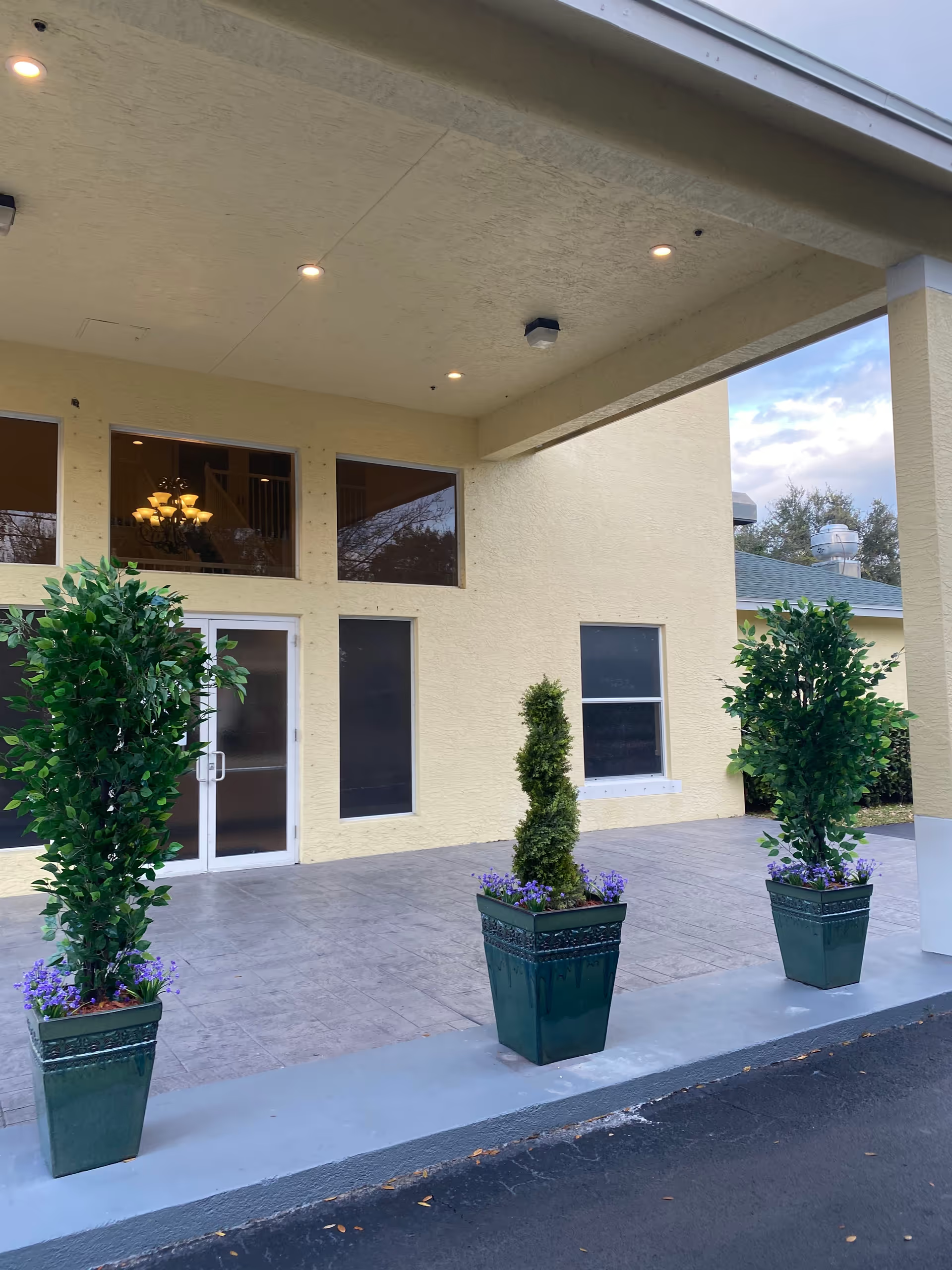
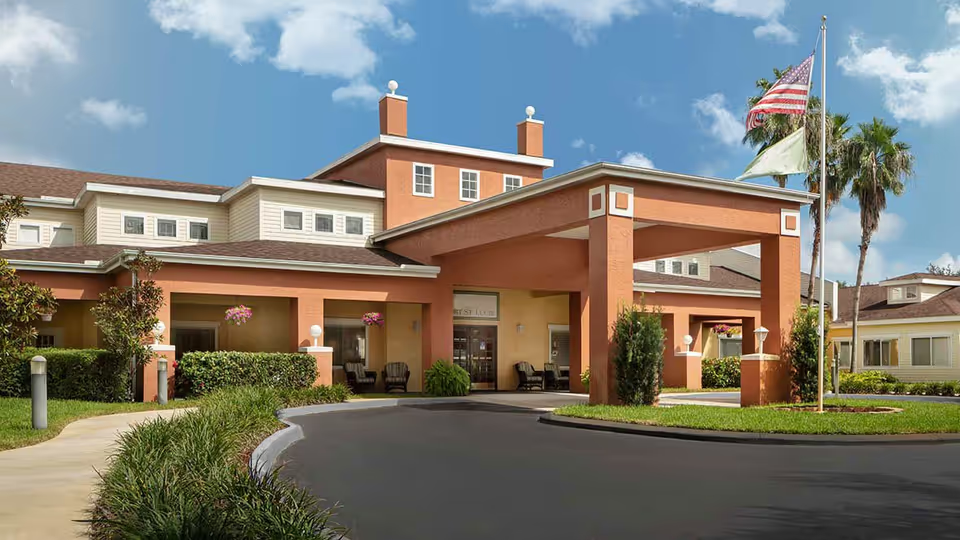
Dining and facilities feedback is mixed. Several reviewers praise meal quality and a clean, well-maintained environment with a home-like feel; others recount cold or bland meals and unmet dietary requirements. Housekeeping performance is similarly variable: some accounts commend a diligent housekeeping team, while others cite sanitation and pest-control concerns and inconsistent room cleaning. Physical plant issues such as room temperature control and air-conditioning maintenance were also raised by families.
Management impressions vary over time: a number of reviewers credit recent administrative changes with improvements in responsiveness and culture, while others characterize the environment as disorganized with scheduling and supply problems. Taken together, the pattern suggests that outcomes at this facility are highly dependent on shift, unit, and the presence of engaged staff or leadership. Prospective residents and families should weigh the facility's demonstrated rehabilitation strengths against the documented operational risks, consider asking specific questions about night-shift nursing coverage, wound-care protocols, medication-administration safeguards, pest-control practices, and property-management policies, and plan for active family advocacy during stays if they accept placement.