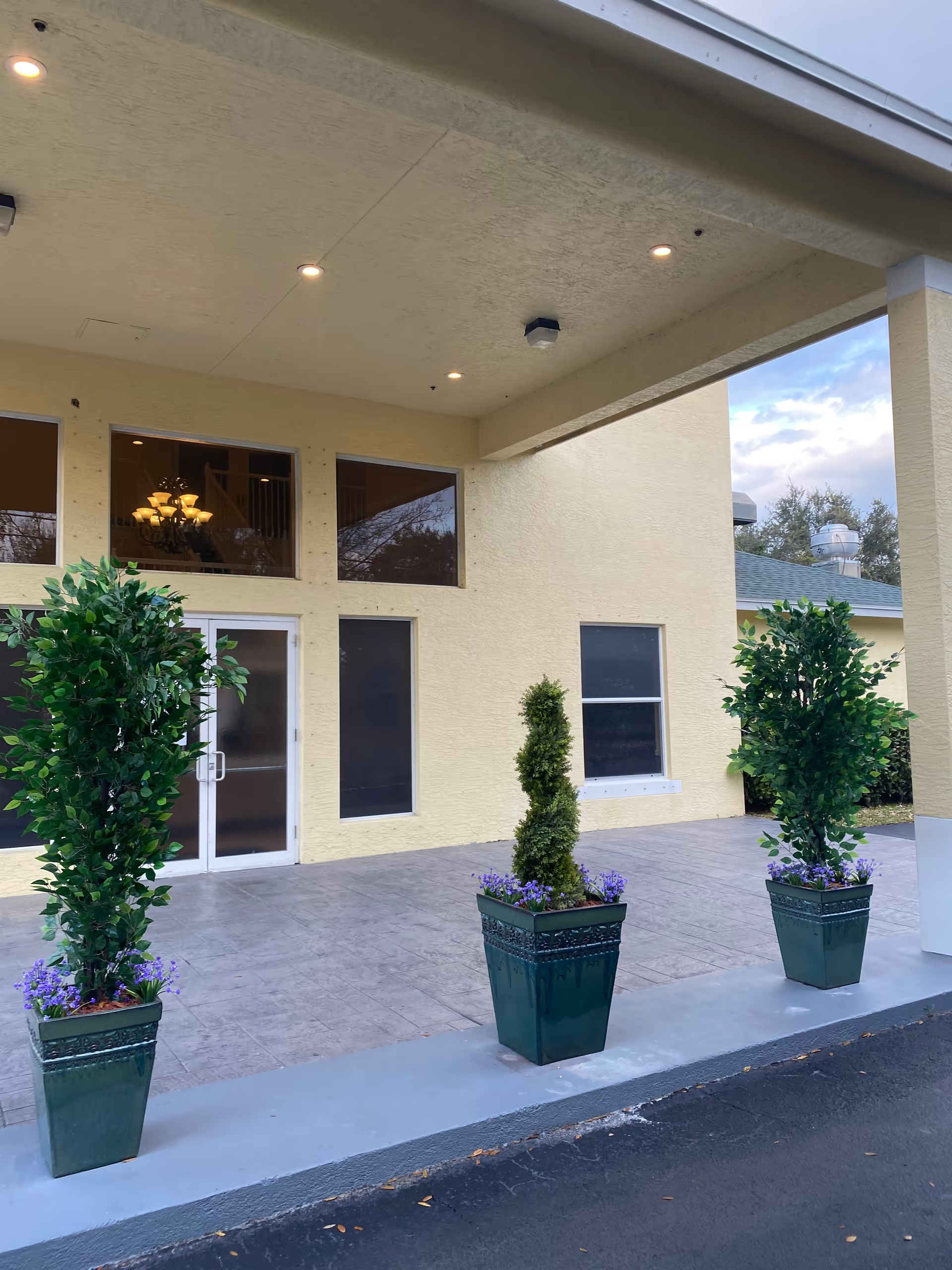
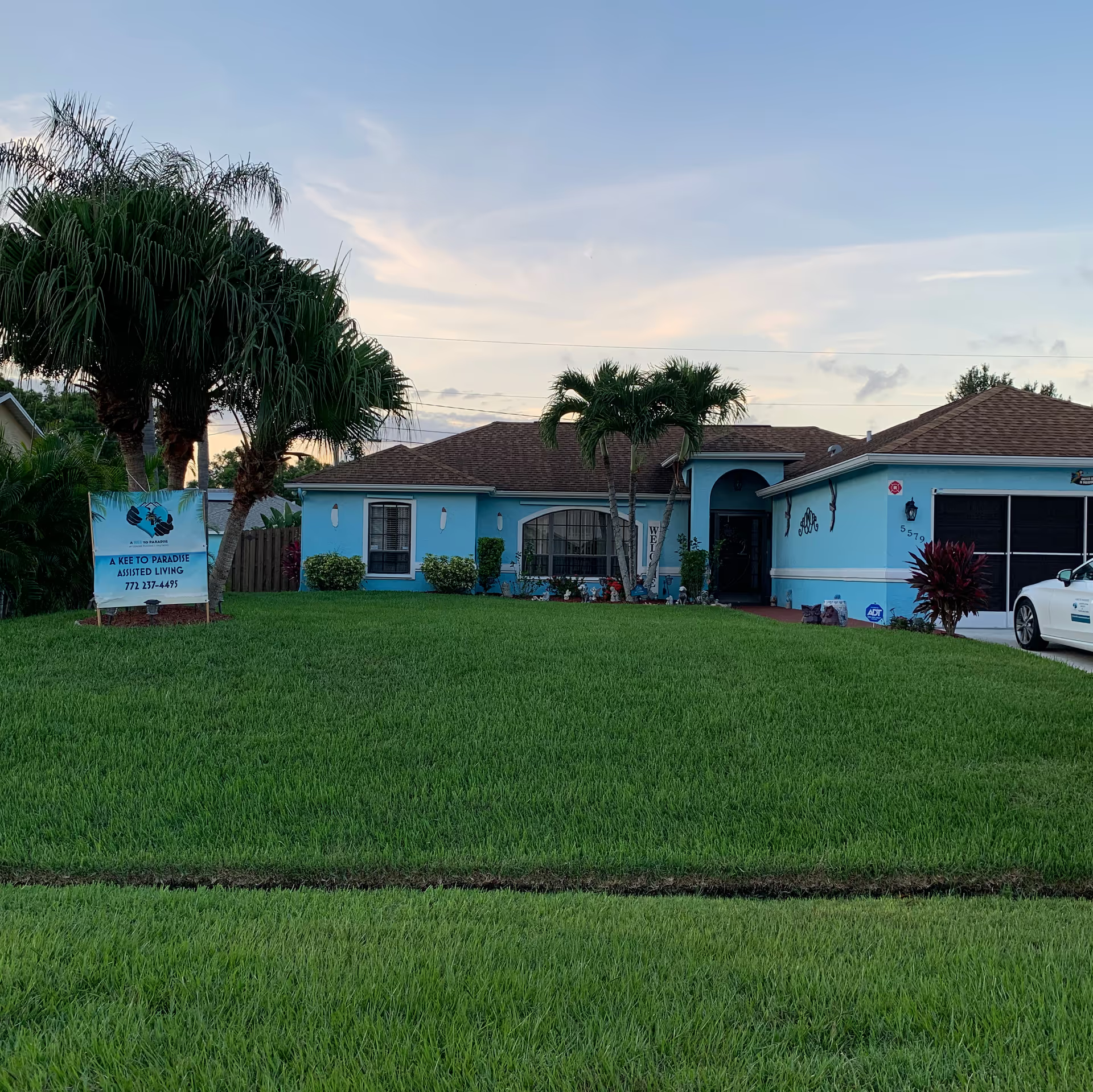
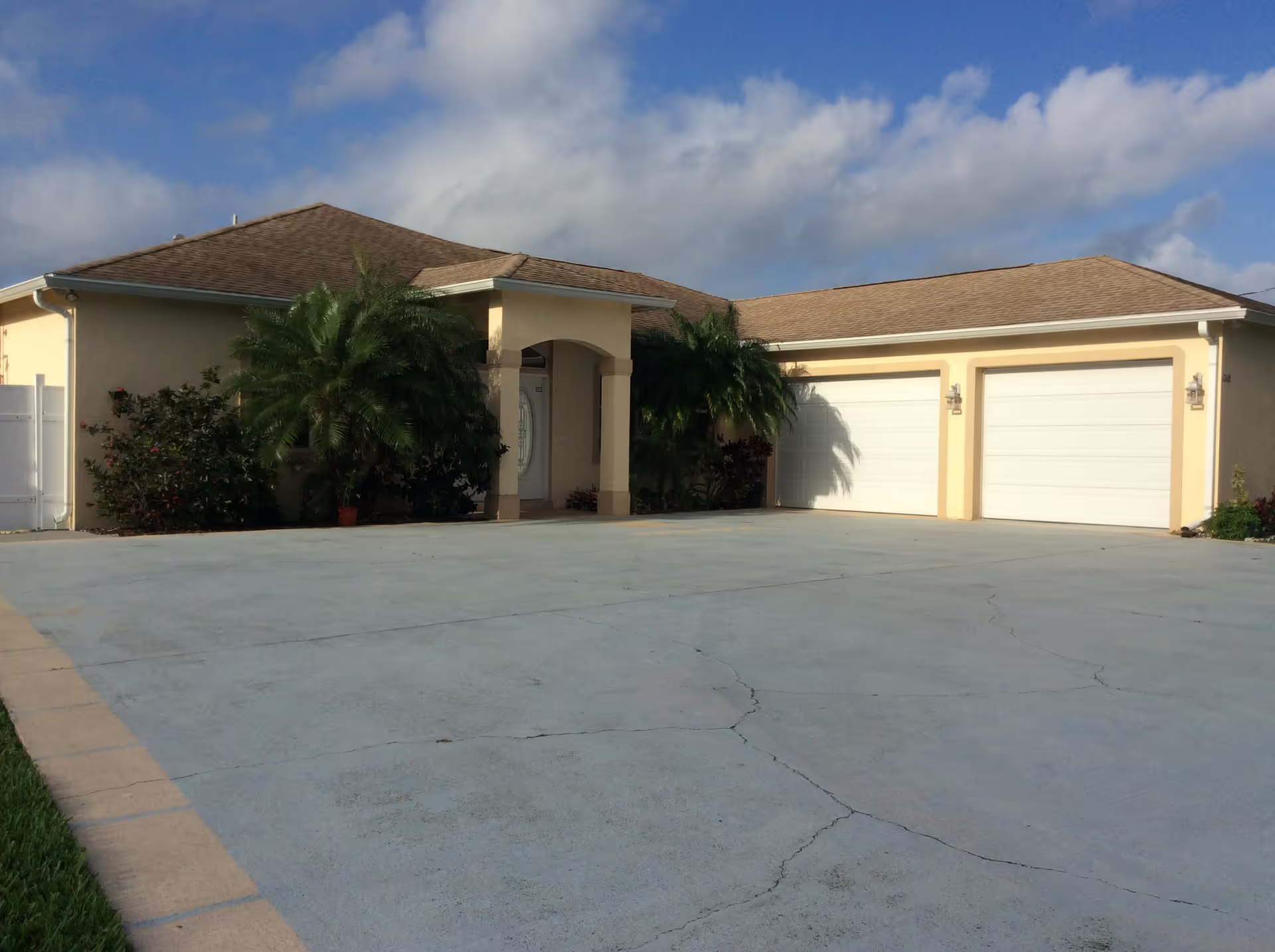
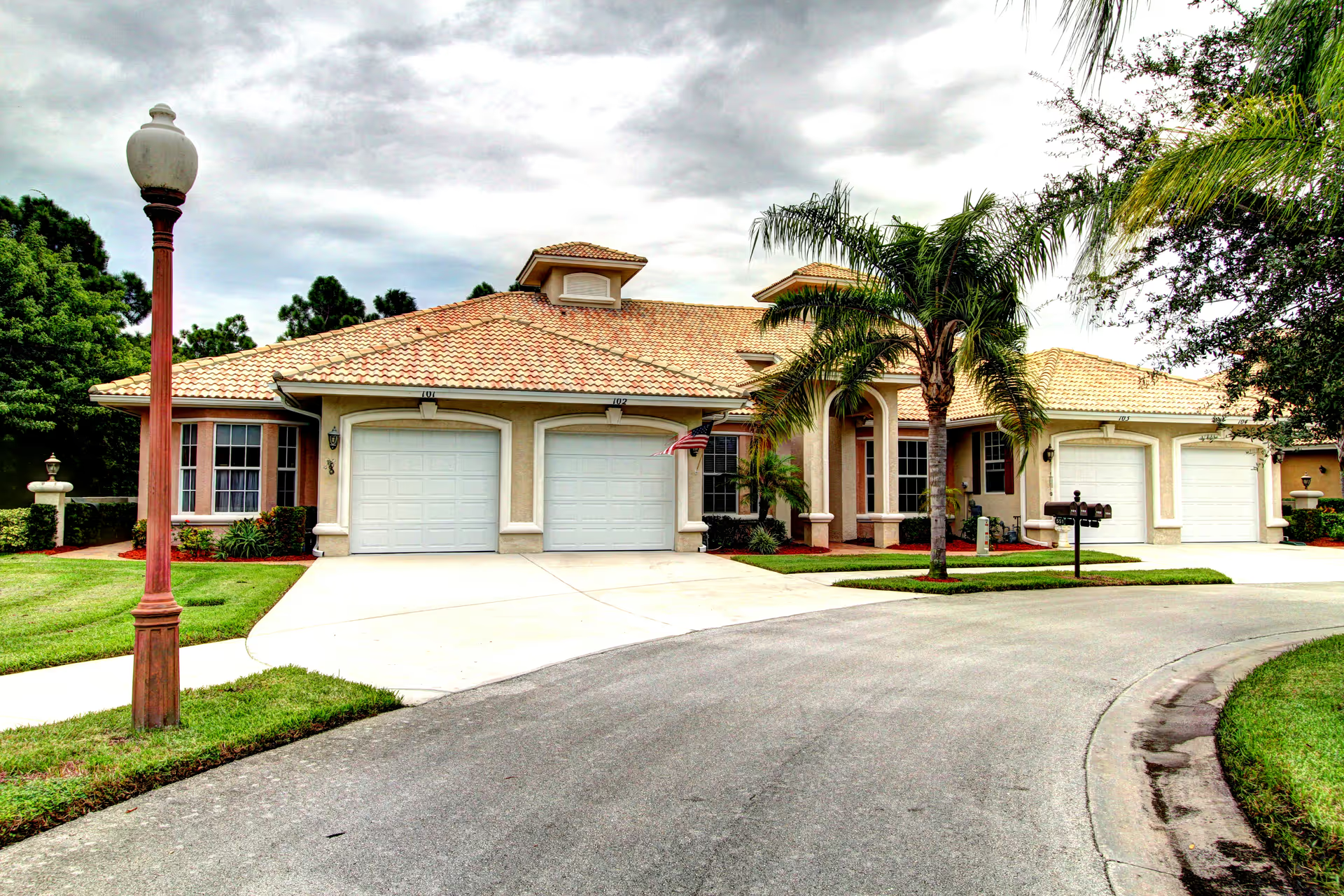
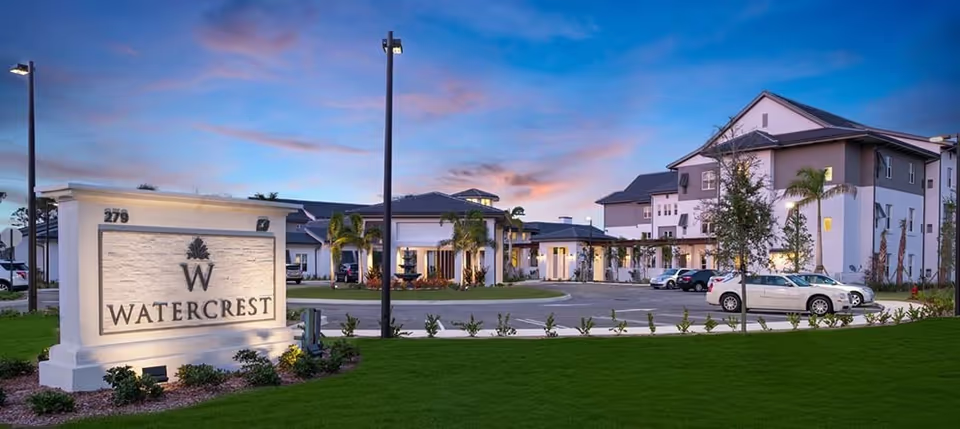
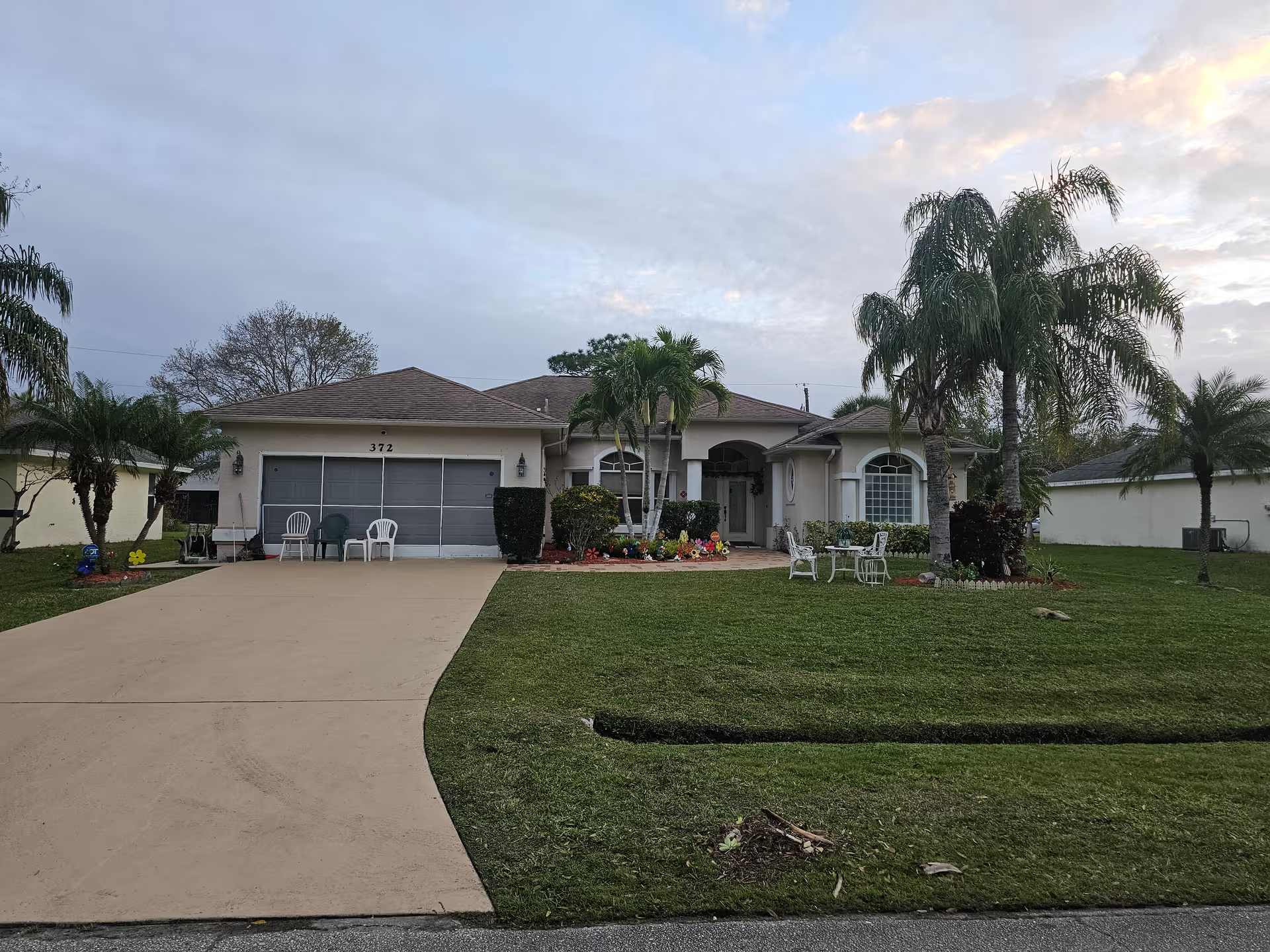
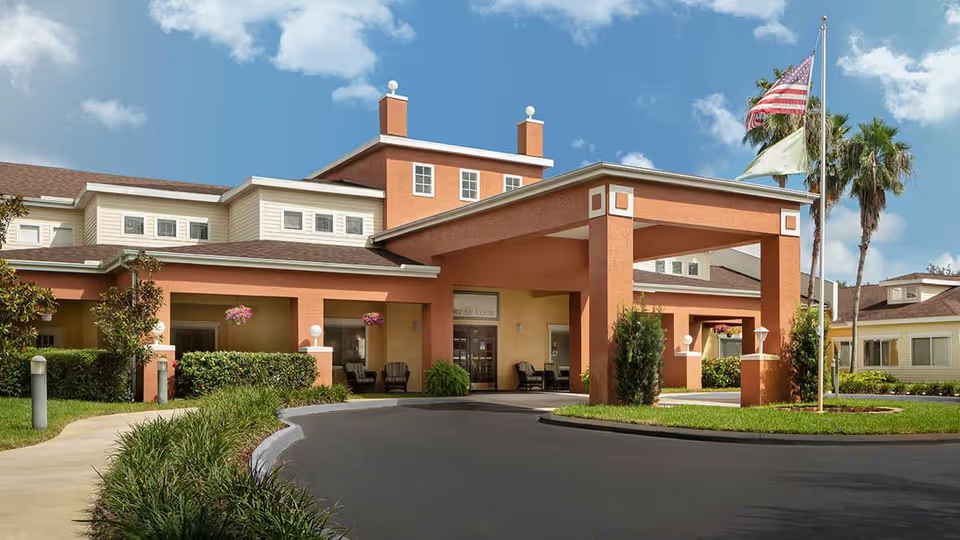
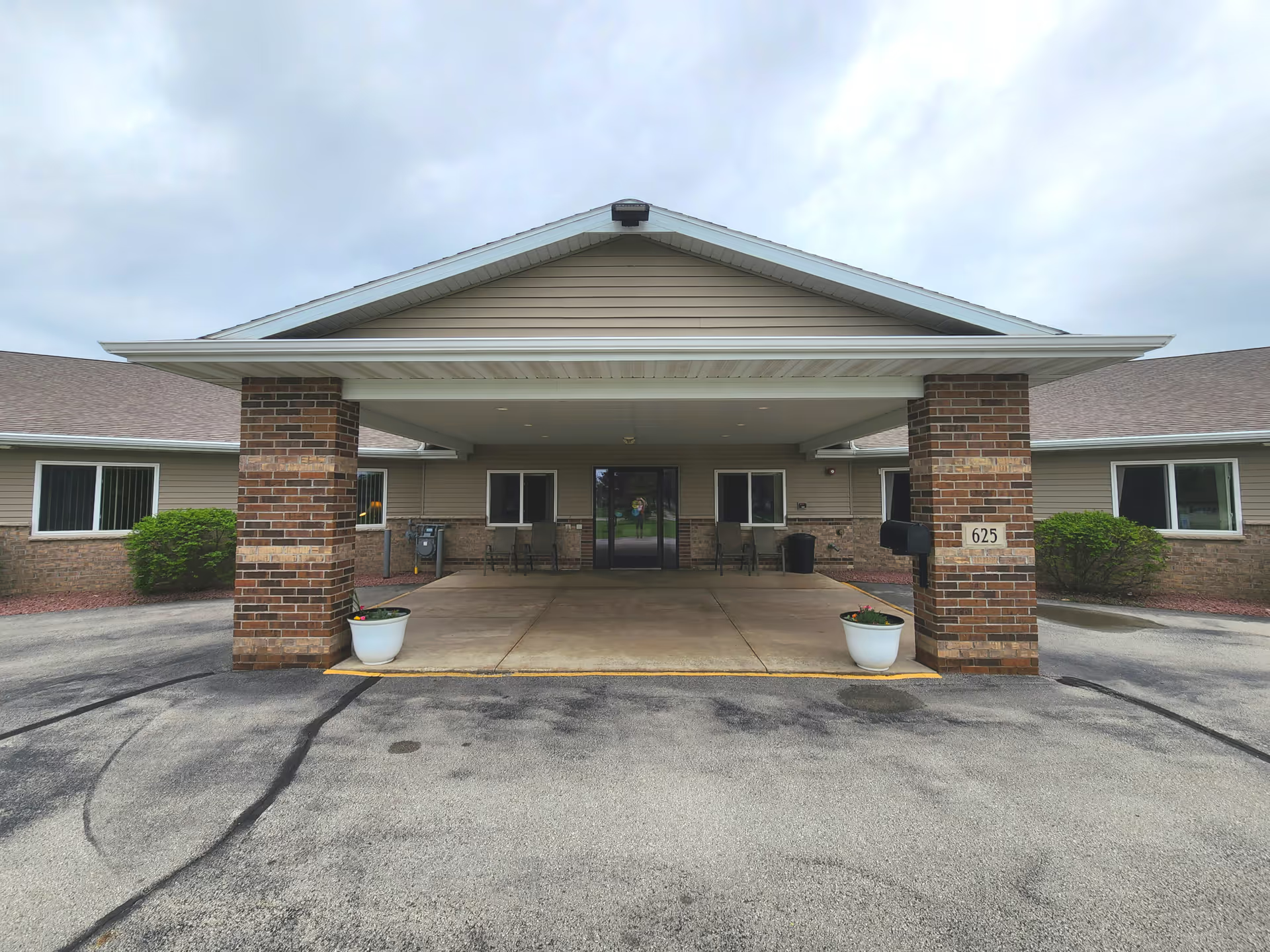
Lake Forest Park presents a mixed but informative profile for prospective residents and families. Across the reviews there is strong, repeated praise for frontline caregiving — staff are frequently described as compassionate, attentive, and personable, and many families credit staff with meaningful improvements in resident wellbeing. Administrative visibility and responsiveness are also noted positively at multiple locations: some directors are described as candid, family-oriented, and hands-on. The campus-level amenities and housing options are a clear strength for many residents: there are a variety of unit types (from studios to two-bedroom villas), private garages and screened porches, a clubhouse with pool and activity rooms, and on-site therapy and transportation services that support independence and outings.
Dining and activities are polarizing. Several reviews describe chef-driven, cruise-ship–style dining experiences and a robust schedule of programs (live music, crafts, games, outings, and frequent social events). At the same time, other families describe repetitive menus, heavy reliance on frozen/canned items, and limited fresh-healthy choices; activity offerings are equally variable — some households report many daily programs while others report a decline or limited engagement. This variability suggests that dining and programming quality can differ by building, dining team, or over time, so personal taste and current staffing should be verified during a tour.
Operationally, there are recurring concerns that warrant attention. Staffing levels and turnover emerge as a common theme: reviewers describe periods with skeleton crews, distracted or busy staff, and inconsistent clinical coverage, including limited nursing presence in some shifts. Linked to this are gaps in clinical-incident handling and family communication: families reported delays or unevenness in how incidents were managed and communicated. Maintenance and housekeeping standards appear inconsistent across the community spectrum — many units and common areas are described as clean and well kept, but others note basic finishes, ad hoc repairs, flooring issues, and occasional sanitation or odor concerns in common areas. Memory-care spaces receive mixed comments as well, with some families praising attentive personal care and others describing the environment as outdated or less comfortable.
Management and business practices are another mixed area. Several reviewers praise visible, engaged leadership and smooth move-ins, while others describe communication breakdowns, abrupt management changes, and problematic billing or financial-account handling. There are specific allegations concerning unauthorized charges, mishandled belongings, and refund disputes; these raise important questions about billing controls and documentation. Given these patterns, families should ask for clear written explanations of billing practices, protections for resident accounts, and sample resident-account statements during due diligence.
What this pattern suggests for prospective families: many residents experience a safe, social, and well-supported daily life with high-quality staff, appealing housing options, and strong amenities. However, experiences are uneven across time and among buildings — particularly in areas of staffing continuity, clinical oversight, dining consistency, maintenance, and financial administration. Recommended next steps include a focused on-site tour, meetings with the executive director and the nursing lead, review of staffing ratios and nurse coverage schedules, sampling menus and recent activity calendars, inspection of memory-care common areas, and a written review of billing policies and account protections before committing. This will help align expectations with the specific apartment and team that would support a prospective resident.