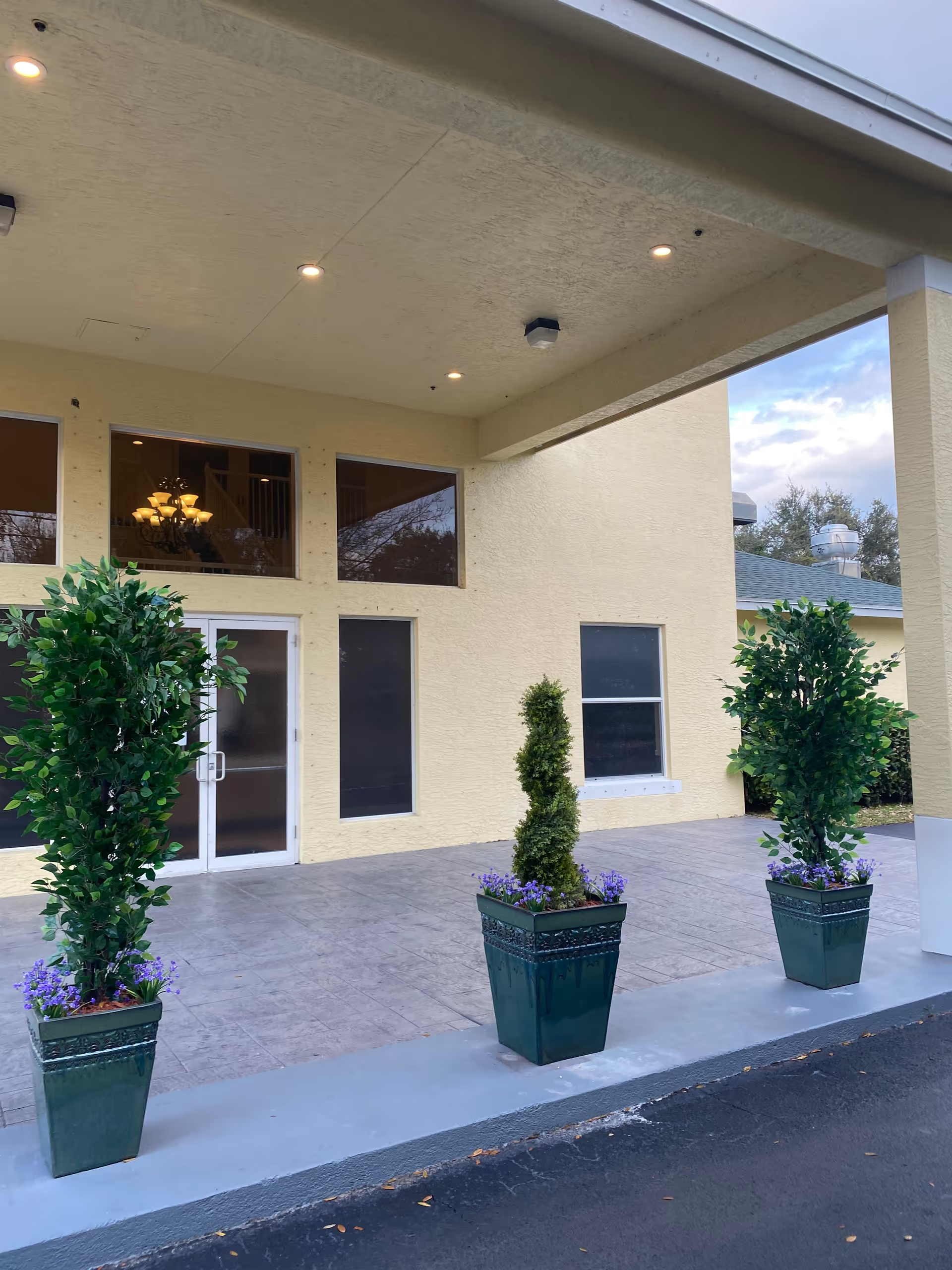
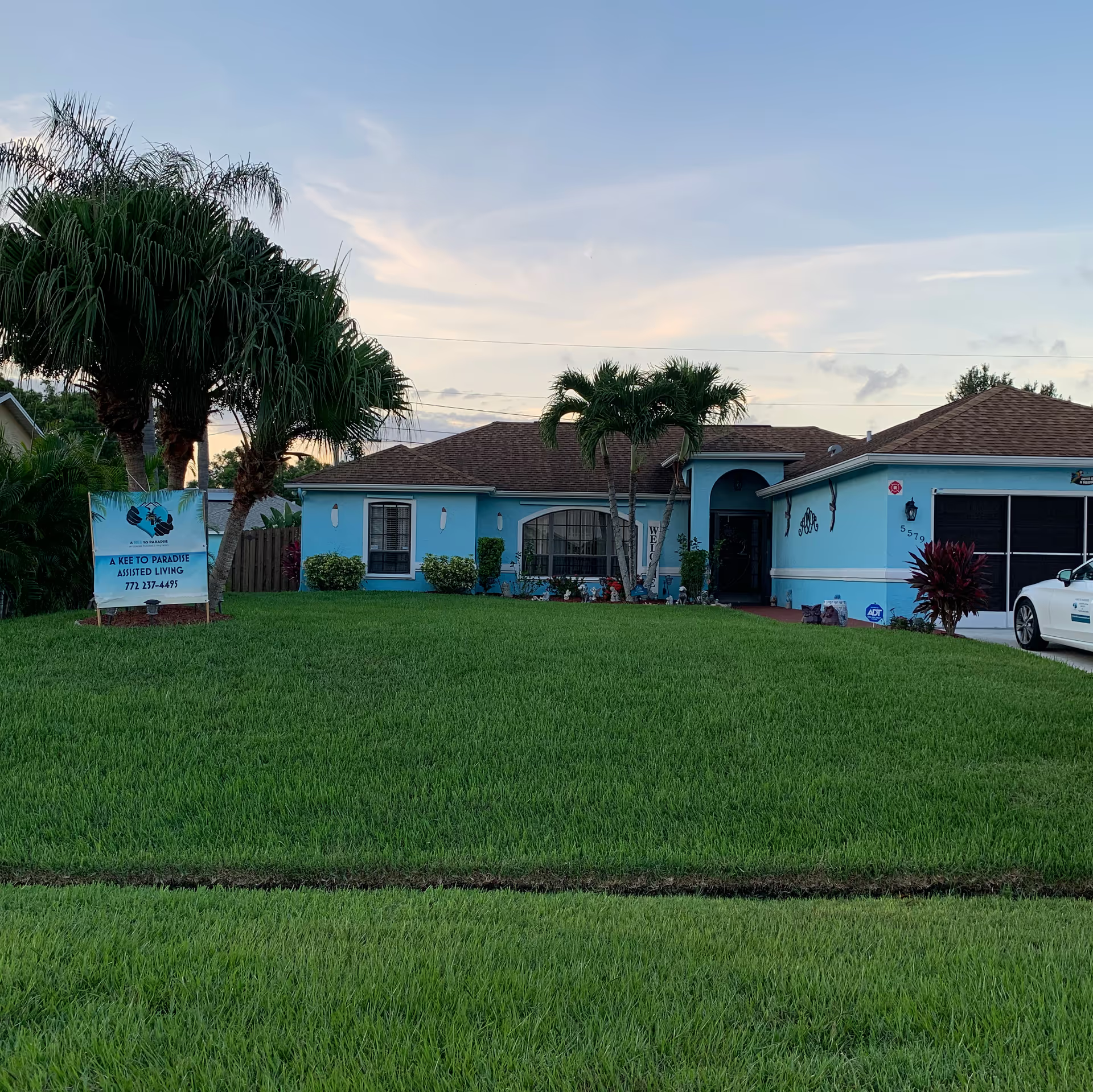
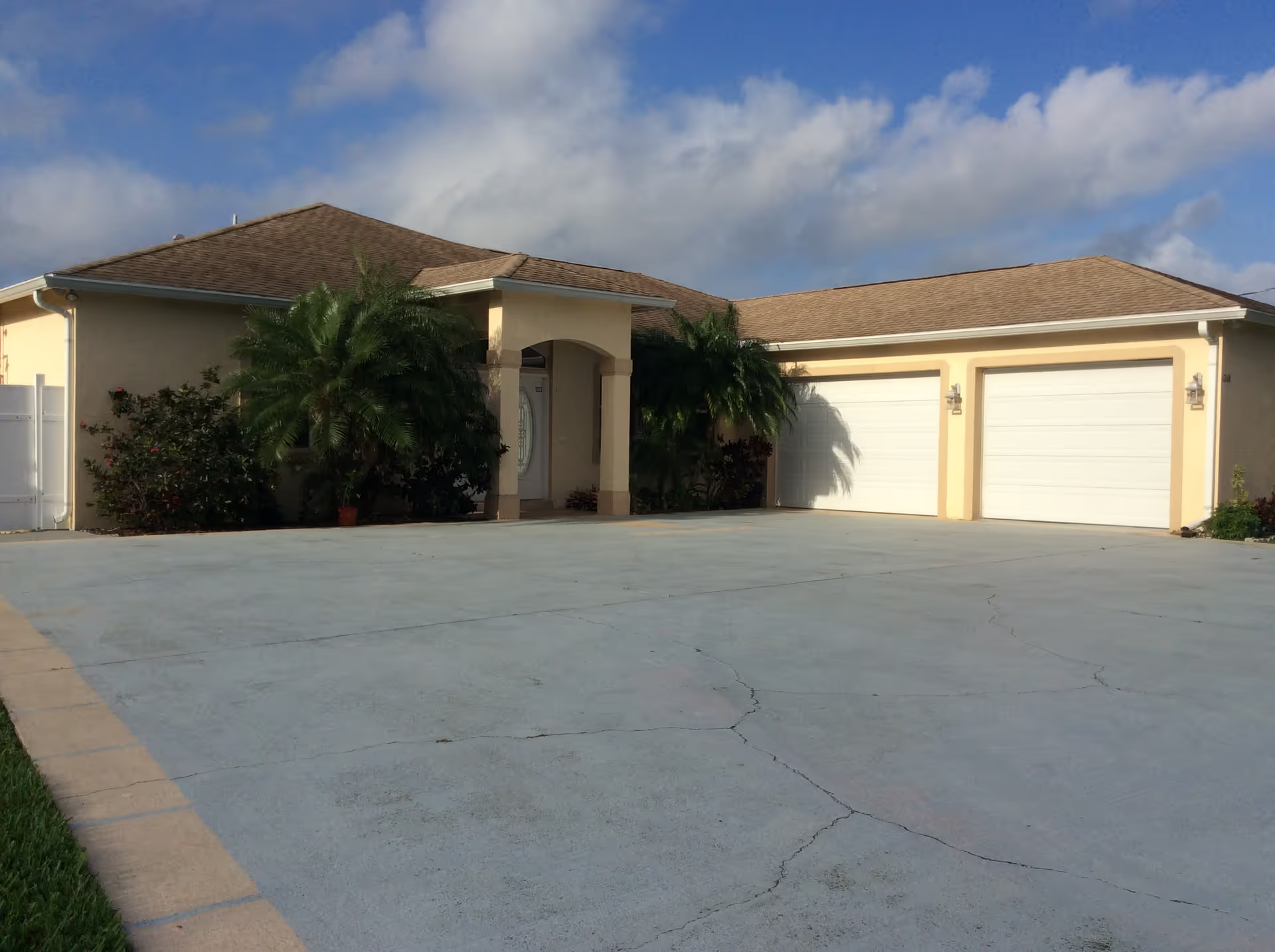
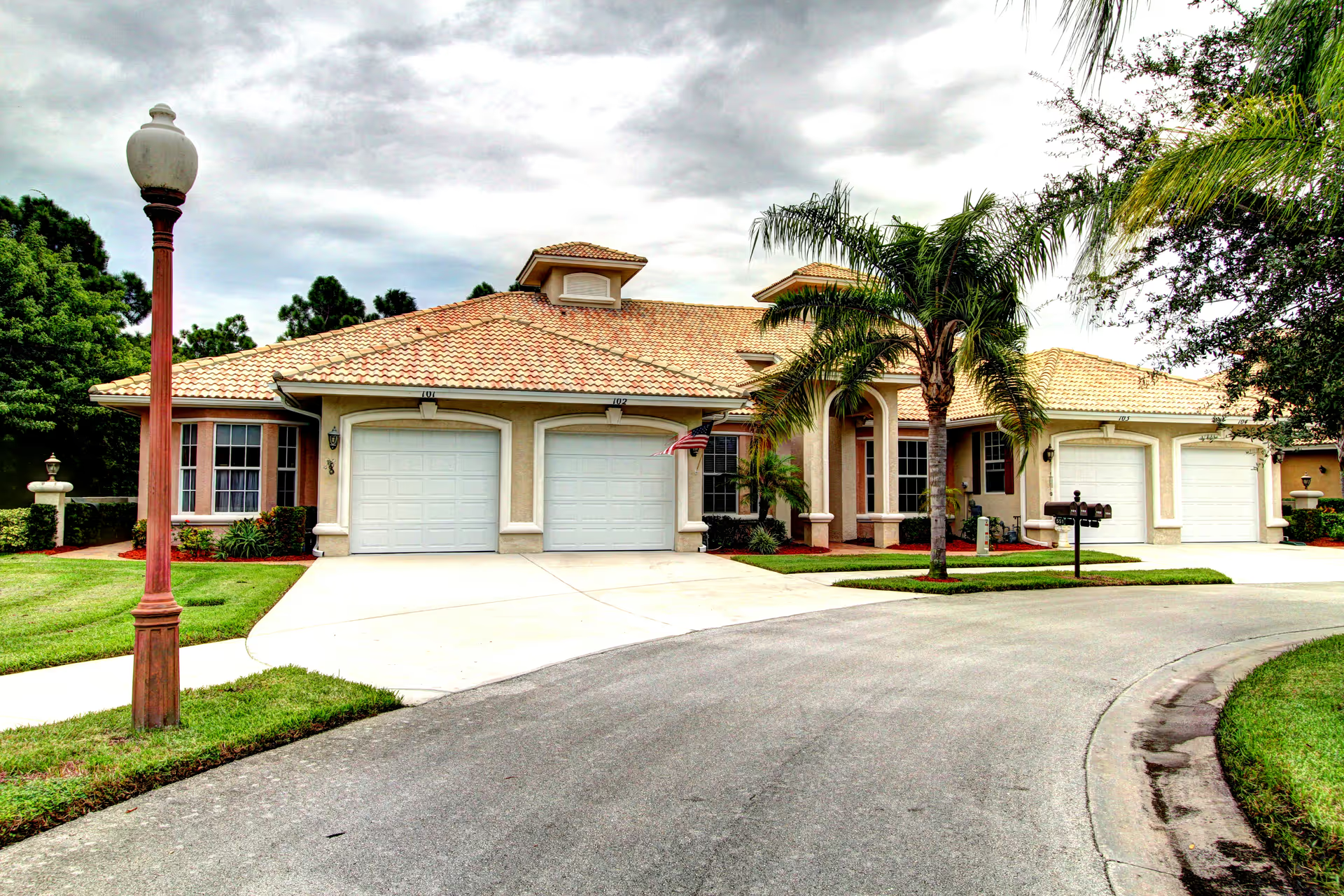
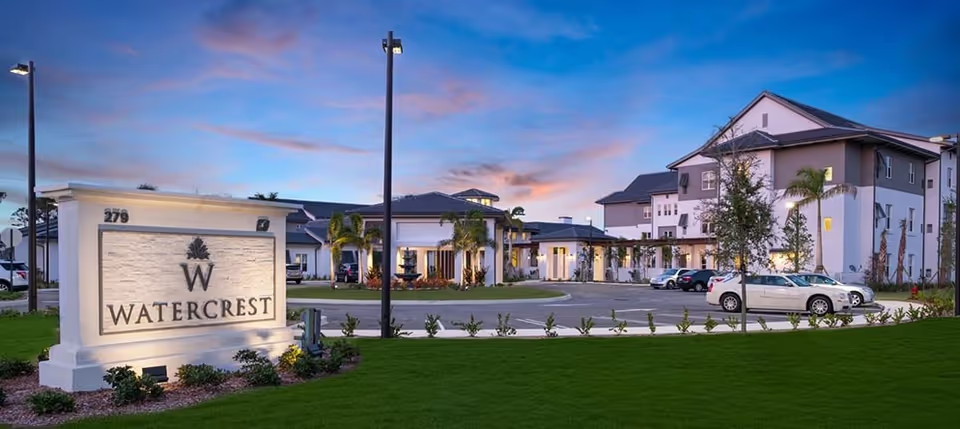
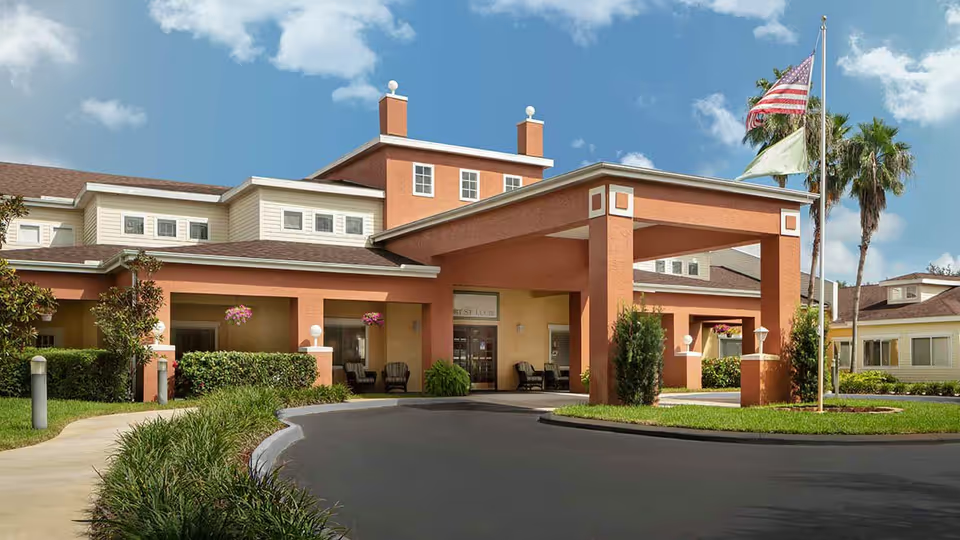
Lynmoore at Lawnwood presents a mixed but instructive profile for prospective residents and families. Many reviewers highlight compassionate, personable direct-care staff—CNAs, nurses, memory-care aides—and frequent praise is given to admissions personnel, activities leadership, and certain departmental managers. The community’s physical environment is frequently described as bright, well-landscaped, and hotel-like, with private memory-care rooms, outdoor garden access, and comfortable common spaces. A sizable number of families also praised the dining program, citing creative menus, an engaged kitchen staff and servers, and a strong activities calendar that includes outings, holiday events, and regular social opportunities.
Care quality and staff behavior emerge as both the facility’s primary strength and its principal area of concern. On the positive side, many families described attentive, comforting interactions, effective therapy services, and smooth transitions through levels of care (assisted living, memory care, hospice) when those transitions were managed. Conversely, recurring operational issues were cited: high staff turnover, inconsistent staffing patterns (especially at night), slow or unreliable red‑button/call-response times, and variable follow-through on personal-care tasks such as bathing, nail care, and room maintenance. These patterns have led to concerns about timeliness of care and consistent oversight during off-peak hours.
Dining and housekeeping show a similar duality. Several reviewers praised exceptional meals and an accommodating kitchen team; others noted inconsistent meal temperatures, limited late-night food availability, and dissatisfaction with in-room dining fees. Housekeeping and sanitation standards were described as strong in many common areas, yet some reports raised specific cleanliness and supply issues in resident rooms (missing toiletries, inconsistent laundry handling, bed-making lapses). These mixed observations suggest operational variability across shifts and units rather than uniform performance.
Management, communication, and administrative practices are another important theme. Admissions staff and some managers receive consistent commendation for responsiveness and individualized assistance. At the same time, reviewers cited frequent leadership turnover, billing disputes, unclear charge structures, and communication gaps between the business office and nursing teams. A reviewer also referenced a state inspection with documented deficiencies; families should consult official inspection reports when evaluating the community. A few serious individual claims (including allegations of missing items and concerns following a resident’s death) were raised—these matters warrant direct inquiry with leadership and review of facility incident records.
Safety and clinical oversight warrant careful attention. Multiple accounts describe delayed emergency responses, falls with lengthy waits for assistance, and at least one medication follow-up lapse. These issues point to potential weaknesses in incident response protocols, night-shift staffing, and medication-administration follow-up. Prospective residents and families should ask for current staffing ratios, average call-response times, recent incident logs, and how the facility manages night coverage and post-fall protocols.
Recommendation for prospective families: weigh the facility’s clear strengths—compassionate frontline staff, strong activities, attractive environment, and an often-praised dining program—against operational consistency concerns. Before making a placement decision, request and review recent state inspection findings, ask for staffing schedules and turnover data, verify call-response metrics, clarify billing and in-room dining charges, tour the specific neighborhood the resident would occupy, and ask how management addresses cleanliness, medication follow-up, and safeguarding of personal belongings. These targeted questions will help determine whether the community’s positive attributes are present at the unit level and whether operational improvements are being sustained.