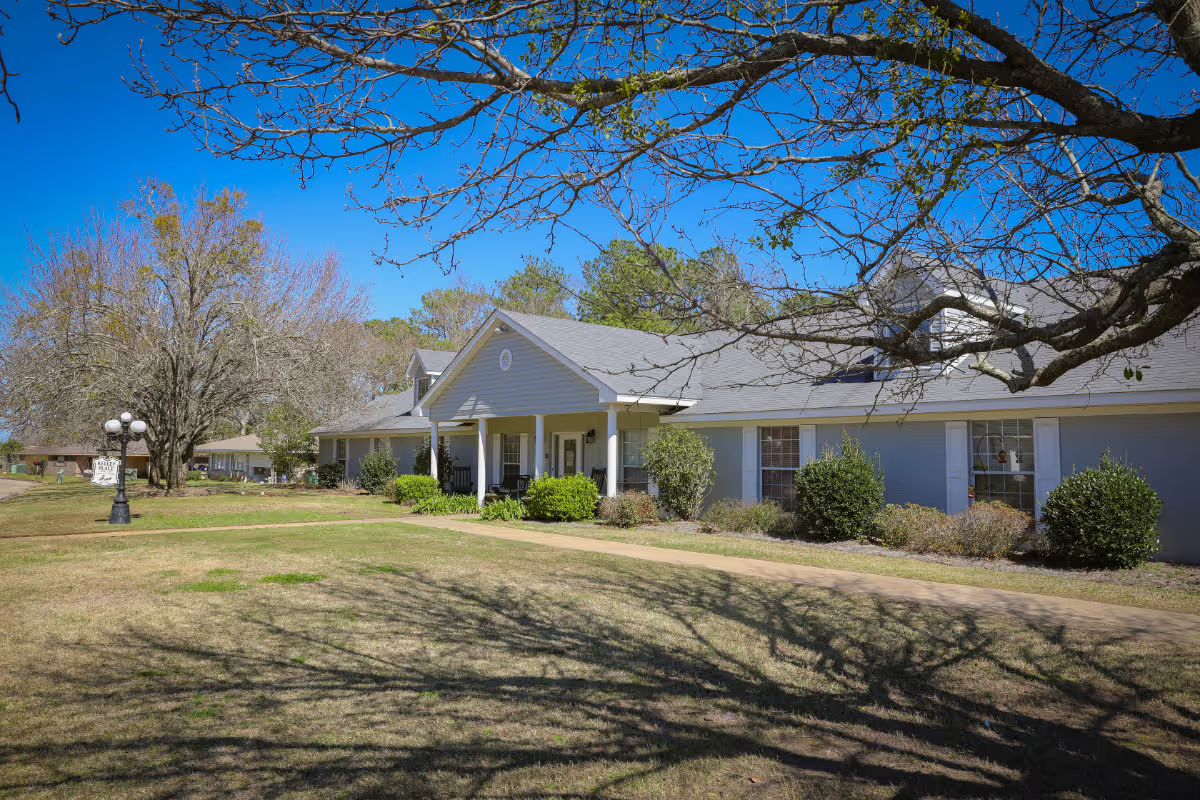
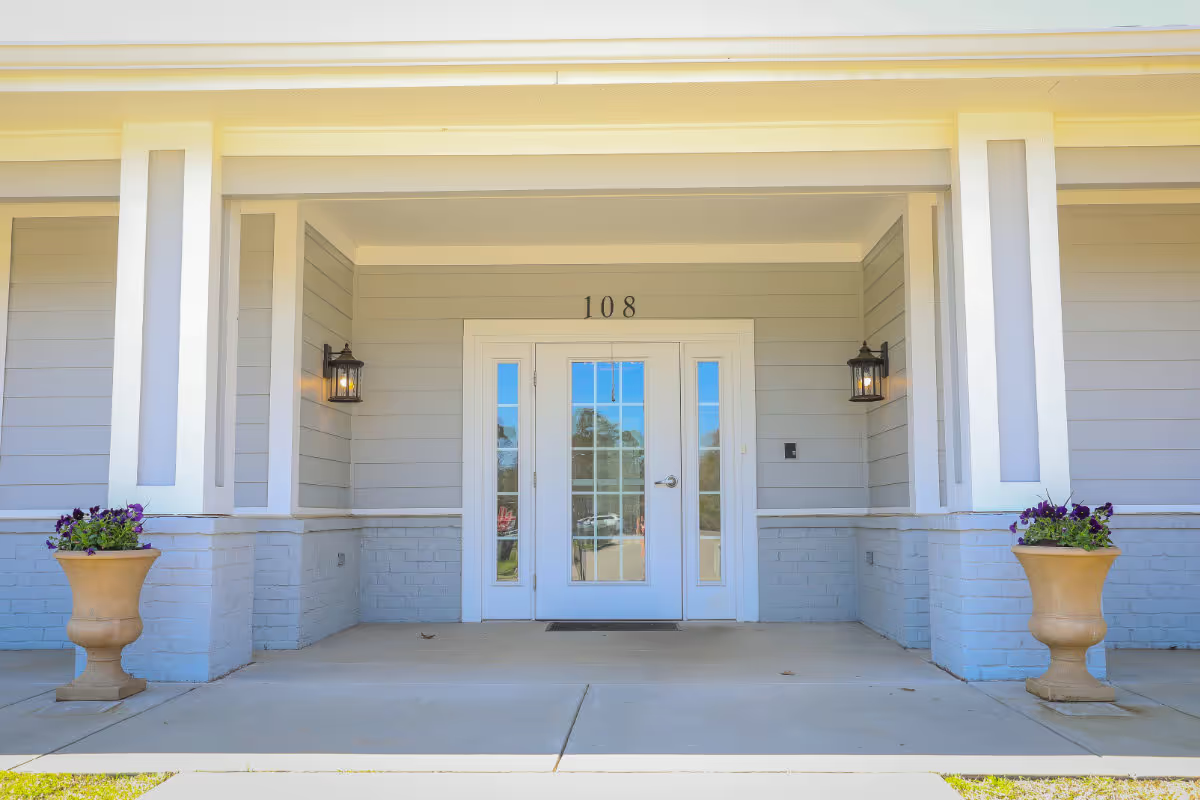
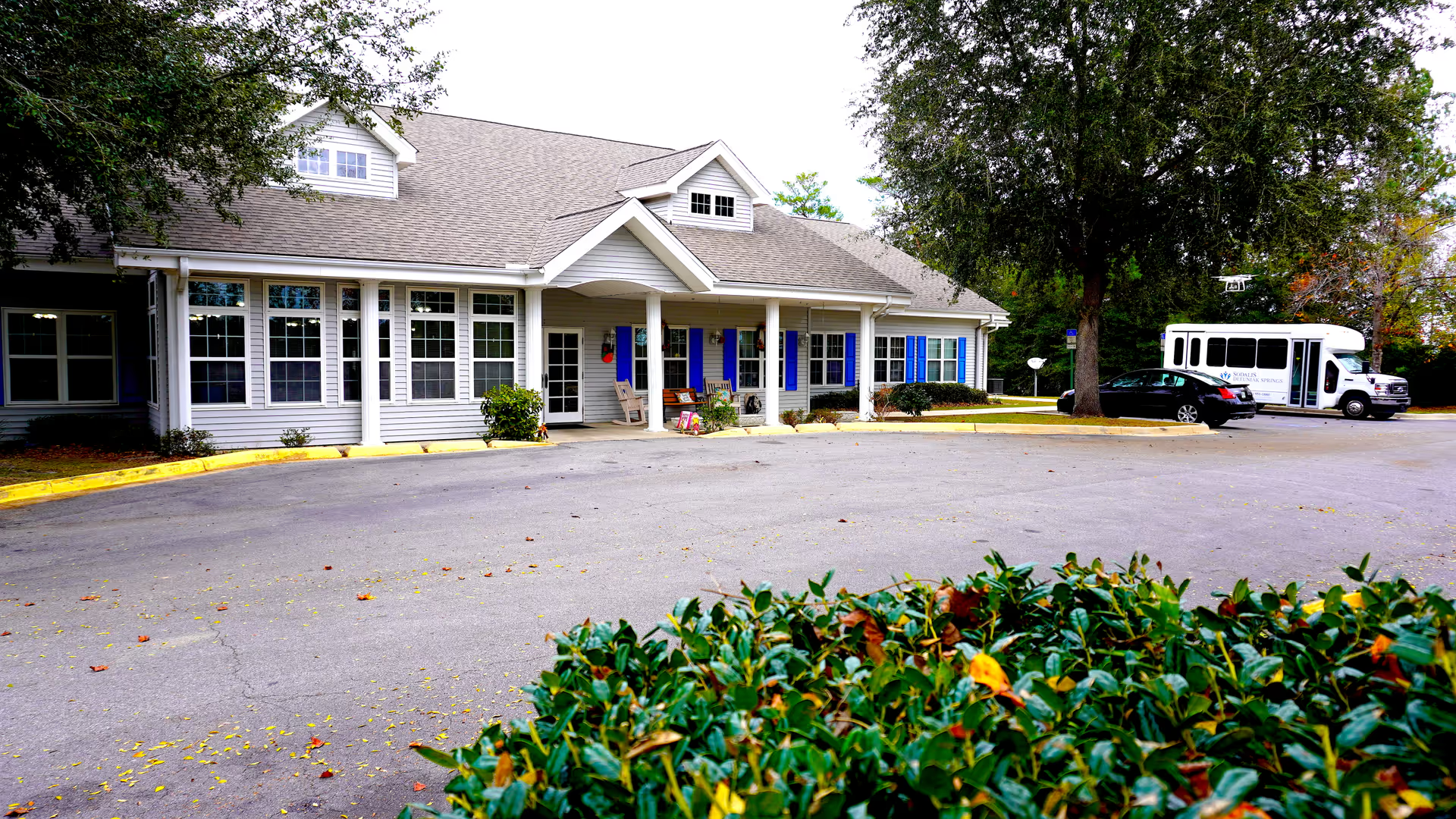
Reviews of Graceville Health Center present a polarized picture, with a clear cluster of positive experiences around rehabilitation, therapy effectiveness, and individual caregiver compassion, alongside repeated operational concerns affecting daily care and communication. Many families describe successful short-term rehab stays with skilled therapists and measurable gains in independence. Several comments highlight a warm reception on entry, attentive janitorial services, clean common areas, scheduled activities (bingo, games, daily programs), and accessible outdoor and communal spaces that contribute to a home-like atmosphere for some residents.
Care quality and staff behavior are described inconsistently. Positive accounts emphasize compassionate, knowledgeable clinicians and effective care coordination; these reports note prompt resolution of problems by leadership and personable interaction from administrators. However, other reports identify patterns of delayed responsiveness, inconsistent professionalism, and staff distraction that can affect basic assistance. These operational shortcomings are described as contributing to missed or delayed help with transfers, lengthy waits for simple clinical tasks, and inconsistent attention during mealtimes.
Dining and nutrition emerge as a recurrent concern. Several reviewers praise aspects of the kitchen and meal programming, but multiple accounts point to cold meals, meal-ticket errors, and insufficient assistance at mealtimes. Those operational gaps are linked to weight loss and unmet dining needs for residents requiring feeding support. Families are advised to clarify meal-service processes and feeding-assistance protocols during any visit.
Medication and clinical oversight show mixed signals. Positive reviews indicate competent nursing and good rehabilitation outcomes, while others describe delayed medication delivery and serious individual complaints about medical-device management; one review raised an alleged incident involving prolonged application of a device. These descriptions suggest variability in medication-administration timeliness and clinical supervision.
Facility and maintenance comments reflect an older building with some well-maintained public areas but also deferred-maintenance items. Specific concerns include worn mattresses, occasional odor concerns, and cleanliness issues in some resident rooms and personal clothing. Outdoor spaces are appreciated, though reviewers mention crowding and a designated smoking area that raises safety and comfort considerations.
Management and communication practices are likewise mixed. Several families praised the CEO, QOL director, and on-site managers for accessibility and problem-solving, while others reported unanswered calls, an unresponsive nurse station, and administrative barriers to retrieving personal items during restricted periods. Activity programming is active and organized for many residents, but engagement levels and availability can be uneven across the population.
Overall, Graceville Health Center appears to deliver strong rehabilitation and has staff who are capable and caring; however, operational inconsistencies — notably in staffing coverage, mealtime support, medication timeliness, sanitation in some rooms, and front-line responsiveness — have a material impact on some residents' experiences. Prospective residents and families would benefit from an in-person tour that includes observation of meal service, staffing levels on different shifts, medication-administration protocols, cleaning and odor-control practices, and how leadership addresses family communication and personal-item access.