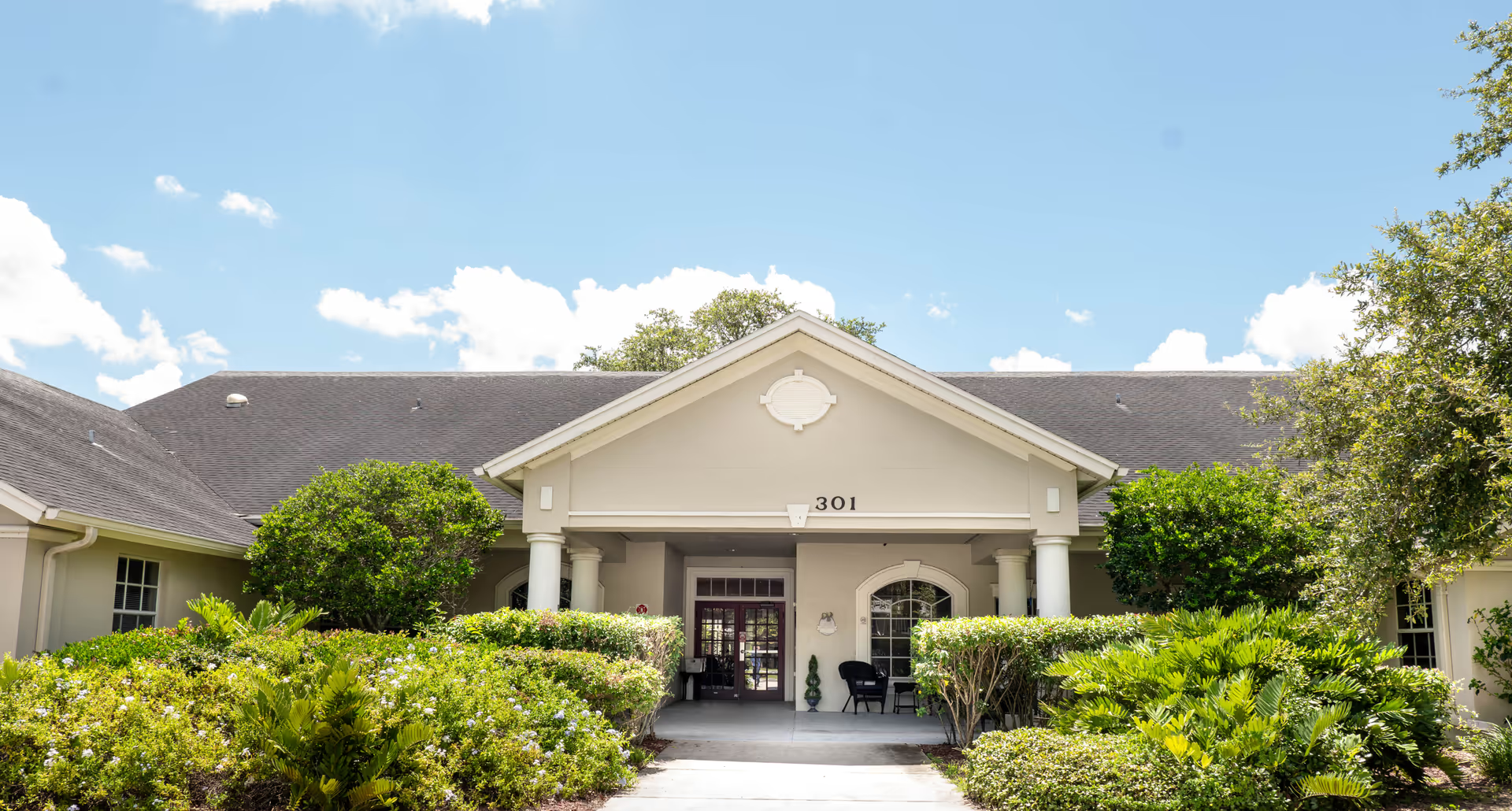
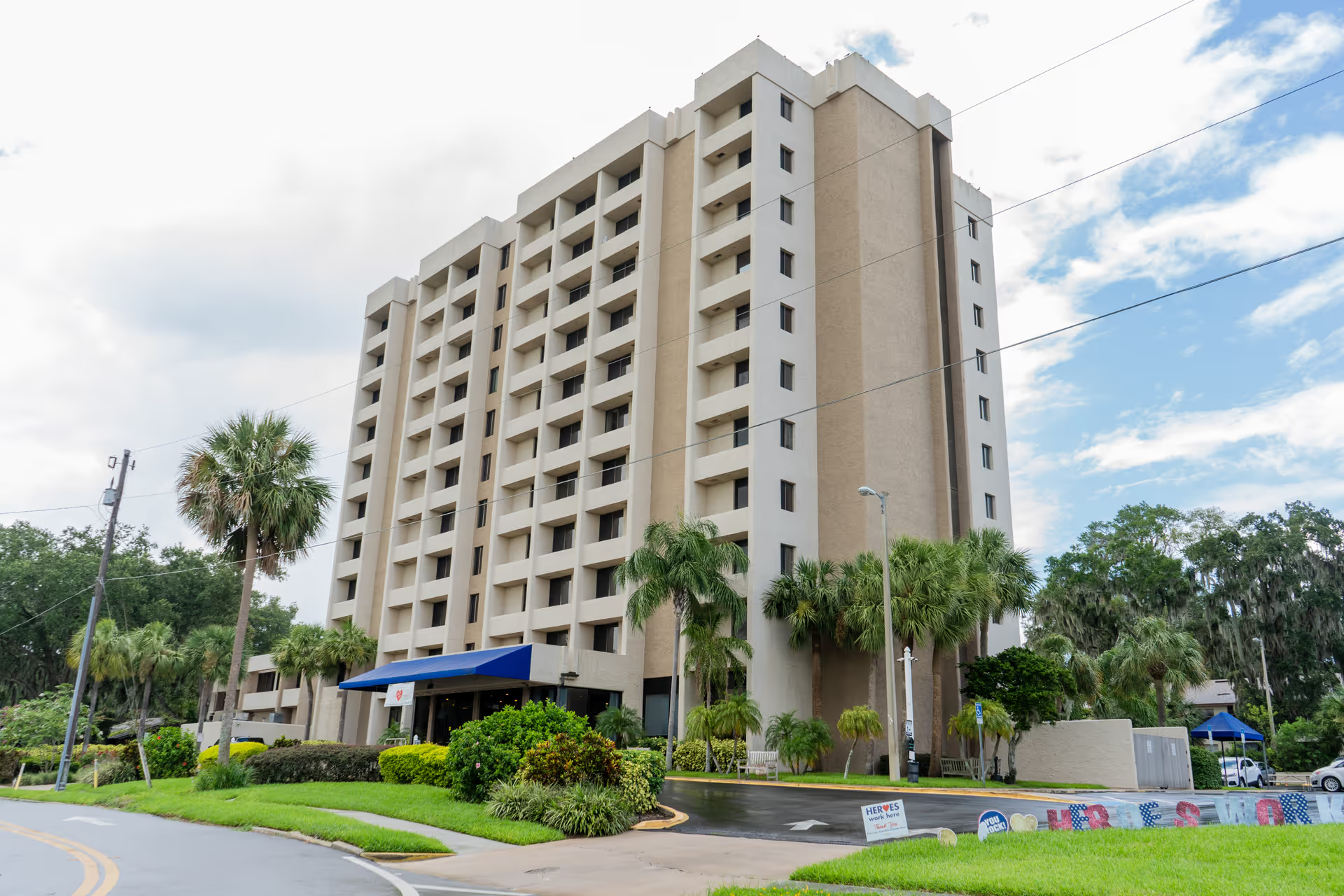
The reviews for Haines City Rehabilitation and Nursing Center present a mixed picture. Many families and residents describe genuinely positive experiences: staff members—particularly CNAs, some RNs, and rehabilitation therapists—are often characterized as caring and attentive, and the facility’s rehab program (physical and occupational therapy) is frequently praised for structure and clinical focus. Several reviewers also noted pleasant common areas, an active activities schedule, and instances of effective admissions coordination and social-work support.
However, a substantial portion of feedback highlights operational inconsistencies that affect care quality. Staffing levels are a recurring concern, especially on night and weekend shifts, and reviewers link those shortages to slow responses to call bells, long waits for basic assistance, and reduced availability of weekend therapy. Medication management and discharge prescription transmission were repeatedly identified as unreliable, with families reporting missed or delayed doses and problems getting prescriptions sent at discharge. Equipment and mobility-aid delays (for example, walkers or wheelchairs not arriving on schedule) were also noted and can impede post-discharge mobility and follow-up care.
Dining and activities show similar variability. Some residents and families praise flavorful, balanced meals and a range of activities; others describe inconsistent food quality, small portions, or unappetizing presentations. The activities program is generally viewed positively when staffed and scheduled, but several reviewers observed reduced programming or limited supervision at certain times.
Facility condition and environmental services are another area of divergence. Numerous reviews point to clean, well-maintained sections of the building, while others document sanitation concerns, maintenance issues (broken call lights, nonfunctional room TVs or phones), and pest-control follow-up gaps. These inconsistencies extend to incontinence-care practices and washing schedules in a subset of accounts. Families also raised security and lost-item concerns in a few cases.
Communication and administration are frequently cited as pain points. Reviewers describe slow or unclear responses from case managers and administration, billing disputes, and difficulties coordinating timely discharges or aftercare. While some admissions and front-desk staff received positive mentions for helpfulness, other families experienced confusing messaging or unreturned inquiries. There are isolated but serious allegations of severe clinical outcomes and concerns following a resident’s death; these claims have heightened family mistrust in certain instances and may warrant further inquiry by regulators or advocates.
In summary, Haines City Rehabilitation and Nursing Center appears to provide strong rehabilitation services and compassionate bedside care in many cases, but operational weaknesses—most notably staffing variability, inconsistent medication and discharge processes, fluctuating cleanliness and maintenance standards, and uneven administrative communication—create risk for families seeking reliable, continuous care. Prospective residents and family members should tour the facility, ask specific questions about night/weekend staffing ratios, medication-administration safeguards, pest-control and sanitation protocols, therapy schedules (including weekend coverage), equipment-delivery timelines, and billing/discharge procedures. Requesting recent inspection results and speaking with the facility’s case manager about individualized care plans will help clarify whether the center’s strengths align with a given resident’s needs.