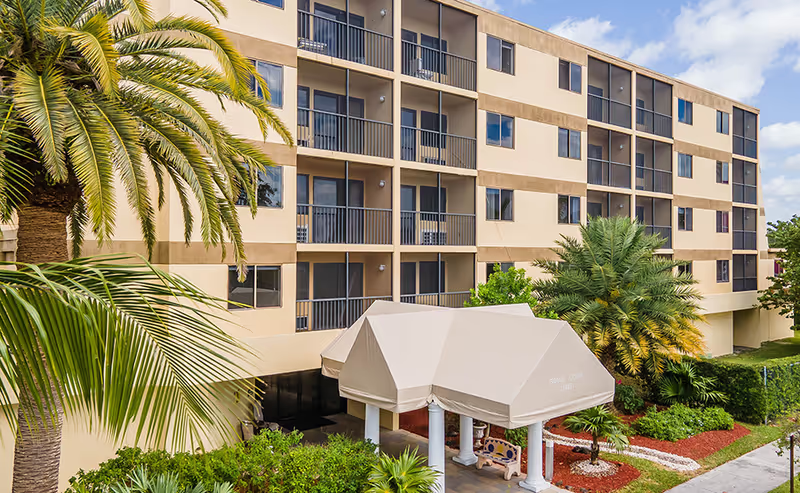
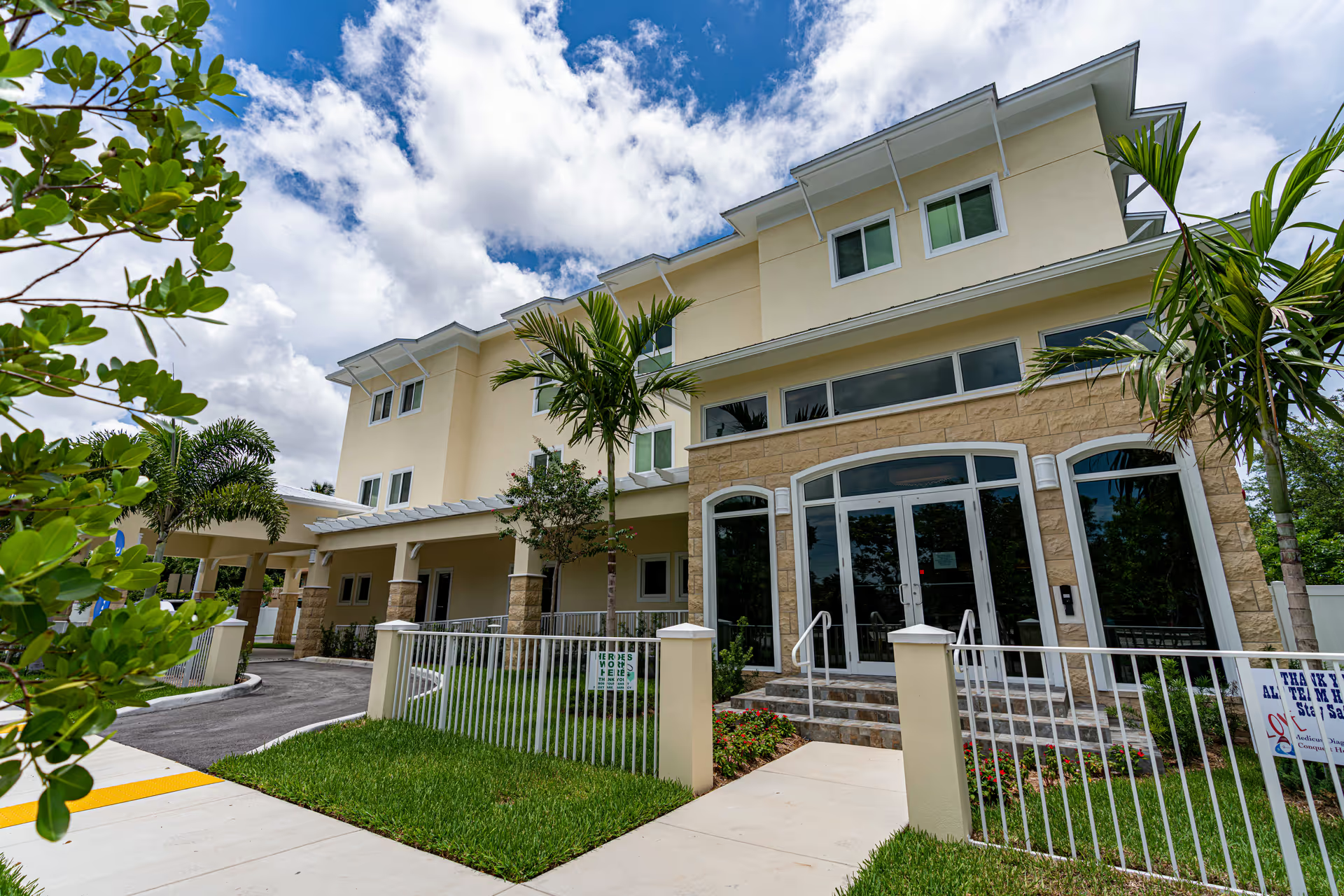
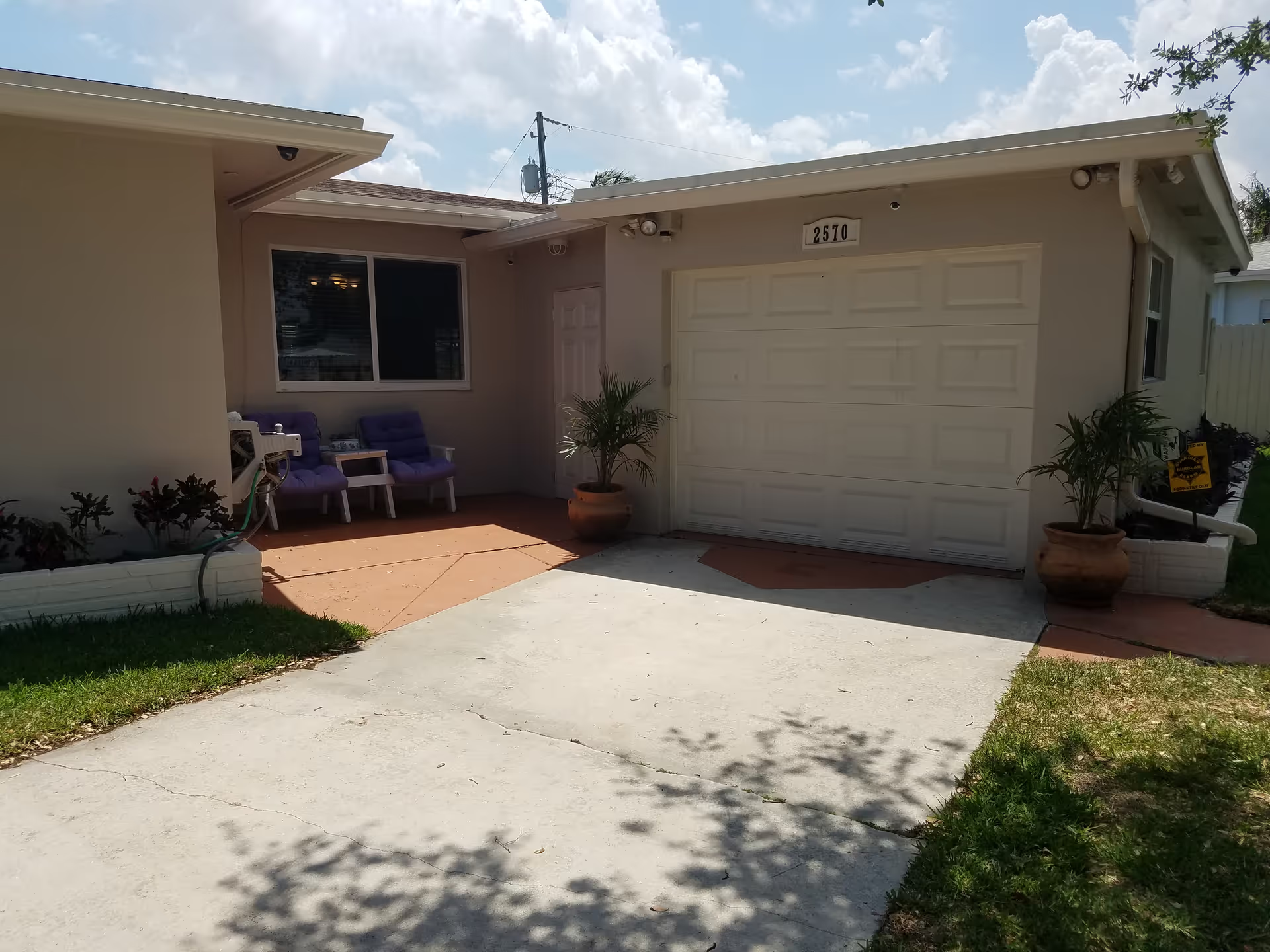
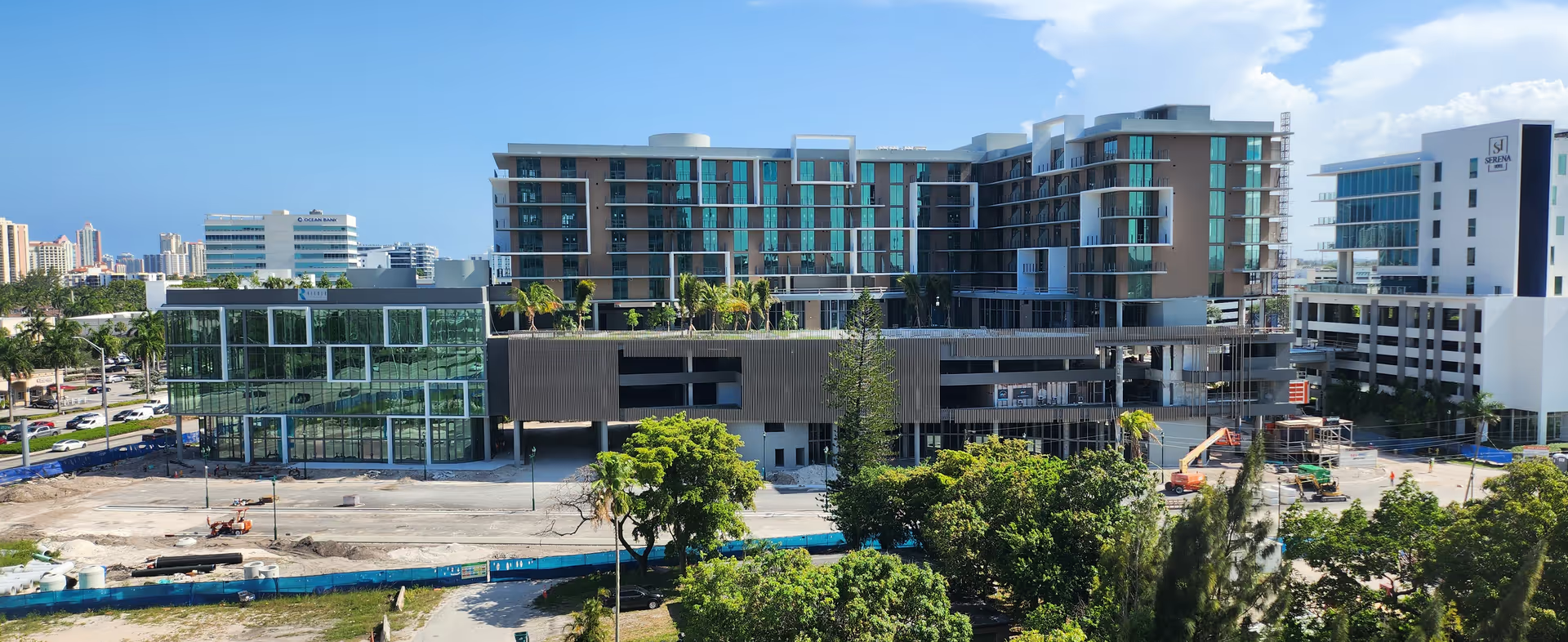
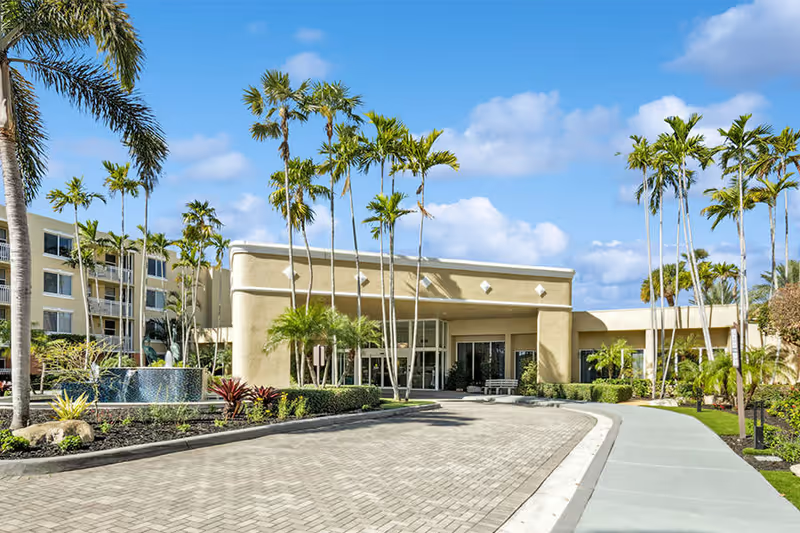
The Peninsula Assisted Living & Memory Care elicits strongly polarized impressions. Many families and residents describe a bright, renovated facility with resort-like public spaces, a robust activities program, and a staff team that is frequently characterized as warm, attentive, and resident-centered. Reviewers praise the dining program for varied menus and accommodations, the active social calendar (movies, music, bingo, outings), and the presence of on-site amenities such as salons, therapy, transportation, and a busy lobby that supports social connection.
Clinical care and caregiving receive both commendation and critique. Numerous accounts emphasize compassionate nursing and 24/7 availability, effective medication assistance for visually impaired residents, and strong memory-care programming with staff who know residents by name. Counterbalancing those positives are descriptions of inconsistent clinical practices in some cases—delays in attending to care needs, concerns about medication management, and wound-care oversight. These clinical concerns are not universal in the reviews, but when they occur they are serious and families report inconsistent communication around incidents and hospital transfers.
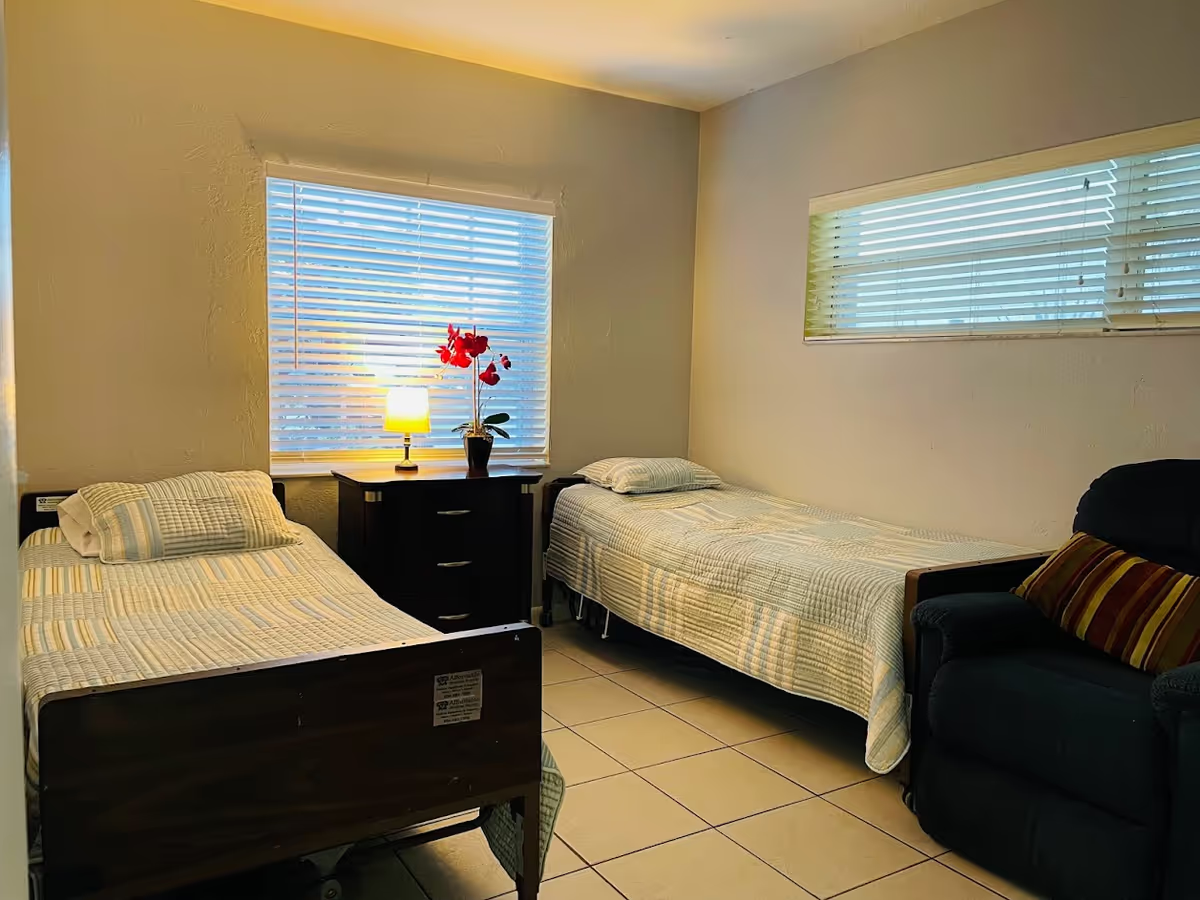
Facility condition and operations also show a mixed picture. The building is repeatedly noted for renovated, light-filled units, an impressive lobby, and pleasant decor; yet there are recurring operational issues such as uneven housekeeping and sanitation practices, odor-control and pest-control concerns in parts of the campus, and ongoing phased renovations that leave some areas feeling updated while others show wear. Maintenance responsiveness is described positively at times, while other reports indicate unresolved maintenance items and intermittent equipment failures (e.g., elevators).
Administrative and management themes emerge as a distinct area of concern. Multiple comments point to billing errors, unclear fee disclosures, late fees, and inconsistent handling of extra charges; leadership turnover and perceived lapses in management communication compound family frustration. A subset of reviews contains serious allegations concerning financial practices and eviction actions; these are significant claims that prospective families should investigate directly with management and, where appropriate, regulatory authorities.
For prospective residents and families: the facility shows strong strengths in staffing culture, social programming, dining, and a generally attractive physical environment. At the same time, the pattern of operational inconsistencies—housekeeping/sanitation variability, staffing fluctuations, billing/fee transparency, clinical-incident communication, and episodic maintenance—warrants careful inquiry. Suggested questions include current staffing ratios (especially in memory care), protocols for medication administration and wound care, incident-reporting and family-notification procedures, pest-control and sanitation schedules, clear itemization of fees, and recent regulatory or inspection history. An in-person visit during multiple shifts (including evenings or weekends), direct conversations with nursing leadership, and review of written policies on admissions, billing, and incident reporting will help families assess whether the Peninsula’s strengths align with their expectations and whether identified operational gaps have been addressed.